
Do porcelain countertops stain? In most kitchens, porcelain resists common household staining very well because it has very low water absorption. Coffee, wine, oils and sauces are less likely to penetrate the slab than they are with many absorbent natural materials.
However, porcelain should not be described as completely stain-proof. Visible marks can still appear from dried food, grease, metal transfer, hard-water deposits, unsuitable cleaners or residue trapped within a textured finish. Seams, caulking, adhesives and repaired areas may also behave differently from the porcelain surface itself.
This guide explains what can mark a porcelain countertop, how to distinguish an absorbed stain from surface residue and which cleaning steps are safest for everyday spills and more difficult marks.
Quick Answer
Porcelain countertops have very low water absorption and generally resist household staining well. They can still develop visible residue, metal marks, mineral deposits or discolouration around seams and repairs. Begin with warm water and a mild, manufacturer-approved cleaner rather than aggressive chemicals or abrasive tools.
Most countertop-grade porcelain products resist staining because the fired ceramic material absorbs very little liquid. When spills are cleaned within a reasonable time, coffee, tea, wine, oils and food sauces generally remain on the surface rather than penetrating deeply into the slab.
That does not mean every visible mark is impossible or permanent. A countertop may appear stained because material has dried on the surface, collected within a textured finish or reacted with another component of the installation.
Low absorption reduces the opportunity for liquids to enter the material, but several other conditions can affect the countertop’s appearance:
For this reason, it is more accurate to describe porcelain as highly stain resistant rather than completely stain-proof.
An absorbed stain enters the material or finish and may remain visible after routine cleaning. Surface residue sits on top of the countertop and may look like a stain even though it has not penetrated the porcelain.
Examples of surface residue include:
Identifying the type of mark matters because each problem may require a different cleaning approach. Scrubbing aggressively before identifying the cause can damage the finish without removing the residue.
Polished, matte and textured porcelain surfaces do not always clean in exactly the same way. A smooth finish generally releases residue more easily, while a textured surface may hold grease, soap or pigment within its surface structure.
This does not necessarily mean the material has absorbed a stain. It may simply require more thorough cleaning with a product approved for that particular finish.
Manufacturer care instructions should take priority because allowable cleaners and cleaning methods can differ between porcelain collections.
Before Treating a Mark
Determine whether the mark is dried residue, metal transfer, mineral buildup or actual discolouration. Begin with the least aggressive approved cleaning method and increase treatment only according to the product manufacturer’s instructions.
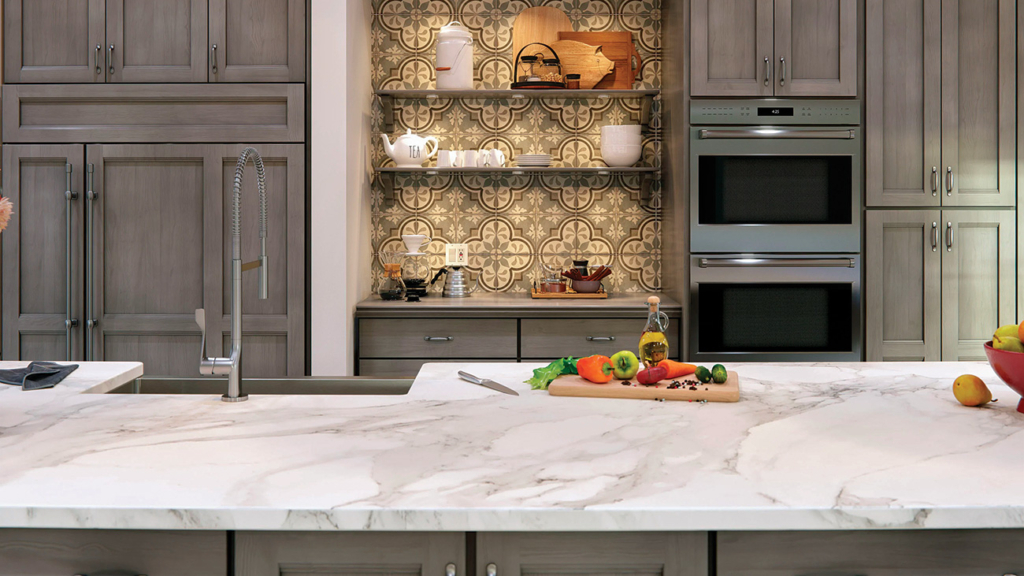
Porcelain resists many common kitchen spills, but different substances can leave different types of marks. The safest first step depends on the likely cause.
| Type of Mark | Likely Cause | First Cleaning Step | What to Avoid |
|---|---|---|---|
| Coffee, tea or wine | Dried pigment or surface residue | Warm water and a mild approved cleaner | Metal scrapers and aggressive scouring pads |
| Oil or cooking grease | Greasy film or residue in a textured finish | Manufacturer-approved degreasing cleaner | Unapproved solvents or oven cleaner |
| Grey or dark lines | Metal transfer from cookware or utensils | Approved cleaner applied with a soft non-abrasive pad | Steel wool or sharp blades |
| White or cloudy deposits | Hard-water minerals or cleaner buildup | Product-approved mineral-deposit cleaner | Strong acids without product approval |
| Construction residue | Adhesive, grout, silicone or installation material | Contact the installer or follow product-specific removal guidance | Forceful scraping or unknown solvents |
Coffee, tea, red wine, tomato sauces and strongly coloured spices may leave visible residue when allowed to dry. Light-coloured and textured surfaces can make these marks more noticeable, even when the porcelain itself has not absorbed the liquid.
Cookware, baking trays and metal tools can leave grey marks when moved across the surface. These marks may come from the metal object rather than damage to the porcelain itself.
Mineral deposits often appear near sinks, faucets and drying areas. Repeated use of too much cleaner can also leave a dull or cloudy film. Rinsing the surface thoroughly and drying high-use areas can reduce buildup.
The next section explains how to clean each type of mark safely, which products should be avoided and whether porcelain countertops require sealing.
The safest cleaning method begins with the least aggressive option. Many marks on porcelain are surface residue rather than absorbed stains, so warm water, a soft cloth and a mild cleaner may be enough.
Before using any specialty product, check the care instructions for the exact porcelain collection and finish. A cleaner approved for one surface may not be suitable for another.
For fresh spills and routine marks:
Repeating a mild treatment is generally safer than immediately using a stronger chemical or abrasive tool.
Dried sauces, cooking oils and grease may create a sticky or dull film, particularly on matte or textured porcelain.
Begin by softening the residue with warm water. If grease remains, use a porcelain-compatible degreasing cleaner according to the manufacturer’s directions.
Avoid scraping dried residue with metal blades or sharp tools. These can damage the finish, mark the surface or chip an exposed edge.
Coffee, tea, red wine, tomato sauce and strongly coloured spices may remain visible after they dry. In many cases, the colour is held within surface residue rather than absorbed into the porcelain.
Clean the area with a mild approved cleaner and rinse thoroughly. If the mark remains, consult the product care guide before moving to a stronger treatment.
Do not mix cleaning chemicals. Combining products can create hazardous fumes or damage the surface and surrounding materials.
Grey or dark lines may be caused by metal transfer from cookware, trays or utensils. The porcelain may remain intact while a small amount of metal has been deposited on the surface.
Use a cleaner approved by the porcelain manufacturer for metal marks and apply it with a soft, non-abrasive pad. Avoid steel wool, wire brushes and aggressive scouring tools because they can create additional marks.
Hard-water minerals commonly appear as white, cloudy or chalky buildup near sinks and faucets. Cleaner residue can create a similar appearance.
First wash and rinse the area carefully to determine whether the film is leftover cleaner. If mineral buildup remains, use a product approved for removing deposits from the exact porcelain finish.
Strong acidic cleaners should not be used unless the manufacturer specifically permits them. Acids may affect nearby grout, caulking, metal fixtures or other materials even when the porcelain itself is resistant.
Textured surfaces may hold grease, pigments and cleaner residue within the surface structure. They can require more detailed cleaning than smooth finishes.
Use a soft nylon brush or approved non-abrasive pad only when permitted by the manufacturer. Work gently across the texture rather than concentrating force in one location.
Rinse carefully after cleaning because leftover product can dry within the surface and create a cloudy appearance.
Installation residue may include adhesive, grout, silicone, tape residue or protective-film adhesive. These materials should not be treated like ordinary food stains.
Contact the installer when the source is uncertain. The wrong solvent or scraping tool can damage the finish, printed design, seam or surrounding cabinetry.
Where product-specific removal is permitted, follow the exact cleaner, contact time and tool recommendations supplied by the porcelain manufacturer.
Safe Cleaning Sequence
Identify the likely cause, begin with mild cleaning, rinse thoroughly and escalate only with a product approved for the exact porcelain surface.


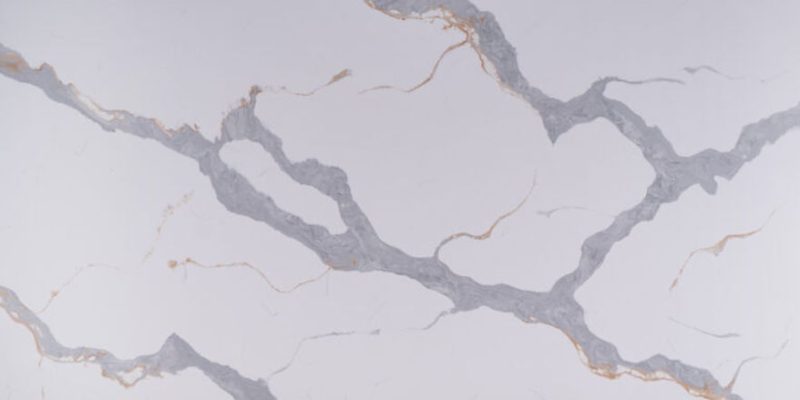
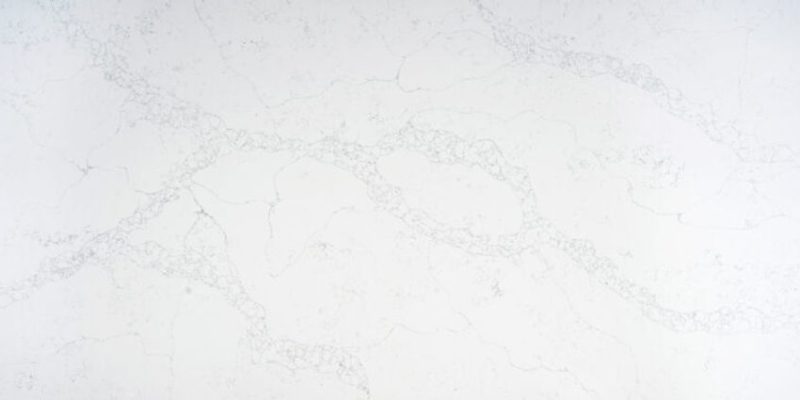


Porcelain is durable, but unsuitable cleaning methods can still damage the finish or nearby installation materials.
Avoid using the following unless the product manufacturer specifically approves them:
Bleach should not be treated as a universal porcelain cleaner. Some manufacturers may allow diluted products under specific conditions, while others may restrict them. It can also affect caulking, seams, fabrics, metal fixtures and nearby finishes.
Steam cleaners should only be used when approved for the installed product and surrounding joints. Heat and moisture may affect caulking, adhesives or repaired areas differently from the porcelain slab.
Most countertop-grade porcelain products have very low water absorption and generally do not require a penetrating sealer. Applying an unnecessary product may leave residue, alter the finish or create uneven appearance.
The answer should still be confirmed for the exact manufacturer and surface treatment. Some textured or specialty finishes may have product-specific care instructions.
Even when the porcelain itself does not need sealing, other components may require attention:
A treatment intended for one component should not automatically be applied across the entire countertop.
Generic stone sealer is not necessarily suitable for porcelain. Because the surface absorbs very little, a penetrating product may remain on top and create streaks, haze or a sticky film.
Before applying any sealer, polish or protective coating, confirm that it is approved for the exact porcelain product and finish.
Sealing Takeaway
Most porcelain countertops do not require penetrating sealer. Seams, caulking, repairs and surrounding materials may have separate maintenance needs, so always follow product-specific guidance.
The final section explains where marks are most likely to develop, how to prevent residue and when a fabricator or manufacturer should inspect the countertop.
Porcelain itself has very low water absorption, but the completed countertop includes seams, joints, adhesives and repaired areas that may respond differently. Visible discolouration is therefore more likely to develop around installation details than across the centre of an intact slab.
Seams and mitred edges contain adhesive and may collect grease, cleaner residue or food particles if the joint is uneven or damaged.
A dark line at a seam does not necessarily mean the porcelain has stained. It may involve:
Aggressive scraping should be avoided because it can damage the joint or chip the porcelain edge.
Areas around sinks are exposed to water, soap, food residue and repeated cleaning. The porcelain slab may remain unchanged while silicone or caulking becomes cloudy, dark or discoloured.
Damaged or separated caulking should be assessed rather than repeatedly covered with stronger cleaner. Cleaning cannot repair a failed joint.
Repair compounds may not have the same stain resistance or chemical tolerance as the original porcelain. A repaired edge or filled chip may therefore change colour before the surrounding slab.
Use only cleaning methods approved for the repair material. When the repair details are unknown, contact the fabricator before applying specialty chemicals.
Textured porcelain can retain grease, soap film or pigment within its surface structure. This may create an uneven or cloudy appearance even though the material has not absorbed the spill.
Cleaning these finishes may require a manufacturer-approved brush, pad or detergent. The surface should be rinsed thoroughly because dried cleaner can make the texture appear stained.
Residue can accumulate beneath coffee machines, air fryers, soap dispensers and storage containers. Trapped moisture, heat, grease or cleaner may leave a visible outline when the appliance is moved.
Lift and clean beneath frequently used appliances periodically. Follow appliance-clearance instructions and avoid allowing liquids to remain against seams or wall joints.
Porcelain does not require complicated daily care. Consistent cleaning and protection of vulnerable installation details are usually more effective than aggressive stain treatment.
Wipe coffee, wine, oil, sauces and strongly coloured foods within a reasonable time. Prompt cleaning prevents residue from drying onto the surface or collecting within a textured finish.
Cutting boards reduce food residue and metal transfer from utensils. Trivets protect seams, adhesives, repairs and nearby finishes from concentrated heat.
Using too much cleaner can create a dull or cloudy film. After cleaning, rinse the area with clean water and dry it with a soft cloth.
Keep caulking and seams clean and dry. Inspect them periodically for separation, gaps or discolouration that does not improve with routine cleaning.
Do not assume that every porcelain slab accepts the same chemicals. Polished, matte and textured finishes may have different care requirements.
Prevention Summary
Clean spills promptly, rinse away detergent, use non-abrasive tools and pay special attention to seams, sink joints, repairs and textured areas. Most visible marks are easier to prevent than to diagnose after they have dried.
Stop cleaning and request professional guidance when:
Photograph the affected area in natural light and provide the porcelain brand, collection, finish and cleaning products already used. This information can help the fabricator or manufacturer identify the correct next step.
No. They are highly stain resistant because of their very low water absorption, but visible residue, mineral buildup, metal transfer and discolouration around seams or repairs can still occur.
Coffee usually remains on the surface, but dried pigment can leave a visible mark. Clean it with warm water and a mild, approved cleaner before using stronger treatment.
Oil is unlikely to penetrate most countertop-grade porcelain, but it can leave a greasy film, particularly on textured or matte finishes.
Turmeric may leave highly visible pigment if allowed to dry. Prompt cleaning reduces the chance of residue remaining on the surface.
Porcelain generally resists wine well, but dried wine can leave surface residue. Clean the spill promptly and rinse away cleaner thoroughly.
Use a manufacturer-approved cleaner for metal transfer with a soft, non-abrasive pad. Avoid steel wool and sharp scraping tools.
Most countertop-grade porcelain does not require penetrating sealer. Confirm the care requirements for the exact product and finish before applying any coating.
Bleach should not be treated as a universal cleaner. Use it only when the manufacturer permits the exact concentration and method, and consider its effect on seams, caulking and nearby materials.
A cloudy appearance may come from hard-water deposits, detergent residue, grease or an unsuitable surface treatment. Begin by rinsing and drying the area before using a specialty cleaner.
It can require more detailed cleaning because residue may collect within the surface texture. Use only tools and products approved for that finish.
Porcelain countertops generally provide strong resistance to household staining, but product finish, installation details and cleaning methods still matter. Reviewing the exact slab specifications before installation helps homeowners understand the correct care process from the beginning.
TecCorp Stone provides porcelain slab selection, measurement, fabrication and countertop installation for kitchens and custom projects across Toronto and the GTA.