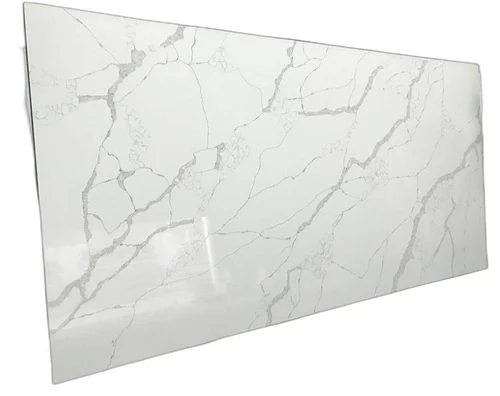
Welcome to the Tec Corp Stone Inc. Shop! Explore our extensive selection of premium stones, from elegant marble to durable granite. Whether you’re planning a renovation or a new build, find the perfect materials to elevate your space. Shop now for high-quality stones and bring your design dreams to life.
Granite countertops combine natural mineral character with reliable performance for kitchens, islands, vanities and custom stone applications. Every granite slab has its own background colour, crystalline structure and pattern movement, making each completed surface visually distinct.
TecCorp Stone offers a curated collection of granite slabs for residential and commercial projects across Toronto and the GTA. Browse the available products below to compare light, dark, warm and high-movement granite options in polished, leathered and other available finishes.
Showing all 12 results

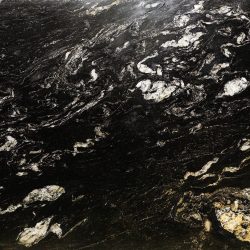

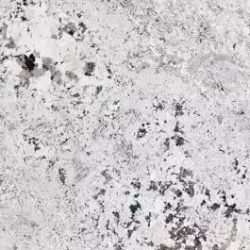

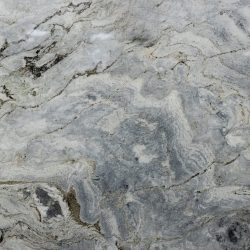
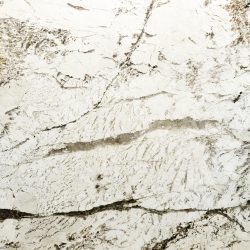
Select a granite product to review its photographs and specifications. Because granite is a natural material, the actual slab should be reviewed before final approval—particularly for large islands, directional patterns, connected countertop sections or projects requiring more than one slab. You can also explore the complete Stone Surfaces collection to compare Granite with other available materials.
Quick Selection Answer
Choose granite by reviewing the actual slab, not only a sample or product name. Confirm the background colour, pattern scale, finish, countertop dimensions, openings and likely seam locations before approving the material for fabrication.
The granite collection includes natural slabs with different colours, mineral structures and levels of movement. Some products provide a quiet, controlled background, while others are intended to become the main feature of an island, reception counter or custom stone installation.
The collection can be filtered and reviewed according to:
Product photographs provide a useful first comparison, but natural granite can vary from one slab to another. Availability, finish and the appearance of the actual slab should be confirmed before final material selection.
The product grid is intended to help narrow the collection by colour, pattern and finish. After identifying preferred options, the next step is to review how each slab can be allocated across the proposed countertop layout.
A granite that works well on a large uninterrupted island may not be the most practical option for several short perimeter sections. Similarly, a controlled dark slab may perform differently in the design than a light granite with broad directional movement.
Granite selection should begin with the intended application and finished layout. Colour is important, but it should not be evaluated separately from openings, seams, exposed edges and the size of each countertop section.
Before approving a slab, identify whether the project includes:
These components compete for material from the same slab. Adding a waterfall panel, backsplash or secondary counter after the initial layout may increase the required slab quantity or change how the strongest pattern areas can be used.
A small sample can help compare general colour and finish, but it cannot show the complete composition of natural granite.
Full-slab review helps identify:
The most visually dramatic part of the slab is not automatically the best location for a structurally demanding opening. Pattern placement and fabrication requirements should be considered together.
Projects requiring more than one slab should be evaluated as a group. Slabs sold under the same granite name may still differ in colour balance, pattern scale and mineral distribution.
When adjacent pieces will be visible within one kitchen or open-concept space, review:
Full-Slab Approval Rule
Approve the actual granite slab and its proposed layout—not only the sample, product photograph or commercial name. Natural variation is part of the material and should be incorporated intentionally.
Granite is available in a broad range of colours and pattern structures. The right option depends on whether the countertop should become the primary design feature or provide a quieter surface behind cabinetry, lighting and architectural details.
Light granite may include white, cream, soft grey, black and warm mineral details. These slabs can help create a brighter countertop composition while retaining visible natural variation.
Light granite commonly works with:
White granite should not be expected to appear completely uniform. Dark crystals, warmer deposits and changes in pattern are normal characteristics of the slab.
Black, charcoal and deep-toned granite can create a controlled architectural surface. Dark granite may provide contrast against light cabinetry or create a warmer, more layered design beside natural wood.
Dark polished granite can show fingerprints, dust, water spots and reflected lighting more clearly. A leathered or lower-sheen finish may reduce reflection, although textured surfaces can require more detailed cleaning.
Beige, brown, gold and warm-neutral granite can coordinate with wood cabinetry and traditional or transitional interiors. These colours are not automatically outdated; their success depends on undertone compatibility and the number of competing patterns in the room.
When the slab contains several warm colours, a quieter backsplash and controlled cabinet finish can prevent the completed design from feeling visually crowded.
Some granite slabs contain broad waves, linear movement or dramatic colour transitions. These patterns may work particularly well on large islands and feature counters where the composition can remain visible.
Directional granite requires careful planning around:
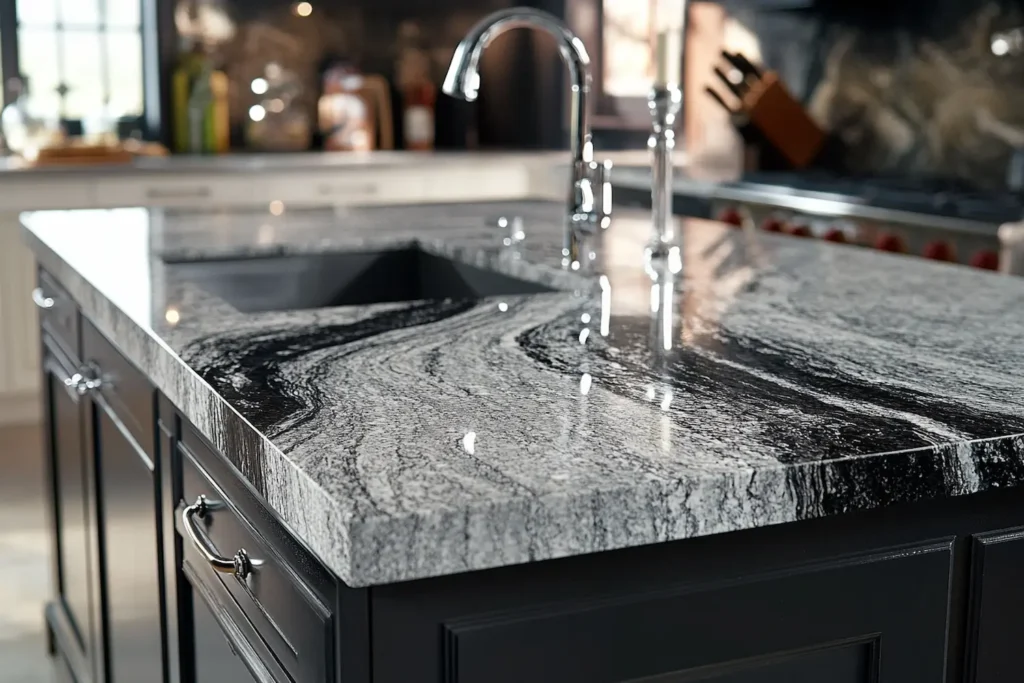
The granite finish affects colour depth, surface texture, light reflection and routine care. Finish availability varies by product and should be confirmed for the actual slab.
Polished granite has a smooth, reflective surface that strengthens colour and mineral contrast. It is widely used for kitchen countertops, islands, vanities and commercial counters.
The smooth surface is straightforward to wipe with suitable products, although dark polished granite may show fingerprints, cleaner residue and hard-water marks more clearly.
Leathered granite has a textured, lower-sheen appearance that can emphasize the natural structure of black, charcoal and strongly patterned slabs.
The texture may conceal some reflections and fingerprints, but food residue, oils and spills can require more detailed cleaning than on a smooth polished surface.
Honed granite has a matte or low-reflectivity finish. It may suit contemporary and understated interiors where a softer appearance is preferred.
Some honed surfaces can display oils, fingerprints or uneven cleaning more visibly. The selected slab should be reviewed under realistic lighting before the finish is approved.
| Granite Finish | Appearance | Main Consideration |
|---|---|---|
| Polished | Smooth, reflective and colour-rich | Dark slabs may show streaks and fingerprints |
| Leathered | Textured, architectural and lower-sheen | Texture may require more detailed cleaning |
| Honed | Matte, soft and understated | Oils and uneven marks may be more visible |
Finish Selection Rule
Choose the finish according to the actual slab, lighting, application and cleaning expectations. Matte or textured granite is not automatically easier to maintain than a polished surface.
Granite can be fabricated for several residential and commercial applications, but the slab, finish and detailing should be selected according to the function of each surface.
A kitchen island requires different pattern planning and structural support than a bathroom vanity or reception counter. The material should therefore be evaluated as part of the complete project rather than approved only by colour.
Granite is commonly used across perimeter cabinets for preparation, cooking and cleaning zones. Its natural pattern can provide visual depth while concealing some crumbs, water marks and minor daily residue more effectively than a highly uniform surface.
Perimeter planning should account for:
Granite pieces should be arranged so that pattern changes remain controlled across connected sections. A strongly directional slab may require more planning than a quieter crystalline pattern.
Granite may also be used for:
The exact stone and installation system should be reviewed for the intended application. Exterior use, heat exposure and structural conditions should not be assumed from the material name alone.
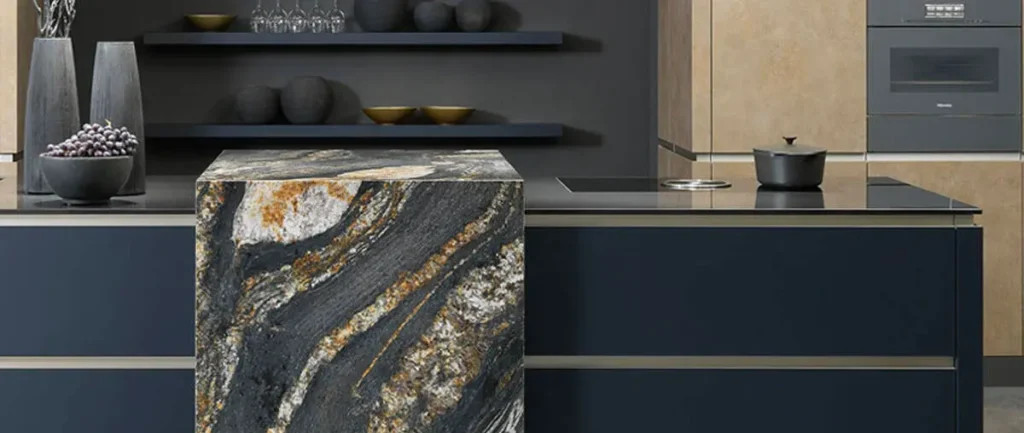
A large island can display the movement and mineral structure of granite more clearly than several smaller countertop sections. It can also introduce additional fabrication and installation requirements.
A one-piece granite island depends on:
A slab may be large enough to contain the island, but the fabricated piece may still be too heavy or difficult to move safely through entrances, stairs or interior turns.
When a seam is necessary, it should be integrated into the slab layout before fabrication rather than added as a last-minute installation solution.
Determine whether the island is primarily intended for:
An island may support several functions, but adding too many openings can divide the granite into narrow sections and reduce useful work surface.
Overhang support depends on the granite thickness, projection, cabinet construction, seam locations and nearby openings.
Concealed steel support or brackets may be required. Reinforcement should be planned before final measurement and should not rely on assumptions based only on the stone thickness.
A waterfall panel extends the countertop material vertically down one or both sides of the island. Granite waterfall designs require coordination of:
Perfect vein continuation may not be possible with every granite pattern. The proposed layout should be reviewed before the slab is cut.
Explore TecCorp Stone’s kitchen island countertop service when the project includes seating overhangs, fixture openings, waterfall panels or an oversized surface.
Granite can provide a durable natural surface for bathroom vanities when sink openings, faucet holes and cabinet support are coordinated correctly.
Vanity planning should confirm:
Water exposure does not eliminate the need for prompt cleaning or suitable sealant around fixtures and wall connections.
Review the vanity countertop service for bathroom measurement, fabrication and installation planning.
Granite may work well in reception areas, boardrooms, hospitality counters and selected staff facilities where a natural feature surface is appropriate.
Commercial projects should also consider:
Where exact matching across several offices or future phases is essential, a manufactured surface may provide greater consistency.
Granite generally provides strong everyday performance, but its durability should be described accurately. It is not completely resistant to every form of heat, impact or staining.
The stone itself generally tolerates kitchen heat well. Trivets are still recommended beneath hot cookware because the complete countertop also contains:
Trivets also reduce the risk associated with sudden or concentrated temperature changes.
Granite typically resists routine scratching better than many softer surfaces. Cutting directly on the stone is still discouraged because it can damage knives and may eventually affect the finish.
Cutting boards also help contain food residue and reduce repeated contact with the countertop.
Granite does not dent like metal, but concentrated impact can chip:
Simple edges, stable cabinets and professionally fabricated openings reduce avoidable risk.
Granite absorption varies by slab and finish. Spills containing oil, coffee, wine or strong colour should be removed promptly even when the surface has been sealed.
Sealing may reduce absorption, but it does not make granite completely stain-proof.
| Performance Area | Typical Granite Performance | Recommended Practice |
|---|---|---|
| Heat | Strong surface tolerance | Use trivets near cooking zones |
| Routine scratching | Generally strong resistance | Use cutting boards |
| Impact | Dense but vulnerable at edges | Protect corners and openings |
| Staining | Depends on slab absorption | Clean spills promptly and assess sealing individually |
Common practical granite edge profiles include:
Decorative profiles may still suit formal interiors, but projecting details can be more exposed to impact and may require more detailed cleaning.
Seams may be required because of slab size, countertop geometry, access or handling limitations.
Seam planning should consider:
A professional seam can be tight and visually controlled, but it should not be expected to disappear completely.
The exact sink and cooktop models should be finalized before measurement and fabrication. Their dimensions affect remaining stone width, support and seam strategy.
Heavy undermount sinks require independent support and should not rely solely on adhesive connected to the granite.
Fabrication Detail Rule
Edges, seams and openings should be planned as part of the slab layout. They should not be treated as minor details after the granite has already been selected.
Accurate fabrication begins with stable cabinets, confirmed fixtures and final project dimensions.
Before measurement:
Changes made after measurement may affect dimensions, openings, seams and material quantity.
For directional or strongly patterned granite, review which slab area will be used for:
Fabrication planning should balance appearance, structural conditions and safe handling.
Large granite pieces may be limited by doorways, elevators, stairs, hallway turns and space inside the room.
A seam may be necessary even when the slab is technically large enough to contain the complete surface.
Review TecCorp Stone’s countertop survey and measurement service for site verification, layout coordination and fabrication planning.
Granite is generally straightforward to maintain when the cleaning method is appropriate for natural stone and the sealing need is assessed according to the actual slab.
Routine care should protect the original finish rather than rely on wax, oil or polishing products that leave a temporary coating.
For regular cleaning:
Dark polished granite may show water spots, fingerprints and soap film more readily than lighter or strongly patterned slabs. Drying the countertop is particularly useful around sinks, faucets and beverage areas.
Unless specifically approved for the selected granite and its treatment, avoid:
A strong cleaner should not be used simply because a mark remains. The condition may be absorbed staining, mineral residue, finish damage or a chip rather than removable dirt.
Some granite slabs may benefit from a suitable penetrating sealer, while low-absorbing or previously treated granite may require little or no additional treatment.
The need depends on:
There is no universal annual sealing schedule for all granite countertops.
A suitable penetrating sealer may reduce liquid absorption and provide additional time to clean certain spills.
Sealer does not:
Applying unnecessary or incompatible sealer may leave haze, streaks or an uneven appearance.
For stain, cleaner and disinfectant guidance, review TecCorp Stone’s stone countertop cleaning guide.
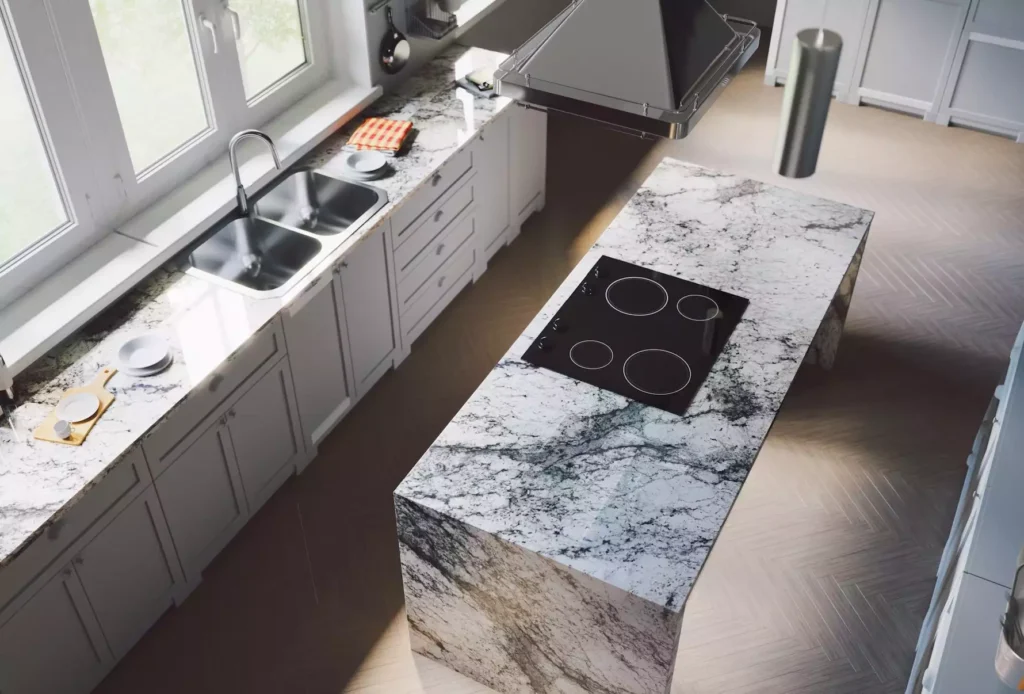
Granite is one of several suitable countertop materials. The best choice depends on whether the project prioritizes natural variation, predictable patterning, maintenance, heat performance or a specific architectural detail.
This section provides only a short selection overview. Detailed material comparisons should be reviewed in the relevant comparison guides.
| Material | Primary Character | Main Selection Consideration |
|---|---|---|
| Granite | Natural mineral variation and strong heat performance | Full-slab review and slab-specific sealing assessment |
| Quartz | Controlled manufactured patterns and no routine sealing | Protection from concentrated heat and manufacturer-specific care |
| Quartzite | Natural movement that may resemble marble | Actual slab identity, absorption and fabrication requirements |
| Marble | Natural veining and visible patina | Sensitivity to acid-related etching |
| Porcelain | Thin profiles and coordinated vertical applications | Specialized fabrication, handling and exposed-edge planning |
Granite may be the stronger choice when the project benefits from:
Quartz or porcelain may deserve consideration when a project requires highly controlled colours across several rooms, branches or future phases.
Browse the complete Stone Surfaces collection to compare Granite with Quartz, Marble, Quartzite, Porcelain and other available materials.
A granite quotation is based on more than the slab’s square-foot price. The complete layout determines material use, fabrication time and installation requirements.
The measured countertop area does not always equal the amount of granite that must be purchased.
Slab yield can be affected by:
Two quotations may not include identical work. Confirm whether each quote includes:
Plumbing, electrical and appliance services should not be assumed unless they are identified in the written scope.
For a detailed explanation of Granite pricing, review the granite countertop cost guide.
Yes. Granite generally provides strong heat tolerance, good resistance to routine scratching and a durable natural surface. Edges, cut-outs and unsupported sections still require careful fabrication and installation.
No. Sealing needs vary according to slab absorption, finish and existing treatment. Some granite may benefit from sealer, while other slabs may require little or no additional treatment.
Exact matching cannot be guaranteed because granite is natural. Slabs intended for the same project should be reviewed together before fabrication.
Polished granite provides a smooth reflective surface. Honed and leathered finishes offer lower-sheen alternatives. The best option depends on the actual slab, kitchen design and cleaning expectations.
Yes, provided slab dimensions, openings, seams, overhang support and delivery access are planned correctly.
Granite has strong surface-heat tolerance, but trivets are recommended to protect seams, sealants, treatments and nearby cabinetry.
No. Granite generally resists routine scratching well, but it should not be described as scratch-proof. Cutting boards remain recommended.
Yes. Exposed corners, decorative edges and areas around sink or cooktop openings can chip under concentrated impact.
Selected granite may be suitable for exterior applications, but the exact stone, finish, installation system, drainage and freeze-and-thaw exposure must be evaluated before approval.
TecCorp Stone provides countertop measurement, custom fabrication and installation services for residential and commercial projects across Toronto and the GTA.
Browse the granite products on this page and identify the colours, patterns and finishes that suit your project. For a more accurate quotation, provide the countertop layout, approximate dimensions, project location, sink and appliance details, edge preferences and any island or waterfall requirements.
The selected slab, fabrication layout and installation conditions should be confirmed before cabinets, backsplash materials or surrounding finishes are finalized.
Planning a Granite Countertop Project?
Compare available slabs and request a fabrication and installation quote based on your confirmed layout and project requirements.

At Tec Corp Stone Inc., we pride ourselves on delivering exceptional craftsmanship and unmatched quality. With years of experience in stone fabrication, our dedicated team ensures every project is executed with precision and care. We offer personalized service, innovative solutions, and a commitment to customer satisfaction. Choose us for your stone needs and experience the Tec Corp Stone Inc. difference.