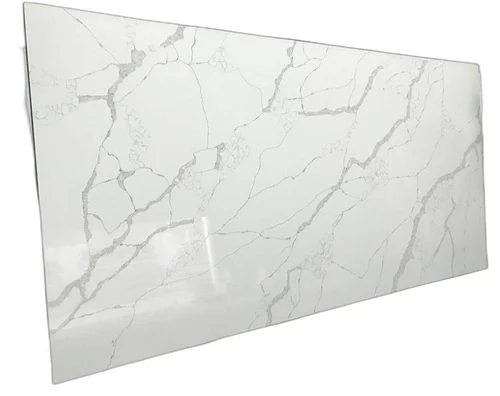
Welcome to the Tec Corp Stone Inc. Shop! Explore our extensive selection of premium stones, from elegant marble to durable granite. Whether you’re planning a renovation or a new build, find the perfect materials to elevate your space. Shop now for high-quality stones and bring your design dreams to life.
Stone surfaces in Toronto are available in a wide range of natural, engineered and manufactured materials for kitchens, bathrooms, commercial interiors, fireplaces and custom architectural features. Each material offers a different balance of appearance, maintenance, heat response, surface wear and fabrication requirements.
TecCorp Stone provides access to quartz, granite, marble, quartzite, porcelain, soapstone and onyx surfaces for projects across Toronto and the GTA. The right choice depends on where the material will be installed, how the surface will be used and which visual characteristics are most important to the project.
Showing 1–12 of 258 results









Before selecting a slab or product, consider exposure to food, water, heat, sunlight, cleaning products and impact. Material names provide a useful starting point, but final approval should be based on the exact slab or manufactured product, its specifications and the planned installation details.
The seven material categories in this collection are not interchangeable. Some provide consistent manufactured patterns, while others offer natural slab variation. Certain materials tolerate ordinary kitchen heat more effectively, while others are selected primarily for decorative impact or low surface absorption.
| Material | Surface Type | Primary Design Advantage | Main Planning Consideration |
|---|---|---|---|
| Quartz | Engineered surface | Consistent patterns and straightforward routine care | Heat and exterior-use limitations vary by product |
| Granite | Natural stone | Natural variation and practical kitchen performance | Absorption, fissures and sealing vary by slab |
| Marble | Natural stone | Distinctive veining and architectural character | Etching, scratching and finish changes |
| Quartzite | Natural stone | Natural patterns with material-specific hardness | Slab identity, absorption and fissures require verification |
| Porcelain | Manufactured ceramic surface | Low absorption and controlled pattern options | Edges, impact points and specialized fabrication |
| Soapstone | Natural stone | Low absorption and a natural matte appearance | Softer surface, scratching and gradual patina |
| Onyx | Natural stone | Translucency and dramatic decorative movement | Sensitivity, support and lower-wear applications |
This comparison provides general direction only. Final material selection should be based on the complete slab or product, the intended application and the manufacturer or fabricator requirements.

Each material category offers a distinct combination of visual character and performance. The summaries below provide an initial comparison and connect to the dedicated Category where available products and more detailed information can be reviewed.
Quartz surfaces are engineered from mineral content, pigments and binding materials. They are available in controlled colours and patterns ranging from subtle solids to designs influenced by marble and natural stone.
Quartz is commonly selected for indoor kitchens, islands, vanities and commercial counters where consistent appearance and straightforward routine cleaning are priorities. It does not normally require sealing, but heat-producing appliances, hot cookware and sunlight exposure must be managed according to the exact product specifications.
Granite is a natural stone available in a wide range of colours, mineral structures and pattern scales. Each slab should be reviewed individually because movement, fissures, absorption and finish can vary considerably.
Suitable granite is commonly used for kitchen countertops, islands, fireplaces and selected exterior applications. Some slabs may benefit from sealing, while others have lower absorption. The recommendation should be based on the actual granite rather than one universal maintenance schedule.
Marble is valued for its veining, depth and long architectural history. It is frequently considered for statement islands, vanities, fireplace surrounds, walls and other visually prominent features.
Marble can etch when exposed to acids and may develop scratches, staining or finish changes through use. Sealing may help manage absorption but does not prevent chemical etching. It is most suitable when the owner accepts the material’s natural aging characteristics.
Quartzite is a natural stone often selected for its crystalline appearance and dramatic slab movement. Its properties vary, so the exact material identity and slab characteristics should be confirmed before selection.
Quartzite may suit kitchens, islands, vanities and feature installations when its absorption, fissures, finish and fabrication requirements align with the project. Material names used in the market should not replace examination of the actual slab.
Porcelain slabs are manufactured ceramic surfaces rather than engineered stone. Suitable products can provide low water absorption, controlled patterns and large-format design options.
Porcelain may be used for countertops, vanities, walls, fireplace features and selected exterior projects when the exact product is approved for the application. Fabrication requires attention to slab thickness, internal corners, exposed edges, cutouts, support and protection from concentrated impact.
Soapstone is a natural stone known for its low absorption, matte appearance and gradual patina. It may be selected for kitchens, fireplaces and projects where visible aging is considered part of the design.
Soapstone is softer than many granite and quartzite slabs. Scratches, edge wear and surface marks should therefore be expected. Some owners use mineral oil to darken or even out its appearance, but oiling should not be described as sealing or waterproofing.
Onyx is commonly chosen for decorative installations where translucency, colour variation and backlighting can become central design features.
It is generally better suited to feature walls, reception areas, fireplace elements, bars and other controlled or lower-wear applications than to heavily used preparation surfaces. Support, slab condition, lighting, seams and installation access require careful planning.
Material Selection Rule
Use the material category to create a shortlist, then approve the exact slab or manufactured product according to its application, exposure, maintenance and fabrication requirements.
The next section explains the differences between natural stone, engineered quartz and porcelain, followed by material selection for kitchens, bathrooms, commercial spaces, fireplaces and outdoor applications.
Stone surfaces are often grouped together because they share similar architectural applications, but their composition and performance can be very different. Natural stone, engineered quartz and porcelain should therefore be evaluated as separate material families rather than treated as interchangeable products.
Granite, marble, quartzite, soapstone and onyx are natural stones extracted from quarried material and fabricated into slabs or architectural components. Each slab contains its own mineral structure, colour variation, veins, fissures and surface characteristics.
Natural variation is one of the main reasons these materials are selected, but it also means that performance cannot be determined by the material name alone. Before fabrication, the actual slab should be reviewed for:
Granite and quartzite are commonly evaluated for working surfaces, while marble, onyx and selected other stones may be chosen where decorative character is a major priority.
Soapstone offers a different surface experience because it has relatively low absorption but is softer than many granite and quartzite slabs. Scratching and gradual patina should be considered part of the material decision.
Engineered quartz is manufactured using mineral content, pigments and binding materials. Its controlled production allows manufacturers to create consistent colours, repeated patterns and designs inspired by marble, concrete or natural stone.
Quartz countertops are commonly selected for indoor kitchens, islands, vanities and commercial counters because routine care is generally straightforward and sealing is not normally required.
However, engineered quartz should not be described as heatproof, scratch-proof or automatically suitable outdoors. Product-specific considerations include:
Exterior installation should only be considered when the manufacturer explicitly approves the exact quartz product for the intended outdoor environment.
Porcelain is a manufactured ceramic surface rather than engineered stone. Large-format porcelain slabs can provide low water absorption, controlled patterning and coordinated horizontal and vertical applications.
Suitable products may be used for countertops, vanities, wall panels, fireplace features and selected exterior surfaces. Final approval should consider:
Porcelain’s low absorption is useful in many applications, but it does not make the entire countertop, seam, sink opening or supporting structure waterproof.
Surface Classification Rule
Natural stone is quarried, engineered quartz contains mineral and binding components, and porcelain is a manufactured ceramic surface. Each category requires different product, fabrication and maintenance considerations.
The best material depends on the actual location and expected use. A surface selected for a busy kitchen may not be the same material chosen for a fireplace wall, bathroom vanity or exterior cooking area.
Kitchen countertops are exposed to food, water, cleaning products, cookware, appliances and repeated daily contact.
Possible material directions include:
Large islands also require early planning for slab dimensions, seams, overhang support, cooktops, sinks and delivery access.
Vanity countertops are exposed to water, cosmetics, soaps and personal-care products. Surface selection should consider staining, etching, cleaning and the relationship between the sink, faucet and backsplash.
Quartz, granite, marble, quartzite and porcelain may all be considered for suitable vanity projects. Marble can react to acidic products, while natural stones may have material-specific sealing requirements.
For shower walls, benches and other wet-area components, the stone or porcelain is a finish within a complete waterproofed assembly. The surface itself should not be treated as the waterproofing system.
Stone surfaces can be fabricated for fireplace surrounds, feature walls, reception desks, bar fronts and other architectural applications where colour, pattern and visual scale are important.
Marble, onyx, porcelain, granite and quartzite may provide strong decorative options. Quartz or other manufactured products should only be used where their product documentation and the fireplace or appliance requirements permit the intended exposure.
Projects involving heat-producing appliances should follow the required clearances, substrate details and installation instructions. A material’s general heat tolerance does not replace proper fireplace construction.
Custom applications may be coordinated through TecCorp Stone’s fireplace stone work and architectural fabrication services.
Commercial counters and architectural surfaces may experience frequent cleaning, concentrated traffic, equipment loads and repeated contact with customers or staff.
Material selection should reflect the specific business environment rather than the broad label “commercial use.” A reception desk, restaurant service counter, healthcare surface and retail display can have different requirements.
Planning may need to address:
Commercial projects can be reviewed through TecCorp Stone’s commercial stone services.
Outdoor stone surfaces must withstand a different combination of water, sunlight, freezing temperatures, heat-producing appliances and seasonal movement.
Suitable granite and exterior-approved porcelain are commonly among the clearest material directions. Soapstone may also suit selected projects where its softer surface and patina are acceptable.
Engineered quartz should not be assumed suitable outdoors, and marble may develop visible weathering, etching or finish changes. Exterior selection should consider:
For a detailed exterior comparison, review the guide to outdoor countertop materials.
Maintenance should be based on the installed material and application. Broad statements such as “maintenance-free,” “stain-proof” or “scratch-proof” should not be applied to an entire stone category.
Staining occurs when a substance is absorbed or retained by the surface. Etching is a chemical reaction that changes the finish, particularly on calcium-based stones such as marble.
Sealing may help reduce absorption in selected natural stones, but it does not prevent etching, scratching or impact damage. Quartz and porcelain generally have lower routine sealing requirements, although joints, edges and installed components still need care.
Natural stone, porcelain and engineered quartz respond differently to heat and sunlight. Hot cookware, countertop appliances and exterior UV exposure should be reviewed according to the exact product.
Trivets and heat protection remain advisable even when the material has practical heat tolerance. Exterior applications also require attention to sealants, supporting structures and drainage—not only the surface slab.
No countertop surface is immune to physical damage. Softer stones can show scratches more readily, while harder or thinner products may remain vulnerable at edges, corners and cutouts.
Risk can be influenced by:
Sealing requirements vary between materials and even between slabs of the same stone type. Granite, marble and quartzite should not all receive one universal sealing schedule.
Routine care should include:
Performance Comparison Rule
Compare how the exact slab or product responds to the intended use. No single stone surface leads every category of maintenance, heat response, impact resistance and appearance.
The final section explains slab selection, pattern layout, seams, edge profiles, measurement, fabrication and how to choose the appropriate stone surface for different project priorities.
Material selection is only the first stage of a stone-surface project. The exact slab or manufactured product must also work with the room dimensions, cabinet layout, sink and appliance openings, edge design, support system and installation route.
Two projects using the same material category can require very different fabrication plans. A compact vanity top, a large kitchen island, a porcelain fireplace wall and an exterior granite counter should not be measured or fabricated using one standard approach.
Natural stone should be approved from the actual slab whenever possible. Small samples can indicate general colour and finish, but they may not show the full movement, veining, fissures or variation present across a complete slab.
Slab review should consider:
Engineered quartz and porcelain provide more controlled designs, but the exact product still matters. Different collections may have separate requirements for thickness, cutouts, edge profiles, overhangs, heat exposure and exterior use.
Product names, catalogue images and small samples should therefore be confirmed against current slab or product information before fabrication begins.
Sinks, cooktops, faucets, outlets and other openings remove material from the surface and can create narrow sections that require additional planning.
The fabrication layout should account for:
The sink and major appliances should normally be finalized before countertop measurement. Changing models after templating may require revised openings or a different seam and support strategy.
Seams may be necessary because of slab dimensions, room geometry, access restrictions or the position of openings. Their placement should balance structural support, pattern alignment, visibility and installation practicality.
Edge profiles influence appearance, comfort, impact exposure and fabrication complexity. Available options depend on the selected material, slab thickness and project design.
Common directions include:
A mitred or laminated edge can create a thicker visual profile, but it does not automatically increase structural capacity. Overhangs, narrow rails and unsupported sections still require appropriate reinforcement or support.
Porcelain edges require particular attention because the printed design may not continue through the full slab body. The appearance of exposed edges and mitred returns should be approved before production.
Fabricated stone pieces must be transported from the workshop to the final installation area without unsafe bending, impact or excessive handling.
Before final piece sizes are approved, confirm:
A planned seam can be more practical than fabricating one oversized section that cannot be transported or installed safely.
The supporting cabinets, walls, masonry or frames should be level, stable and sufficiently complete before final measurement. A stone surface should not be expected to correct movement or major irregularities in the underlying construction.
TecCorp Stone’s countertop survey and measurement service can coordinate site conditions, openings and installation access before fabrication.
Fabrication Planning Rule
Finalize the material, sink, appliances, support and installation route before fabrication. Stone selection cannot be separated from the way the finished pieces will be cut, transported and installed.
The most suitable surface is the material that matches the project’s actual use, maintenance expectations, design priorities and installation conditions. No single option leads every category of appearance, durability, heat response, maintenance and cost.
A frequently used kitchen generally benefits from a surface that aligns with the household’s cleaning habits, cookware, appliances and tolerance for visible wear.
Common directions may include:
Marble can also be used in kitchens, but owners should understand that acids, food preparation and daily contact may produce etching and finish changes.
Statement surfaces are often selected for pattern scale, translucency, veining and visual impact rather than minimum maintenance alone.
Possible options include:
Large islands require careful slab layout because seams, cooktop openings and waterfall panels can interrupt the intended pattern. Slab availability and installation access should be reviewed before the final design is approved.
Engineered quartz and suitable porcelain are commonly shortlisted when sealing requirements and routine surface care are major priorities.
However, lower maintenance does not mean damage-proof. Quartz still requires heat protection, while porcelain edges and corners require protection from concentrated impact. Seams, joints, sinks and supporting components also remain part of the maintenance plan.
Outdoor material selection should begin with documented exterior suitability, water absorption, sunlight exposure and freeze-thaw conditions.
Suitable granite and exterior-approved porcelain are commonly strong directions. Soapstone may also work for projects where its softer surface and evolving patina are acceptable.
Engineered quartz should only be used outdoors when the exact manufacturer and product explicitly permit the application. Standard indoor quartz should not be approved based on appearance or roof coverage alone.
Exterior projects should also address drainage, appliance clearances, supporting structures and seasonal maintenance. Review the complete outdoor countertop materials guide for a detailed comparison.
| Project Priority | Possible Starting Point | Confirm Before Selection |
|---|---|---|
| Consistent indoor design | Quartz or porcelain | Heat guidance, edges and product specifications |
| Natural slab variation | Granite, marble or quartzite | Actual slab, absorption, fissures and maintenance |
| Decorative translucency | Onyx | Support, lighting, seams and intended wear level |
| Natural patina | Soapstone | Scratching, edge wear and appearance changes |
| Exterior application | Suitable granite or exterior-rated porcelain | Exposure, drainage, support and exterior approval |
Stone surfaces include natural stones such as granite, marble, quartzite, soapstone and onyx, as well as countertop materials such as engineered quartz and porcelain slabs.
Engineered quartz and granite are commonly considered, but popularity does not determine the best material for every kitchen. Maintenance, heat exposure, appearance and slab or product specifications should guide the choice.
Quartz is an engineered surface made with mineral content and binders. Quartzite is a natural stone quarried in slabs. Their appearance, maintenance, heat response and fabrication requirements differ.
No. Porcelain is a manufactured ceramic surface. It differs from engineered quartz in composition, slab construction, edge treatment and fabrication methods.
Maintenance varies by slab and application. Soapstone has relatively low absorption but scratches and develops patina. Some granite slabs also have low absorption, while marble generally requires greater acceptance of etching and surface change.
Some slabs may benefit from sealing, while others have lower absorption. The recommendation should be based on the exact installed stone rather than a universal schedule.
Yes, when the owner accepts that acids, food preparation and daily use may produce etching, scratching, staining or finish changes.
Only when the manufacturer explicitly approves the exact product for the intended exterior application. Standard indoor quartz should not be assumed suitable outdoors.
Suitable granite and exterior-rated porcelain are commonly considered. Soapstone may also work for selected projects. Final approval depends on exposure, water absorption, drainage and installation requirements.
Soapstone is generally softer, has relatively low absorption and develops visible scratches and patina. Granite is typically harder but varies considerably in absorption, fissures and appearance between slabs.
Onyx is generally better suited to decorative and lower-wear applications because it requires careful support and is more sensitive than common working-surface materials.
The material direction, sink and appliances should be finalized before measurement. Natural slab selection and layout should also be completed before fabrication so pattern placement and seams can be coordinated.
The right stone surface depends on how the space will be used, which appearance is preferred and how much maintenance or natural surface change is acceptable.
Compare the dedicated material categories, review the exact slab or manufactured product and coordinate sinks, appliances, edges, seams and installation access before fabrication.
Compare Stone Surfaces for Your Project
Review material performance, full-slab appearance, fabrication requirements and installation conditions before making the final selection.

At Tec Corp Stone Inc., we pride ourselves on delivering exceptional craftsmanship and unmatched quality. With years of experience in stone fabrication, our dedicated team ensures every project is executed with precision and care. We offer personalized service, innovative solutions, and a commitment to customer satisfaction. Choose us for your stone needs and experience the Tec Corp Stone Inc. difference.