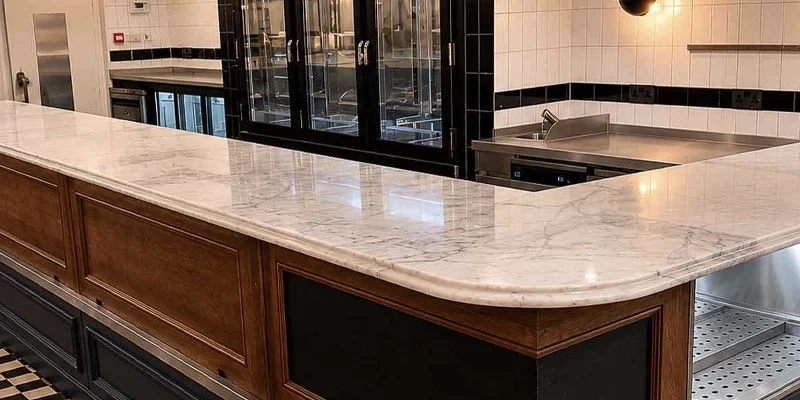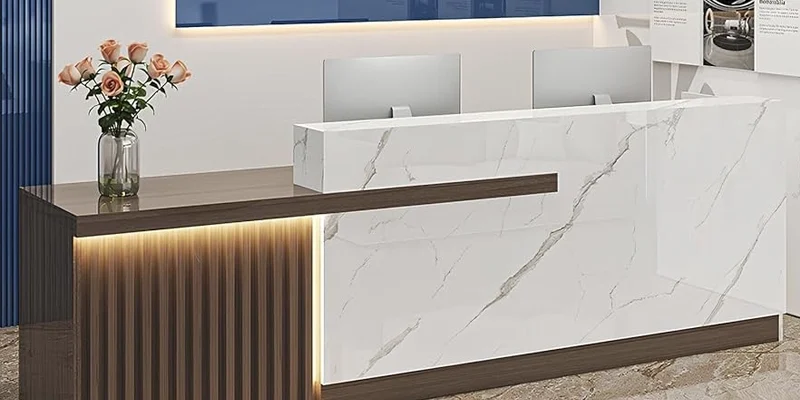
Custom stone stairs in Toronto can transform an ordinary staircase into a durable architectural feature when the material, stair geometry, fabrication details and surrounding finishes are planned together. Teccorp Stone provides custom-fabricated stone treads, risers and landings for residential and commercial stair projects across Toronto and the GTA. Projects can include interior staircases, entrance stairs, exterior steps, new construction and selected renovation applications. Each project is developed around the actual stair dimensions, selected material and required edge or landing details
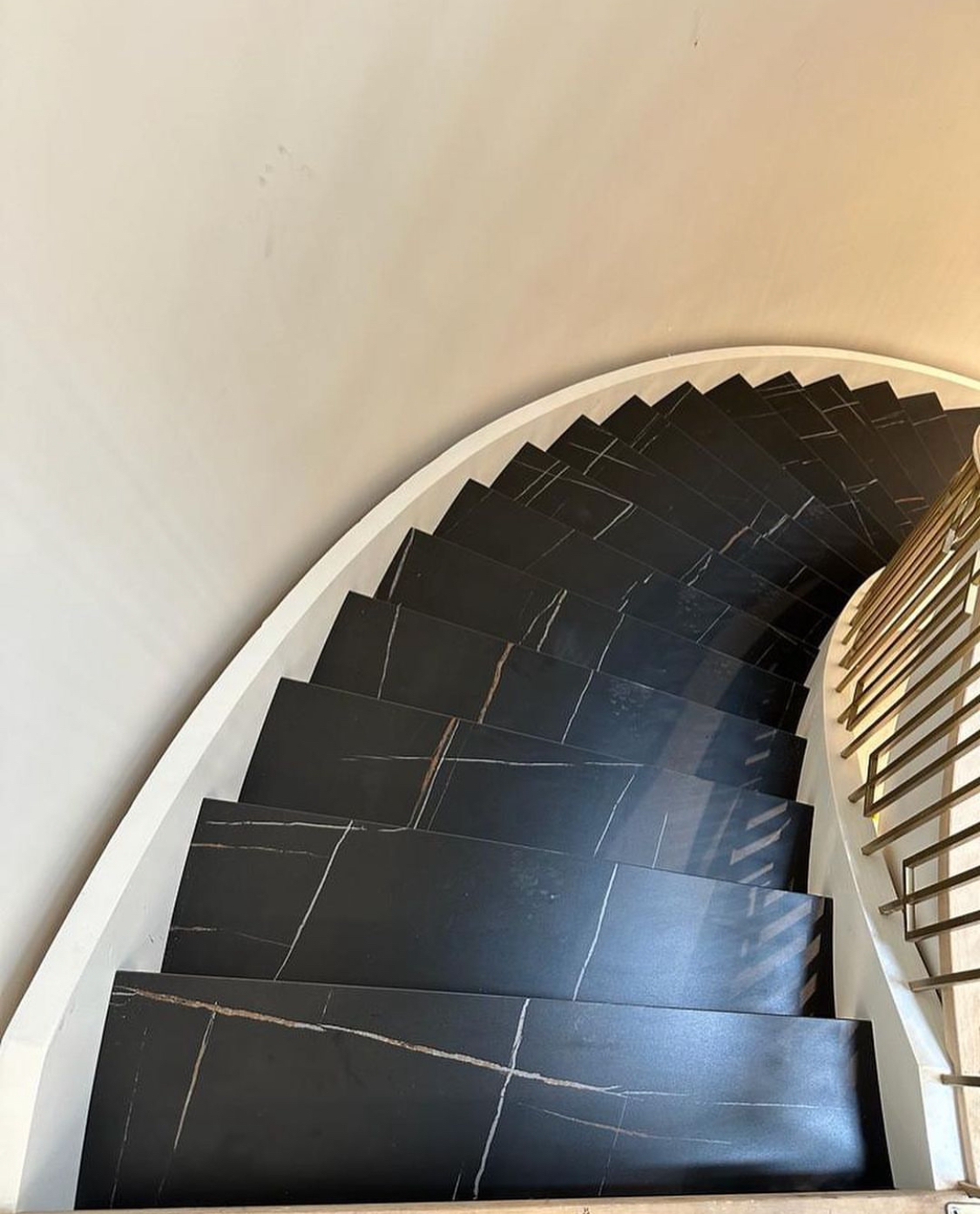
Custom stone stairs in Toronto can transform an ordinary staircase into a durable architectural feature when the material, stair geometry, fabrication details and surrounding finishes are planned together. Teccorp Stone provides custom-fabricated stone treads, risers and landings for residential and commercial stair projects across Toronto and the GTA.
Projects can include interior staircases, entrance stairs, exterior steps, new construction and selected renovation applications. Each project is developed around the actual stair dimensions, selected material and required edge or landing details rather than relying on standard-sized stone components.
Stone Stair Project Scope
Stone treads, risers and landings are fabricated around the approved supporting staircase and verified site conditions. Structural stair construction, engineering, railing work and other related trades should be confirmed separately where they are required.
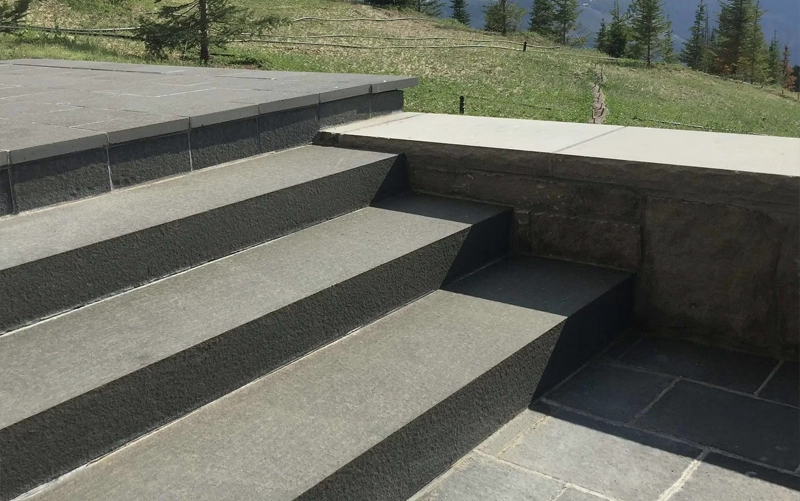
Stone stair projects range from a set of fabricated treads over an existing staircase to a complete visible finish incorporating treads, risers and landings. The appropriate scope depends on the supporting stair, design intent and conditions at the site.
Teccorp Stone works with custom stone components for projects such as:
The staircase should be sufficiently established before final fabrication measurements are approved. Where existing structures require significant repair, alteration or engineering, those requirements should be resolved independently from the decorative stone finish.
A custom stone staircase may include several types of fabricated components. Defining these components early helps establish both the visual design and the project scope.
Treads form the main horizontal walking surfaces of the staircase. They can be fabricated to suit the verified width, depth, edge condition and layout of each step rather than assuming every tread has identical dimensions.
Risers create the vertical face between treads. They may match the tread material for a continuous stone appearance or form part of a contrasting design using another coordinated surface.
Top and intermediate landings often require larger fabricated pieces and dedicated pattern planning. They should be considered with the staircase from the beginning rather than treated as separate flooring areas.
Open-sided stairs, visible landings and certain railing layouts can expose additional stone edges. These conditions may require finished ends, returns or other fabricated details that should be identified before production.
The same stone category should not automatically be specified for every environment. Interior and exterior stair components may require different products, surface finishes and performance considerations.
For a detailed comparison of granite, marble, quartzite, porcelain and other options, review Teccorp’s best materials for stone stairs guide.
Interior stone stairs can function as a quiet continuation of the surrounding flooring or become a major architectural feature within a foyer, hallway or open-concept living space.
Interior projects may include:
Open and enclosed staircases require different visual planning. Open stairs reveal more of the tread edges, side conditions and railing system, while enclosed stairs place greater emphasis on tread and riser relationships, wall finishes and lighting.
Material selection should also reflect how the stairs will actually be used. Foot traffic, surface finish, maintenance expectations and adjacent flooring should be considered alongside colour and veining.
For inspiration on tread and riser combinations, railings, landings, veining and material coordination, explore Teccorp’s stone stair design ideas.
Exterior stone stairs can be used at front entrances, porches, landscape transitions and other outdoor areas where the stair needs to coordinate with the architecture and surrounding hardscape.
Outdoor projects require a different level of planning from protected interior stairs. The exact material, surface finish, supporting conditions and exposure should be reviewed for the intended application rather than assuming that an interior stair specification can be used outside without modification.
Exterior stone stair projects may include:
Material selection should consider the exact product and finish together with moisture, winter exposure and the surrounding stair assembly. Drainage or structural issues should be addressed as part of the appropriate project scope rather than concealed beneath a new stone finish.
For detailed exterior planning, including material selection, surface finish, drainage, freeze-thaw exposure and winter considerations, review Teccorp’s outdoor stone steps and stairs guide.
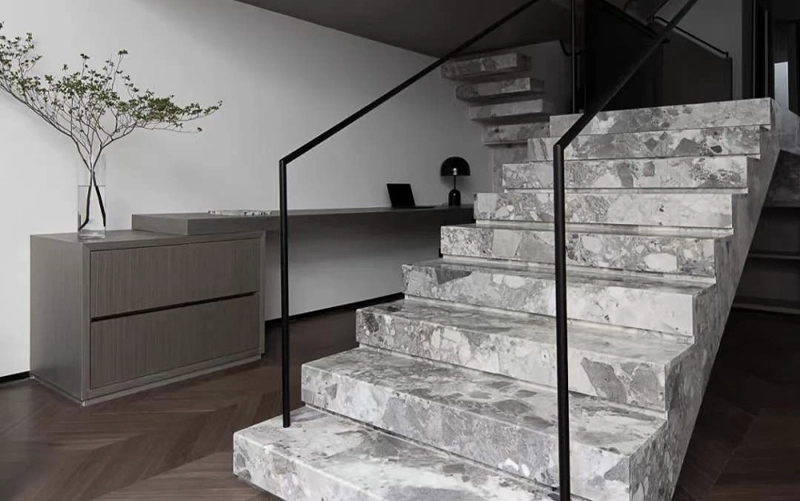
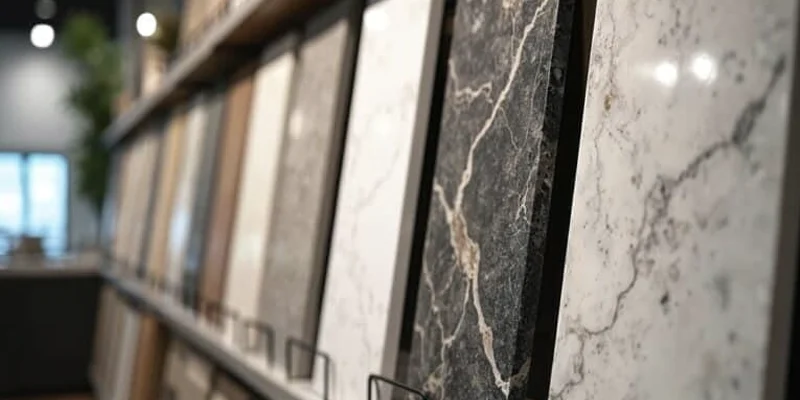
Stone stairs can be fabricated from a range of natural and manufactured surfaces, but material selection should be based on the actual stair application rather than appearance alone.
Common options can include:
Many granite products are considered for interior and exterior stair applications because of their potential wear and weathering characteristics. The exact stone and surface finish should still be reviewed for the project.
Marble can create highly expressive interior staircases through natural veining and colour variation. Traffic, finish, maintenance and exposure should be considered before selection.
Quartzite can combine natural pattern with potentially strong physical characteristics, but the actual supplied stone, finish and intended environment should be reviewed rather than relying on the commercial name alone.
Selected porcelain products can offer controlled pattern and textured finishes for approved stair applications. Interior or exterior suitability should be confirmed for the exact product and system.
Engineered quartz may be considered for selected interior stair applications where the manufacturer approves the intended horizontal use. Countertop approval alone should not be assumed to establish stair suitability.
Material performance, maintenance requirements and interior-versus-exterior suitability are covered in more detail in Teccorp’s best materials for stone stairs guide.
Material Selection: Choose the exact stone or manufactured product together with its finish and intended application. A material category alone does not determine traction, exterior suitability, maintenance or long-term performance.
Custom stone stair projects move through a series of coordinated stages. The objective is to establish the project conditions before stone components are fabricated to final dimensions.
The first stage defines the stair type, project location, existing conditions, desired stone coverage and whether the work involves new construction or an existing staircase.
The material, surface finish, tread and riser relationship, landing treatment and visible edge details are selected around the intended application and overall design.
Final fabrication dimensions should reflect sufficiently established stair conditions. Treads, risers, landings, exposed ends and relevant surrounding conditions are documented before production.
Components are fabricated from the approved dimensions and selected material. Pattern direction, visible edges and special details should be resolved before cutting begins.
Fabricated stone components are coordinated with the prepared supporting staircase and surrounding finishes. Railing interfaces, flooring transitions and other trades should be resolved where they affect the stone work.
This overview intentionally focuses on the service process. For detailed information about measurement, treads, risers, landings, fabrication and existing-stair conditions, see Teccorp’s stone stair installation guide.
Custom fabrication allows the staircase to be coordinated with the surrounding architecture rather than selecting stone components independently from the rest of the space.
Using the same stone across both surfaces creates a continuous appearance and can emphasize the natural pattern of the material.
Stone treads can be combined with contrasting stone, wood or another coordinated finish to create a lighter or more graphic staircase.
Glass can create a visually lighter staircase, dark metal can provide stronger contrast and wood can introduce warmth. Railing design should be coordinated with the stone before fabrication where posts, channels or penetrations affect the stair components.
Marble, quartzite and other directional materials can be laid out so veining contributes to the overall stair composition. Treads, risers and landings should be considered together rather than selecting the most dramatic area for every individual piece.
Not every stone staircase needs to become a focal point. Restrained materials, simple edges and coordinated flooring can create a quieter architectural result, while expressive stone and contrasting railings can make the staircase more prominent.
For a deeper look at modern, open, enclosed, stone-and-wood, glass-railing and entrance designs, explore Teccorp’s stone stair design ideas.
Stone stair pricing depends on the complete project scope rather than the number of steps alone. Material selection, tread and riser quantities, landings, exposed edges, fabrication details, installation conditions and the existing staircase can all affect the final cost.
A tread-only quotation should not be compared directly with a project that includes risers, landings, demolition or additional fabrication. For this reason, project-specific pricing should define exactly what is included.
For a detailed breakdown of the factors that affect pricing and how to compare quotations, review Teccorp’s stone stairs cost guide.
Maintenance requirements vary by the exact stone or manufactured surface, finish and location. Routine care generally begins with removing abrasive grit, using compatible cleaning products and responding to spills promptly.
Marble, granite, quartzite, porcelain and engineered surfaces should not automatically be cleaned or sealed in the same way. Exterior stairs may also require seasonal inspection of edges, joints and recurring moisture conditions.
For material-specific cleaning, stain care, sealing and exterior maintenance, see Teccorp’s stone stair cleaning and maintenance guide.
A stone stair project requires coordination between the selected material, verified dimensions, fabrication details and installation conditions. Keeping these stages aligned reduces the risk of dimensional conflicts and helps preserve the intended design from slab selection through installation.
Stair components are planned around the actual project conditions rather than relying on standard tread sizes. Existing staircases can contain small dimensional variations that matter once individual pieces are fabricated.
Custom treads, risers, landings, exposed edges and other stone components can be fabricated to the approved project dimensions and material layout.
Natural stone and manufactured surfaces can be reviewed according to the stair location, design direction, finish and intended use rather than choosing by colour alone.
Projects can range from interior feature staircases to entrance steps and selected exterior stair applications, with the material and finish reviewed for the actual environment.
Stone fabrication can be coordinated with surrounding flooring, landings, railing interfaces and other project details that affect the finished staircase.
Scope Matters: Stone fabrication and installation should be distinguished from structural stair construction, engineering, major supporting repairs, railing design and other trade responsibilities unless those services are specifically included in the project quotation.
Teccorp Stone serves custom stone projects across Toronto and surrounding GTA communities, including areas such as North York, Etobicoke, Vaughan, Richmond Hill, Markham, Mississauga, Oakville and nearby locations.
Project scope, site access and service availability should be confirmed for the specific property rather than assuming every stair project requires the same fabrication or installation approach.
Granite, marble, quartzite, selected porcelain products and approved engineered surfaces may be considered depending on the location, finish and intended use. There is no universal best material for every staircase.
For a detailed comparison, see the best materials for stone stairs guide.
Potentially, where the existing staircase is suitable for the proposed finish. Its condition, geometry, added material thickness and surrounding transitions should be reviewed before final stone measurements are approved.
See the stone stair installation guide for the full planning process.
Yes, suitable stone and manufactured products can be considered for exterior stairs when the exact material, finish, supporting conditions, drainage and seasonal exposure are addressed for the project.
See the outdoor stone steps and stairs guide for detailed exterior considerations.
Cost depends on the selected material, component dimensions, number of treads and risers, landings, edge details, fabrication, installation and existing conditions. A project-specific quote is more reliable than a universal cost-per-step figure.
Review the stone stairs cost guide for the main pricing factors.
Final fabrication measurements should reflect sufficiently established stair conditions. Individual treads, risers, landings, exposed edges and relevant transitions are documented before components are fabricated from the selected material.
Routine maintenance depends on the exact material and finish. Compatible cleaners, prompt spill response and appropriate surface care are more reliable than applying the same cleaning method to every stone.
For detailed guidance, see how to clean and maintain stone stairs.
Custom stone stairs should bring together the supporting staircase, material, treads, risers, landings and surrounding finishes as one coordinated project. Defining the scope before fabrication helps reduce dimensional conflicts and ensures that the selected stone details work with the actual site conditions.
For residential and commercial stone stair projects in Toronto and the GTA, Teccorp Stone can coordinate custom stone components around verified dimensions, approved materials and the documented project scope.

At Tec Corp Stone Inc., we pride ourselves on delivering exceptional craftsmanship and unmatched quality. With years of experience in stone fabrication, our dedicated team ensures every project is executed with precision and care. We offer personalized service, innovative solutions, and a commitment to customer satisfaction. Choose us for your stone needs and experience the Tec Corp Stone Inc. difference.