
Outdoor stone steps in Toronto and the Greater Toronto Area need to perform as exterior walking surfaces, not simply look like indoor stone carried outside. Moisture, snow, ice, freeze-thaw exposure, surface texture, drainage and the condition of the supporting stair structure all influence which stone or slab product is appropriate for an exterior staircase.
Exterior stone can be used for front entry steps, porch stairs, landings, garden transitions and other residential or commercial access areas. The final system may include fabricated stone treads and risers over an existing structural stair, new stone components coordinated with a construction project, or replacement surfaces installed as part of an exterior renovation.
Teccorp Stone provides custom measurement, fabrication and installation planning for stone stair projects across Toronto and the GTA. Material selection and detailing should be based on the actual site, stair structure and product specifications rather than assuming every granite, porcelain or natural stone will perform the same way outdoors.
Exterior Stair Planning Principle
Choose an outdoor stair surface from the exact product, finish, exposure and supporting conditions. A material that performs well on an interior staircase should not automatically be assumed suitable for exterior steps in Ontario.
| Project Condition | Main Planning Issue | Review Before Fabrication |
|---|---|---|
| Front entry steps | Frequent wet, snowy and daily foot traffic | Finish, tread layout, drainage and landing conditions |
| Porch stairs | Transitions with porch surfaces and exposed edges | Tread depth, risers, nosing, adjacent finishes and support |
| Existing concrete stairs | Condition and geometry of the existing structure | Movement, cracks, dimensions and suitability for the proposed finish |
| Landscape steps | Water, soil, grade and surrounding hardscape | Drainage, support, transitions and material exposure |
| Commercial entrances | Higher traffic and project-specific safety requirements | Surface product, stair geometry, guards and applicable project requirements |
These are planning categories rather than universal construction specifications. Stair dimensions, guards, landings and related safety requirements should be confirmed for the actual property and project.
Exterior stone stairs can serve very different parts of a property. Understanding the application helps determine the appropriate surface, finish and detailing before the material is selected.
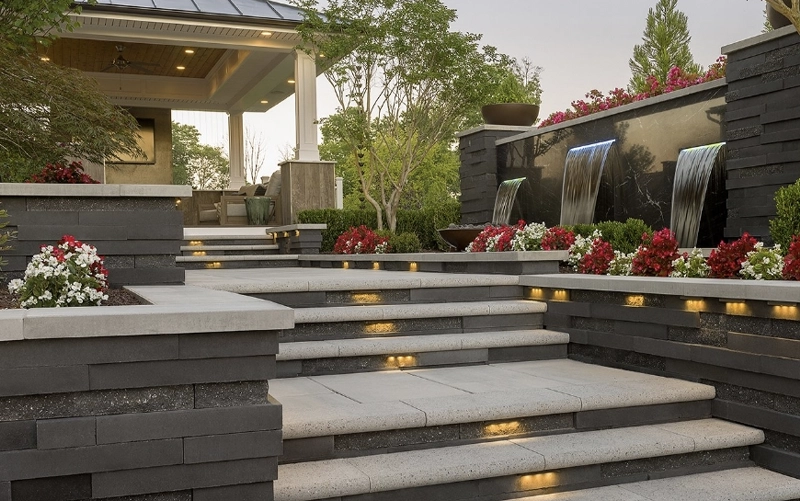
Front steps typically receive frequent traffic and direct weather exposure. They may connect a driveway or walkway to a porch, raised entrance or landing, making water management and traction important parts of the design.
The stone should also coordinate with surrounding elements such as brick, exterior cladding, porch surfaces and landscaping without allowing appearance to override practical exterior requirements.
Porch stairs may be partially sheltered but can still receive wind-driven rain, snow and winter moisture. Tread edges and side returns are often highly visible, so material thickness and edge detailing should be reviewed with the complete porch design.
Landscape stairs can connect patios, terraces, walkways and changes in grade. These applications may have different structural and drainage conditions from stairs attached directly to the house.
Stone selection should therefore be coordinated with the landscape assembly rather than treating the steps as isolated decorative pieces.
Exterior stone can also be used at higher-traffic entrances, subject to project-specific design, accessibility, safety and maintenance requirements. The finish and complete stair system should be selected for the expected use rather than solely for appearance.
Outdoor stairs in Toronto and the GTA experience conditions that interior stone never encounters. Moisture can enter joints and surrounding construction, temperatures move above and below freezing, and winter maintenance can expose surfaces to snow, ice and de-icing products.
A product intended for exterior stairs should have documented suitability for the expected climate and application. Porosity, material structure, installation conditions and water management can all influence outdoor performance.
It is not enough to classify a product simply as “granite,” “porcelain” or “natural stone.” Individual products within those categories may have different technical characteristics.
No exterior stair material can prevent snow or ice from forming on its surface. Material and finish selection should therefore be combined with appropriate drainage, winter maintenance and safe stair design.
Standing or trapped water can create both performance and safety problems. The complete exterior stair assembly should manage water rather than relying on the stone surface alone.
Winter maintenance products may affect stone, joints, sealers or adjoining materials differently. Cleaning and de-icing recommendations should follow the selected material and installation system instead of assuming one product is appropriate for every exterior staircase.
Material selection should start with confirmed exterior suitability, followed by appearance. Granite, quartzite, porcelain and other stone products may be considered for exterior stair applications when the exact product, finish and installation system are appropriate for the project.
Granite is frequently considered for exterior treads because many granite products are available in finishes and specifications suited to demanding outdoor applications. The exact slab or product should still be reviewed for absorption, finish, thickness, edge fabrication and exterior use.
Some quartzites and other natural stones may be suitable for outdoor stairs, but commercial stone names alone do not establish exterior performance. The actual supplied material and finish should be assessed for the intended exposure.
Porcelain can provide consistent patterns and textured surface options, but the selected product must be designed and approved for the intended exterior stair system. Panel format, edge details, support and fabrication requirements should be resolved before selection.
Marble, engineered quartz and specialty stones should not be specified outdoors simply because the same material is used successfully indoors. Exterior suitability, UV exposure, moisture, freeze-thaw conditions and manufacturer guidance should be reviewed for the exact product.
A detailed material comparison will be covered separately in Teccorp’s stone stair material guide so this exterior application page remains focused on outdoor project planning.
Slip resistance is one of the most important considerations for outdoor stairs, but it cannot be determined from the material name alone. Surface finish, moisture, contaminants, winter conditions, wear and maintenance can all affect traction.
A highly polished surface may create a different wet-condition experience from a honed, flamed, textured or otherwise exterior-appropriate finish. The correct option depends on the exact material and intended application.
A finish that feels secure when dry should not automatically be assumed to provide the same traction when wet, snowy or contaminated. Product documentation and project-specific conditions should be considered before the finish is approved.
Changes in finish or surface level between treads, landings and adjacent paving can affect how the route feels underfoot. Exterior stair planning should treat the complete walking path as one coordinated system.
Safety Note: Stone selection and surface texture are only part of exterior stair safety. Stair geometry, drainage, lighting, guards, handrails, winter maintenance and applicable project requirements must also be coordinated.
The visible stone is only one part of an exterior stair system. Treads, risers, nosings and landings should be coordinated with the existing or proposed stair structure so the finished surfaces remain consistent from the first step to the entrance.
Treads form the primary walking surface and should be planned around the exact stair geometry, selected material and intended edge detail. The required stone thickness and support conditions depend on the product and stair assembly rather than a universal specification.
Risers may use the same material as the tread or a coordinated finish. Their dimensions should be established from the completed stair structure so that stone thickness does not create unintended inconsistencies between steps.
The front edge affects both appearance and everyday use. Square, eased, built-up or other fabricated profiles may be possible depending on the stone and construction, but exterior edges should be selected with durability, drainage and exposure in mind.
Highly decorative profiles should not compromise the practical requirements of an outdoor stair.
Landings should be treated as part of the same walking system rather than as a separate decorative surface. Their material, finish, water movement and transitions with doors, porches or walkways should be coordinated with the stair treads.
Exterior stair performance depends heavily on how water moves across and around the installation. Stone alone cannot correct a stair assembly that traps water or directs runoff toward vulnerable joints and building components.
Treads and landings should be coordinated with the project’s drainage strategy so rain and melting snow do not remain unnecessarily on walking surfaces.
Water can reach transitions between treads, risers, landings, walls and adjacent paving. These interfaces should be resolved as part of the complete exterior assembly rather than relying on the face of the stone to manage moisture.
Visible ponding, deteriorated joints or repeated winter damage should be investigated before new stone is fabricated. Installing a new finish over an unresolved drainage problem may conceal rather than correct the underlying issue.
Exterior Planning Rule: Material selection and drainage planning should be completed together.


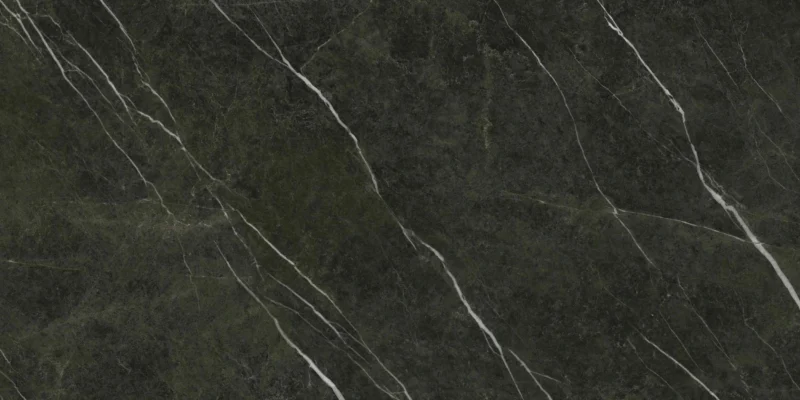
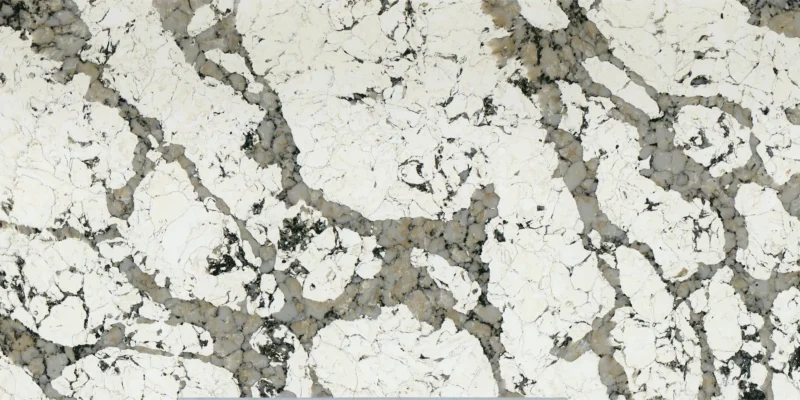



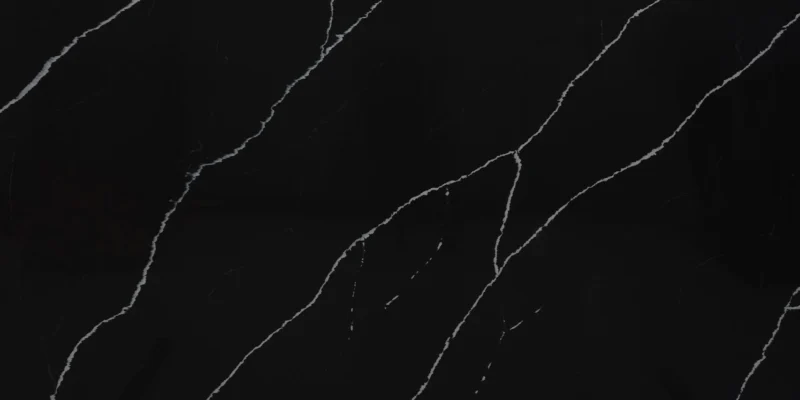


Outdoor stone steps may be part of a new construction project or installed over an existing structural stair. These two conditions require different planning.
Before stone treads or risers are fabricated, the existing structure should be assessed for dimensions, movement, deterioration and suitability for the proposed finish.
Cracks, loose sections, significant settlement or irregular geometry should not simply be hidden beneath new stone.
In new projects, the stair structure, stone thickness, landings, railings and surrounding finishes can be coordinated before fabrication. Early coordination can reduce conflicts between the structural stair and the final stone dimensions.
Some projects retain the existing stair structure while replacing tile, damaged stone or another surface. Removal may expose conditions that were not visible during the initial site review, so final fabrication measurements should reflect the completed substrate.
The appropriate stone detail changes with the location of the stairs.
Front steps often need to coordinate with a landing, door threshold, façade and walkway. The stair should be planned as part of the complete entry composition rather than selecting treads independently.
Porch installations may include exposed side edges, columns, railings and adjoining porch finishes. These conditions can affect panel dimensions and visible edge treatment.
Garden and landscape stairs may connect changes in grade rather than a conventional building entrance. Their support, drainage and adjoining hardscape should therefore be coordinated with the landscape design.
Exterior stair components should be fabricated from verified site conditions. Preliminary drawings are useful for planning, but final tread, riser and landing dimensions should reflect the completed or sufficiently established stair structure.
A stair survey may need to record:
Existing stairs may contain small variations that are not visible from a general measurement. Each fabricated component should reflect the approved stair geometry rather than assuming one dimension can be repeated throughout the project.
For directional granite, quartzite or other patterned materials, tread orientation should be planned before cutting. The objective is visual continuity without sacrificing usable material or practical fabrication.
Nosing, exposed sides and visible landings should be identified in the fabrication drawings. Edge treatment may differ depending on material thickness, support and whether the stair is viewed from one or several sides.
Railings and lighting should be coordinated before the stone components are finalized because posts, brackets and penetrations can affect tread and landing fabrication.
Glass, metal and other railing systems may require attachment points through or beside the stone. Structural attachment should be resolved with the appropriate stair and railing professionals before openings are fabricated.
The stone should not be assumed to provide the structural support for a guard or handrail unless the complete assembly has been designed for that condition.
Integrated or adjacent lighting can improve visibility and highlight tread edges at night. Electrical boxes, channels or fixtures that interact with the stone should be located before fabrication.
Exterior stairs may meet:
Thickness, colour and finish transitions should be reviewed together so the stair does not appear disconnected from the surrounding entrance or landscape.
Existing outdoor stairs do not always require complete structural replacement. In some projects, the supporting stair remains while the visible treads, risers or previous finishes are replaced with fabricated stone components.
Recapping may be considered when the existing structure is suitable for the new surface and the added material thickness can be accommodated without creating conflicts at landings, doors, railings or adjacent paving.
Significant cracking, movement, deteriorated concrete, drainage problems or irregular stair geometry should be evaluated before stone fabrication proceeds. A new surface should not be used to conceal unresolved structural or moisture-related conditions.
If existing tile, stone or another finish will be removed, final measurements should normally follow demolition and required correction. Fabricating replacement pieces from dimensions taken over a finish that will later disappear can create alignment problems.
The project scope should identify who is responsible for demolition, structural repair, drainage correction, railing work and stone fabrication or installation. These services should not be assumed to be included automatically.
Exterior stone stair installation should be coordinated with the supporting stair, surrounding construction and other trades before fabricated components arrive on site. Stone treads and risers should not be expected to correct unresolved structural, drainage or dimensional problems.
The existing or newly constructed stair should be sufficiently established before final stone measurement. Significant movement, deterioration, incomplete repairs or expected changes to the stair geometry should be resolved before fabrication proceeds.
Railing posts, handrails, lighting, landings, door thresholds and adjacent paving can affect the finished stone details. Required penetrations and attachment locations should be identified before fabrication where they interact with the treads or landings.
The project should establish when demolition, structural correction, drainage work, railing preparation, stone installation and related finishing will occur. Responsibilities should be stated clearly rather than assuming every stage is included in the stone scope.
Outdoor stone stairs require regular attention because snow, ice, moisture and winter maintenance can change walking conditions even when an exterior-appropriate material and finish have been selected.
Remove dirt and surface residue using cleaning methods approved for the exact stone or porcelain product. Acidic, abrasive or aggressive cleaners should not be treated as universally suitable for exterior stone.
Snow and ice should be managed promptly using methods compatible with the selected surface, joints and surrounding construction. De-icing products can affect different stones, sealers and installation materials differently, so product-specific guidance should be retained after installation.
Periodically review visible joints, tread edges, risers and transitions for changes such as opening, displacement or deterioration. Repeated water accumulation or movement should be investigated rather than addressed only as a cleaning issue.
Natural stone should not be assigned a universal annual sealing schedule. Whether sealing is appropriate, and how often it may be needed, depends on the exact stone, finish, exposure and sealer system.
The cost of exterior stone steps depends on the complete stair and project conditions rather than the number of steps alone.
Important cost factors can include:
A small staircase can still require detailed fabrication when every step has different dimensions or several exposed edges. Conversely, a larger but repetitive stair may have a different fabrication profile.
Pricing should therefore be based on verified measurements and project scope rather than a generic per-step figure.
Before Final Measurement: Confirm the stair structure, demolition scope, drainage conditions, railings, landings, selected material and all surfaces that affect the fabricated stone dimensions.
There is no universal best stone. Granite, suitable quartzite, exterior-rated porcelain and other products may be considered depending on the exact material, finish, exposure, supporting system and project requirements.
Traction depends on the surface finish, moisture, snow, ice, contamination, wear and maintenance. The material name alone does not determine whether an exterior stair will provide appropriate traction.
Potentially, if the existing stair is suitable for the proposed finish. Its condition, geometry, movement, drainage and added surface thickness should be reviewed before fabrication.
Some exterior stairs can be resurfaced while retaining the supporting structure, but previous finishes may need to be removed and the exposed stair assessed before final measurements are taken.
Not necessarily. Sealing requirements vary with the exact natural stone, finish, exposure and selected sealer. Porcelain and other products may have different maintenance requirements.
Cost depends on material, stair dimensions, existing conditions, demolition, fabrication details, landings, exposed edges, installation access and related project work. A generic per-step price does not reliably represent every exterior stair project.
Successful outdoor stone stairs begin with the existing site conditions. Material, finish, stair geometry, drainage, railings and winter exposure should be reviewed together before treads and risers are fabricated.
Teccorp Stone can coordinate custom stone stair components around verified project dimensions and the selected surface. The specific scope for demolition, structural work, drainage correction and related trades should be confirmed for each project.