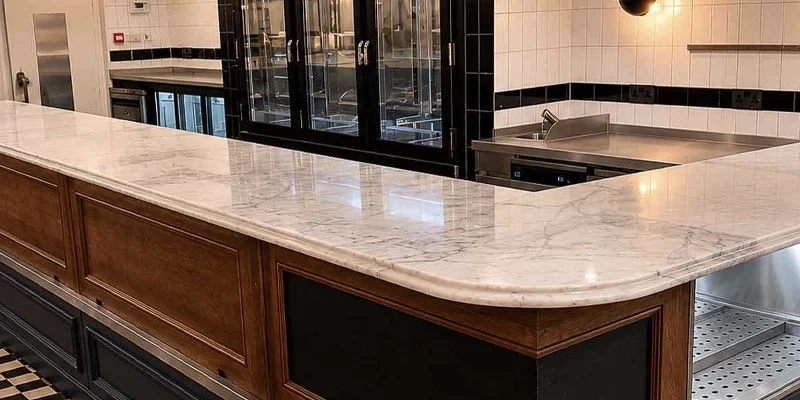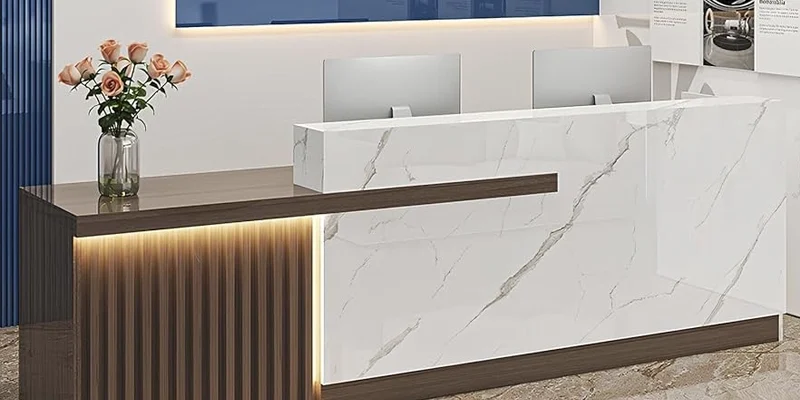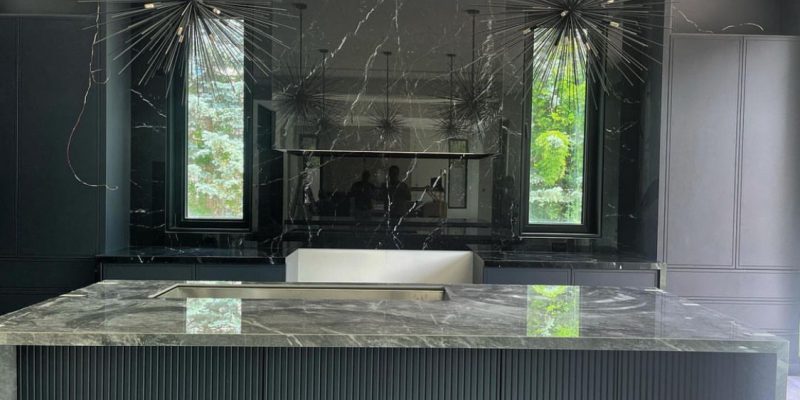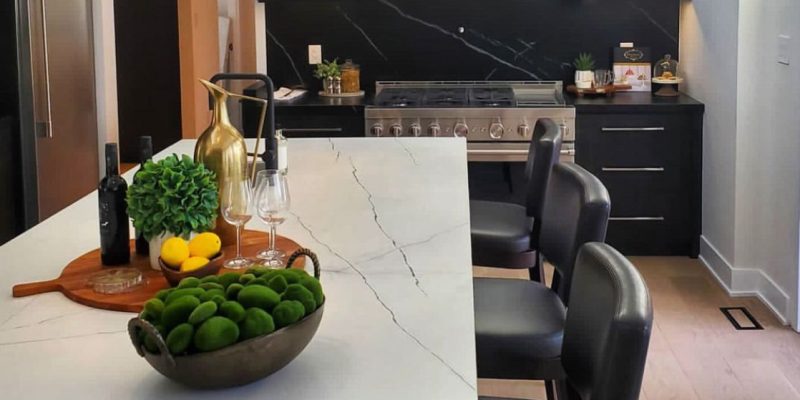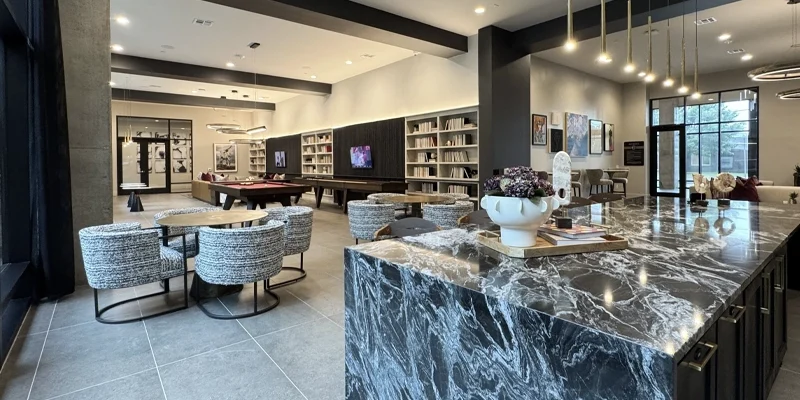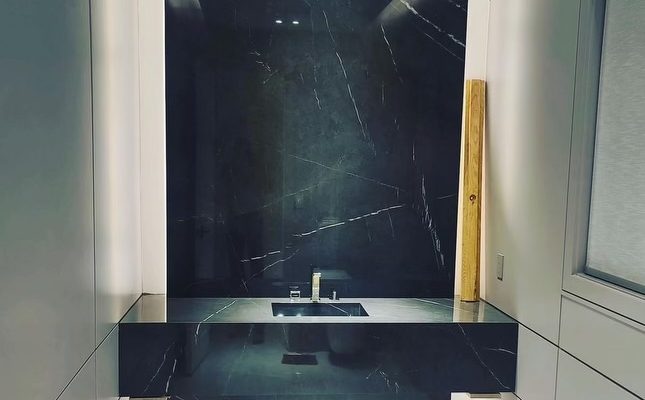
A custom stone shower niche provides recessed storage for shampoo, soap and daily shower products while coordinating with the materials and proportions of the complete bathroom. It may be fabricated as a fully lined stone opening, a solid quartz shelf, a stone sill within a tiled niche or a custom combination of slab and tile. Teccorp Stone provides custom shower niche measurement, fabrication and installation services for bathroom projects in Toronto and across the Greater Toronto Area. Depending on the
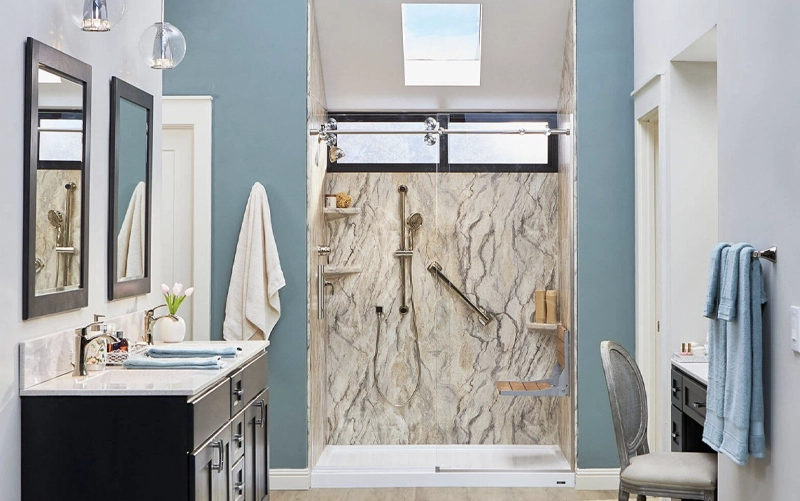
A custom stone shower niche provides recessed storage for shampoo, soap and daily shower products while coordinating with the materials and proportions of the complete bathroom. It may be fabricated as a fully lined stone opening, a solid quartz shelf, a stone sill within a tiled niche or a custom combination of slab and tile.
Teccorp Stone provides custom shower niche measurement, fabrication and installation services for bathroom projects in Toronto and across the Greater Toronto Area. Depending on the design, niche components can be produced from quartz, porcelain, granite, marble or another material confirmed as suitable for the intended application.
Every project should be planned around the finished opening, shelf layout, exposed edges, surrounding tile and the shower’s separate waterproofing system. Stone is the visible finish; it does not replace the properly prepared enclosure and membrane behind it.
Service overview: Custom stone shower boxes—also called stone shower niches—can include fabricated shelves, sills, side returns, back panels and finished frames. The final configuration is based on storage requirements, wall construction, selected material and coordination with the bathroom contractor responsible for the shower assembly.
On This Page
A recessed niche keeps shower products within reach without adding a projecting caddy or surface-mounted shelf. Custom fabrication allows the storage opening to coordinate with the tile layout, stone finishes, shower jambs, vanity and other bathroom details.
The service may be suitable for:
Custom fabrication is most effective when the niche is planned before surrounding finishes are completed. Shelf position, usable depth, stone thickness, edge finishing and installation sequence all influence the final opening.
Depending on the project scope and selected material, fabricated components may include:
The exact scope should be confirmed before measurement. A “stone shower box” may refer to a complete lining in one project and only a shelf-and-sill package in another.
Custom stone fabrication is useful when standard accessories do not provide the required size, material or edge detail. It can also reduce grout lines on important horizontal surfaces and create a stronger relationship between the niche and other slab elements in the bathroom.
A custom niche may be preferred when:
Custom fabrication does not remove the need for coordinated framing and waterproofing. The wall opening must be suitable for the intended design, and responsibilities between the bathroom contractor, waterproofing installer, tile installer and stone fabricator should be established before production.
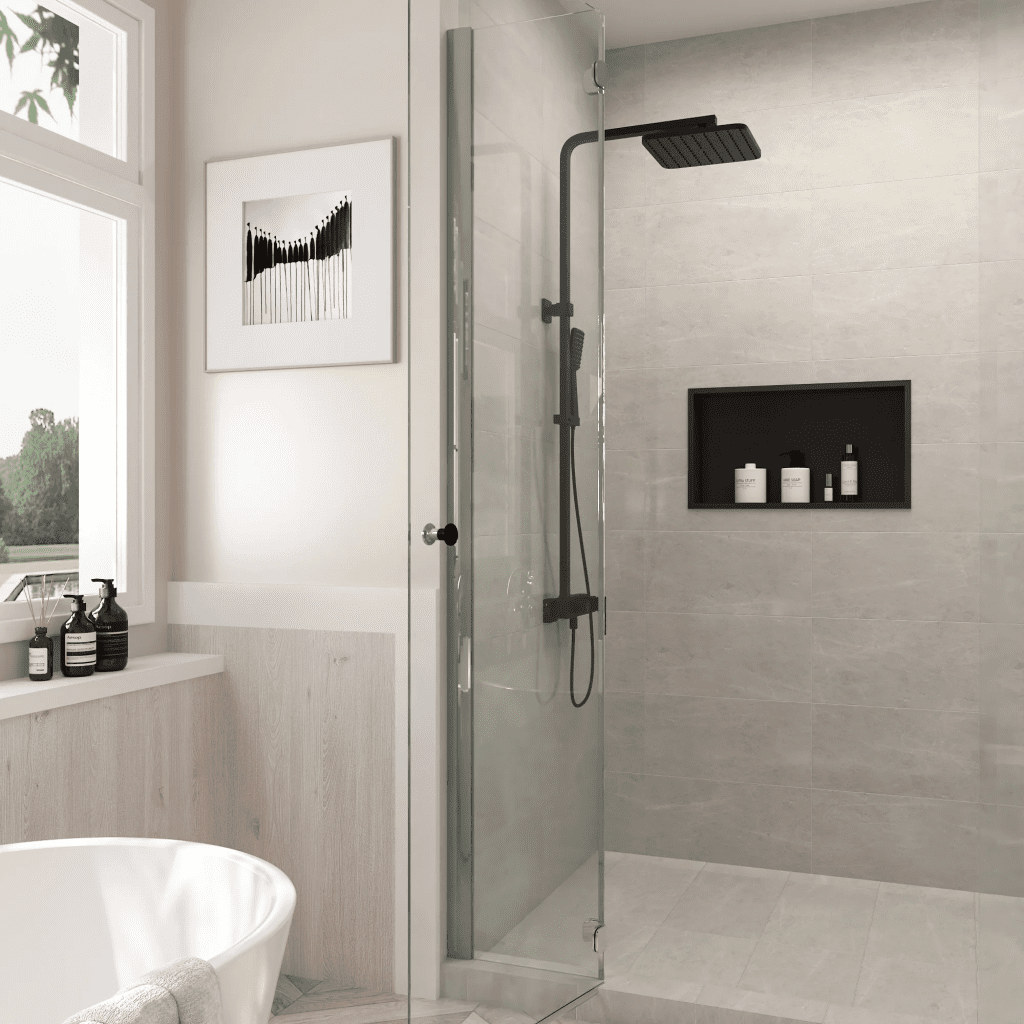
The configuration should be chosen according to storage requirements, wall structure, maintenance expectations and the desired visual relationship with the shower wall.
A fully lined niche uses fabricated pieces on the back, sides, top and bottom. It may also include one or more internal shelves. This creates larger continuous surfaces and fewer grout lines than a niche finished entirely with small-format tile.
A full stone lining is not necessarily one piece. Separate components are commonly required for accurate fabrication, transport and installation. Corner joints and perimeter transitions remain part of the finished assembly.
This configuration works well when the niche is intended to coordinate with:
A hybrid niche retains tile on some interior surfaces but uses fabricated stone where a solid piece provides the greatest benefit. Common examples include a quartz bottom sill, a stone internal shelf or finished side returns surrounding a decorative tile back panel.
This approach can provide smooth storage surfaces while maintaining continuity with the main wall tile. It may also use less slab material than a complete stone lining.
A vertical niche uses height efficiently and can be divided into storage levels. A horizontal niche provides wider storage and creates a strong architectural line, but it may require more complex framing and support.
Divided niches should be planned around actual products rather than equal visual sections. An offset shelf can provide one tall opening for bottles and a shorter opening for soap, razors and smaller items.
Design checkpoint: Approve the finished clear width, height and depth of every storage compartment. Rough framing dimensions do not represent the usable space remaining after waterproofing, setting materials and stone are installed.
The right material depends on the niche configuration, surrounding finishes, maintenance expectations and the exact product’s suitability for the proposed bathroom application. Quartz, porcelain and natural stone should not be treated as interchangeable simply because they can all be fabricated from slab material.
| Material | Design Advantage | What to Confirm | Maintenance Consideration |
|---|---|---|---|
| Quartz | Consistent colours, controlled patterns and coordinated vanity surfaces | Product approval, thickness, edge finish and compatible setting materials | Follow the manufacturer’s approved cleaning instructions |
| Porcelain | Thin profiles, large patterns and coordination with wall panels | Slab thickness, edge treatment, handling and fabrication requirements | Smooth surfaces are practical, but joints still require care |
| Granite | Natural variation and a durable stone appearance | Specific slab condition, absorption, finish and sealing guidance | Use stone-compatible products and review sealer requirements |
| Marble | Distinctive veining and a natural feature surface | Sensitivity, finish, slab variation and wet-area suitability | Requires non-acidic care and acceptance of natural finish changes |
Quartz can be used for niche shelves, sills, side returns and full linings when the selected product is suitable for the intended interior bathroom application. It is often chosen when the niche needs to match a vanity countertop or maintain consistent colour across several fabricated components.
Quartz generally provides low routine maintenance and does not normally require the penetrating sealers associated with many natural stones. However, it should not be described as the waterproofing system. The perimeter joints, substrate and membrane behind the finish remain essential.
Before approving quartz, confirm:
Porcelain slab can create thin, visually controlled niche components and coordinate with large-format shower walls. Marble-look, stone-look and solid designs allow the niche to blend with or contrast against surrounding finishes.
Thin porcelain pieces require suitable handling, cutting and edge preparation. The material may be highly resistant at its surface, but cut edges, corner details, bonding coverage and perimeter transitions still require careful fabrication and installation.
Porcelain can be particularly effective when the same finish continues across a wall panel, niche back and other vertical bathroom surfaces. Pattern orientation should be reviewed before cutting.
Granite provides natural colour and mineral variation. It may be used for shelves, sills and other niche components when the selected slab and finish are appropriate for the intended environment.
Granite should be evaluated by specific stone rather than by category alone. Absorption, fissures, surface finish and sealer recommendations can vary. A sample can confirm colour, but the actual slab must be reviewed when pattern and variation matter.
Marble can create a distinctive feature niche, particularly when coordinated with a marble vanity or shower detail. Its natural veining cannot be reproduced exactly, and strongly patterned pieces require an approved cutting layout.
Marble is also sensitive to acidic cleaners and may show etching or changes in finish. Homeowners should understand the care requirements before selecting it for a high-use shower niche.
Other natural stones should be evaluated individually for:
Material-selection rule: Choose the exact product before final dimensions and edge details are approved. Material thickness, pattern scale, backing and fabrication limitations can change the finished design.
A custom niche should be planned around the finished storage space required after all construction layers are complete. Rough framing dimensions do not account for substrate, waterproofing, setting materials, stone thickness or finished joints.
Measure the tallest and widest products normally used in the shower. Pump bottles require additional clearance above the dispenser, while wide containers may require more usable shelf depth.
There is no universal niche size or installation height. Final dimensions should consider:
For aging-in-place or barrier-free projects, the niche should be coordinated with the seat, controls, handheld shower and grab bars. General residential dimensions should not be substituted for applicable accessibility requirements.
A tall niche may remain open or be divided with one or more fabricated shelves. Equal compartments may appear balanced, but an offset shelf often provides more useful storage by creating one tall opening and one shorter opening.
Every shelf should have a defined support method based on its span, thickness and material. It may require bearing at both side walls, additional back support or another detail approved by the fabricator and installer.
A typical niche shelf is intended for shower products. It should not be used as a grab point, step or seat unless it has been specifically designed for that load.
Visible edges may be eased, polished, mitred or built up depending on the material and desired appearance. Every exposed front, end and underside should be identified before fabrication.
Mitred details can create the appearance of a thicker frame or return, but they require accurate cutting and pattern coordination. A very sharp corner may be more vulnerable during handling and installation.
Joints remain necessary where separate pieces meet and where stone transitions to tile or another material. Changes of plane may require compatible flexible joint materials rather than rigid grout. The joint schedule should be established before pieces are cut.
For strongly veined material, confirm:
Approval checkpoint: Confirm the finished compartment dimensions, shelf locations, exposed edges, joint positions and pattern direction together. Approving only the slab colour is not enough to release the niche for fabrication.
A custom niche requires coordination among the bathroom contractor, waterproofing installer, tile installer and stone fabricator. The responsibilities and measurement stage should be agreed upon before stone production begins.
The initial review should identify:
Final measurements must correspond to the agreed construction stage. Rough framing alone may not account for substrate, membrane, setting materials and adjacent tile. If the opening changes after measurement, the fabricator should be notified before production continues.
Fabrication may include cutting the sill, shelf, back, sides, top or frame pieces; finishing exposed edges; organizing pattern direction; and labelling components in installation order.
A dry layout can help confirm that:
Site cutting should be minimized where possible so dimensions, edge quality and material handling can be controlled during fabrication.
The recessed enclosure and its connection to the surrounding shower wall must be completed according to the selected waterproofing system. Stone components should not be used to cover damaged membrane, unstable framing or an opening that is not ready for finishing.
Before setting the stone, the responsible installers should confirm:
Waterproofing responsibility can vary by project and should be confirmed in the work scope. The visible stone finish does not replace the membrane or prepared enclosure behind it.
The cost of a custom niche depends on more than its outside dimensions. Material, fabrication, edge work, installation access and coordination with surrounding finishes all affect the project.
| Cost Factor | Why It Matters |
|---|---|
| Material selection | Quartz, porcelain, granite and marble have different material and fabrication requirements. |
| Remnant availability | A suitable remnant may reduce material requirements, but it must fit every component and pattern need. |
| Niche configuration | A sill-only package requires less fabrication than a fully lined niche with multiple shelves. |
| Edge finishing | Polished, mitred and built-up edges require different cutting and finishing work. |
| Pattern coordination | Vein matching and selected slab layouts may require additional material and planning. |
| Site conditions | Access, wall accuracy, project stage and installation sequence can affect labour. |
| Related stone details | Coordinating the niche with shower jambs or other bathroom pieces may change measurement and fabrication scope. |
A reliable project comparison should describe the exact components included. Comparing a quartz sill with a complete marble-lined niche does not represent equivalent scope.
Teccorp Stone serves bathroom renovation and custom construction projects across Toronto and surrounding GTA communities, including North York, Scarborough, Etobicoke, Vaughan, Richmond Hill, Markham and Mississauga.
Service availability and installation scope should be confirmed for the individual project. Condo work may also require coordination with building access, elevator schedules, material handling rules and approved working hours.
Instead of changing the niche design solely by city, the service is planned around the actual bathroom: wall construction, storage requirements, selected material, tile layout and installation conditions.
Custom niche projects benefit from working with a stone specialist who can review material, dimensions, edge treatments and related fabricated details together.
Teccorp Stone provides access to:
The goal is to produce components that fit the prepared opening and coordinate with the complete bathroom design. Final material suitability and installation responsibilities are confirmed for each project rather than assumed from a generic niche specification.
They usually describe the same recessed storage feature. “Shower niche” is the more common consumer term, while “custom stone shower box” may describe a niche lined or finished with fabricated stone components.
Yes. A hybrid design can combine tile on the back and sides with a solid quartz or stone sill and internal shelf. The stone thickness, support, joints and installation sequence should be planned before fabrication.
Options may include suitable quartz, porcelain, granite and marble products. The exact material should be evaluated for the proposed application, edge details, maintenance requirements and compatibility with the installation system.
No. Stone is the visible finish. The niche depends on a continuous waterproofing system behind it and a properly detailed connection to the surrounding shower wall.
Yes, subject to wall structure, available depth, framing, plumbing and material limitations. The finished interior dimensions should be based on storage requirements and approved before fabrication.
The measurement stage depends on the construction sequence. The contractor and fabricator should agree on which substrate and waterproofing layers must be complete before final dimensions are recorded.
Sealing requirements vary by stone and finish. Some materials may benefit from an appropriate impregnating sealer, while others may not require one. Sealer improves stain resistance for certain stones but does not replace waterproofing.
Use a cleaner approved for the exact surface. Quartz and porcelain instructions may differ from natural-stone care, and acid-sensitive materials such as marble require non-acidic products. Regularly removing water and soap residue can reduce buildup.
Yes. The niche can be coordinated with matching or complementary fabricated bathroom components. Exact vein continuity depends on slab selection, available material and the approved cutting layout.
No, unless it has been specifically engineered and approved for that purpose. A typical stone niche shelf is intended to support shower products, not body weight.
A custom stone shower niche should be planned with the wall assembly, storage requirements, material and surrounding bathroom finishes in mind. Early coordination provides greater control over usable space, shelf support, exposed edges and pattern direction.
Coordinate Your Shower Stone Details
Explore available stone surfaces and related shower services for niche shelves, sills, jambs and custom bathroom components.

At Tec Corp Stone Inc., we pride ourselves on delivering exceptional craftsmanship and unmatched quality. With years of experience in stone fabrication, our dedicated team ensures every project is executed with precision and care. We offer personalized service, innovative solutions, and a commitment to customer satisfaction. Choose us for your stone needs and experience the Tec Corp Stone Inc. difference.