
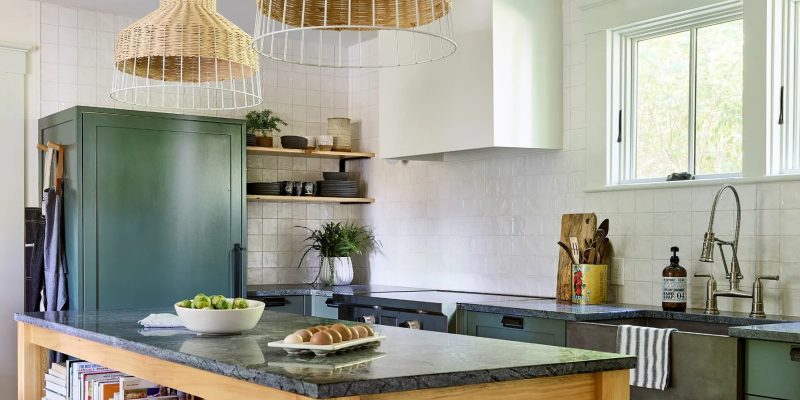
The kitchen is more than just a functional space—it is the heart of the home, where daily routines, family gatherings, and memorable moments come together. Because of this, every design decision in a kitchen matters, especially the countertop. A kitchen countertop must balance beauty, hygiene, durability, and long-term performance, all while supporting daily food preparation and constant use.
Choosing the best material for kitchen countertops is not only about appearance. Hygiene certifications, antimicrobial performance, resistance to stains and scratches, and ease of maintenance all play a critical role. Certifications such as NSF highlight whether a surface is suitable for direct food contact, reinforcing the fact that not every visually appealing countertop is practical or safe over time.
At Teccorp Stone, we help homeowners across Ontario select the most reliable and hygienic materials for their kitchens. Our experience with kitchen countertops allows us to match each household’s lifestyle with a surface that performs beautifully for years.
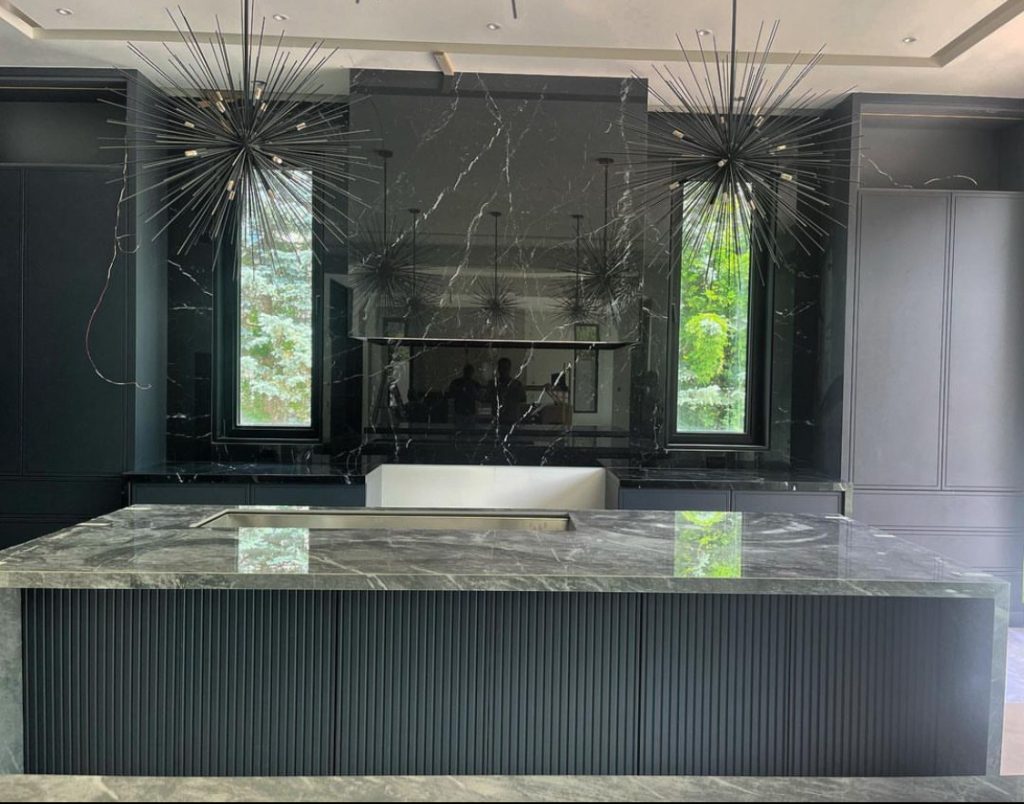
The kitchen environment naturally encourages bacterial growth due to moisture, food residue, and frequent contact. Countertops come into direct contact with raw ingredients, liquids, heat, and cleaning products every day. This makes material selection especially important in both residential and commercial kitchens.
Porosity is one of the most critical factors affecting hygiene. Porous materials can absorb liquids, oils, and bacteria, creating long-term sanitation issues. Non-porous surfaces, on the other hand, prevent bacteria from penetrating the surface and are significantly easier to clean and disinfect.
Antimicrobial countertops help protect against the growth of bacteria, mold, and mildew. This is particularly important in kitchens, where cleanliness directly impacts health and food safety.
When evaluating kitchen countertop materials, several performance criteria must be considered together. The best material is rarely defined by a single feature, but by how well it balances multiple requirements.
No kitchen countertop material is completely indestructible, but each offers a different balance of performance and maintenance. Understanding these differences is essential to making the right choice.
Quartz countertops are among the most popular choices for modern kitchens, largely due to their exceptional hygiene and durability. Engineered quartz is composed of approximately 90% natural quartz combined with resins and polymers, resulting in a highly durable and non-porous surface.
This non-porous structure prevents bacteria, moisture, and stains from penetrating the surface.
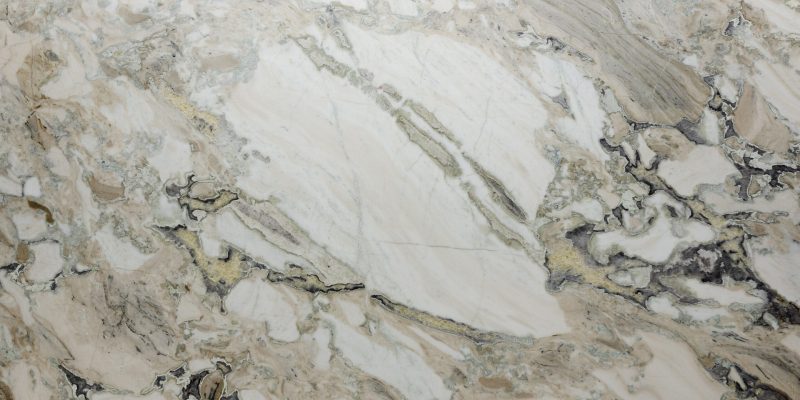
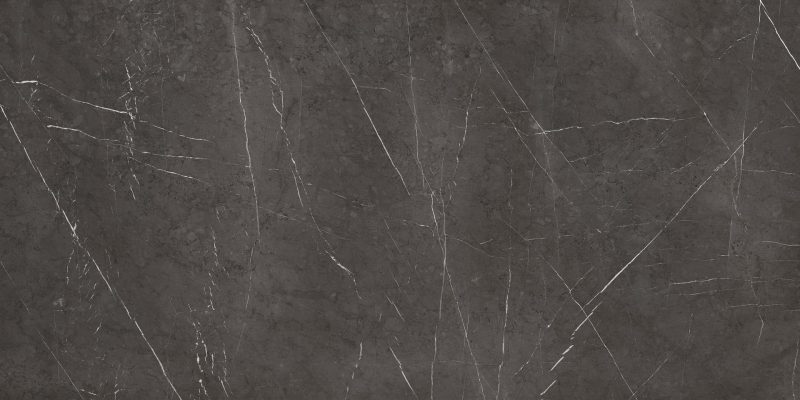
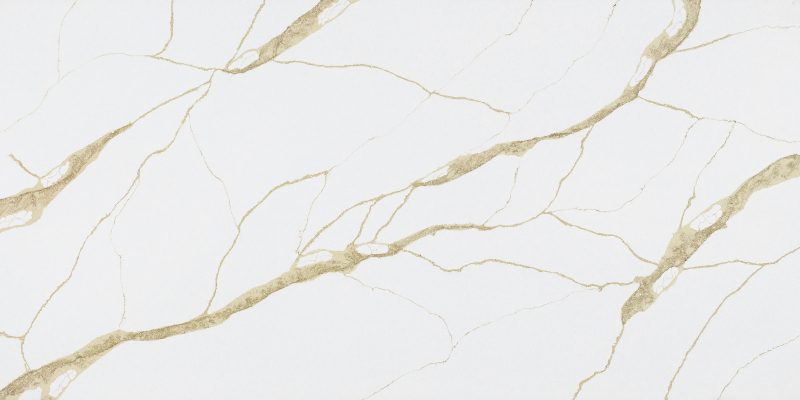
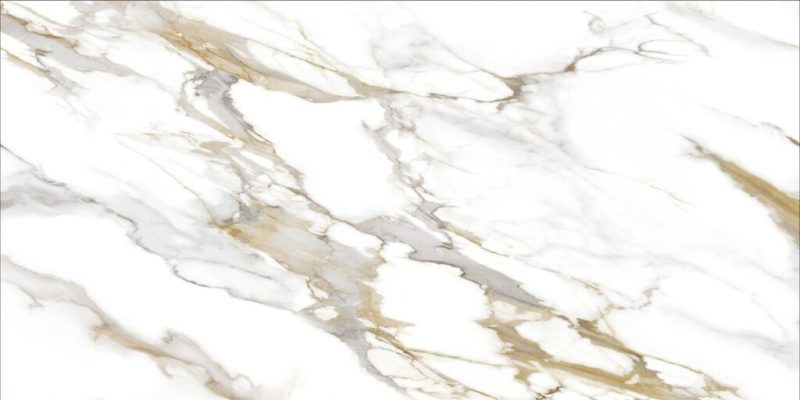
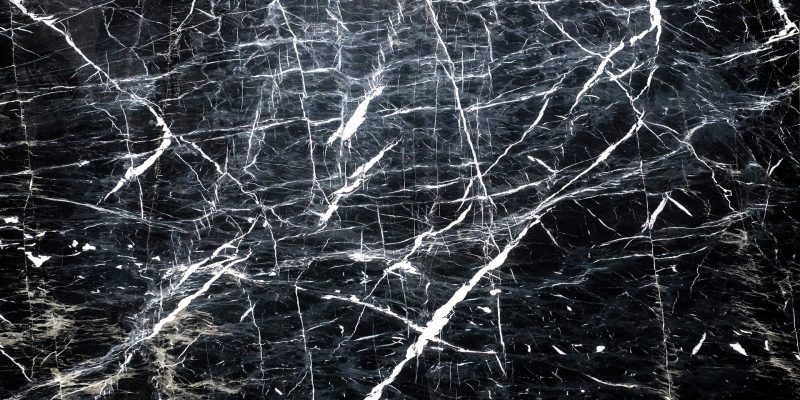



Quartz also offers design flexibility, with a wide range of colors and patterns that replicate the look of marble or natural stone while delivering superior performance.
Natural stone materials such as granite, marble, and quartzite remain timeless and visually striking options for kitchen countertops.
Granite is highly durable and resistant to heat and scratches, making it suitable for active kitchens. Marble offers unmatched elegance but requires careful maintenance due to its higher porosity and sensitivity to acids. Quartzite combines the beauty of marble with improved hardness and durability.
Although natural stone is micro-porous, proper sealing and regular maintenance significantly reduce the risk of bacterial absorption. With the right care, natural stone countertops can deliver decades of reliable service.
Porcelain countertops are increasingly recognized as one of the best materials for kitchen applications. Originally used for floors and walls, porcelain stoneware is now widely used for countertops, backsplashes, and work surfaces.
Porcelain is fired at extremely high temperatures, resulting in a dense, compact, and non-porous surface. It is resistant to stains, scratches, heat, and chemicals, making it exceptionally hygienic. Porcelain countertops do not require sealing and are easy to clean with standard household cleaners.
Another major advantage of porcelain is its design versatility. It can accurately replicate marble, concrete, or natural stone, delivering high-end aesthetics without the associated maintenance challenges.
Kitchen countertops frequently come into contact with acidic substances such as lemon juice, vinegar, wine, and cleaning agents. Materials like marble can react chemically with acids, leading to etching and dulling over time.
For homeowners who love the appearance of marble but prefer lower maintenance, marble-look porcelain offers a practical alternative. It delivers the same timeless charm while resisting chemical damage and staining.
Every kitchen is different, and the best countertop material depends on lifestyle, usage, and maintenance preferences. Natural stone surfaces such as marble and granite offer beauty and durability but require sealing and regular care to maintain hygiene.
Quartz stands out as one of the cleanest and most versatile countertop materials available today. Its non-porous surface, resistance to bacteria, and minimal maintenance requirements make it ideal for modern kitchens.
Porcelain stoneware offers exceptional performance, combining durability, antimicrobial properties, and stunning design flexibility. For homeowners seeking a surface that balances hygiene, longevity, and aesthetics, porcelain is one of the strongest contenders.
If you are planning a kitchen upgrade and want expert guidance on selecting the best countertop material, our team at Teccorp Stone is ready to help you make a confident, long-term investment.