
Countertop cleaning mistakes can damage a surface that would otherwise remain attractive and functional for years. Vinegar, bleach, abrasive pads, steam and strong stain removers are often recommended as universal solutions, but countertop materials do not respond to these products in the same way.
A cleaner that appears harmless on porcelain may affect marble, natural-stone sealer or an engineered surface. Similarly, a method that removes residue from one countertop may create dullness, discolouration, etching or fine scratches on another.
Safe cleaning begins with identifying the exact countertop material and following the product or manufacturer’s care instructions. Quartz, granite, marble, quartzite and porcelain each have different sensitivities, and even products within the same material category may require different precautions.
This guide explains the most common cleaning mistakes, safer daily-care methods and the difference between ordinary residue, staining, hard-water deposits and surface damage.
Quick Cleaning Rule
Use the mildest approved method first. Do not apply vinegar, bleach, abrasives, steam or a homemade stain treatment until compatibility with the exact surface has been confirmed.
The following table provides general guidance. The exact product instructions should take priority whenever they are available.
| Cleaning Mistake | Possible Result | Safer Starting Point |
|---|---|---|
| Using vinegar as a universal cleaner | Etching or finish damage on acid-sensitive stone | Mild cleaner approved for the specific material |
| Applying concentrated bleach | Discolouration or damage to resins, sealers and adjacent materials | Product-specific cleaning or disinfection guidance |
| Using abrasive pads or powders | Fine scratches, dull areas or visible changes in sheen | Soft cloth or non-abrasive sponge |
| Using steam without approval | Heat or moisture exposure around seams, adhesives and edges | Routine wiping with an approved cleaner |
| Treating etching as a stain | Repeated cleaning without improvement and possible additional damage | Identify whether the problem is residue, absorption or finish damage |
| Scrubbing hard-water marks aggressively | Scratches or damage to the finish and sealer | Use a material-compatible mineral-deposit method |
Many cleaning problems begin because the homeowner does not know whether the countertop is quartz, granite, marble, quartzite, porcelain, solid surface or another manufactured product.
Visual appearance alone may not be enough. Marble-look quartz, porcelain and natural stone can appear similar while responding differently to acids, heat, abrasives and stain treatments.
Before applying a cleaner, try to confirm:
When the material cannot be identified, test neither strong chemicals nor abrasive methods. A countertop professional may be able to identify the surface or recommend a cautious assessment.
Quartz contains manufacturer-specific resins and pigments. Granite and quartzite vary in mineral composition and absorption. Marble contains acid-sensitive minerals. Porcelain products can have polished, textured or printed finishes with different cleaning recommendations.
Even two surfaces in the same material category may respond differently because of their finish, colour, sealer or manufacturing process.
Vinegar is frequently promoted as a natural universal cleaner, but acidic products can damage calcium-containing natural stones such as marble. The resulting dull or pale area is usually etching, not ordinary residue.
Repeated cleaning will not remove an etched area because the surface finish itself has changed. Depending on the severity and finish, professional honing or polishing may be required.
Acidic cleaners may also affect selected sealers, grout, joints or adjacent materials. They should not be used on granite, engineered stone or porcelain merely because a general online cleaning guide recommends them.
Use a soft cloth with a mild cleaner approved for the exact surface. Remove spills promptly and dry the area when water marks are visible.
For mineral deposits or hard-water marks, use a treatment specifically compatible with the countertop material rather than automatically applying vinegar or another acidic descaler.
Bleach, solvent-based cleaners and highly alkaline products should not be treated as universal countertop disinfectants. Depending on concentration and contact time, they may affect engineered-surface resins, natural-stone sealers, pigments, adhesives or nearby cabinet finishes.
Disinfection requirements also differ from ordinary daily cleaning. More chemical strength does not necessarily produce a safer or cleaner result when the product is incompatible with the surface.
Remove visible residue first with a mild approved cleaner. When disinfection is necessary, follow the countertop manufacturer’s current instructions for product type, dilution, contact time and rinsing.
Do not mix bleach with vinegar, ammonia or other household cleaners. Mixing cleaning chemicals can release hazardous fumes and is unrelated to the countertop material itself.
Steel wool, rough scouring pads, abrasive powders and hard scraping tools can alter the surface sheen or leave fine scratches. Damage may be especially visible on dark, glossy or solid-colour countertops.
Abrasive cleaning can also wear natural-stone sealers or affect factory finishes. A hard surface is not automatically safe to scrub aggressively.
Begin by softening dried residue with warm water and an approved cleaner. Use a soft cloth, non-abrasive sponge or a material-compatible plastic tool when permitted by the manufacturer.
Avoid using knives, metal blades or razor scrapers unless the product instructions explicitly approve the method. A tool that is safe for one porcelain surface may scratch quartz, stone or another finish.
Steam may appear chemical-free, but it introduces concentrated heat and moisture. These conditions can affect seams, adhesives, sealants, backsplash joints and vulnerable edges even when the main countertop surface tolerates moisture.
Steam should not be used simply because a material is described as non-porous or heat resistant. The complete installation includes more than the exposed surface.
Use routine wiping with a compatible cleaner unless the countertop or installation manufacturer specifically approves steam. Pay particular attention to sink joints, seams, wall connections and built-up edges.
Most quartz countertops can be maintained with a soft cloth, warm water and a mild cleaner approved by the manufacturer. They generally do not require routine sealing.
Quartz is an engineered material containing manufacturer-specific resins, pigments and additives. Products that appear similar may react differently to bleach, solvents, alkaline cleaners or stain treatments.
For stubborn marks, identify whether the issue is food residue, adhesive, metal transfer, discolouration or heat damage. Repeated aggressive cleaning will not repair heat-related or chemical damage.
Homeowners comparing care requirements can review available quartz countertop options and request the maintenance documentation for the exact product.
Granite maintenance depends on the specific slab, finish and sealing condition.


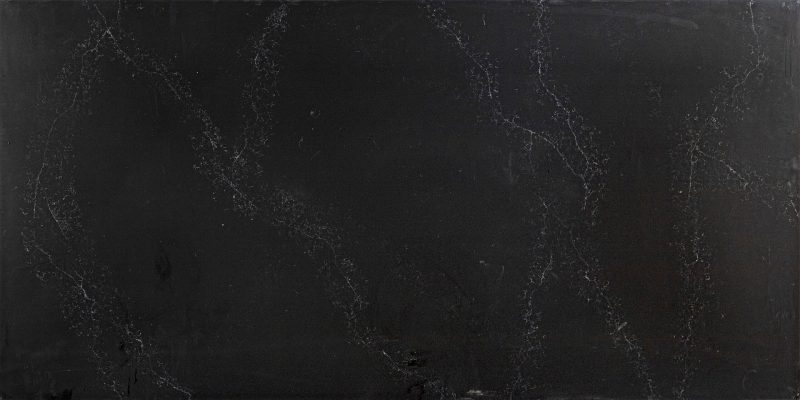


Granite does not automatically need resealing every year. Some slabs are less absorbent, and sealing frequency varies according to the stone, finish, existing treatment and use.
Sealer should not be applied merely because a calendar reminder is due. Unnecessary or poorly applied sealer can leave haze, residue or an uneven finish. Follow guidance based on the actual installed stone.
A darkened area may indicate absorbed moisture or oil, while a pale or rough area may involve residue, mineral deposits or surface damage. The correct treatment depends on the substance and depth of the issue.
Avoid homemade poultices, acidic descalers and aggressive scrubbing until the stain and stone have been identified. Incorrect treatment can enlarge the affected area or damage the finish.
Review available granite countertop materials and confirm care recommendations for the specific slab and finish.
Marble requires careful cleaning because acidic substances can react with the stone and alter its finish. Lemon juice, vinegar, wine, some bathroom cleaners and acidic descalers may create dull or pale etched areas.
A stain involves absorbed or transferred material, while etching is physical damage to the polished or honed finish. Sealing may reduce absorption, but it does not protect marble from acidic etching.
Routine marble care should include:
Browse available marble countertop materials only after considering whether the household is comfortable with patina and gradual finish changes.
Porcelain countertops generally have low absorption and can often be cleaned with mild household products. However, the printed surface, finish, exposed edges and installation joints may have product-specific requirements.
Begin with warm water, a soft cloth and an approved non-abrasive cleaner. More aggressive products should only be used when the exact porcelain manufacturer permits them.
Review available porcelain countertop options and retain the care instructions for the installed product.
Hard-water marks commonly appear near faucets, sinks and areas where water is allowed to dry repeatedly. They may look like white film, cloudy rings or rough mineral buildup.
Before treatment, identify both the countertop material and the nature of the deposit. An acidic descaler that removes minerals from one surface may etch marble, affect natural-stone sealer or damage nearby metal fixtures.
Persistent deposits on granite or engineered stone may require a material-specific mineral remover or professional assessment. Avoid razor blades, rough pads and homemade acid mixtures unless explicitly approved.
Cleaning methods fail when the problem has been identified incorrectly. A mark may be surface residue, absorbed staining, mineral buildup, metal transfer, etching, scratching, heat damage or chemical discolouration.
| Problem | Typical Sign | Recommended Response |
|---|---|---|
| Surface residue | Raised, sticky or removable film | Use a compatible cleaner and soft tool |
| Absorbed stain | Darkened or coloured area within the material | Identify the substance before treatment |
| Etching | Dull, pale or rough area on acid-sensitive stone | Professional honing or polishing may be needed |
| Heat or chemical damage | Discolouration or permanent finish change | Stop cleaning and request an assessment |
Repeatedly applying stronger cleaners can turn a small problem into permanent damage. When a mark does not respond to an approved routine-cleaning method, reassess the problem rather than continuing to scrub.
Routine cleaning cannot correct every countertop problem. Professional assessment may be appropriate when the surface has:
Stop using aggressive cleaners before the assessment. Photographs, product information and details about the substance or cleaner involved can help identify the appropriate repair approach.
Final Countertop Cleaning Checklist
Identify the material, follow its care instructions, begin with the mildest approved method and distinguish residue from staining, etching or permanent damage before increasing cleaning strength.
Not universally. Vinegar can etch marble and other acid-sensitive stones and may affect selected sealers or adjacent materials. Use it only when the exact product instructions approve it.
Quartz recommendations vary by manufacturer. Concentrated bleach or prolonged exposure may affect resins, pigments or finishes. Follow the product-specific disinfection instructions.
Use a soft cloth and a mild cleaner compatible with natural stone. Avoid assuming that vinegar, abrasive powders or strong household chemicals are safe.
Begin with a granite-compatible mineral-deposit cleaner and a non-abrasive cloth. Persistent buildup may require professional treatment, especially when the stone or sealer is uncertain.
No universal annual schedule applies. Sealing depends on the slab, finish, absorption, existing treatment and fabricator guidance.
No. Etching is a change in the surface finish rather than ordinary dirt. Professional honing or polishing may be required.
Only when the surface and installation manufacturer approve them. Steam can expose seams, adhesives, sealants and edges to concentrated heat and moisture.
A mild product approved for the exact countertop is the safest starting point. No single cleaner is automatically suitable for quartz, granite, marble and porcelain.
Correct countertop care begins with accurate material identification and realistic expectations. Quartz, granite, marble and porcelain can all perform well when their cleaning and maintenance requirements are followed.
For additional material-care comparisons, review the guide to low-maintenance kitchen countertops.
Choose and Care for the Right Countertop
Compare available stone, quartz and porcelain surfaces based on appearance, maintenance and daily kitchen use.