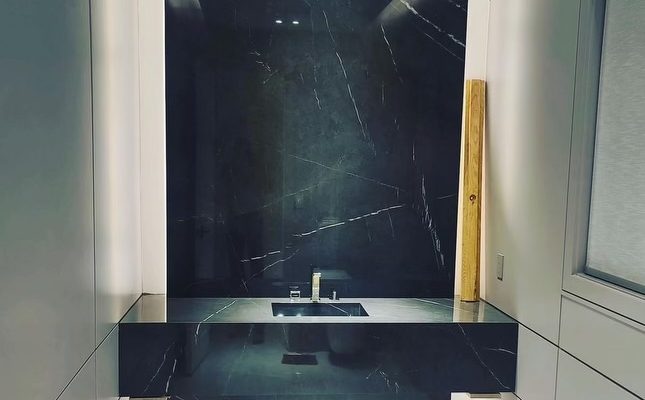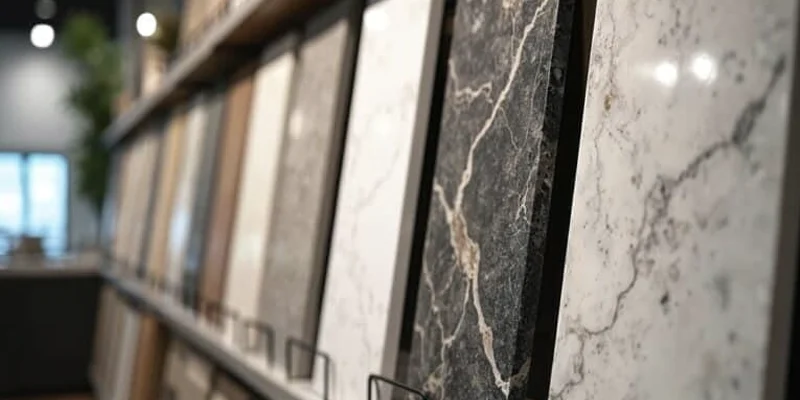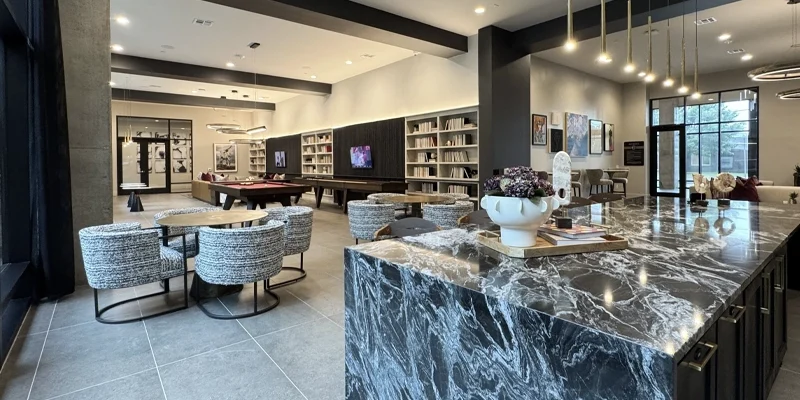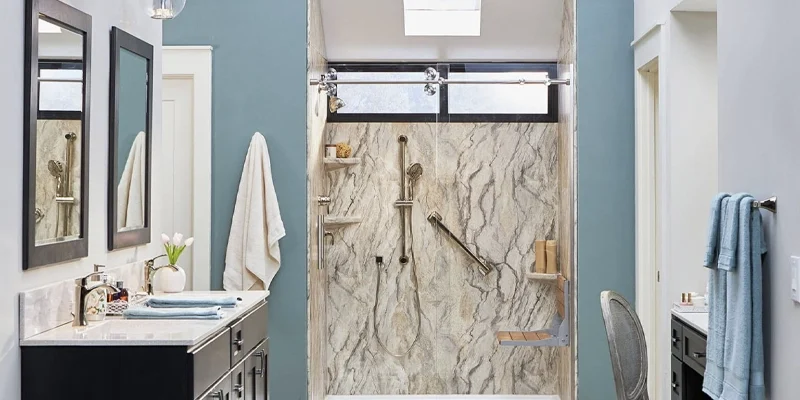
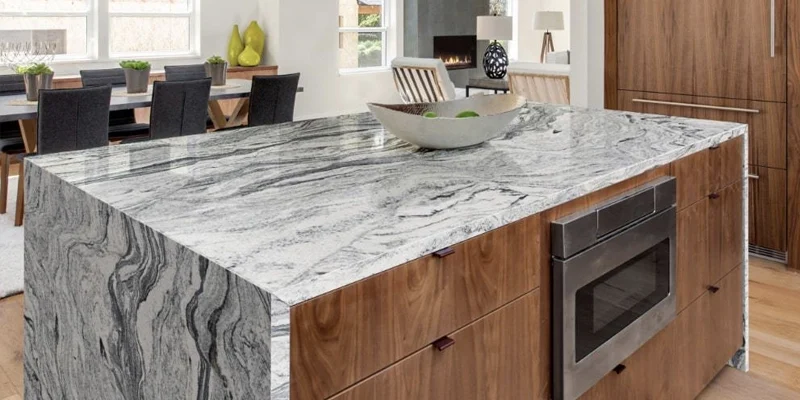
Kitchen island countertop cost in Toronto depends on more than the finished square footage. The selected slab, island dimensions, exposed edges, waterfall panels, pattern direction, sink or cooktop openings, structural support and installation access can all affect the final price.
For preliminary planning, installed countertop rates in Toronto and the GTA commonly begin around $75 per square foot for selected quartz, $60 per square foot for standard granite and $95 per square foot for selected 12mm porcelain. Premium materials, full-slab purchasing, mitred fabrication, matched veining and complex installation conditions can move the project well beyond these starting levels.
This guide explains current planning ranges for quartz, granite and porcelain kitchen islands, what an installed quote may include and why two islands with similar finished dimensions can have substantially different costs. All figures are general budgeting ranges in Canadian dollars and should not be treated as fixed quotations.
The following figures provide preliminary installed planning ranges for Toronto and GTA projects. They are not fixed rates. The exact quote depends on the selected product, slab requirements, fabrication scope and installation conditions.
| Material | Installed Planning Range | Common Island Application | Major Cost Variable |
|---|---|---|---|
| Quartz | Approximately $75–$140+ per sq. ft. | Family islands, seating areas and consistent contemporary designs | Brand, design tier, slab format and mitred fabrication |
| Granite | Approximately $60–$130+ per sq. ft. | Natural-stone islands and active cooking areas | Slab rarity, usable yield, finish and pattern placement |
| 12mm Porcelain | Approximately $95–$145 per sq. ft. | Thin-profile islands and modern waterfall designs | Edge construction, reinforcement and fabrication complexity |
| 20mm Porcelain | Approximately $120–$180+ per sq. ft. | Premium large-format and architectural islands | Slab brand, availability, edge treatment and handling |
These ranges may include professional measurement, standard fabrication, delivery and installation when stated in the written quote. HST, cabinetry, plumbing, electrical work, appliance connections, demolition and building-management charges may be separate.
Homeowners comparing the practical differences between surfaces can review the guide to the best countertop materials for kitchen islands. Teccorp Stone’s primary kitchen island countertop service covers applicable measurement, material selection, fabrication and installation projects across Toronto and GTA service areas.
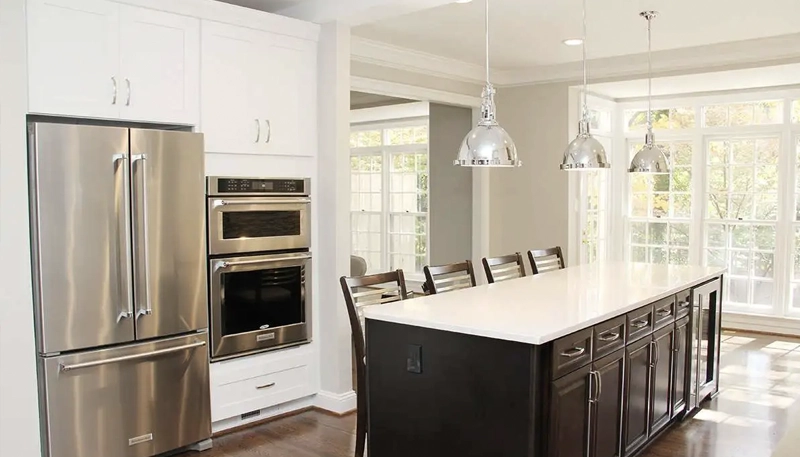
Kitchen island prices may be presented by square foot, by slab or as a complete fabricated and installed project. Understanding the pricing method is important before comparing quotations.
An installed square-foot rate may combine material, standard fabrication and installation. However, two companies may include different services within the advertised rate.
Before comparing prices, confirm whether the rate includes:
An advertised starting price should not be assumed to include premium colours, waterfall panels, complex mitres or difficult site access.
A kitchen island may have 24 to 32 square feet of finished surface but still require the purchase or allocation of a much larger slab. The usable layout must account for:
This is why multiplying the finished surface area by a promotional rate does not always produce an accurate total.
A project-based quote combines the approved material and fabrication scope into one total. This can make complex islands easier to evaluate because the quote can identify waterfalls, edge details, cutouts, supports, delivery and installation as separate line items or included components.
A detailed project quote should still explain what is excluded. A single total without scope is difficult to compare with another proposal.
Quote Comparison Principle
Compare the selected slab, fabrication details, inclusions and exclusions—not only the advertised square-foot rate.
The term “installed” does not guarantee that every service or project condition is included. The written quotation should identify the complete countertop scope.
Depending on the provider and approved quotation, the price may include:
Teccorp Stone offers a dedicated countertop survey and measurement service for applicable projects.
The following items may increase the price or require another trade:
A homeowner should not assume that plumbing reconnection, cooktop installation or cabinet modification is part of the stone-installation price unless those services are specifically listed.
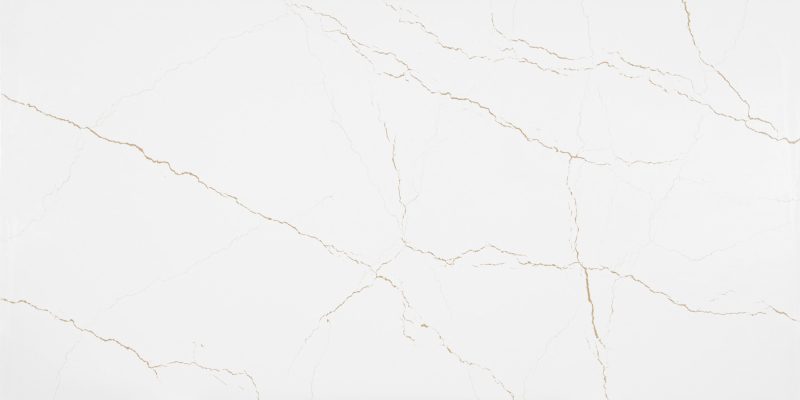
Quartz is frequently selected for kitchen islands because it provides consistent colours and patterns, a non-porous surface and a broad range of design options. Its installed cost depends on the manufacturer, collection, finish, slab format and fabrication details.
Current Toronto and GTA planning ranges can be divided into three general levels:
These categories are planning references rather than formal product grades. A particular colour may move between price levels because of supplier pricing, slab size, availability or promotion.
For a straightforward top-only island with approximately 24 to 32 square feet of finished surface, the countertop portion may commonly begin in the mid-$2,000s and move beyond $5,000 as material and fabrication requirements increase.
This preliminary range may not apply when:
Important quartz pricing factors include:
Browse Teccorp Stone’s available quartz surfaces or review the detailed quartz countertop cost guide for Toronto.
Quartz is heat resistant but should not be treated as heat-proof. Product manufacturers generally recommend using a trivet beneath hot cookware and heat-generating countertop appliances.
A cutting board should also be used instead of cutting directly on the surface. These habits protect the finish and help keep the installed material within its product-specific care requirements.
Quartz Slab Planning Tip
Select the exact quartz product before approving final island dimensions. Slab format and pattern direction can determine whether the top fits in one piece and how much additional material a waterfall design requires.
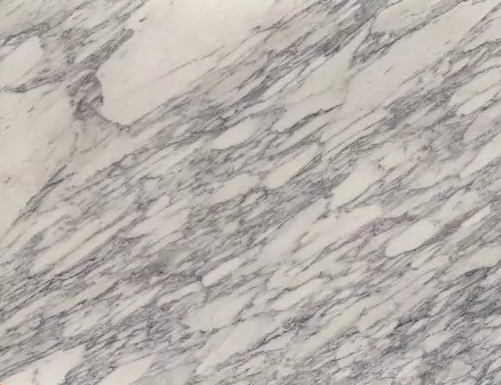
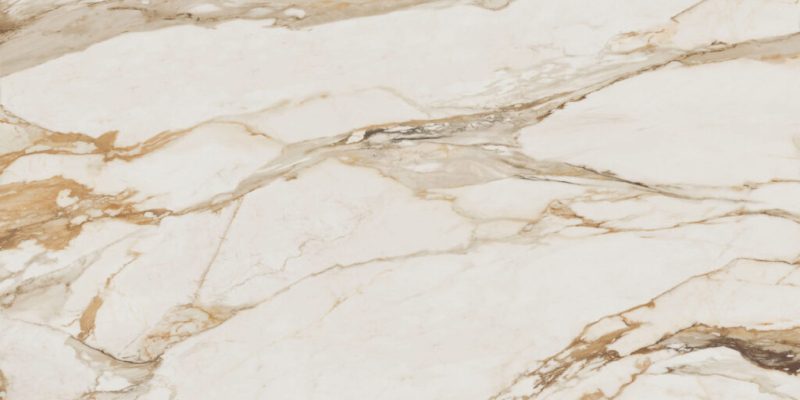
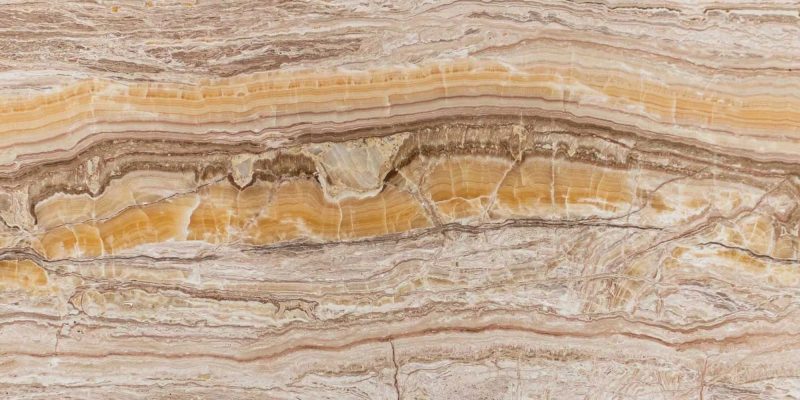
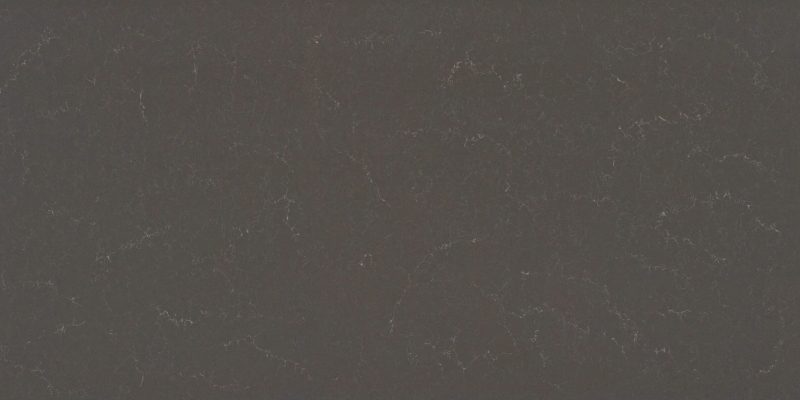
Granite is a natural stone, so pricing is influenced by the individual slab rather than colour alone. Two slabs sold under a similar commercial name may differ in pattern, usable area, resin treatment, fissures and layout suitability.
For preliminary Toronto and GTA budgeting, installed granite pricing commonly ranges from approximately $60 to $130+ per square foot. Standard and readily available selections are generally closer to the lower end, while uncommon colours, leathered finishes and visually distinctive slabs can move toward or beyond the upper range.
General planning levels include:
These ranges do not guarantee that every colour in a category will carry the same price. Supplier availability, slab finish, usable yield and required fabrication affect the final quotation.
For a straightforward top-only island with approximately 24 to 32 square feet of finished surface, an installed granite countertop may begin around the low-to-mid $2,000s and move beyond $4,500 as the slab, edge and fabrication requirements increase.
A complete slab purchase, difficult pattern placement, large cutouts or a required seam can change this preliminary calculation.
Important granite cost factors include:
Natural variation should be reviewed on the actual slab before cutting. A small sample cannot show the complete pattern, colour movement or characteristics that may appear across a large island.
Not every granite requires the same sealing schedule. Some dense granites may need little additional treatment, while other slabs may benefit from an appropriate penetrating sealer.








Granite tolerates heat better than many resin-based surfaces, but concentrated heat can create a thermal gradient within natural stone. Using a trivet beneath hot cookware remains the safer practice.
Browse available granite slabs and surfaces. Homeowners deciding between two island materials can also review the detailed comparison of porcelain and granite for kitchen islands.
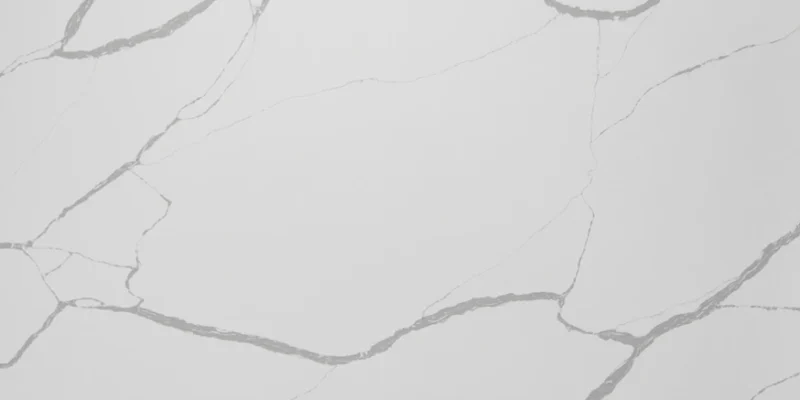
Porcelain is commonly considered for contemporary islands, thin-profile surfaces and waterfall designs. Its material cost is only one part of the quote. Cutting, edge construction, handling, reinforcement and installer experience can significantly affect the completed price.
For preliminary Toronto and GTA planning, selected 12mm porcelain countertops commonly range from approximately $95 to $145 per square foot installed.
A thin 12mm profile may be used as a visible design feature or combined with an approved edge-construction method to create a thicker appearance. The required substrate, support and edge preparation depend on the selected product and fabrication system.
Selected 20mm porcelain commonly ranges from approximately $120 to $180+ per square foot installed.
Material thickness alone does not determine whether an island can span an opening or support an overhang. Cabinet construction, cutouts, span, edge conditions and product-specific fabrication requirements must also be reviewed.
Porcelain pricing may increase because of:
Porcelain is highly resistant to heat, stains and scratches, but it is not immune to damage. Exposed edges can chip under hard impact, cutting boards remain recommended and heat-producing appliances should follow the selected manufacturer’s care instructions.
Browse Teccorp Stone’s available porcelain slabs and surfaces or review the complete guide to 12mm and 20mm porcelain countertop costs in Toronto.
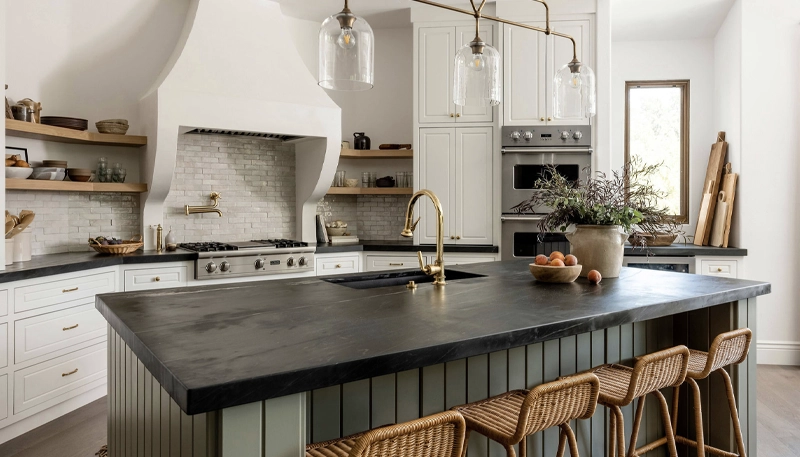
The finished square footage is only one measurement used to price a kitchen island. The fabricator must determine how the complete island fits within the usable portion of the selected slab.
A rectangular island may appear simple, but the slab layout must allow for:
A project can therefore require more material than the finished square-foot calculation suggests.
Some quartz and porcelain collections are available in more than one slab format. A larger format may allow an island to be fabricated without a top seam, but it can also carry a different material price and require more difficult handling.
Slab dimensions should be verified for the exact product. The word “jumbo” is not one universal measurement shared by every manufacturer.
A seam may be required when:
The seam should be planned before fabrication. Its position affects appearance, pattern continuity, handling and installation—not only price.
Strong directional patterns can reduce usable yield because the island top and connected panels must be cut in a deliberate orientation. A quieter or more uniform pattern may allow greater flexibility, while dramatic veining can require additional material to achieve the approved design.
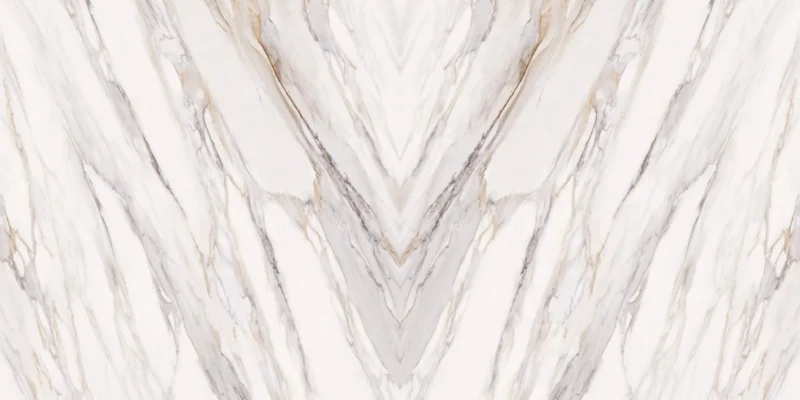
Bookmatching, mirrored layouts and continuous vein effects require the actual slabs to be reviewed. These details should not be promised from a small sample or catalogue image.
Slab Yield Principle
The lowest square-foot rate does not always produce the lowest project cost. A slab that fits the island efficiently may offer better overall value than a less expensive material that requires an additional slab or unwanted seam.
A waterfall island extends the countertop material vertically down one or both cabinet ends. This changes the material requirement, fabrication method and installation process, so a universal percentage should not be applied to every project.
A single waterfall panel requires additional slab material and a finished transition between the horizontal top and vertical end. It may be appropriate when one side of the island is exposed to an open living or dining area.
A double-waterfall island requires two vertical panels and more extensive slab planning. The design may require an additional slab depending on the island dimensions, available material and intended pattern transitions.
Cost may increase because of:
A waterfall panel must be coordinated with the finished floor and cabinet construction. It should not be used to conceal major cabinet misalignment or an unlevel installation area.
Bookmatching and vein alignment are related but not identical.
Vein alignment places the top and waterfall panel so that a visual line continues across the mitred transition as closely as the material allows.
Bookmatching uses adjacent patterned surfaces to create a mirrored effect. Whether true bookmatching is possible depends on how the material was produced, supplied and sequenced.
The chosen effect should be confirmed during slab-layout review rather than assumed from the material name.
Waterfall Pricing Principle
Price a waterfall design from the actual island dimensions and selected slab. A fixed 20%, 30% or 40% allowance cannot reliably account for slab quantity, mitres, pattern alignment and installation conditions.
Sink openings, cooktop cutouts, seating overhangs and upgraded edges can affect material usage, fabrication time and installation requirements. These details should be identified before measurement and slab layout.
An island with a sink or cooktop requires more than a rectangular slab cut. The fabricator must review:
Plumbing, electrical, gas, ventilation and appliance connections are separate trades unless specifically included in the written quotation.
An island overhang creates seating space but also places part of the countertop beyond the cabinet structure. Whether concealed brackets or another support system are required depends on:
There is no reliable universal overhang allowance for every quartz, granite or porcelain product. Support should be confirmed for the approved material and cabinet design before fabrication.
For broader planning guidance, review the article about kitchen island layout, seating and structural considerations.
A standard eased or square-profile edge is generally less complex to fabricate than a mitred, laminated or decorative edge.
A mitred edge uses joined pieces to create the appearance of a thicker surface. The cost reflects additional cutting, assembly, finishing and alignment—not only the visible thickness.
| Island Feature | Why It Can Affect Cost | What to Confirm |
|---|---|---|
| Undermount sink | Opening fabrication and finished exposed edges | Sink model, reveal and accessory holes |
| Cooktop opening | Product-specific opening and remaining material conditions | Appliance specifications and cabinet support |
| Seating overhang | May require concealed structural support | Depth, span, material and support design |
| Mitred edge | Additional cutting, joining and finishing | Visible thickness, corners and pattern alignment |
Condominium access does not automatically create the same surcharge on every project. It can, however, affect piece size, labour, delivery time and scheduling.
Conditions to identify before the quote include:
Access restrictions may require a planned seam even when the selected slab is large enough for a one-piece island. The delivery path should therefore be reviewed before the final fabrication layout is approved.
The following examples show how material and design choices can change a preliminary Toronto and GTA budget. They are planning scenarios, not advertised package prices.
| Example Project | Illustrative Scope | Preliminary Planning Range |
|---|---|---|
| Standard top-only island | Approximately 7–8 ft, selected quartz, standard edge and straightforward access | Approximately $2,500–$4,500 |
| Island with one waterfall end | Approximately 8–9 ft, quartz or granite, mitred waterfall and standard cutout | Approximately $4,500–$8,000 |
| Large architectural island | Approximately 9–10 ft, premium porcelain, two waterfalls, pattern alignment and multiple openings | Approximately $9,000–$15,000+ |
These examples generally exclude HST, cabinetry, plumbing, electrical work, appliances, demolition and building-management charges. An exact quote requires the selected slab, dimensions and installation conditions.
Providing complete initial information helps reduce assumptions and improves the usefulness of a preliminary estimate.
Include:
Approximate homeowner dimensions can support an initial discussion but do not replace professional site verification before fabrication.
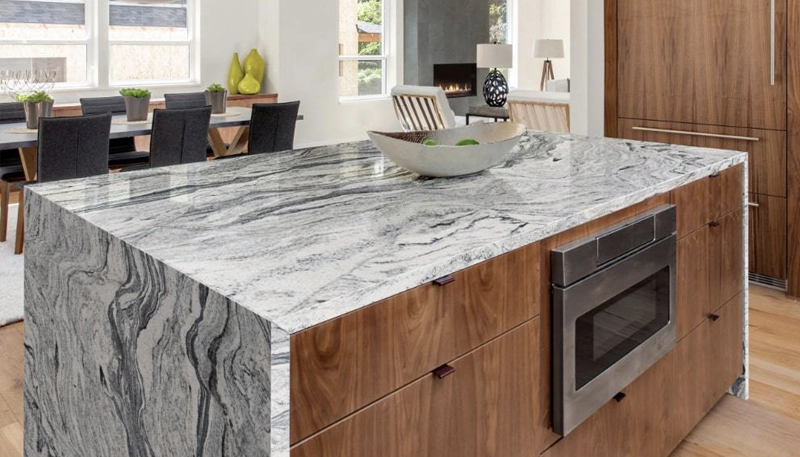
A straightforward top-only quartz island may commonly begin in the mid-$2,000s. Premium slabs, waterfalls, cutouts, mitred edges and access restrictions can increase the total.
Selected standard granite may begin below many quartz products, but uncommon slabs, special finishes and inefficient slab yield can make granite more expensive.
Porcelain may require specialized cutting, protected handling, product-specific support and detailed edge construction. Complexity varies between 12mm and 20mm products.
There is no dependable universal percentage. Cost depends on the additional slab material, mitred fabrication, panel quantity, pattern alignment and installation conditions.
It may. The decision depends on usable slab dimensions, cutouts, material characteristics, fabrication safety and the delivery path.
Only when they are identified in the written quote. Specialty openings, polishing and appliance requirements may be priced separately.
Support hardware or cabinet reinforcement should be listed separately or identified as included. Never assume an extended overhang is supported by the countertop material alone.
It can. Elevator booking, loading restrictions, limited piece size and additional handling may affect fabrication and installation planning.
Not always. Confirm whether HST is included or added to the quoted total.
A reliable kitchen island quote begins with the selected slab, accurate dimensions and a clearly defined fabrication scope.
Share your drawings, approximate measurements, project location, preferred material, waterfall requirements and appliance information with Teccorp Stone. Our team can review the preliminary scope and explain the next steps for material selection, professional measurement, fabrication and installation.
Plan Your Kitchen Island Countertop Budget
Compare material, slab requirements, cutouts, waterfalls, support and access before approving the final fabrication scope.