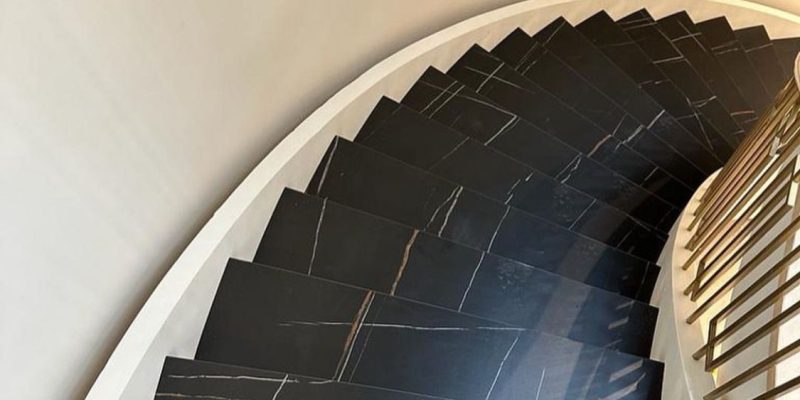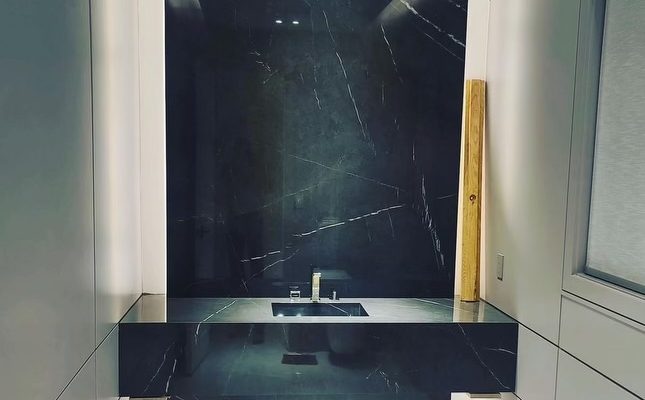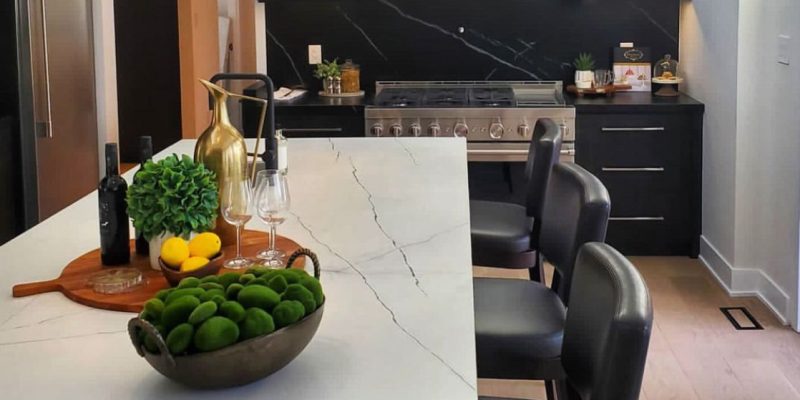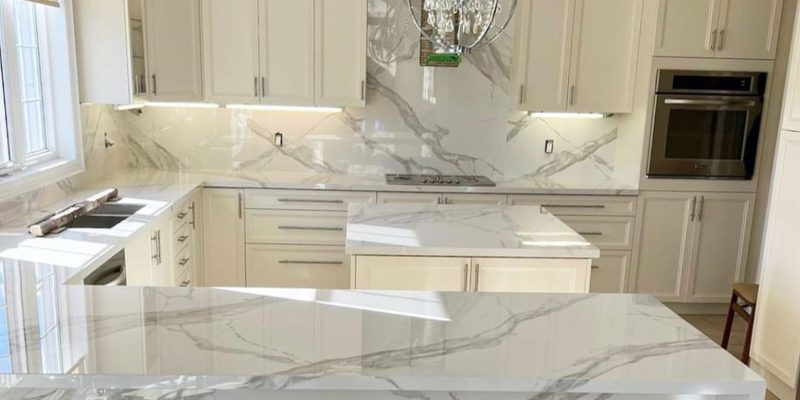
Choosing between quartz and marble countertops is one of the most important design and investment decisions Toronto homeowners make during a kitchen renovation. Both materials are considered premium surfaces, yet they differ significantly in durability, maintenance, long-term cost, and everyday performance. In 2026, as Toronto kitchens continue to evolve toward open-concept layouts and high-traffic usage, understanding these differences is essential before committing to either option.
At Teccorp Stone, we fabricate and install both quartz countertops and marble countertops across Toronto & the GTA. From downtown condos and North York townhomes to luxury estates in Vaughan, Richmond Hill, and Oakville, we see firsthand how each material performs in real GTA homes — not just in showrooms.
This guide breaks down the real-world differences between quartz and marble countertops based on Toronto-specific factors such as lifestyle, climate, resale value, and maintenance expectations. Whether you’re upgrading a family kitchen, designing a waterfall island, or planning a high-end renovation, this comparison will help you make a confident, informed choice.
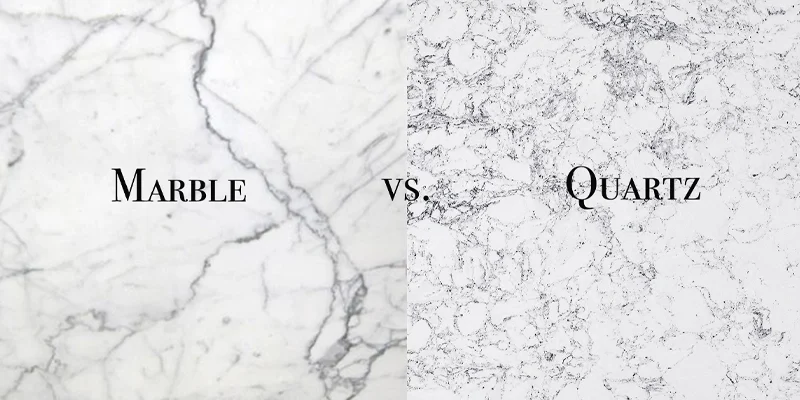
The most important distinction between quartz and marble starts at their origin. Quartz is an engineered stone, while marble is a 100% natural stone. This fundamental difference influences everything from durability to maintenance and long-term appearance.
Quartz countertops are manufactured using crushed natural quartz combined with polymer resins and pigments. This engineered process allows quartz to deliver consistent patterns, uniform color, and enhanced structural strength. Because quartz is non-porous, it does not absorb liquids and never requires sealing.
In Toronto kitchens, quartz has become the most installed countertop material due to its balance of durability, aesthetics, and low maintenance. It is especially popular in:
Quartz performs exceptionally well in busy households where daily cooking, spills, and frequent cleaning are part of everyday life. For homeowners prioritizing practicality without sacrificing style, quartz is often the safest long-term investment.
Marble is a metamorphic natural stone formed over millions of years through intense heat and pressure. Its defining feature is its unique veining — no two slabs are ever identical. This organic variation is exactly what attracts homeowners seeking a timeless, high-end aesthetic.
In the GTA, marble countertops are most commonly chosen for:
However, marble is softer and more porous than quartz. Without proper sealing and care, it can etch, stain, and scratch over time. This doesn’t make marble a poor choice — it simply means it suits a different type of homeowner and lifestyle.
Durability is often the deciding factor for GTA homeowners — especially families who cook daily or entertain frequently. While both materials are strong, they perform very differently under everyday kitchen conditions.
Quartz is engineered for strength. Its non-porous surface resists stains from coffee, wine, oils, and sauces — a major advantage in busy Toronto kitchens. It is also highly scratch-resistant during normal food preparation and does not react to acidic substances.
For homes with children, open-concept layouts, or heavy weekday cooking, quartz provides peace of mind. It maintains its appearance with minimal effort, making it ideal for homeowners who value function alongside design.
Many Toronto clients pair quartz countertops with our Kitchen Island Countertops service to create durable waterfall islands that can handle daily use without worry.
Marble is durable in structure but delicate in surface behavior. It is more prone to:
That said, many Toronto homeowners intentionally choose marble knowing it will develop a natural patina over time. In luxury design, this aging process is often viewed as character rather than damage.
For households that cook lightly, entertain occasionally, or prioritize visual impact over maintenance simplicity, marble remains one of the most elegant countertop materials available.
Toronto’s climate plays a significant role in countertop performance. Seasonal humidity changes, dry winters, and indoor heating systems affect natural stone more than engineered surfaces.
Quartz requires no sealing and is unaffected by moisture or temperature changes common in Toronto homes. Marble, on the other hand, should be sealed regularly and maintained with pH-neutral cleaners to prevent long-term damage.
If you prefer a surface that looks the same year after year with minimal upkeep, quartz is the practical winner. If you appreciate natural materials and are comfortable with routine care, marble offers unmatched elegance.
When comparing quartz vs marble countertops, durability and day-to-day performance play a major role—especially in Toronto homes where kitchens are used heavily for cooking, entertaining, and family life. While both materials offer premium aesthetics, their behaviour under daily use is very different.
Quartz is an engineered stone made from natural quartz crystals combined with advanced resins. This manufacturing process creates a non-porous, highly durable surface that performs exceptionally well in busy GTA kitchens.
Because quartz does not absorb liquids, it resists stains from coffee, wine, oils, and acidic foods without requiring sealing. This makes it a preferred choice for families, condo owners, and homeowners who want a surface that looks great with minimal upkeep.
In Toronto condos and suburban homes alike, quartz is often selected for its ability to handle daily wear without visible aging. Its consistent structure also reduces the risk of chips and surface imperfections over time.
For homeowners prioritizing ease of care, quartz is commonly installed through our
Kitchen Countertops in Toronto & GTA service, where low-maintenance performance is a key deciding factor.
Marble is a natural stone formed through metamorphic processes, resulting in elegant veining and a soft, luxurious appearance. However, this beauty comes with trade-offs—particularly in high-use kitchens.
Unlike quartz, marble is porous and chemically sensitive. Acidic substances such as lemon juice, vinegar, and wine can etch the surface, leaving dull marks if spills are not cleaned immediately. Scratching is also more likely due to marble’s softer composition.
That said, many Toronto homeowners still choose marble because of its unmatched visual appeal. In upscale neighborhoods like Forest Hill, Rosedale, and Lawrence Park, marble is often used as a statement feature—especially on kitchen islands or baking stations where its naturally cool surface is an advantage.
When properly sealed and maintained, marble can last decades, developing a natural patina that many designers consider part of its charm rather than a flaw.
Heat resistance is another important consideration. Marble handles heat well, making it suitable for occasional hot cookware. Quartz, while durable, is more sensitive to direct high temperatures due to the resins used in its composition.
For Toronto homeowners who cook frequently, the solution is often strategic design—using trivets on quartz surfaces or combining materials within the same kitchen layout. This approach is commonly applied in custom projects involving
Kitchen Island Countertops, where marble may be used selectively for visual impact.
From a maintenance standpoint, quartz clearly offers convenience.







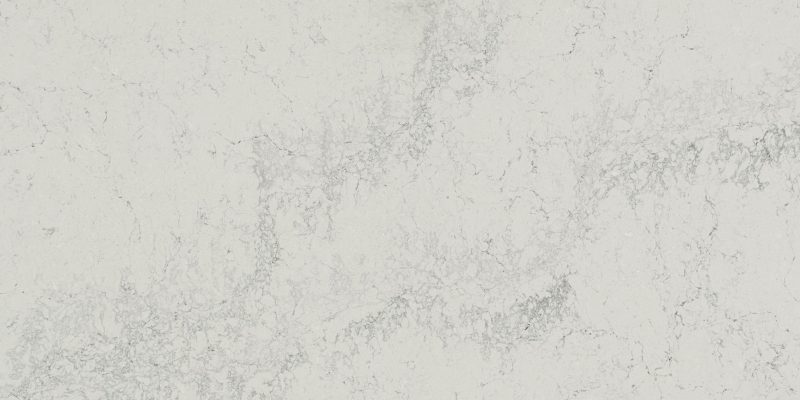
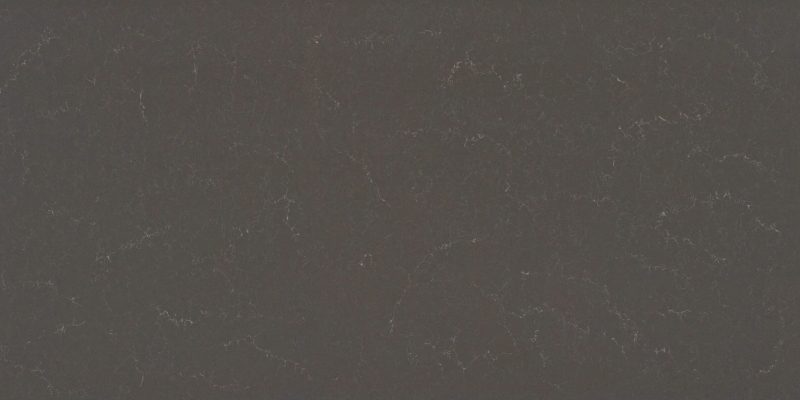
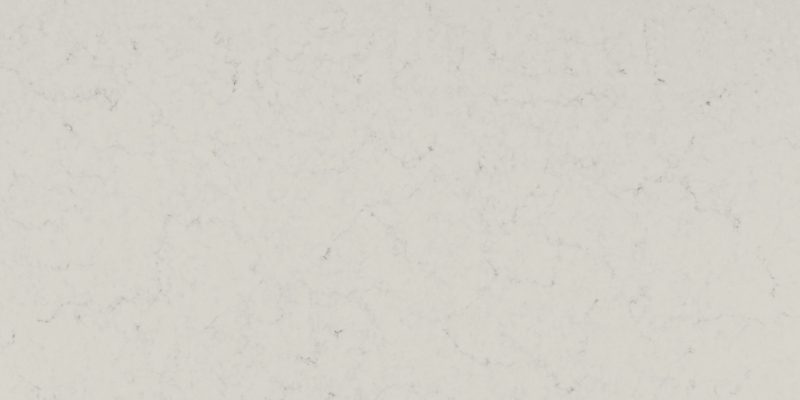




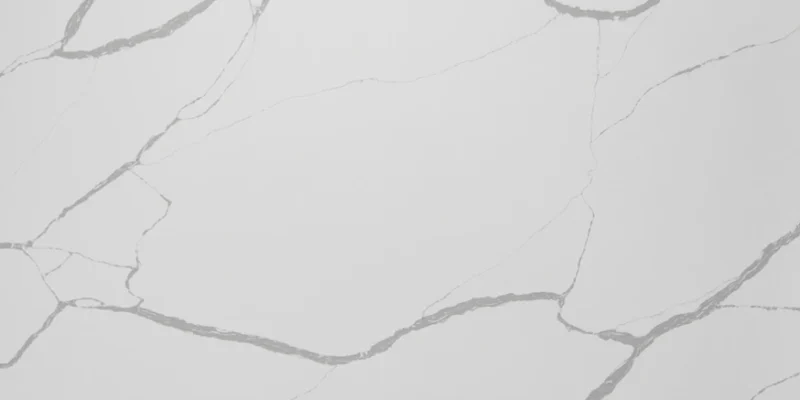
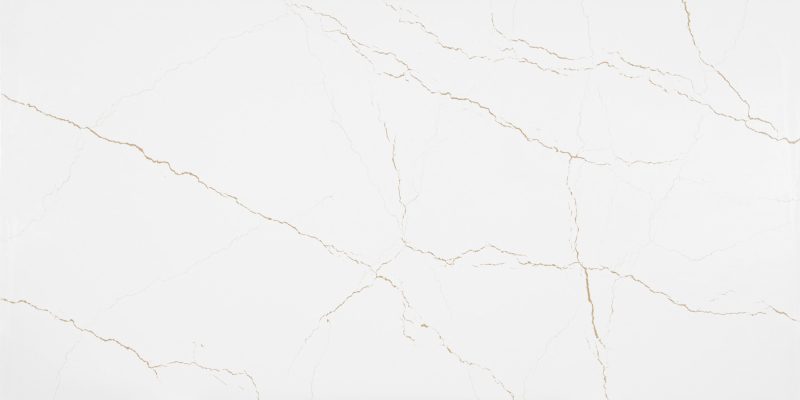
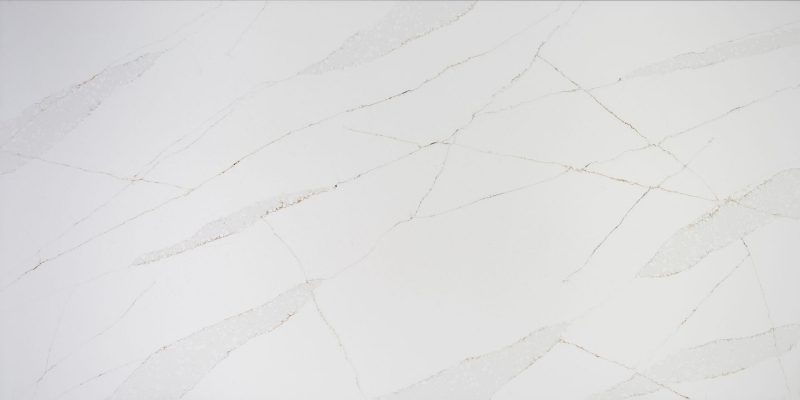


For homeowners deciding between these materials, the question often becomes less about appearance and more about lifestyle. Quartz suits fast-paced households and rental properties, while marble appeals to those willing to invest time and care in exchange for timeless elegance.
Understanding how each surface performs in real Toronto kitchens is essential before making a final decision—and durability is where these two materials truly diverge.
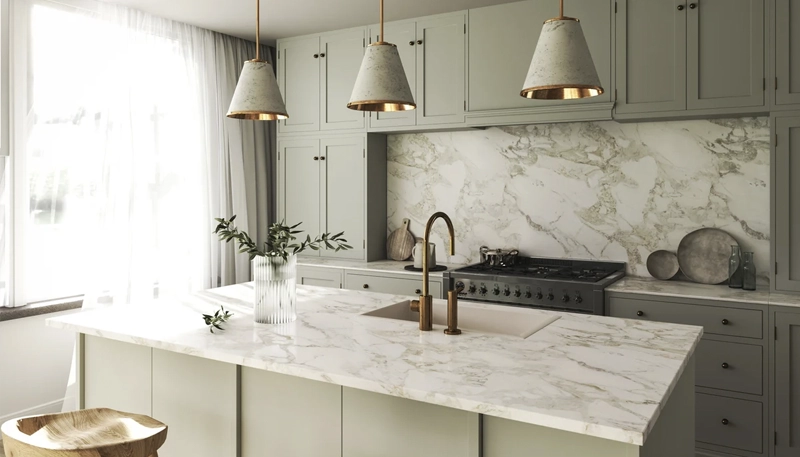
Beyond durability and maintenance, one of the biggest deciding factors when choosing between quartz and marble countertops is how each material influences kitchen design and long-term property value in Toronto’s competitive real estate market.
Quartz is known for its clean lines, consistent patterns, and wide colour range. This makes it especially popular in modern and transitional kitchens across Toronto condos and newly built homes. Neutral quartz surfaces—such as soft whites, greys, and Calacatta-inspired designs—create a bright, open feel that pairs well with contemporary cabinetry and minimalist layouts.
Because quartz slabs offer predictable veining and colour consistency, designers can plan layouts with precision. This is particularly valuable in compact Toronto kitchens where visual balance and light reflection play a major role in perceived space.
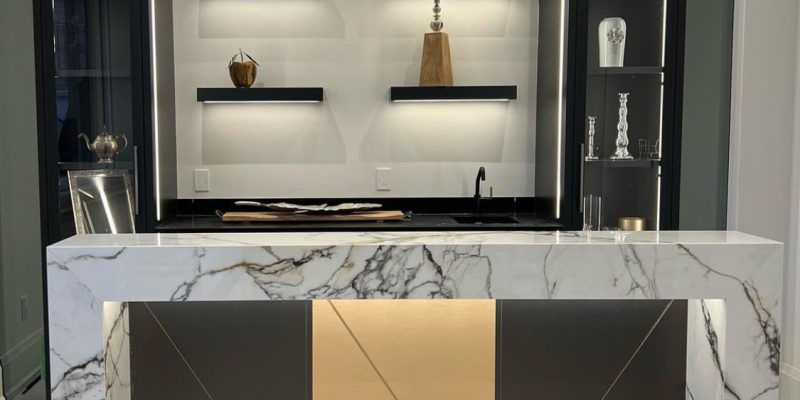
Marble delivers a completely different aesthetic. Its natural veining, depth, and movement create a sense of luxury that engineered surfaces cannot fully replicate. In high-end Toronto neighbourhoods such as Rosedale, Forest Hill, and Yorkville, marble is often chosen for its artistic, one-of-a-kind appearance.
Rather than looking uniform, marble becomes the focal point of the kitchen—often used on islands, backsplashes, or feature walls to elevate the overall design.
From a resale perspective, both quartz and marble can add value—but they appeal to different buyer mindsets. Quartz tends to attract the widest audience because of its practicality, durability, and low-maintenance reputation. Many Toronto buyers actively look for quartz countertops when evaluating move-in-ready homes.
This makes quartz a strong choice for homeowners planning to sell in the near future or for investment properties where broad buyer appeal is essential. Kitchens featuring quartz surfaces often photograph well in listings and require minimal explanation during showings.
Marble, while slightly more polarizing, can significantly boost perceived value in luxury homes. Buyers shopping in the upper end of the Toronto market often associate marble with premium craftsmanship and architectural refinement. When properly maintained, marble signals exclusivity rather than inconvenience.
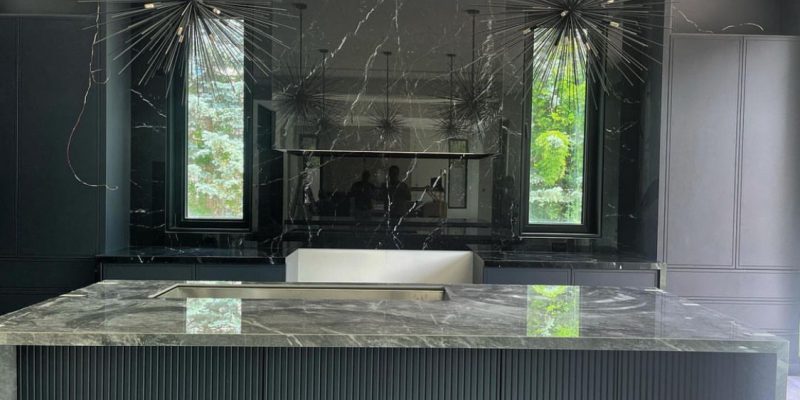
One increasingly popular strategy in GTA renovations is combining quartz and marble within the same kitchen. For example, quartz may be used on perimeter countertops for durability, while marble is featured on a kitchen island or baking station for visual impact.
This balanced approach allows homeowners to enjoy the beauty of marble without committing to full-surface maintenance, while still benefiting from the everyday performance of quartz. Many of these designs are executed through our
Kitchen Island Countertops service.
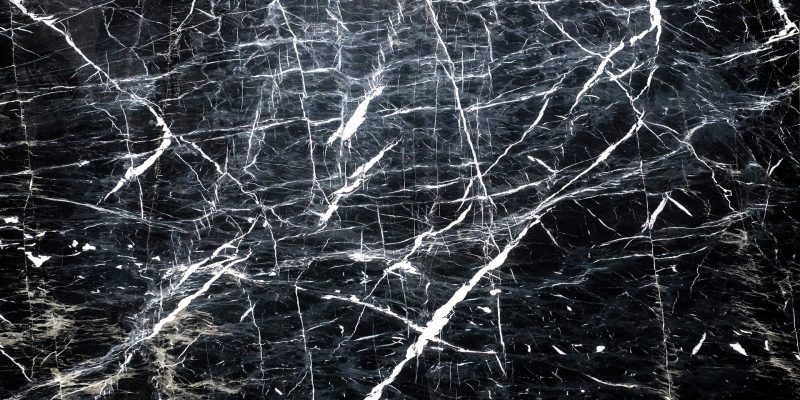
Colour selection also plays a key role in resale. Light-toned quartz and marble surfaces tend to increase perceived space and brightness—an important factor in Toronto condos and townhomes. Darker marbles, while striking, are typically reserved for larger kitchens where scale supports bold design choices.
Quartz maintains its original appearance over time, making it ideal for homeowners who prefer a consistent, polished look year after year. Marble, in contrast, evolves. Minor etching, soft wear, and natural patina become part of its character, especially in well-loved kitchens.
For some Toronto homeowners, this natural aging is a benefit rather than a drawback. Marble kitchens often tell a story—one that resonates strongly with buyers who value authenticity and timeless materials.
Ultimately, both materials can enhance your home’s design and value when chosen intentionally and installed professionally. Understanding how each surface contributes to visual impact and buyer perception helps ensure your investment aligns with your long-term goals.
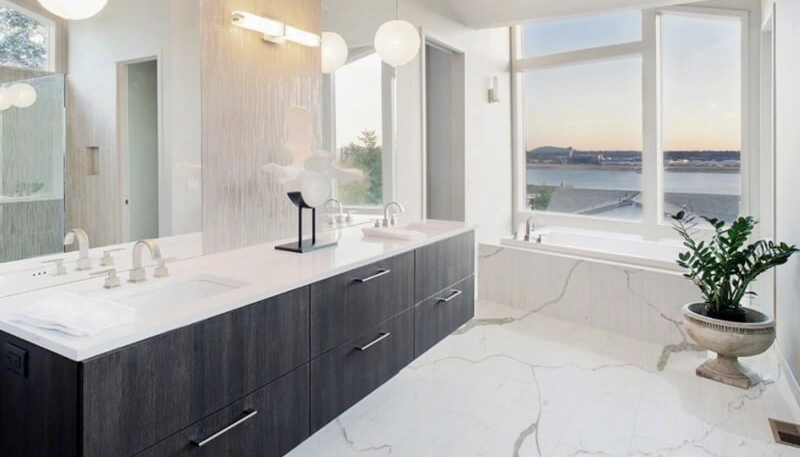
Choosing between quartz and marble countertops in Toronto is no longer just a design decision—it’s a lifestyle and long-term value choice. With rising renovation costs, higher buyer expectations, and increased focus on durability in GTA homes, homeowners must weigh beauty against practicality.
Both materials are premium options, but they perform very differently in real Toronto kitchens, condos, and luxury homes. Climate conditions, daily usage, resale expectations, and maintenance tolerance all play a role in determining which surface truly delivers better value.
For most kitchen countertop applications in Toronto and the GTA, quartz remains the more practical choice. Its non-porous surface resists staining from coffee, wine, oils, and spices—common in busy family kitchens and downtown condo units.
Marble, while visually stunning, is significantly more sensitive to acids and moisture. In Toronto homes where cooking is frequent, marble countertops can etch or discolor if spills are not cleaned immediately. This makes marble better suited for low-traffic kitchens, statement islands, or homeowners comfortable with ongoing maintenance.
From a real estate perspective, quartz countertops consistently appeal to a broader range of buyers across Toronto, Mississauga, Vaughan, Markham, and Richmond Hill. Their clean look, durability, and low maintenance align well with modern buyer expectations.
Marble countertops, on the other hand, are highly desirable in luxury properties—especially in areas like Forest Hill, Rosedale, Yorkville, and Oakville. In these markets, marble is viewed as a premium upgrade and can elevate perceived home value when paired with high-end cabinetry and finishes.
For homeowners planning resale within 3–7 years, quartz often provides a safer return on investment. Marble works best when the goal is luxury differentiation rather than mass-market appeal.
Toronto’s seasonal humidity changes and temperature swings make material stability important. Quartz requires virtually no maintenance beyond routine cleaning, making it ideal for condos and family homes.
Marble requires:
For homeowners who value ease and consistency, quartz is clearly the better fit. For those who appreciate natural patina and evolving character, marble offers unmatched elegance.
Quartz offers greater consistency in color and pattern, making it ideal for large kitchens, waterfall islands, and seamless designs. It pairs exceptionally well with modern layouts and is frequently used in kitchen island countertops across the GTA.
Marble shines as a focal material. Designers often use it for islands, backsplashes, or feature surfaces while combining it with quartz perimeter countertops for balance. This hybrid approach is increasingly popular in Toronto luxury renovations.
Choose quartz if you:
Choose marble if you:
At Teccorp Stone, we fabricate and install both quartz and marble countertops using in-house CNC precision, allowing Toronto homeowners to compare materials side by side before making a final decision.
If you’re still unsure which option fits your lifestyle and budget, our Countertop Survey & Measurement service provides expert guidance based on your kitchen layout, usage, and design goals.