Choosing the right countertop material is one of the most important decisions in any kitchen renovation. For homeowners across Toronto and the GTA, the comparison between laminate and quartz countertops often comes down to a balance between budget, performance, and long-term value.
Laminate countertops are widely recognized as an affordable and practical option, while quartz is positioned as a premium, high-performance surface. Understanding how these two materials differ in cost, durability, appearance, and lifestyle impact is essential before committing to either choice.
At a fundamental level, laminate and quartz countertops are designed for very different homeowners.
Laminate countertops are manufactured surfaces made by bonding decorative layers to a particleboard or MDF core. They are lightweight, cost-effective, and available in a wide range of colors and patterns.
Quartz countertops, on the other hand, are engineered stone surfaces made from crushed natural quartz combined with resins and pigments. This creates a dense, durable, non-porous surface that closely mimics natural stone while offering enhanced consistency and performance.
For homeowners planning a full kitchen countertop installation, this distinction has major implications for longevity, maintenance, and resale value.
Cost is usually the first factor homeowners consider when comparing laminate and quartz countertops.
Laminate is one of the most affordable countertop materials available in the Toronto market. Installed prices typically range from:
Because laminate is lightweight and easy to install, labor costs are lower compared to stone surfaces. This makes laminate especially attractive for rental properties, quick remodels, or budget-conscious renovations.
Quartz countertops fall into the premium category, with installed pricing generally ranging from:
Although quartz requires a higher initial investment, many Toronto homeowners view it as a long-term upgrade rather than a short-term expense. For detailed pricing examples, our Quartz Countertops collection showcases a range of styles and price points available locally.
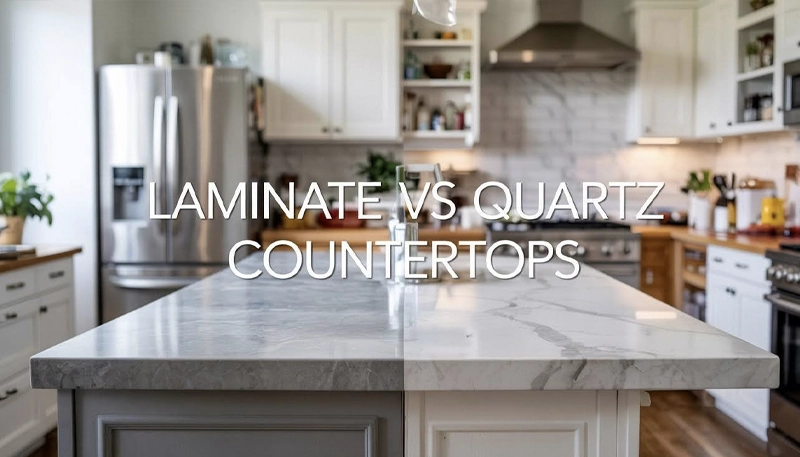
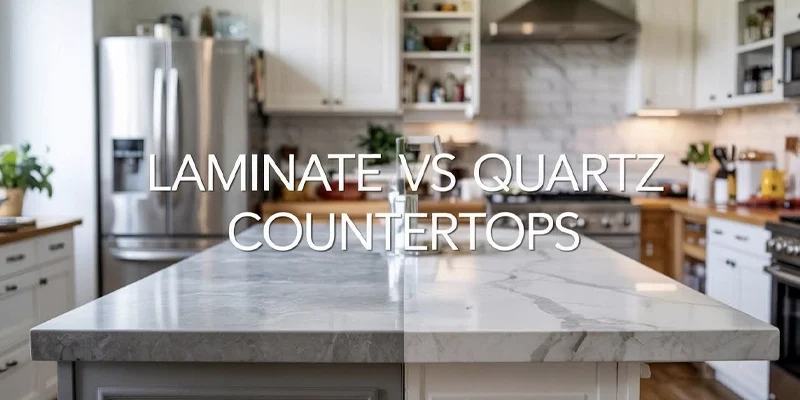
Toronto kitchens experience heavy daily use, frequent cooking, and seasonal temperature changes. This makes durability a critical factor when comparing laminate and quartz.
Laminate countertops perform well under light to moderate use but have clear limitations:
For condos, secondary kitchens, or low-traffic spaces, laminate can be a practical solution. However, in busy family kitchens, wear and tear often becomes visible within a few years.
Quartz countertops are engineered for durability. Their dense, non-porous surface offers:
Quartz does not require sealing and handles spills, food prep, and daily cleaning with ease. For homeowners planning long-term occupancy, quartz often proves more cost-effective over time despite the higher upfront price.
Visual appeal plays a major role in countertop selection, especially in open-concept Toronto homes where kitchens are highly visible.
Laminate has improved significantly in recent years, with designs that mimic stone and wood. However, close inspection often reveals its synthetic nature, particularly at seams and edges.
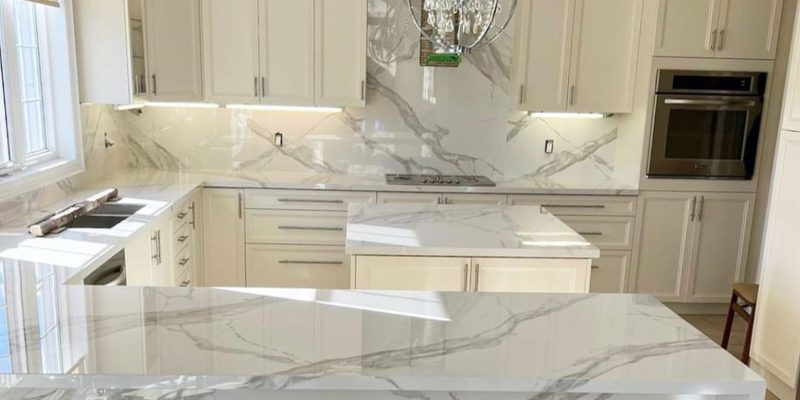
Quartz offers a more refined, high-end appearance. Its weight, finish quality, and depth of pattern contribute to a premium feel that enhances the overall perception of the kitchen.
In competitive real estate markets like Toronto and the Greater Toronto Area, quartz countertops are often associated with higher resale appeal, while laminate is typically viewed as a functional, entry-level option.
Beyond upfront cost and appearance, maintenance plays a major role in how satisfied homeowners remain with their countertop choice over time. In Toronto homes, where kitchens are used heavily year-round, daily care requirements can quickly influence long-term satisfaction.
Laminate countertops are relatively easy to clean but require more caution during daily use. Basic maintenance includes wiping the surface with mild soap and water and avoiding abrasive cleaners that can dull the finish.
However, laminate has several limitations that homeowners should understand:
Because laminate cannot be refinished or repaired, visible wear often means full replacement. For this reason, laminate is most suitable for short- to medium-term use or spaces with lighter kitchen activity.
Quartz countertops are designed for low-maintenance living. Their non-porous surface does not require sealing and resists staining from common kitchen spills such as wine, coffee, oils, and sauces.
Daily care typically involves:
For homeowners planning a long-term kitchen countertop installation, quartz offers predictable performance with minimal upkeep, making it especially attractive for busy households.
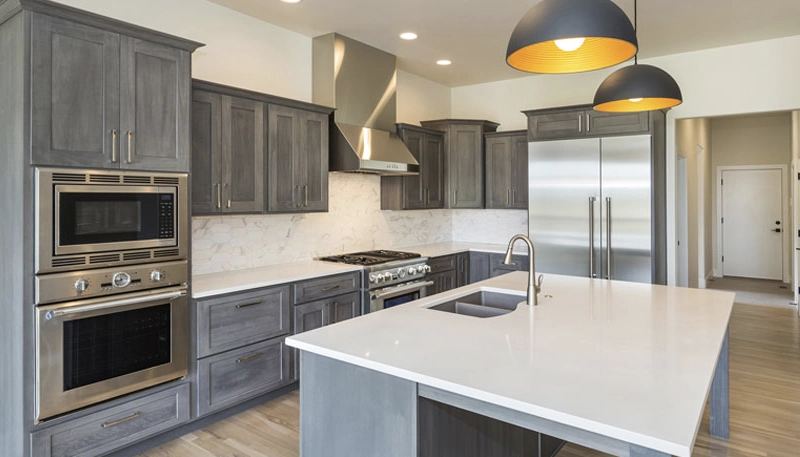
One of the clearest differences between laminate and quartz countertops is how long they realistically last under normal household conditions.
In most Toronto homes, laminate countertops last approximately:
Once laminate surfaces show wear, there are few effective repair options. This often leads homeowners to replace them entirely during the next renovation cycle.
Quartz countertops are engineered for longevity. When properly installed, they commonly last:
Because quartz maintains its appearance and performance for decades, it is often considered a one-time investment rather than a temporary solution.
In the Toronto real estate market, kitchens play a major role in buyer decision-making. Countertop material can significantly influence how a home is perceived during resale.
Laminate countertops are generally viewed as functional but outdated in higher-end listings.
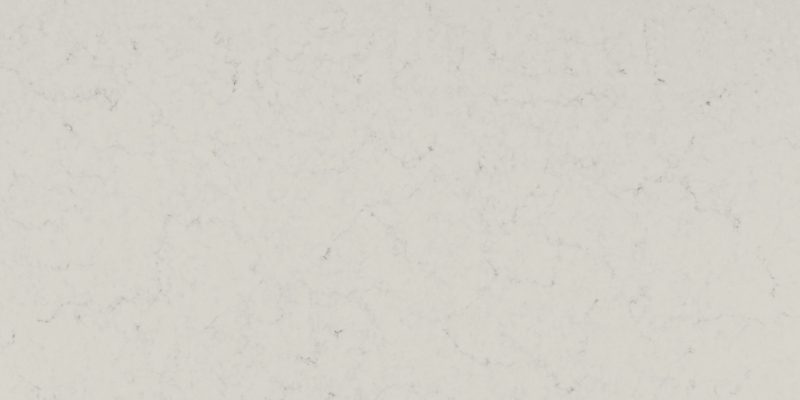








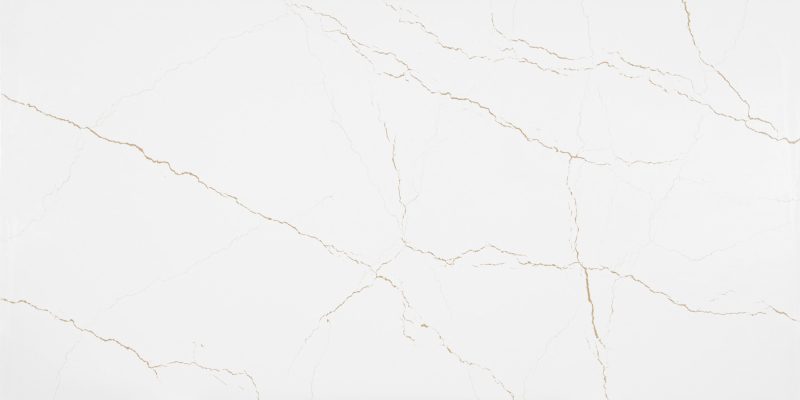




Quartz countertops, by contrast, are widely recognized as a premium upgrade. Buyers associate quartz with durability, cleanliness, and modern design — qualities that enhance overall property appeal.
For homeowners renovating in areas such as Toronto, Vaughan, Richmond Hill, and Oakville, quartz countertops often align better with buyer expectations in mid-to-high-end homes.
Choosing between laminate and quartz ultimately depends on lifestyle, budget, and long-term plans.
Laminate countertops are best suited for:
Quartz countertops are ideal for:
Homeowners who plan to stay in their home for many years often find that quartz delivers better value over time, despite its higher upfront cost.
When homeowners compare laminate and quartz countertops, design flexibility is often one of the most overlooked yet influential factors. In Toronto kitchens — where open-concept layouts and visible islands are common — countertop appearance plays a major role in the overall aesthetic.
Modern laminate countertops have evolved significantly in recent years. Many new laminate designs attempt to mimic the look of natural stone, including marble and granite-inspired patterns.
However, laminate remains limited in several key areas:
In Toronto homes with compact kitchens or rental-focused layouts, laminate can appear clean and functional. But in open kitchens where countertops are a focal point, laminate often lacks the visual presence homeowners expect.
Quartz countertops offer significantly more design versatility while maintaining consistency. Because quartz is engineered, homeowners can select specific colors, patterns, and finishes with predictable results.
This makes quartz particularly attractive for:
Quartz also supports advanced fabrication options, including mitered edges, thick profiles, and waterfall island designs — features that are not possible with laminate surfaces.
For homeowners planning statement kitchens, quartz is frequently installed as part of a complete kitchen island countertop design where aesthetics and durability must work together.
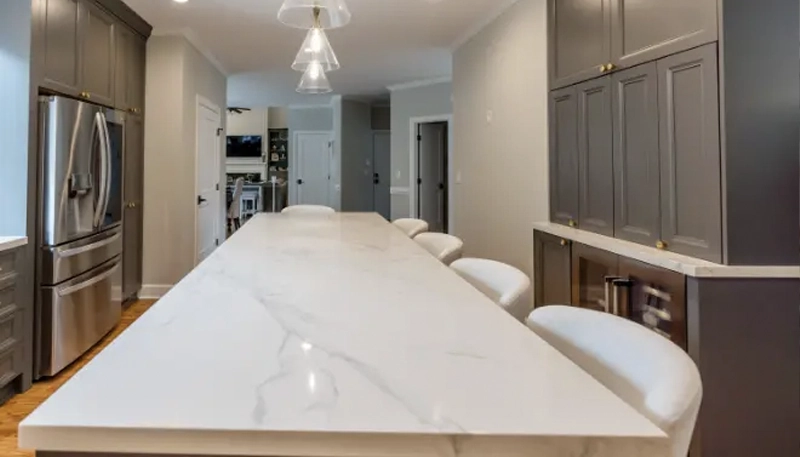
Heat resistance is one of the most practical differences between laminate and quartz countertops, especially in busy Toronto kitchens where cooking happens daily.
Laminate countertops are highly sensitive to heat. Hot pots, pans, or baking trays placed directly on the surface can cause:
Once heat damage occurs, laminate cannot be repaired or refinished. This makes laminate less forgiving in kitchens where cooking is frequent or fast-paced.
Quartz countertops perform far better than laminate under normal cooking conditions, but they are not completely heat-proof. While quartz is resistant to moderate heat, the resins used in its manufacturing can be damaged by extreme temperatures.
Best practices for quartz countertops include:
Despite these precautions, quartz remains a far more durable option for everyday cooking than laminate, especially in family kitchens and homes with frequent meal preparation.
Moisture exposure is another critical factor, particularly around sinks, dishwashers, and prep zones.
Laminate countertops are vulnerable to moisture intrusion at seams and edges. Over time, water penetration can cause:
These issues are common in Toronto homes where kitchens are used year-round and humidity levels fluctuate with the seasons.
Quartz countertops are non-porous, meaning they do not absorb water or moisture. This makes quartz highly reliable around sinks, faucets, and dishwashers.
In homes where durability and hygiene are priorities, quartz is often selected as part of a professional kitchen countertop installation to minimize long-term maintenance concerns.
From a real-world usage perspective, laminate and quartz serve very different homeowner needs. Laminate performs adequately in low-use kitchens or short-term renovations, while quartz is engineered for consistent, long-term performance.
For Toronto homeowners who cook frequently, entertain often, or prioritize durability, quartz offers a noticeably better experience over time — even before resale value is considered.
Cost is often the deciding factor when choosing between laminate and quartz countertops, especially for Toronto homeowners balancing renovation budgets with long-term expectations.
Laminate remains one of the most affordable countertop options available in the GTA. Installed prices typically range from:
This low entry cost makes laminate appealing for:
However, laminate’s lower upfront cost often comes with trade-offs in durability, repairability, and lifespan.
Quartz countertops fall into the mid-to-premium pricing category. In Toronto and surrounding GTA cities, installed quartz pricing generally ranges between:
While quartz requires a higher initial investment, it offers:
For many homeowners, quartz becomes more cost-effective over time due to fewer repairs, replacements, and maintenance needs.
In Toronto homes, laminate countertops typically last 10–15 years depending on usage, moisture exposure, and care. Once damaged by heat, moisture, or impact, laminate cannot be refinished — replacement is usually the only option.
Maintenance requirements are simple, but durability limitations often shorten laminate’s usable lifespan in busy kitchens.
Quartz countertops regularly last 20–30 years or more with basic care. Because quartz is non-porous, it does not require sealing and resists staining, bacteria, and moisture penetration.
Daily maintenance involves only mild soap and water, making quartz one of the lowest-maintenance countertop materials available for Ontario homes.
In competitive Toronto and GTA real estate markets, countertop material can influence buyer perception more than many homeowners expect.
Laminate is generally viewed as a functional, entry-level surface. While acceptable in budget properties, it rarely adds resale appeal.
Quartz countertops, on the other hand, are commonly associated with modern upgrades, durability, and quality construction. Homes featuring quartz kitchens often photograph better, show better, and attract more buyer interest.
For homeowners planning to sell within the next 5–10 years, quartz can contribute positively to perceived home value — especially in open-concept layouts where countertops dominate visual space.
In Toronto homes where kitchens serve as both functional and social hubs, quartz consistently outperforms laminate over time.
Laminate and quartz serve very different purposes. Laminate offers affordability and simplicity for short-term or low-use applications. Quartz delivers durability, consistency, and long-term value for homeowners investing in their primary kitchen.
If your renovation goal is immediate affordability, laminate may meet your needs. If your priority is longevity, performance, and visual impact, quartz is the stronger choice.
To explore available quartz options or plan a professional installation, visit our Quartz Countertops collection or consult with our team for a tailored kitchen countertop solution.