Sustainability is no longer a niche consideration in kitchen design. Across Ontario, homeowners are increasingly prioritizing eco-friendly materials that reduce environmental impact without sacrificing durability, performance, or aesthetics. In 2026, kitchen countertop choices play a significant role in creating healthier homes and more responsible renovations.
Eco-friendly kitchen countertops focus on responsible sourcing, longevity, low chemical emissions, and reduced waste. For Ontario homeowners renovating kitchens in Toronto, the GTA, and surrounding regions, selecting sustainable countertop materials is both an environmental decision and a long-term investment.
Unlike short-lived trends, sustainable countertops align with durability, resale value, and regulatory standards increasingly emphasized in Canadian construction and renovation projects.
Not all “green” materials are created equal. A truly eco-friendly kitchen countertop meets several key criteria throughout its lifecycle — from extraction and manufacturing to daily use and end-of-life disposal.
In Ontario homes, where kitchens experience heavy daily use, durability is a core sustainability factor. A countertop that lasts 30 years is far more eco-friendly than one replaced every 7–10 years.
Ontario’s renovation market has shifted significantly over the past few years. Homeowners are increasingly aware of:
Sustainable countertop materials help address all of these concerns. In cities like Toronto, Vaughan, Markham, and Oakville, eco-conscious upgrades are often viewed as premium improvements rather than compromises.
Many homeowners planning full kitchen countertop installations now include sustainability as a core decision factor alongside cost and appearance.
When sourced and fabricated responsibly, natural stone can be one of the most sustainable countertop materials available. Stones such as granite, quartzite, marble, and soapstone are quarried directly from the earth and can last for decades — often longer than the homes they are installed in.
Unlike many synthetic materials, natural stone:
In Ontario, stone countertops are frequently salvaged and reused in secondary applications, making them far more sustainable than short-lifecycle alternatives.
High-quality stone surfaces such as granite and quartzite are especially valued for their durability, heat resistance, and long-term performance.
Quartz countertops occupy a unique position in sustainable kitchen design. While quartz is engineered rather than natural, high-quality quartz surfaces can still be considered environmentally responsible when properly manufactured.
Modern quartz countertops:
For Ontario homeowners seeking low-maintenance, durable surfaces with predictable performance, quartz can be a sustainable option — particularly when sourced from manufacturers with responsible production practices.
If consistency and low upkeep are priorities, exploring our Quartz Countertops collection can help balance sustainability with everyday practicality.
One of the most important yet overlooked aspects of sustainability is lifespan. Materials that fail prematurely contribute significantly to landfill waste and replacement emissions.
In Ontario kitchens, countertops endure heat, moisture, impact, and daily wear. Choosing materials that withstand these conditions for decades dramatically reduces environmental impact over time.
Natural stone and high-quality engineered surfaces outperform budget alternatives in this regard, making them the preferred choice for eco-conscious renovations focused on durability rather than short-term savings.
Sustainability doesn’t end with material selection. Proper measurement, fabrication, and installation minimize waste and maximize slab efficiency.
Our Countertop Survey & Measurement service helps Ontario homeowners reduce unnecessary material waste while ensuring optimal seam placement and structural integrity.
Thoughtful planning is a key component of environmentally responsible kitchen design — and often results in a cleaner, more refined final result.
Beyond natural stone, many Ontario homeowners in 2026 are actively exploring recycled and low-impact countertop materials to further reduce environmental footprint. These surfaces are designed to minimize raw material extraction, reuse industrial waste, and lower overall carbon emissions during production.
For kitchens in Toronto and across the GTA, recycled countertop materials offer an appealing balance between modern design, responsible manufacturing, and long-term usability — especially for homeowners committed to sustainable renovation practices.
Recycled stone countertops are typically made from a blend of reclaimed stone fragments, post-industrial waste, and binding agents. These surfaces reduce landfill waste while maintaining strong structural performance.
Key sustainability benefits include:
While some recycled composites contain resins, high-quality options manufactured for the Canadian market are designed to meet indoor air quality standards and durability expectations suitable for Ontario homes.
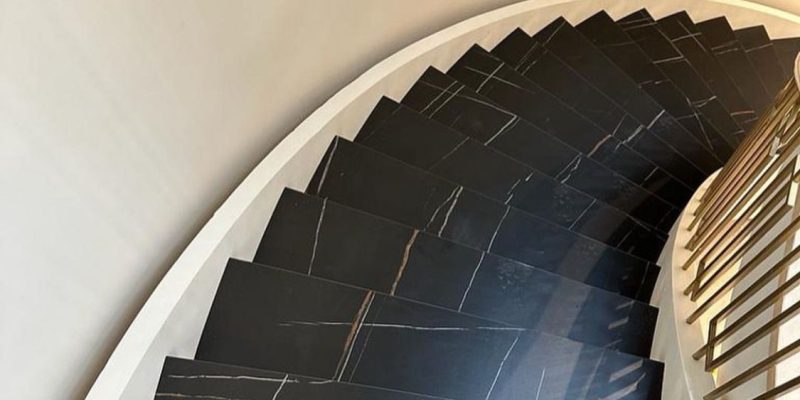
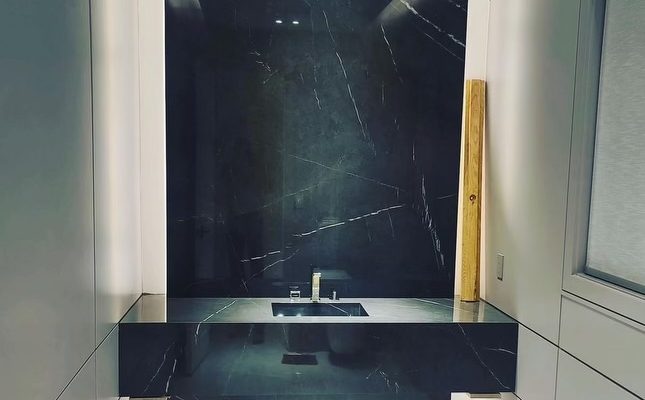
Porcelain has emerged as one of the most environmentally efficient countertop materials available today. Its manufacturing process allows for ultra-thin slabs that require significantly less raw material compared to traditional stone thicknesses.
Modern porcelain countertops offer:
Because porcelain slabs are thinner and lighter, transportation emissions are often lower than heavier natural stone options. This makes porcelain particularly attractive for eco-conscious renovations in dense urban areas like Toronto.
Ontario homeowners considering modern, sustainable surfaces often explore our Porcelain Countertops collection for minimalist and contemporary kitchen designs.
Solid surface countertops are another option frequently discussed in sustainable kitchen design. These materials are manufactured using mineral fillers and acrylic or polyester resins, allowing damaged sections to be repaired rather than replaced.
From a sustainability perspective, solid surface materials offer:
However, because solid surface countertops are petroleum-based, their environmental impact depends heavily on manufacturing standards and expected lifespan. In Ontario homes focused on longevity rather than short-term cost savings, they can still represent a responsible choice when properly specified.
Wood countertops are often marketed as eco-friendly due to their renewable nature. When sourced from responsibly managed forests, butcher block can support sustainable forestry practices.
However, sustainability depends on several factors:
In Ontario kitchens, wood countertops require regular oiling and careful moisture control. Without proper maintenance, their shorter lifespan can offset their renewable advantage.
For this reason, wood is often best used as a complementary surface rather than the primary countertop in high-traffic kitchens.
When evaluating eco-friendly countertop options, Ontario homeowners should look beyond marketing claims and focus on total lifecycle impact.
Key considerations include:
A durable stone countertop that lasts 30+ years often has a lower overall environmental impact than a “green” alternative replaced multiple times within the same period.
Sustainable material selection must be paired with efficient installation practices. Poor layout planning can result in unnecessary slab waste and higher environmental cost.
Professional measurement and slab optimization are especially important when working with premium natural or engineered materials.
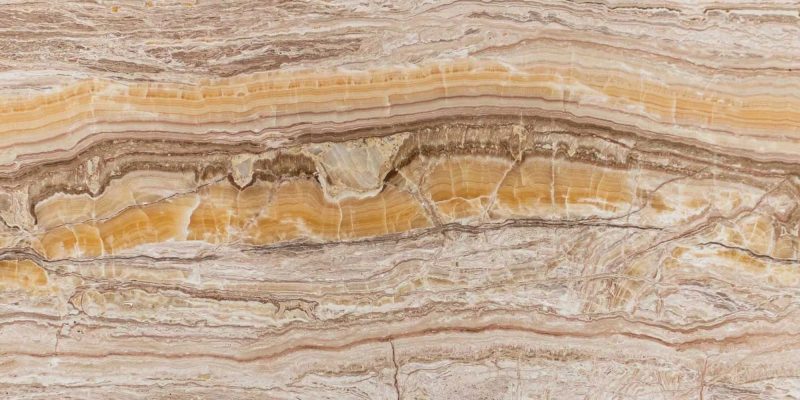
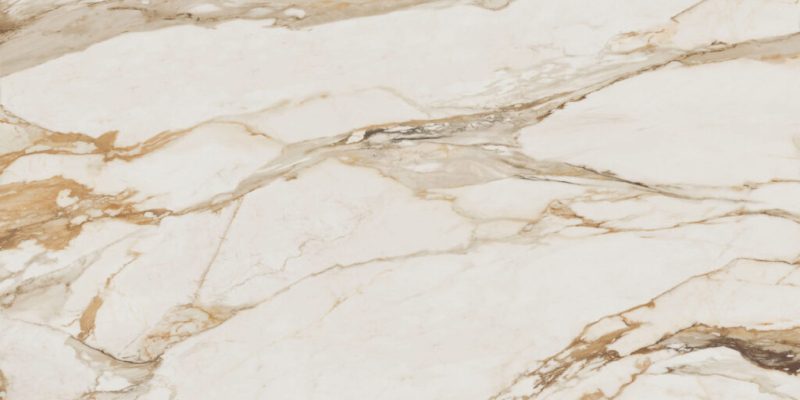
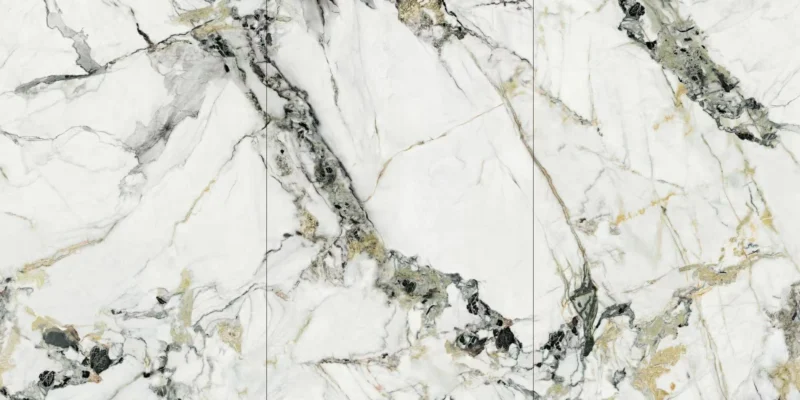
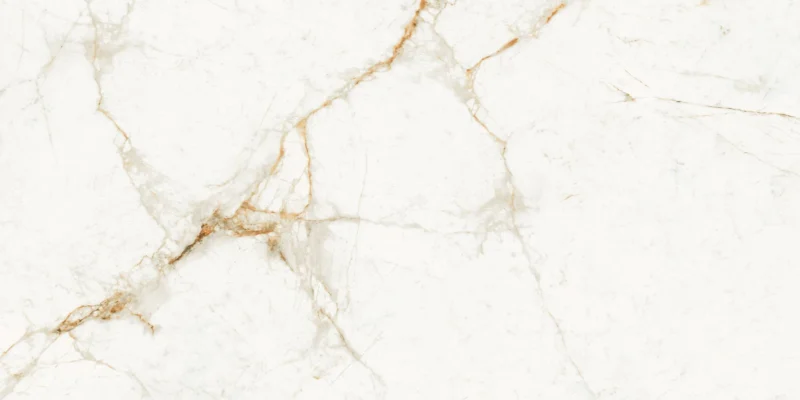



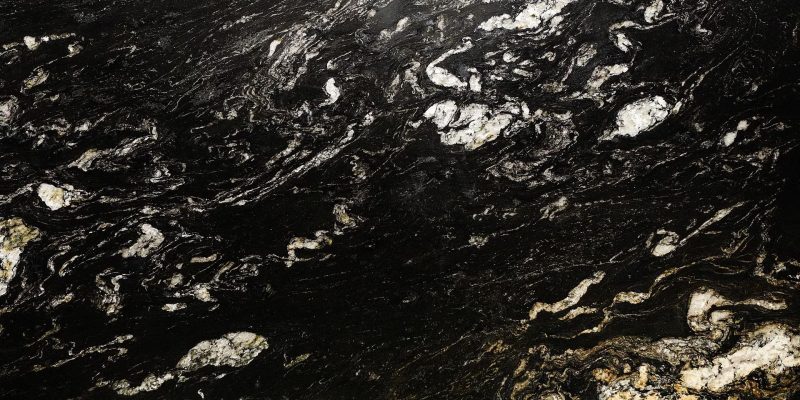







By reducing waste at the planning stage, Ontario homeowners can significantly improve the sustainability profile of their kitchen renovation — regardless of the material chosen.
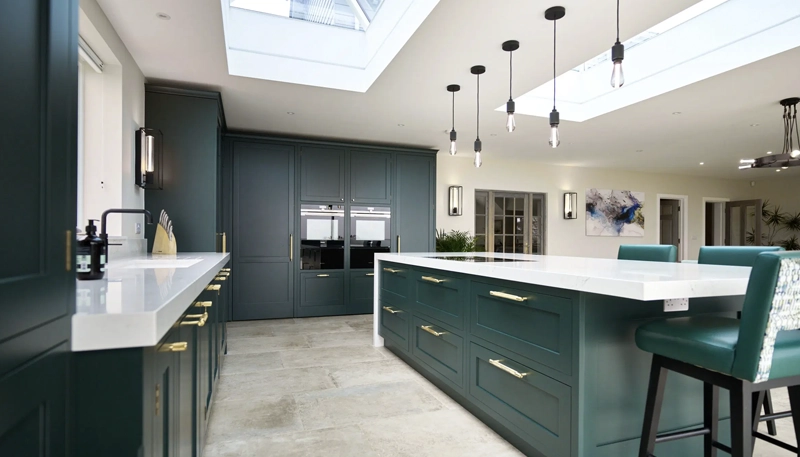
Choosing an eco-friendly kitchen countertop in Ontario is not only about materials and sourcing — it is equally about long-term performance, maintenance requirements, and how the surface behaves over decades of daily use. A countertop that requires frequent replacement or intensive chemical maintenance can quickly lose its sustainability advantage.
For Ontario homeowners planning kitchens in 2026, understanding how sustainable materials perform in real-world conditions is critical to making a responsible decision.
Durability is one of the strongest indicators of environmental responsibility. Countertops that withstand heat, moisture, impact, and daily wear for decades significantly reduce landfill waste and replacement emissions.
In Ontario kitchens — where seasonal humidity changes, winter dryness, and heavy cooking are common — the most durable materials consistently outperform short-lifecycle alternatives.
These materials are frequently chosen for full kitchen countertop installations where longevity is prioritized alongside aesthetics.
Maintenance plays a direct role in sustainability. Countertops that require harsh cleaners, frequent refinishing, or chemical treatments introduce ongoing environmental costs throughout their lifespan.
Eco-conscious Ontario homeowners often favor materials that:
Porcelain and quartz perform exceptionally well in this category due to their non-porous surfaces. Natural stones like granite and quartzite require periodic sealing, but the frequency is low enough — typically once every 12 to 18 months — to remain environmentally reasonable.
Indoor air quality is an often-overlooked factor in sustainable kitchen design. Countertops manufactured with low or zero volatile organic compounds (VOCs) contribute to healthier living environments, especially in tightly sealed modern homes.
Natural stone surfaces emit no VOCs after installation. Porcelain surfaces also score highly in this area due to their inert composition. Engineered surfaces vary by manufacturer, making material selection and supplier standards particularly important.
For Ontario homeowners sensitive to indoor air quality — including families with children or allergy concerns — choosing low-emission materials can significantly improve long-term comfort.
A key sustainability distinction between countertop materials is whether damage leads to repair or full replacement.
In Ontario renovation projects, the ability to repair rather than replace directly reduces waste and long-term cost. This is one reason premium materials often outperform budget options in sustainability assessments.
Ontario’s climate presents unique challenges for kitchen materials. Seasonal temperature swings, humidity fluctuations, and long winters demand surfaces that remain stable under stress.
Natural stones such as granite and quartzite perform exceptionally well in these conditions. Porcelain also excels due to its resistance to thermal expansion and moisture absorption.
Materials that swell, warp, or degrade with moisture exposure tend to underperform in Ontario kitchens, reducing their long-term sustainability regardless of initial environmental claims.
Sustainable countertop design extends beyond material choice into layout efficiency. Oversized islands, excessive seams, or poor slab utilization increase material waste unnecessarily.
Professional planning ensures that slab selection, seam placement, and edge profiles maximize usable material while maintaining visual continuity.
Our Countertop Survey & Measurement service supports eco-conscious renovations by optimizing slab usage and reducing avoidable waste during fabrication.
While sustainable countertops may carry higher upfront costs, they often deliver superior long-term value. Reduced maintenance, extended lifespan, and stronger resale appeal frequently offset initial investment.
In competitive Ontario real estate markets, kitchens featuring durable, eco-conscious materials are increasingly viewed as premium assets rather than optional upgrades.
For homeowners planning renovations with a 20–30 year horizon, sustainable countertop materials consistently provide better environmental and financial outcomes.
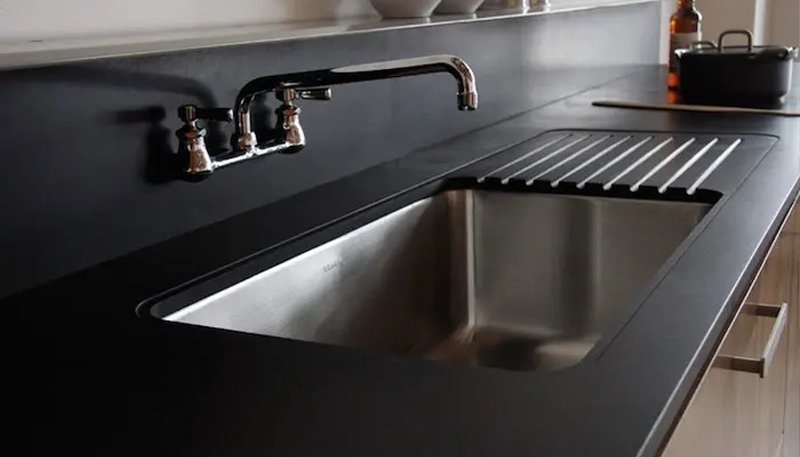
Selecting an eco-friendly kitchen countertop in Ontario is ultimately about balance — balancing environmental responsibility with durability, aesthetics, maintenance, and long-term value. In 2026, sustainable design is no longer a niche preference; it has become a practical standard for homeowners who want kitchens that perform well and age gracefully.
Rather than focusing on a single “green” label, Ontario homeowners benefit most from evaluating the full lifecycle of a countertop material — from sourcing and manufacturing to daily use and eventual longevity.
Every household approaches sustainability differently. Some prioritize low environmental impact during manufacturing, while others focus on long-term durability and reduced replacement cycles.
Understanding your priorities helps narrow choices without sacrificing performance or design.
Ontario kitchens experience heavy daily use, frequent temperature changes, and varying humidity levels. Materials that perform well in showrooms may behave differently once installed.
For busy family kitchens and open-concept layouts, surfaces that resist heat, staining, and scratching are critical. This is why many eco-conscious homeowners select materials suitable for full kitchen countertop installations that emphasize durability alongside sustainability.
A truly sustainable countertop should not rely on aggressive cleaners or frequent refinishing. Over time, maintenance habits directly affect environmental impact.
Materials that require minimal upkeep — such as porcelain, quartz, and properly sealed natural stone — reduce water usage, chemical exposure, and ongoing costs.
In Ontario homes, sealing natural stone once every 12–18 months is typically sufficient, making it a reasonable compromise between performance and sustainability.
Sustainability is also influenced by design decisions. Excessive seams, oversized islands, or poor slab planning can significantly increase material waste.
Professional measurement and layout planning ensure that slabs are used efficiently while preserving visual flow and structural integrity.
Our Countertop Survey & Measurement service helps Ontario homeowners minimize waste while achieving precise, high-quality installations.
Eco-friendly design in 2026 is less about chasing trends and more about choosing materials that will still look and perform well decades from now. Timeless aesthetics, neutral palettes, and natural textures often outperform bold short-term styles.
Countertops that age gracefully — rather than those that rely on coatings or surface treatments — provide the strongest long-term sustainability benefits.
Sustainable materials increasingly influence buyer perception in Ontario’s competitive real estate markets. Kitchens that feature durable, environmentally responsible surfaces are often viewed as higher quality and better maintained.
This perception translates into stronger resale appeal, especially in Toronto and the GTA, where buyers expect modern kitchens with long-term performance.
The most eco-friendly kitchen countertop is one that lasts, performs reliably, and aligns with how you actually use your kitchen. In Ontario homes, materials like quartzite, granite, porcelain, and high-quality quartz consistently deliver the best balance of sustainability, durability, and design flexibility.
By choosing wisely — and planning professionally — homeowners can create kitchens that reduce environmental impact while delivering beauty and performance for decades.
To explore sustainable material options, you can view our curated countertop collections or request expert guidance to compare materials side by side before making a final decision.