Countertop edge profiles influence how a kitchen surface looks, feels and performs at its most exposed point. The edge determines whether the countertop appears slim, substantial, modern, traditional or decorative, while also affecting comfort, cleaning and vulnerability to impact.
An edge profile is not simply a cosmetic choice added after the material has been selected. Quartz, granite, quartzite, marble and porcelain differ in thickness, fabrication behaviour and suitable finishing methods. Cabinet style, island size, seating, countertop thickness and daily use should also be considered before the final profile is approved.
Simple edges such as eased and bevelled profiles suit a broad range of kitchens and are generally straightforward to maintain. Rounded profiles such as bullnose can soften exposed corners, while decorative options such as ogee create more visual detail. Mitred construction can make a standard slab appear much thicker, but it is a fabrication method rather than only a shaped edge.
This guide compares common countertop edge profiles by design style, comfort, durability, cleaning and material compatibility. It also explains the difference between conventional edge profiles, built-up edges and waterfall countertop features.
Quick Selection Rule
Choose a simple eased or bevelled edge for versatility and straightforward maintenance. Consider rounded edges for softer exposed corners, decorative profiles for traditional designs and mitred construction when a thicker architectural appearance is required.
The table below provides a general starting point. Final suitability depends on the selected material, slab thickness, fabrication limits and location of the edge.
| Edge Profile | Visual Style | Practical Characteristics | Common Applications |
|---|---|---|---|
| Eased | Clean and minimal | Softens the corner while preserving a square appearance | Modern and transitional kitchens |
| Micro-bevel | Precise and understated | Creates a very small angled transition at the exposed corner | Contemporary slabs and slim visual profiles |
| Bevel | Geometric and defined | Adds an angled face that catches light and emphasizes the edge | Modern, transitional and selected traditional kitchens |
| Bullnose | Fully rounded and soft | Removes sharp upper and lower corners but may visually reduce slab thickness | Family, traditional and high-contact areas |
| Half bullnose | Soft top with a flatter lower face | Provides rounded comfort while retaining more visual depth | Transitional kitchens and islands |
| Ogee | Decorative and traditional | Uses curved and stepped detailing that requires more fabrication | Feature islands and traditional kitchens |
| Chiseled | Rustic and textured | Creates an irregular natural-looking face with material-specific limitations | Rustic feature surfaces and selected natural stones |
| Mitred or built-up | Thick and architectural | Creates greater visible depth using connected material sections | Large islands, waterfall panels and focal countertops |
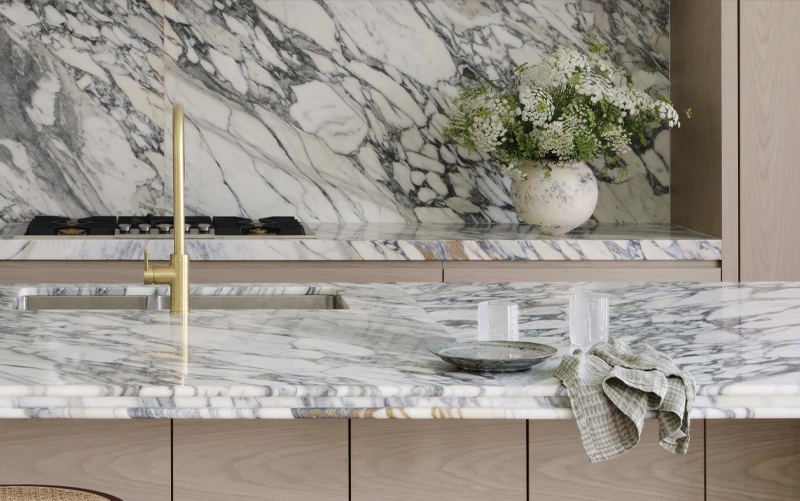
A countertop edge profile is the finished shape applied to the exposed perimeter of the slab. It may involve a subtle softening of the corner, an angled cut, a continuous curve or a more decorative combination of shapes.
The edge should be distinguished from several related details:
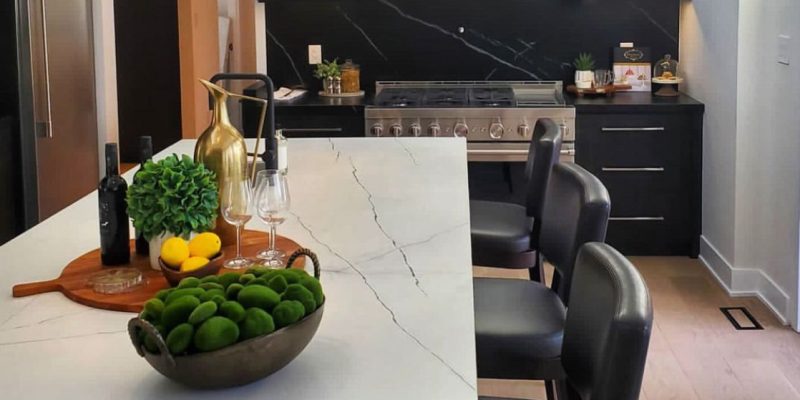
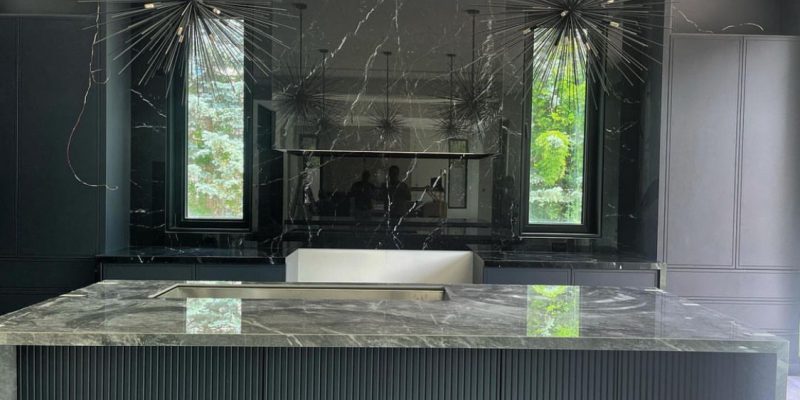
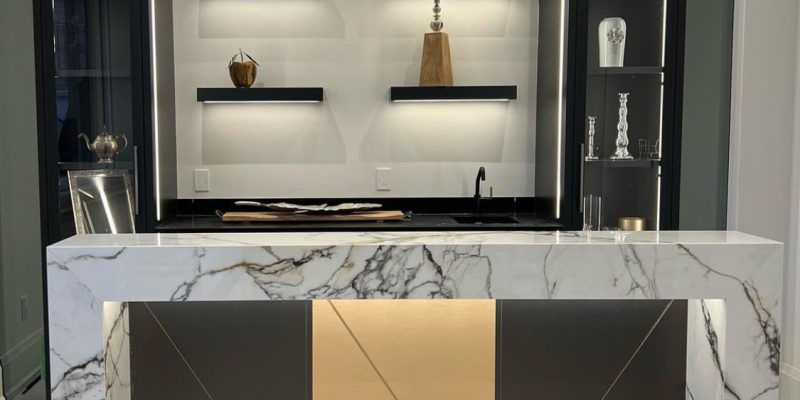
These features can be combined. For example, a kitchen island may have a mitred thick edge along the seating side, eased exposed corners and waterfall panels at one or both ends.
A countertop edge profile and a surface finish describe two different design details. The edge profile is the shape applied to the exposed perimeter of the countertop, while the surface finish determines the texture and level of reflection across the main slab surface.
These features can be combined independently. For example, a countertop may use a honed surface finish with an eased edge or a polished finish with a mitred edge. Both choices should be reviewed with the selected material, slab thickness and intended application.
An eased edge maintains a generally square profile while slightly softening the sharp upper and lower corners. It is one of the most versatile options because it works with modern, transitional and restrained traditional kitchens.
An eased edge can make the countertop appear close to its actual slab thickness. This is useful when the selected material already provides the desired visual proportion.
The amount of easing can vary. A very small radius creates a precise contemporary appearance, while a slightly larger radius produces a softer transition.
A micro-bevel uses a small angled cut along the exposed corner. It is more defined than a simple eased edge but considerably less decorative than a full bevel.
This profile can help create a controlled line between the horizontal surface and vertical face. It is often used where the design requires precision without making the edge the main visual feature.
A micro-bevel can reduce the fragility of a perfectly sharp corner, but it does not make the edge resistant to heavy impact. The width and angle should suit the material thickness and fabrication requirements.
Very dark or highly polished surfaces may show the bevel line more clearly because light reflects differently from the angled face.
A bevel edge uses a more visible angled cut, commonly along the upper portion of the countertop. The bevel catches light and creates a geometric transition between the surface and front face.
Bevelled profiles can work in modern, transitional and selected traditional kitchens. The angle and width determine whether the result appears subtle or decorative.
The angled face should be reviewed with the selected stone pattern. Veins, crystals or colour variation may appear differently across the bevel than on the horizontal surface.
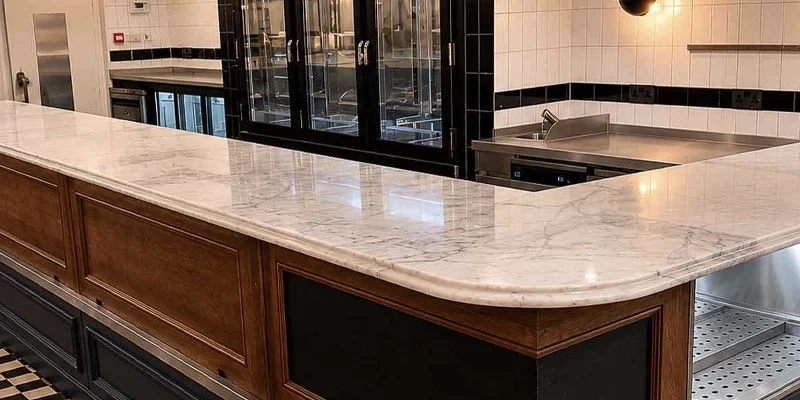
A bullnose edge forms a continuous rounded curve from the upper surface toward the lower face. It removes sharp corners and creates a soft, traditional or transitional appearance.
The full curve can make the slab appear visually thinner because the flat vertical face is reduced or eliminated. This should be considered when the design requires a substantial-looking edge.
A bullnose edge is not immune to damage. Heavy impact can still chip the material, particularly near corners, openings or unsupported sections.
A half-bullnose rounds the upper portion of the edge while preserving a flatter lower face. It provides some of the comfort of a bullnose without visually reducing the countertop thickness as much.
This profile can bridge modern and traditional design. It appears softer than an eased edge but less fully rounded than a complete bullnose.
Half-bullnose edges may work particularly well on islands and seating areas where the exposed edge receives frequent contact. The final radius should still be coordinated with slab thickness, cabinet style and material characteristics.
An ogee edge uses a combination of concave and convex curves to create a more decorative profile. It is commonly associated with traditional, formal and detailed transitional kitchens where the countertop edge is intended to contribute visible craftsmanship.
Ogee profiles vary in depth and complexity. Some use a relatively restrained curve, while others combine several steps or rounded transitions. The final design should be reviewed using a physical sample or accurate edge drawing rather than selected by name alone.
A decorative edge can compete with strongly veined stone, ornate cabinet doors or a patterned backsplash. When several elements contain visual detail, a simpler edge may create better balance.
Curves and stepped sections require more fabrication than an eased or simple bevel edge. Suitability depends on the slab thickness, material characteristics and fabricator capabilities.
Decorative profiles also contain more transitions where dust, crumbs or residue may become visible. They are not necessarily difficult to maintain, but they generally require more detailed wiping than a flat or minimally shaped edge.
A chiseled edge creates an irregular, textured face intended to emphasize the natural character of the material. It is most commonly associated with selected natural stones and rustic, organic or architectural designs.
The appearance may range from lightly textured to deliberately rugged. Because the edge is intentionally irregular, the finished result should be reviewed with realistic samples rather than assumed from a small reference image.
Chiseled edges may work well for:
This profile is not suitable for every material or application. Some manufactured surfaces, thin porcelain products and stones with vulnerable edge characteristics may require different finishing methods.
A textured edge can feel rougher than an eased, bevelled or rounded profile. This should be considered on seating edges, narrow walkways and surfaces that receive frequent hand contact.
Irregular texture may also collect residue more readily than a polished flat face. The cleaning method should suit the selected stone and finish without damaging or altering the edge.
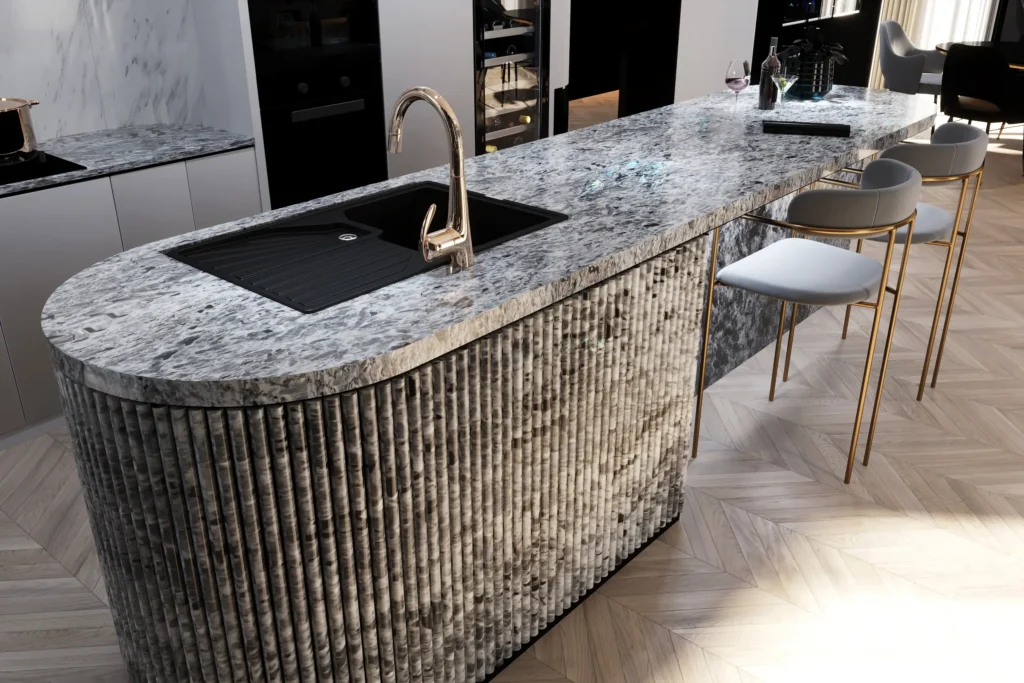
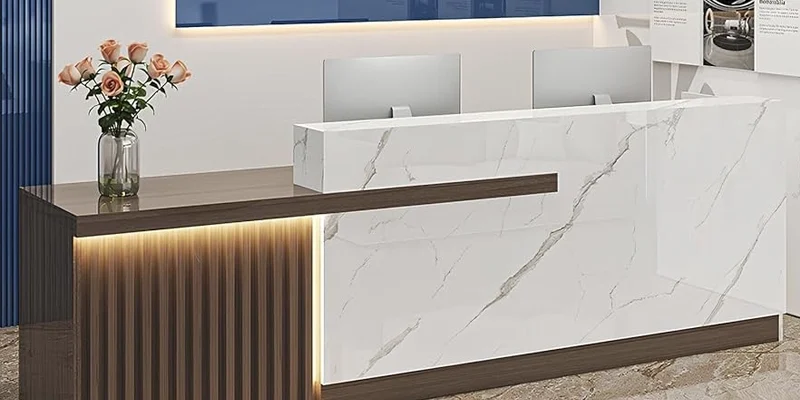
Mitred and built-up edges create greater visible countertop depth by connecting additional material to a standard slab. They are often used when the design requires a thick architectural appearance without using a solid slab of the same apparent thickness.
These constructions differ from conventional edge profiles because they involve assembling more than one material section.
A mitred edge generally uses angled cuts to connect the horizontal countertop with a vertical face. When fabricated precisely, the joint can create the appearance that the slab continues through the full visible depth.
Mitred construction is commonly considered for:
Pattern alignment is particularly important with veined quartz, porcelain and natural stone.
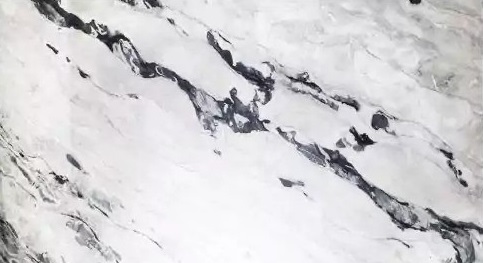
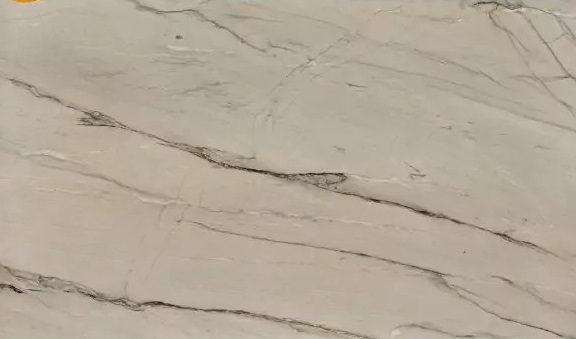
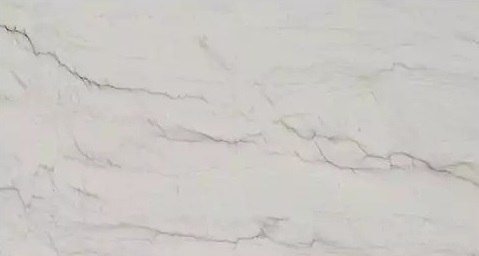

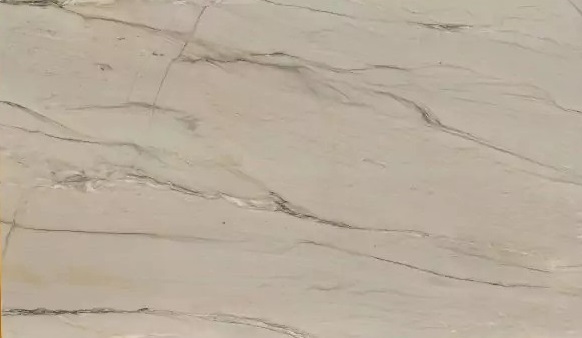


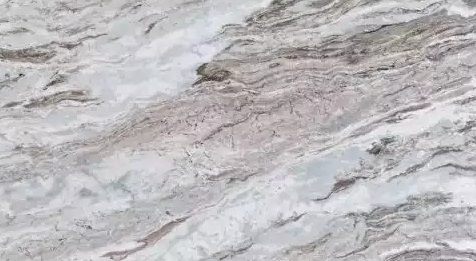
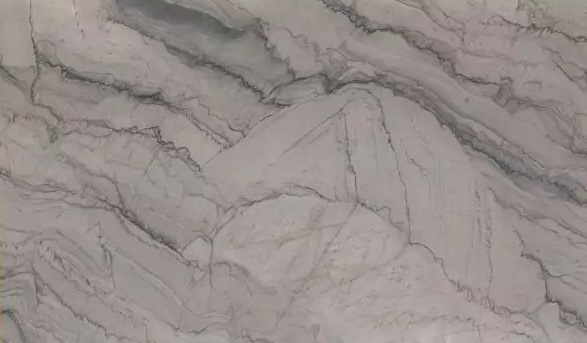
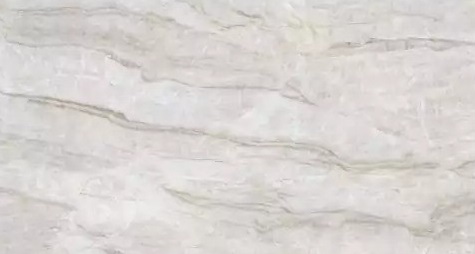


Exact vein continuation should not be assumed. Slab dimensions, pattern direction, openings and usable material all affect what can be achieved.
A laminated edge generally uses an additional strip attached beneath the exposed perimeter to increase visual thickness. The front face may then receive an eased, bevelled, bullnose or decorative profile.
The joint location, pattern match and finished polish should be reviewed before approval. A built-up edge should not be described as a solid slab of the same visible depth.
Mitred and built-up edges require additional fabrication and handling. Their suitability depends on:
A deep visible edge changes appearance but does not automatically strengthen an island overhang or unsupported span. Structural support must be planned independently.
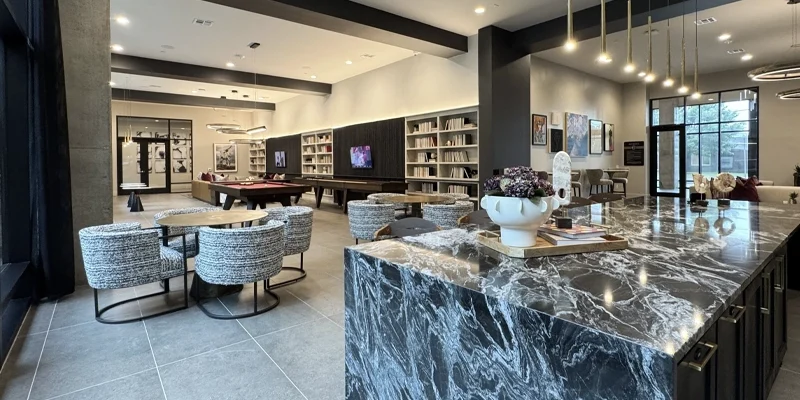
A waterfall countertop is not a conventional edge profile. It is a design and fabrication feature in which the countertop material continues vertically down one or both sides of an island or cabinet section.
The exposed connection is commonly mitred to create visual continuity between the horizontal countertop and vertical panel.
A successful waterfall installation requires coordination between:
Waterfall panels can protect the cabinet side from ordinary contact, but they should not be selected only for that purpose. They add material, fabrication and installation complexity and should serve a clear visual role in the kitchen.
The junction at the floor also requires planning. Uneven flooring or cabinets that are not square can affect the appearance of the vertical panel and its mitred connection.
Not every edge profile is equally suitable for every countertop material. The selected slab thickness, finish, internal composition and fabrication limitations affect which shapes can be produced reliably.
Engineered quartz is commonly fabricated with eased, micro-bevel, bevel, bullnose and selected decorative profiles. Mitred and built-up edges can also be used to create greater visual depth.
Strongly veined quartz should be reviewed carefully across deep mitred edges because the manufactured pattern may not align automatically between sections.
Granite and quartzite can support a wide variety of simple and decorative profiles, depending on the actual slab. Eased, bevelled, bullnose, ogee and selected textured edges may be considered.
Natural veins, fissures and mineral concentrations should be assessed before detailed fabrication. An edge passing through a prominent natural feature may behave or appear differently from another section of the slab.
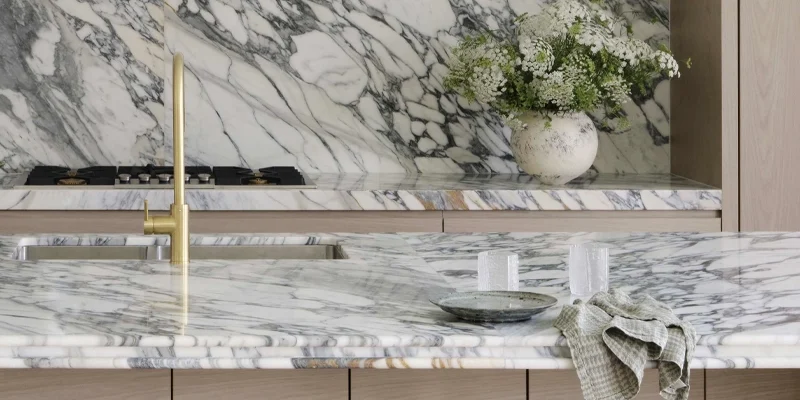
Marble is frequently used with eased, bevelled, bullnose and decorative profiles. Its softer mineral structure makes careful fabrication and edge protection important.
Rounded edges may reduce sharp exposed corners, but they do not prevent scratching, etching or impact damage. Decorative marble edges may also show wear or patina more visibly over time.
Porcelain slabs are commonly associated with slim eased or micro-bevelled edges. A thicker appearance can be created through mitred fabrication.
The body of a porcelain slab may not visually match its printed surface, making exposed edge construction especially important. Inside corners, openings and mitred joints require product-specific fabrication methods.
The same slab can appear thinner or thicker depending on the selected profile. A full bullnose visually reduces the flat front face, while an eased edge displays the slab thickness more directly.
Bevelled and decorative edges create shadows and highlights that can make the edge appear more detailed or substantial. Mitred and built-up construction can increase the visible depth far beyond the actual horizontal slab thickness.
When comparing profiles, consider:
For a detailed explanation of actual and visual thickness, review the countertop thickness guide.
Edge and Thickness Rule
Select the slab thickness and edge profile together. The edge can change perceived depth substantially without changing the thickness of the main countertop surface.
Kitchen islands place countertop edges in high-contact areas where people sit, walk, prepare food and gather. The selected profile should therefore be evaluated for comfort and safety as well as appearance.
Simple eased, micro-bevel and half-bullnose profiles often work well along seating edges because they soften exposed corners without introducing excessive decorative detail. A full bullnose provides a more rounded feel, while a deep mitred edge creates stronger visual weight but may reduce the space available beneath the overhang.
The front edge of an island can contact hands, arms and clothing throughout the day. A sharply defined corner may feel uncomfortable during extended seating, even when it appears visually precise.
Comfort depends on:
A thick built-up edge should be reviewed with seating dimensions because its vertical face may extend farther below the countertop than a standard slab edge.
Exposed island corners are more likely to receive accidental contact than perimeter countertops installed against walls. A softened or rounded corner can reduce sharpness without changing the entire edge profile.
Corner shape should be coordinated with the cabinet footprint, walkway and seating position. A large radius can soften movement around the island, while a smaller radius preserves a more geometric appearance.
For island layout, overhang and support considerations, review the kitchen island countertop service.
An edge profile does not change the porosity or stain resistance of the main countertop surface, but it can affect how easily the perimeter is wiped and how visible wear becomes over time.
Eased, micro-bevel, bevel and bullnose edges generally have relatively straightforward surfaces for routine wiping. Decorative profiles contain more curves, transitions or grooves where residue may become visible.
Textured and chiseled edges may require additional attention because their irregular surfaces can hold dust or debris more readily than a polished flat face.
Cleaning products should be selected according to the countertop material and finish rather than the edge name alone.
No edge profile is chip-proof. Damage risk depends on the material, slab thickness, fabrication quality, support and location of impact.
Sharp corners and narrow projecting details can be more vulnerable to concentrated impact. Softened, rounded or bevelled profiles may distribute contact across a broader area, but heavy cookware or tools can still damage the edge.
Areas that require additional attention include:
Simple profiles tend to show gradual wear in a restrained way because they contain fewer detailed transitions. Decorative profiles may reveal changes in polish, patina or residue more clearly along curves and grooves.
Marble edges can develop scratches, etching and patina. Polished dark surfaces may show small chips or dull areas more visibly than patterned or lighter materials. Natural variation can conceal some minor wear, but it should not be treated as protection from damage.
Edge pricing depends on fabrication time, equipment, slab thickness, material characteristics and the number of exposed linear edges. A standard eased edge generally requires less fabrication than an ogee, deep bevel or mitred built-up edge.
Cost factors may include:
Some standard profiles may be included within a basic fabrication scope, while decorative or built-up edges may be priced separately. The quotation should identify the exact profile, visible depth and locations where it will be used.
A physical edge sample or clear fabrication drawing helps prevent misunderstandings. Terms such as bevel, bullnose and ogee can describe profiles with different dimensions depending on the fabricator.
Final Edge Selection Checklist
Confirm the material, slab thickness, cabinet style, exposed corners, seating areas, cleaning expectations, pattern direction and fabrication cost before approving the final edge profile.
An eased or micro-bevel edge is often practical because it suits many kitchen styles, is relatively easy to clean and does not compete with the countertop pattern.
An eased edge slightly softens a square corner, while a bevel creates a visible angled face. The bevel generally adds more geometric definition.
A bullnose removes sharp upper and lower corners and creates a softer exposed edge. It may reduce sharp contact, but the countertop can still cause injury or damage under heavy impact.
Eased, bevelled and half-bullnose profiles are common island choices. The best option depends on seating comfort, island scale, material, cabinet style and desired visual thickness.
Porcelain is most commonly used with slim eased, micro-bevelled or mitred edges. More complex profiles may not suit every product thickness or fabrication system.
Not automatically. A mitred edge creates greater visible thickness, but overhang and span support must still be designed independently.
They can require more detailed wiping because curves, steps and grooves create additional surface transitions where residue may become visible.
Yes. A kitchen may use a substantial mitred island edge with simpler eased perimeter edges. The profiles should remain coordinated in material, scale and design language.
The best countertop edge should suit the selected material, slab thickness, cabinet design, exposed corners and daily use of the kitchen.
Share the countertop material, kitchen photographs or drawings, island dimensions, preferred thickness and reference images to support a more accurate edge and fabrication review.
Choose the Right Countertop Edge
Compare simple, rounded, decorative and mitred edge options with the countertop material, thickness and kitchen layout.
Request a Project Quote
Explore Custom Stone Fabrication
Compare Countertop Thicknesses