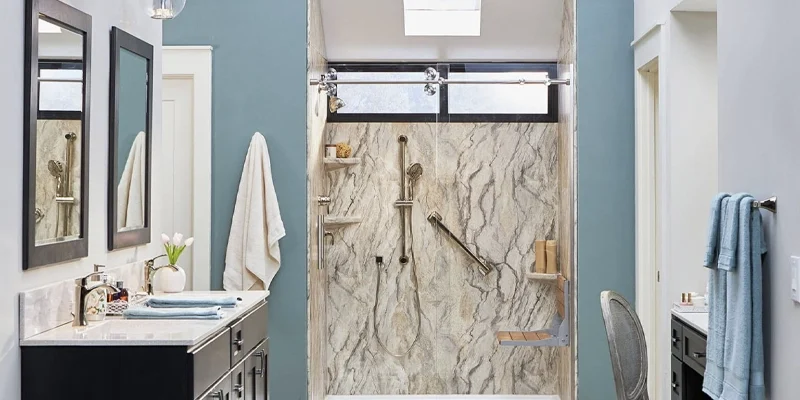
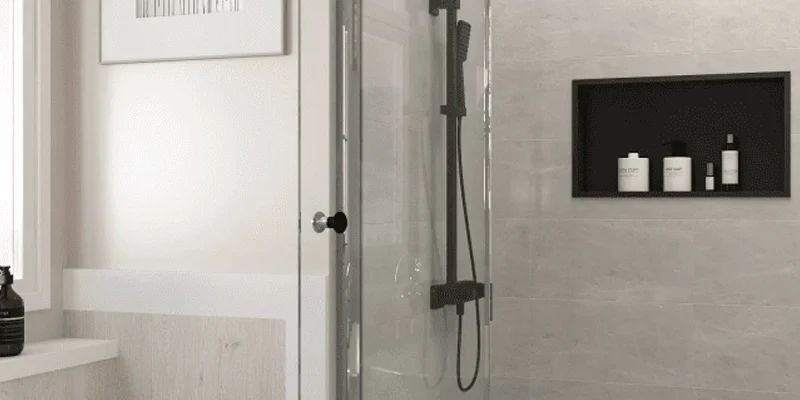
Stone vs. tile shower jambs should be compared by more than appearance. The jambs form the finished sides and upper return around a shower opening, where tile, glass, waterproofing components and surrounding bathroom surfaces meet. Material thickness, visible joints, edge treatment, cleaning requirements and measurement accuracy can all affect the finished result.
Custom-fabricated slab jambs can create broad, continuous surfaces with fewer visible joints. Tile jambs can coordinate directly with the shower walls, provide more flexibility for small adjustments and may be easier to integrate into some conventional tile installations. Neither approach is automatically correct for every bathroom.
The underlying shower assembly remains responsible for water management. Stone or tile is the visible finish—not a replacement for the waterproof membrane, suitable substrate, drainage design, sealant and professional installation behind and around it.
This guide compares stone and tile shower jambs by design, material selection, maintenance, fabrication and project suitability. For professional measurement, fabrication and installation, review Teccorp Stone’s custom stone shower jamb service in Ontario.
Stone and tile can both provide a durable finished shower opening when the complete assembly is properly designed and installed. The main differences involve joint layout, edge treatment, fabrication and visual continuity.
| Factor | Stone or Slab Jamb | Tile Jamb |
|---|---|---|
| Visible joints | Can create a broad surface with fewer visible joints. | Usually includes multiple grout joints across the return. |
| Edge treatment | Edges are fabricated and finished for the approved design. | May use finished tile edges, mitres or separate trim profiles. |
| Measurement | Requires accurate final dimensions before fabrication. | Individual pieces can sometimes accommodate smaller site adjustments. |
| Design continuity | Can coordinate with thresholds, niches, benches and vanity surfaces. | Can continue the shower-wall tile across the opening. |
| Cleaning | Fewer grout lines may simplify routine surface cleaning. | Grout joints require suitable cleaning and periodic inspection. |
| Repair approach | Replacement may require reproducing a custom-fabricated piece. | Individual tiles may be replaceable if matching material remains available. |
| Best suited to | Clean slab details, frameless showers and coordinated stone packages. | Tile-led designs, detailed patterns and conventional tile installations. |
This comparison is a starting point. The exact product, shower opening, glass system, substrate, waterproofing assembly and installation sequence determine whether a proposed detail is suitable.
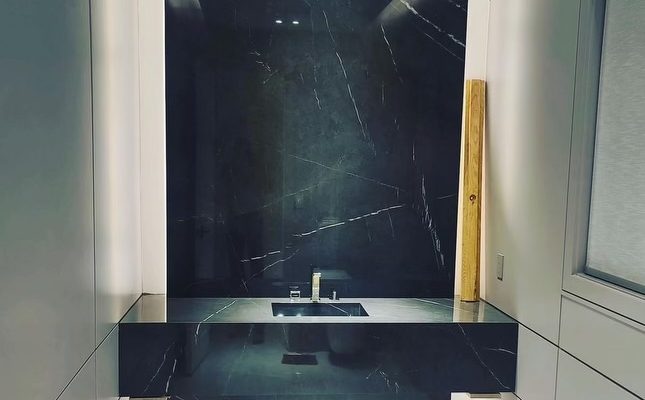
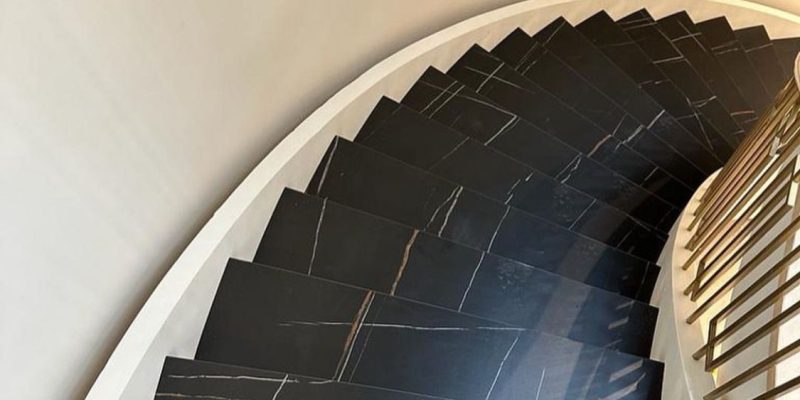
A custom stone jamb is measured and fabricated as a larger finished component rather than assembled from multiple small pieces. Depending on the opening and selected material, the jamb may include separate side pieces and a head piece fabricated to the approved thickness, depth and edge detail.
Slab jambs can be coordinated with:
The reduced number of surface joints creates a clean architectural appearance, but the pieces must be measured and fabricated accurately. Walls and openings that are not straight or consistent may require templating and project-specific adjustments.
Tile jambs extend the tile installation across the sides and top of the shower opening. The pieces may match the wall tile, use a contrasting tile or incorporate a trim profile around the exposed edge.
Tile can be practical when:
The installer must still plan the tile layout carefully. Narrow cuts, inconsistent grout joints, exposed unfinished edges and poorly aligned trim can make the opening appear improvised rather than intentional.
Large-format porcelain and other approved slab products can create a continuous visual effect similar to fabricated stone. These products have their own cutting, edge, handling and installation requirements.
A porcelain slab should not be treated as an oversized standard tile without reviewing the manufacturer’s documentation and the fabricator’s experience with the exact product. Edge construction, thickness and hardware coordination should be determined before fabrication.
The waterproofing system belongs behind and around the visible jamb finish. Neither a stone slab nor a tile installation should be relied upon as the only barrier controlling moisture.
A complete wet-area assembly may involve:
Stone jambs may reduce the number of exposed grout joints, but fewer joints do not eliminate the need for correct waterproofing behind the surface. Tile jambs can also perform effectively when the waterproofing, setting materials and joint treatment are properly executed.
Wet-Area Principle
Choose stone or tile as the visible finish. Water management still depends on the complete substrate, membrane, joint, sealant and installation system behind and around it.
Stone jambs can visually frame the shower opening with broader sections and fewer interruptions. The material may match a threshold, niche, bench or vanity countertop to create continuity across the bathroom.
This approach can be effective in frameless showers where the opening and glass remain visually exposed. The fabricated jamb becomes part of the architectural composition rather than a narrow finishing trim.
Tile jambs can make the opening feel like a continuation of the shower walls. This may be appropriate when the tile pattern is the main design feature or when using a contrasting slab jamb would introduce another unnecessary material.
The tile layout should account for grout-line alignment, corner treatment, trim thickness and the relationship between the jamb and glass channel or clips.
Fabricated stone edges may be eased, lightly bevelled, polished or finished according to the selected material and visible condition. The edge should be approved before production because it affects appearance, thickness and the relationship with the glass.
Tile edges may rely on:
The selected detail should work with the tile thickness, setting bed and surrounding wall finish. Edge decisions made late in the installation can produce inconsistent projections or visible unfinished surfaces.
Frameless shower glass requires accurate coordination between the finished opening, hardware positions and supporting conditions. The jamb surface should provide the intended alignment for channels, clips or hinges without relying on last-minute corrections.
The glass contractor, tile installer and stone fabricator should confirm responsibilities before fabrication. Hardware penetrations and mounting requirements must be coordinated with the complete wall assembly—not only the visible surface.
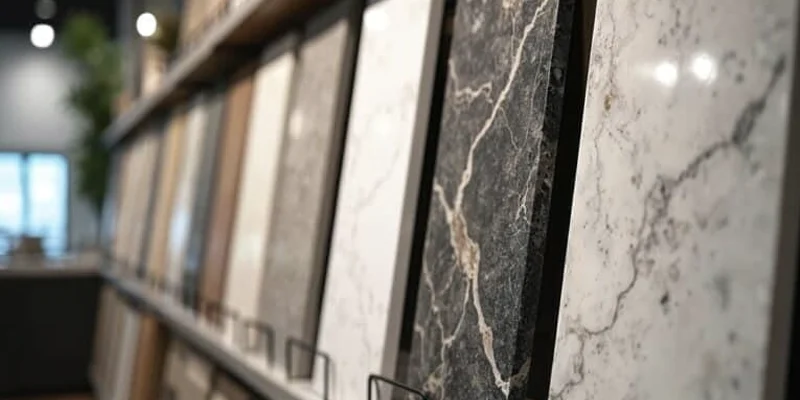
The material should be selected by exact product, finish, thickness and approved application. General labels such as quartz, marble or porcelain do not establish one level of performance for every product.
Important questions include:
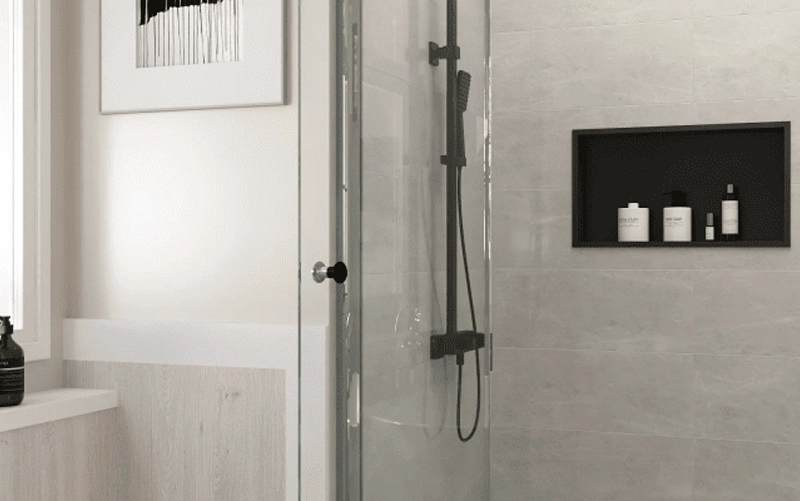
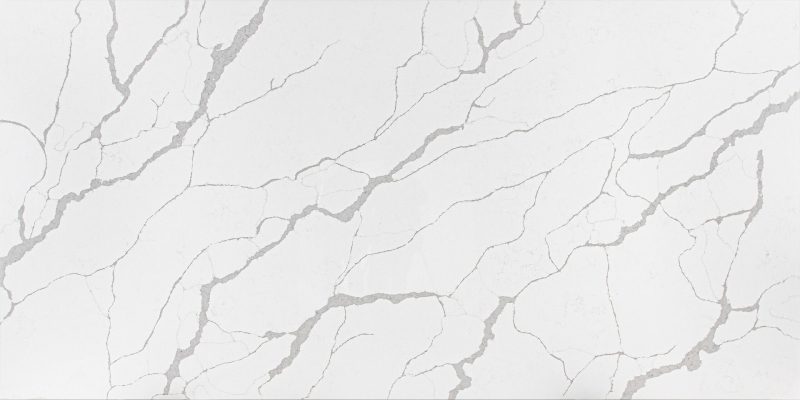
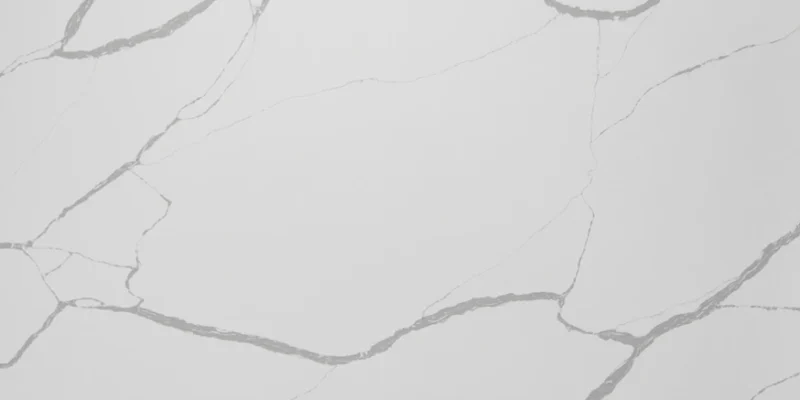
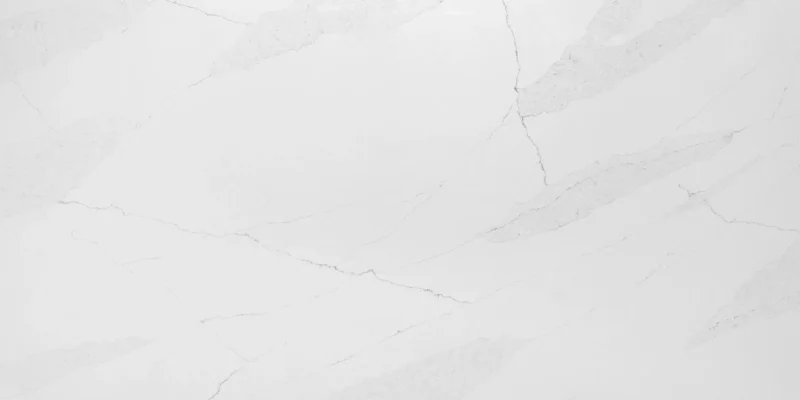
Engineered quartz can provide consistent colour and pattern, which may help coordinate jambs with vanity countertops, thresholds and other bathroom surfaces. It generally offers a smooth surface with relatively straightforward routine cleaning.
Suitability should be confirmed for the exact product and application. Manufacturer instructions, exposure conditions, approved cleaners, edge construction and fabrication requirements should be reviewed before selection.
Available designs can be explored through Teccorp Stone’s quartz collection.
Large-format porcelain can provide marble-look, concrete-look and restrained solid-colour options. Its format may support coordinated wall panels, jambs and niches with fewer visual interruptions than small-format tile.
Porcelain slab fabrication requires suitable equipment and experience. Thin edges, mitred construction, openings and handling conditions should be reviewed for the exact product.
Browse available porcelain surfaces for applicable bathroom designs.
Granite provides natural variation and can coordinate with vanity tops, thresholds and other fabricated bathroom pieces. The actual slab should be reviewed because colour, grain and pattern can vary across the material.
Some granite products may require sealing and product-specific care. The selected finish and edge should be evaluated alongside cleaning expectations and the surrounding bathroom palette.
Available options can be viewed in the granite collection.
Marble is often selected for its natural veining and distinctive character. It can create strong visual continuity when used with matching vanity surfaces, thresholds, niches or wall details.
Homeowners should understand that marble can be more sensitive to acidic products, harsh cleaners and visible changes associated with use. Sealing does not make marble maintenance-free or prevent every possible mark.
The exact slab, finish, maintenance expectations and acceptance of natural variation should be reviewed before approval. Explore Teccorp Stone’s marble collection for available options.
Using the same or a compatible material across the shower jamb, threshold, niche and vanity can make the bathroom feel intentionally planned.
This does not require every surface to match exactly. A quieter jamb can support a more expressive vanity top, while a veined jamb may become the main detail beside restrained wall tile.
For broader coordination of custom-fabricated pieces, see Teccorp Stone’s custom stone fabrication services. Shower niches and recessed storage can also be coordinated through the custom stone shower box service.
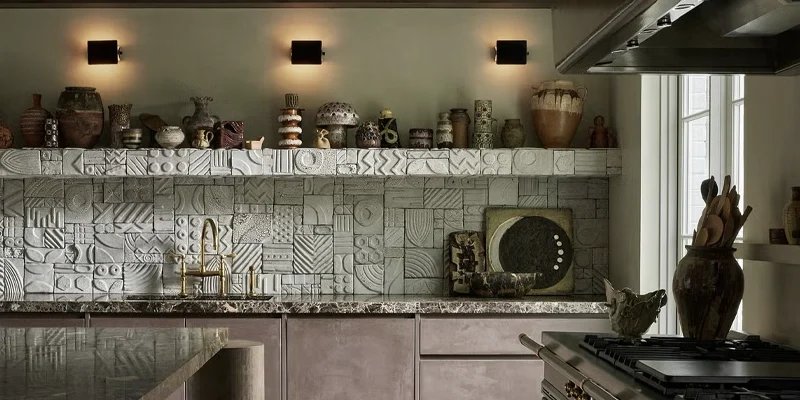
Tile jambs can use the same product as the shower walls or introduce a controlled accent. The selected tile should have a suitable edge strategy and work with the width and depth of the opening.
Continuing the wall tile across the jamb creates a unified tiled enclosure. Grout joints should align intentionally with the wall layout wherever practical.
The installer should avoid very narrow cuts near exposed edges.
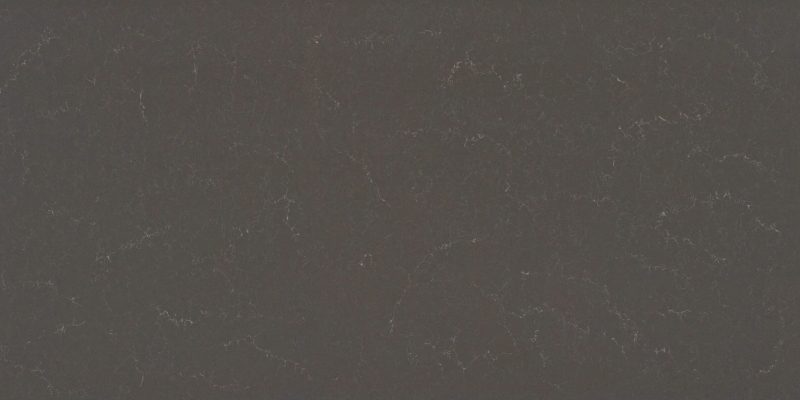
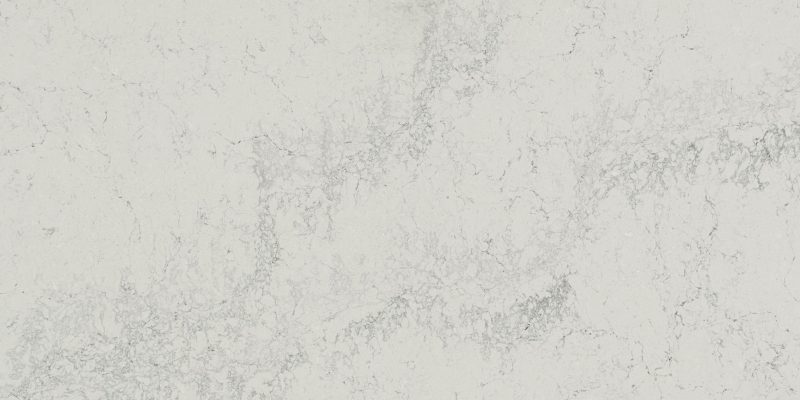
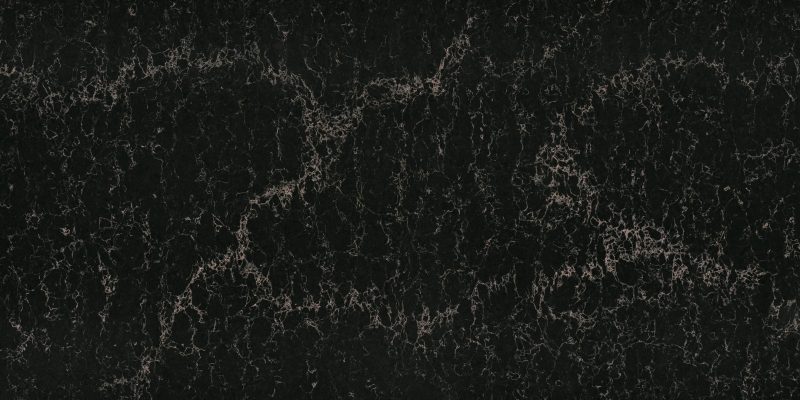
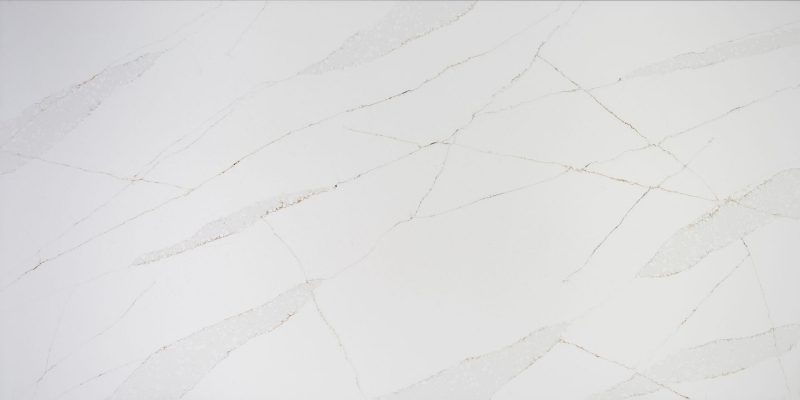


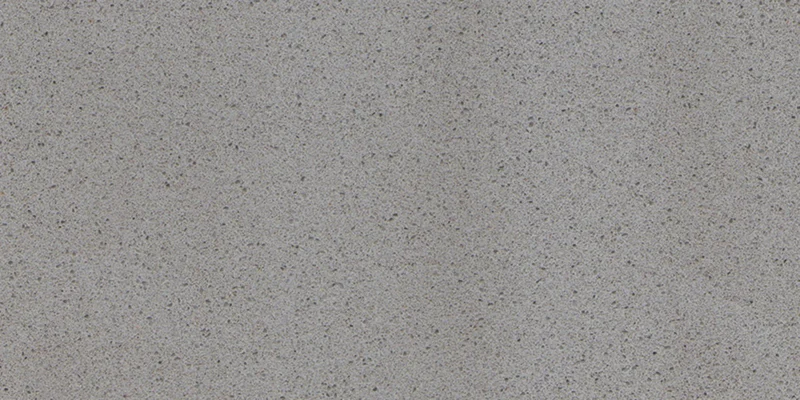

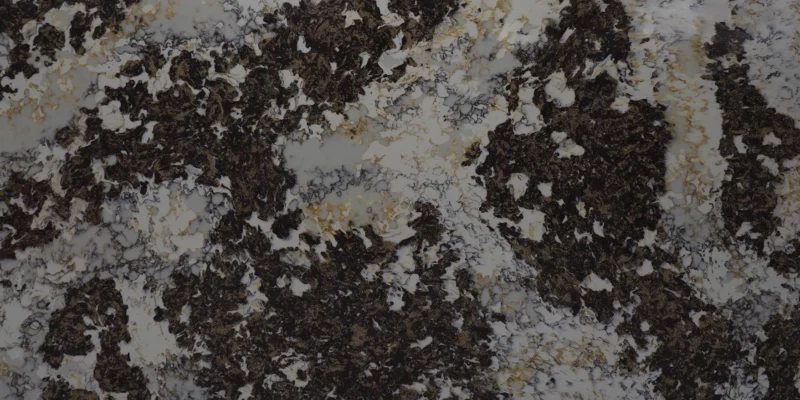


A contrasting jamb can define the shower opening, but it also introduces another pattern, colour or texture. The contrast should relate to the bathroom palette and not compete with the vanity, flooring or shower feature wall.
Highly textured products should be evaluated for exposed edges, cleaning and compatibility with glass hardware.
Many tiles do not have a factory-finished exposed edge. A separate trim or mitred detail may therefore be required.
The trim profile should be compatible with:
Selecting trim only after tile installation begins can lead to limited choices or inconsistent alignment.
Maintenance depends on the exact stone, tile, grout, finish, water conditions, ventilation and cleaning products used in the bathroom.
Routine care generally includes removing water and residue with a soft cloth or squeegee and using cleaners approved for the exact material.
Natural stone may require pH-neutral products and periodic evaluation of the sealer. Acidic or abrasive cleaners can damage some stones or finishes. Manufacturer and fabricator instructions should take priority over generic cleaning advice.
Engineered quartz and porcelain often have different care requirements from natural stone. Their product documentation should be reviewed before using descalers, bleach-based products or abrasive pads.
Tile surfaces may be straightforward to clean, but grout joints can collect residue and show discoloration depending on the grout product, joint width and cleaning routine.
The grout and sealant should be inspected periodically for cracking, separation or deterioration. Damaged joints should be evaluated rather than concealed beneath additional sealant without identifying the cause.
Hard-water deposits and soap residue can appear on both stone and tile surfaces. The safest removal method depends on the material.
Acidic descaling products that may be acceptable for some ceramic or porcelain tiles can damage marble and other acid-sensitive natural stones. Cleaning products should never be selected only because they are labelled for bathrooms.
A damaged tile may sometimes be replaced individually if matching material remains available. The surrounding waterproofing and substrate must be protected during any repair.
A damaged custom stone jamb may require professional evaluation, refinishing or replacement of the fabricated section. Reproducing the exact colour or pattern can be difficult if the original slab or product is no longer available.
Keeping product names, colour information, installer records and spare tile can simplify future maintenance or repair decisions.
Care Principle
Use cleaning products approved for the exact stone, slab, tile, grout and sealant. A cleaner that is safe for one bathroom surface may damage another.
The cost difference cannot be determined from material names alone. The complete installed scope depends on dimensions, product selection, edge treatment, labour, fabrication and coordination with other bathroom components.
A custom stone or slab jamb quotation may be affected by:
Coordinating multiple pieces from the same material may improve visual consistency, but it can also affect slab use and fabrication planning.
A tile jamb installation may be affected by:
A lower tile price does not guarantee a lower finished jamb cost when the detail requires multiple mitres, specialty trim or extensive adjustment.
Quotations should be compared using the same scope. Confirm whether measurement, fabrication, edge finishing, material, installation, trim, grout, sealant and connected work are included.
Stone and tile contractors may divide responsibilities differently. The homeowner or general contractor should identify who is responsible for substrate preparation, waterproofing, glass coordination and final sealant before approving the project.
Custom stone jambs depend on accurate final site conditions. The shower opening, surrounding tile buildup, glass configuration and related surfaces should be sufficiently complete or clearly defined before fabrication dimensions are approved.
Depending on the project sequence, the following information may be required:
Temporary surfaces or incomplete framing should not become the reference for a permanently fabricated piece unless the approved construction dimensions are documented and coordinated by the responsible professionals.
Professional site verification is available through Teccorp Stone’s survey and measurement service.
Shower openings may not be perfectly straight, square or consistent from top to bottom. Custom templating can capture dimensional variation that may not be visible in basic plans.
The fabrication and installation approach should account for suitable tolerances and perimeter joints. A stone piece should not be forced into an opening or used to conceal major construction defects.
The fabricator should know which faces and edges will remain visible. This affects finishing, pattern orientation and the relationship between adjoining pieces.
Natural stone may show variation between sections. Directional quartz or porcelain designs may also require layout approval so veins and movement appear intentional around the opening.
The stone, tile and glass teams should identify hardware requirements before final fabrication. Channels, clips and hinges may require specific locations, clearances or supporting conditions.
Drilling or modifying a completed jamb without reviewing the material and wall assembly can create avoidable risk. Hardware work should be performed using an approved method and coordinated with the installer responsible for the complete glass system.
The project team should clearly identify responsibility for:
Stone fabrication does not replace the responsibilities of the tile, waterproofing or glass contractors. Coordination is necessary because each trade depends on dimensions and conditions created by the others.
For project-specific fabrication and installation, visit the custom stone shower jamb service page.
Consider a custom stone or slab jamb when:
Consider a tile jamb when:
Some bathrooms combine tile walls with a stone threshold, stone jamb or slab niche. A hybrid design can create useful emphasis without using the same material across every surface.
The materials should still coordinate in thickness, undertone, finish and edge treatment. Adding stone only as a decorative afterthought can produce awkward transitions if the tile and glass details have already been finalized.
Stone, tile and grout are visible finishes. The approved waterproofing assembly must be completed behind and around them.
Not every product can produce the same thin edge, mitre or polished finish. Edge requirements should be reviewed before the material is approved.
Glass channels, clips and hinges can affect jamb dimensions and supporting conditions. Coordination should occur before fabrication or tile completion.
Acidic descalers and abrasive cleaners can damage some stones and finishes. Care instructions should be based on the exact material.
Tile layout should be planned around the opening before installation. Narrow cuts and misaligned grout joints can make the jamb appear unfinished.
Natural and directional patterns may look different across a large fabricated piece. Review the slab or suitable large-format representation before cutting.
Unclear responsibility for waterproofing, substrate correction, glass coordination or sealant can lead to incomplete work and disputes during installation.
Stone jambs are not a replacement for the shower’s waterproofing system. Water management depends on the substrate, membrane, corners, joints, sealant and complete installation behind and around the visible stone.
Stone jambs can have fewer exposed grout joints, which may simplify routine surface cleaning. Maintenance still depends on the material, finish, water conditions and approved cleaning products.
There is no universal best material. The correct option depends on the exact product, desired appearance, maintenance expectations, edge requirements, fabrication capability and compatibility with the complete shower design.
Some engineered quartz products may be suitable for the proposed application, but approval should be confirmed using the exact manufacturer’s documentation and the fabricator’s requirements.
Large-format porcelain can be used for some shower-jamb designs when the exact product, edge construction, fabrication method and installation system are suitable.
Some natural stones may require sealing, but the need and schedule depend on the exact material, finish and product recommendations. Sealing does not make a material maintenance-free.
Yes. Matching or coordinating the jamb with a vanity countertop, threshold or niche can create visual continuity across the bathroom.
Not necessarily. The final cost depends on material, dimensions, fabrication, tile layout, trims, labour, installation access and connected project work. Compare complete installed scopes rather than material prices alone.
Yes. Stone jambs are commonly combined with tiled shower walls. Thickness, edge details, waterproofing transitions and glass alignment should be coordinated before installation.
The glass contractor should confirm the required project sequence. Final glass measurements are commonly based on completed and verified finished surfaces, but responsibilities and hardware requirements should be coordinated earlier.
The decision between stone and tile depends on the shower opening, material palette, glass design, maintenance preferences and available fabrication detail.
Teccorp Stone provides professional measurement, fabrication and installation of custom stone shower jambs for projects in Ontario service areas. Share available shower dimensions, photographs, tile selections, glass details and preferred stone materials for a project-specific review.
Compare Stone Shower Jamb Options for Your Bathroom
Review material, edge, measurement and glass requirements before approving the final shower opening.