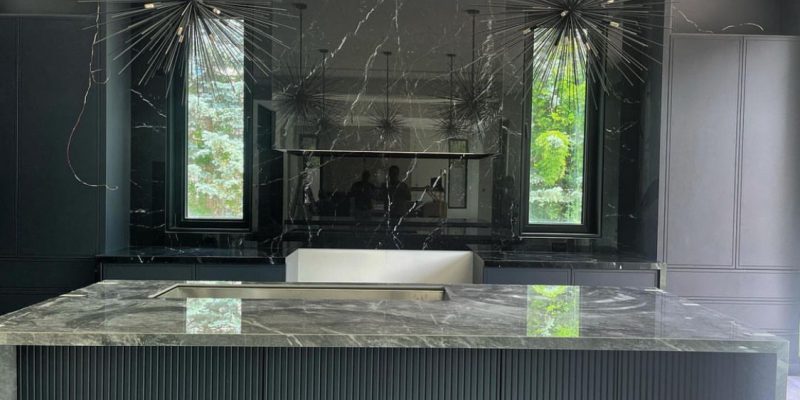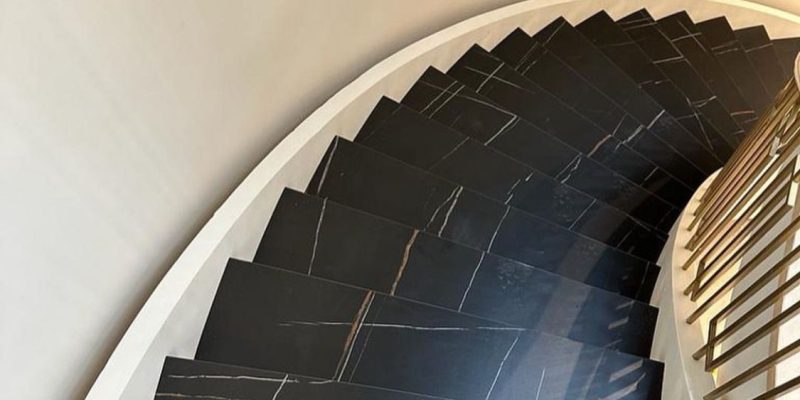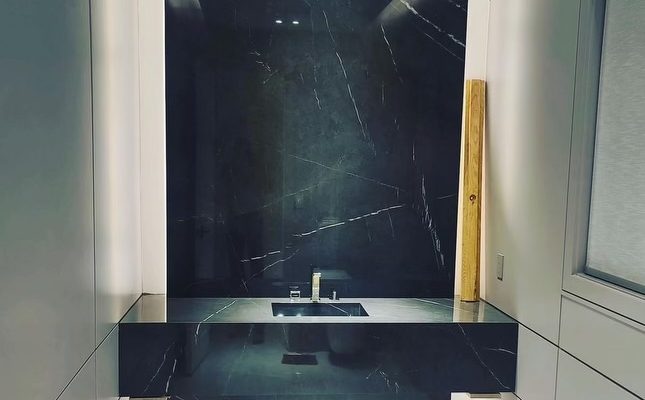
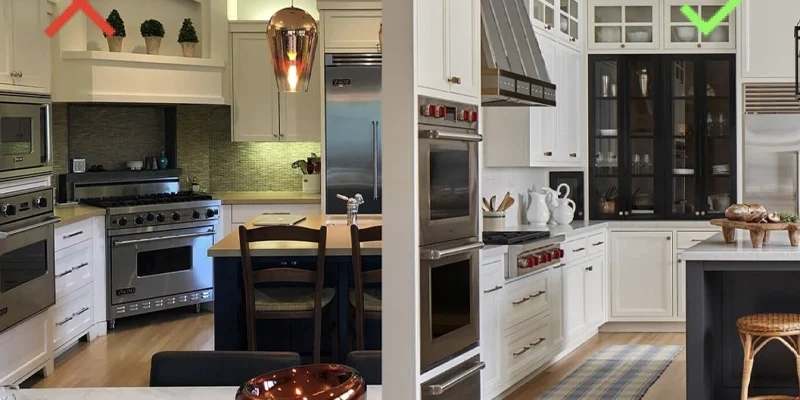
Buying kitchen countertops is one of the most important decisions homeowners make during a renovation or new build in Ontario. Countertops are not only a visual focal point but also one of the most heavily used surfaces in the home, especially in kitchens designed for daily cooking and entertaining. Despite this importance, many homeowners across Toronto and the GTA make costly mistakes during the buying process—mistakes that affect durability, maintenance requirements, long-term costs, and even resale value. Learning how to avoid countertop buying mistakes in Ontario starts with understanding where decisions typically go wrong and how to approach material selection, budgeting, and fabrication strategically rather than emotionally.
One of the most common countertop buying mistakes is choosing a surface based purely on appearance without considering performance. Homeowners are often drawn to showroom displays or online photos without fully understanding how the material behaves in real-life kitchen environments. For example, selecting a stone that looks elegant but lacks durability can quickly become a problem in busy kitchens that rely heavily on professional kitchen countertop installations designed to handle heat, spills, and daily wear.
Another frequent error is assuming all stone countertops perform similarly. Materials such as quartz, granite, porcelain, and marble each respond differently to heat, moisture, and impact. Treating them as interchangeable options leads to unrealistic expectations and disappointment after installation. Many Ontario homeowners also underestimate how permanent countertops are. Unlike cabinet hardware or paint colors, countertops are not easy or inexpensive to replace, making early mistakes far more costly.
Rushing the decision-making process is another major issue. Home renovation timelines often create pressure to finalize materials quickly, but skipping proper research increases the risk of mismatched materials, poor edge choices, or unsuitable slab thickness. Taking time to understand how materials perform in Ontario’s climate and kitchen usage patterns is essential for long-term satisfaction.
A major reason homeowners regret their countertop choice is poor alignment between the material and their lifestyle. Kitchens in Ontario serve very different purposes depending on household size, cooking habits, and daily routines. A countertop that performs well in a downtown condo may not survive the demands of a high-traffic family kitchen in the suburbs.
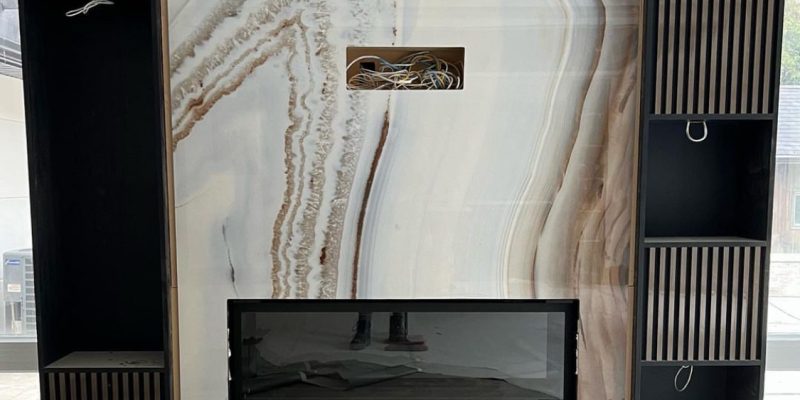
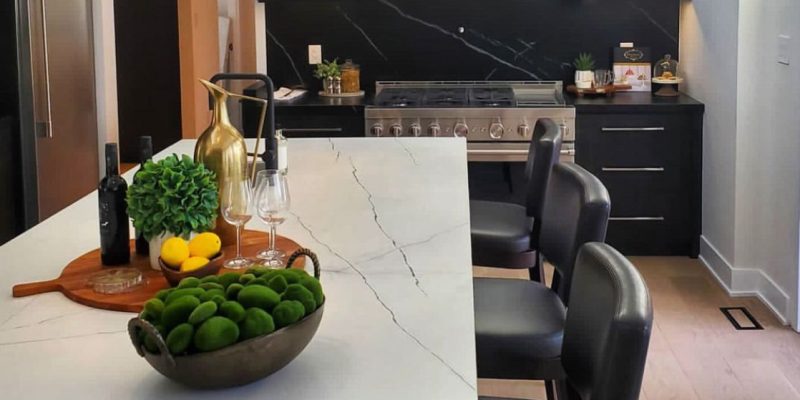
For instance, natural stones such as marble or onyx offer striking visual appeal but require careful maintenance and are more vulnerable to etching and staining. These materials may work well for statement islands or decorative zones but are rarely ideal for full kitchen work surfaces. In contrast, engineered options like quartz and ultra-compact porcelain are specifically designed for durability, making them more suitable for families who rely on quartz countertops or porcelain surfaces for daily cooking and cleaning.
Failing to match material performance with lifestyle needs is one of the most expensive mistakes homeowners make. Families with children, frequent entertaining schedules, or heavy cooking habits benefit far more from low-maintenance, stain-resistant surfaces than from delicate stones chosen solely for aesthetics.
Another critical mistake is focusing only on the initial price per square foot rather than the total cost of ownership. Many homeowners compare countertop materials based on upfront pricing without considering sealing requirements, maintenance frequency, repair risks, and replacement timelines. A lower-priced stone may appear budget-friendly at first but become more expensive over time due to ongoing care or early damage.
Long-term cost considerations are especially important in Ontario, where temperature changes and seasonal humidity can impact certain materials. Natural stones often require periodic sealing, while engineered surfaces typically provide more predictable maintenance costs. Homeowners planning to stay in their homes long-term should prioritize durability and ease of care, while those preparing for resale should consider materials with broad market appeal such as quartz or granite, which are commonly featured in granite countertop installations across Toronto and the GTA.
It is also common to overlook fabrication and installation costs when setting a budget. Countertops involve more than material selection—they require professional measurement, cutting, edge finishing, delivery, and expert installation. Ignoring these factors often leads to budget overruns or compromised quality later in the project.
Even the best countertop material can fail if it is fabricated or installed poorly. Choosing the wrong fabricator is one of the most damaging mistakes homeowners make during the buying process. Fabrication quality affects seam placement, edge durability, structural reinforcement, and overall finish consistency.
Many homeowners assume all fabricators offer the same level of craftsmanship, but differences in equipment, experience, and quality control can dramatically impact results. Working with a provider that offers custom stone services with in-house fabrication ensures better precision, cleaner seams, and greater accountability throughout the project.
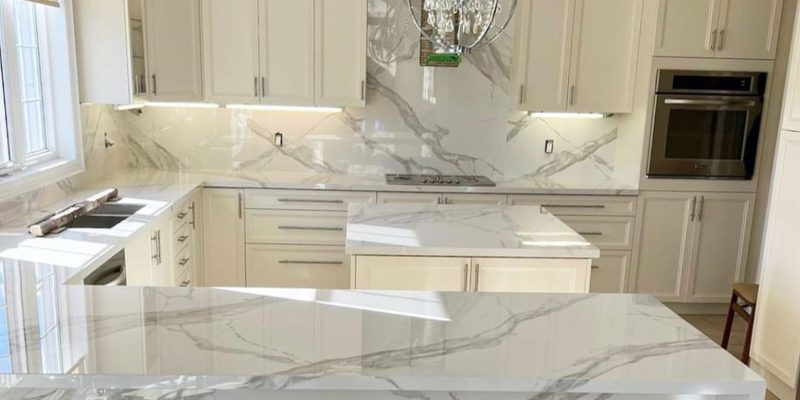
Complex designs such as waterfall islands, large-format slabs, and integrated backsplashes require advanced fabrication expertise. Choosing a fabricator based solely on price often leads to visible imperfections that cannot be corrected after installation.
A confident countertop decision comes from informed planning rather than impulse.




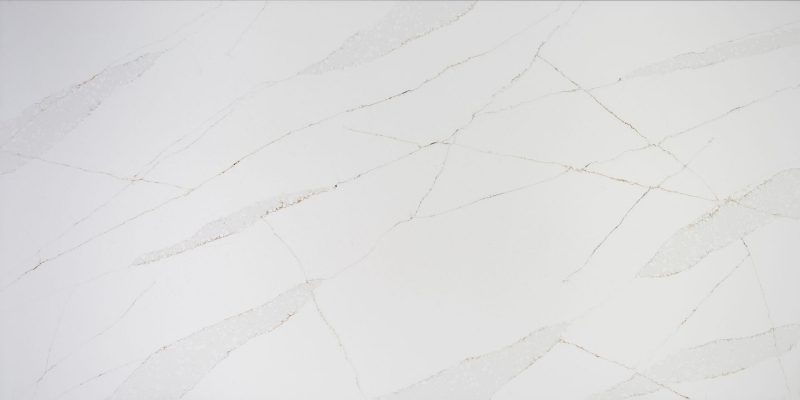
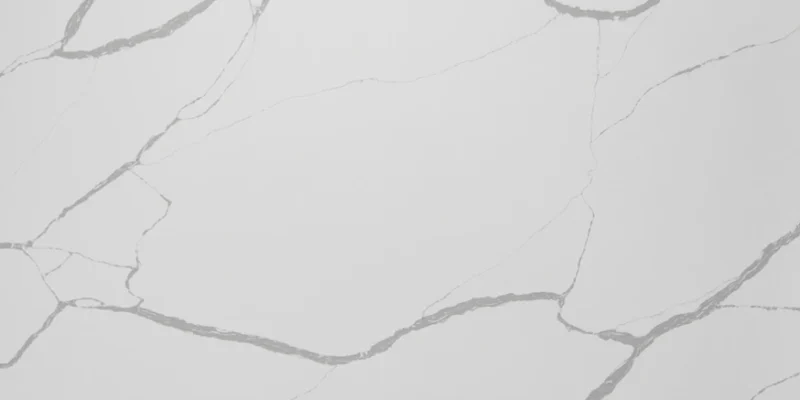



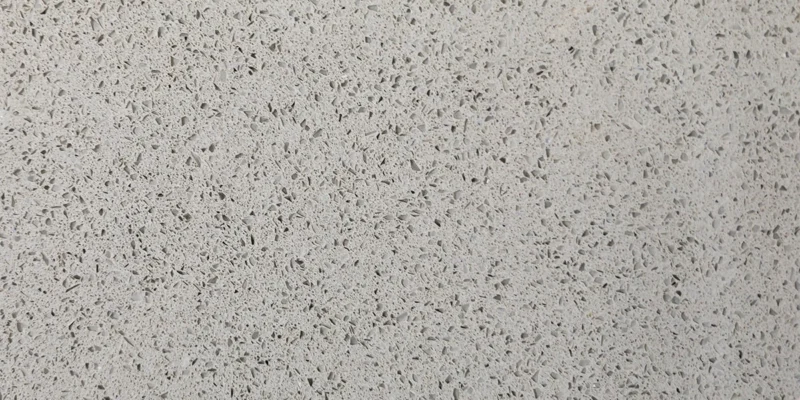


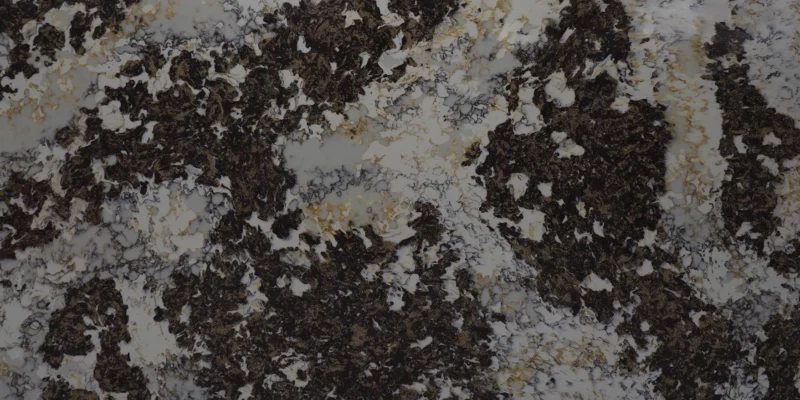


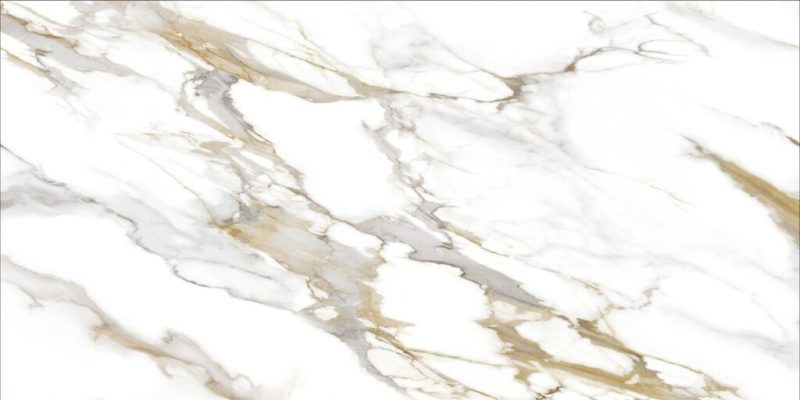


Professional guidance early in the process can prevent many costly mistakes. Experienced specialists can recommend appropriate materials, thicknesses, and finishes based on lifestyle and design goals, often starting with a proper countertop survey and measurement to ensure precision before fabrication begins.
By approaching countertop selection as a long-term investment rather than a short-term design decision, homeowners can avoid common pitfalls and choose surfaces that enhance daily living, reduce maintenance stress, and protect property value for years to come.
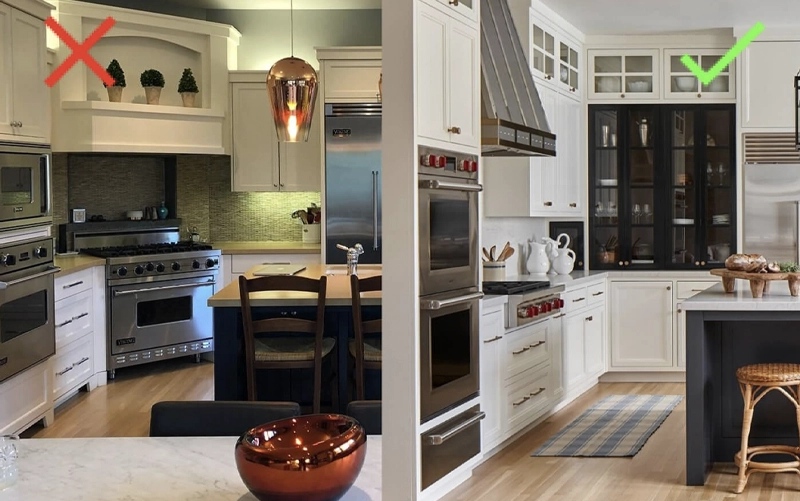
Another costly mistake many homeowners make is ignoring installation-related constraints until it is too late. Countertops are not standalone elements; they interact directly with cabinetry, appliances, walls, plumbing, and structural supports. Failing to account for these factors often results in last-minute compromises or additional costs. For example, insufficient cabinet reinforcement can limit slab thickness options or prevent the use of heavy natural stone surfaces altogether.
Appliance clearances, cooktop cutouts, sink integration, and overhang requirements all influence material choice and slab dimensions. Homeowners who select materials before confirming technical feasibility frequently encounter problems during fabrication or installation. This is why professional planning through services such as kitchen island countertop design and detailed site assessments is critical for avoiding expensive revisions.
Ignoring wall irregularities is another common issue, especially in older Ontario homes and downtown Toronto condos. Walls are rarely perfectly straight, and stone slabs require precise templating to avoid visible gaps or uneven seams. These challenges reinforce the importance of professional measurement and fabrication planning before finalizing any purchase.
One of the most misunderstood aspects of countertop materials is resistance performance. Many homeowners assume that all stone surfaces are heatproof, stainproof, or scratch-resistant, which is not the case. Each material reacts differently to daily kitchen stress, and misunderstanding these limits leads to premature damage.
Quartz, while extremely durable, contains resins that can be damaged by direct heat exposure. Granite handles heat better but still benefits from protective habits. Porcelain offers exceptional heat and UV resistance but requires expert installation due to its thin profile. Choosing the wrong material without understanding these differences often leads to regret, particularly in kitchens with frequent cooking or high appliance usage.
Homeowners who educate themselves on real-world performance—rather than marketing claims—are far more satisfied with their final choice. Comparing materials through performance-based guides and professional consultations helps align expectations with reality.
Another strategic mistake is failing to consider how countertop choices impact resale value. Even if homeowners plan to stay long-term, market perception still matters. In Ontario’s competitive real estate market, kitchens remain one of the strongest selling points, and countertops play a central role in buyer perception.
Overly bold or highly personalized materials may appeal to current owners but limit buyer interest later. In contrast, neutral and widely accepted materials such as quartz and granite tend to perform better in resale scenarios. Many real estate professionals note that homes featuring professionally installed stone countertops—especially those tied to reliable custom stone fabrication—attract more interest and stronger offers.
Choosing materials that balance individuality with market appeal helps protect property value while still achieving a refined design outcome.
Countertop buying mistakes often occur when decisions are made in isolation. Countertops should be selected in coordination with cabinetry, flooring, backsplashes, and wall finishes to ensure visual cohesion. A surface that looks impressive on its own may clash with surrounding elements once installed.
For example, dramatic veining may overwhelm compact kitchens, while overly uniform surfaces may appear flat in large open-concept spaces. Coordinating countertop selection with backsplash strategies—such as full-height stone backsplashes or slab returns—creates visual continuity and elevates the entire kitchen design.
Homeowners who plan surfaces holistically achieve more refined results and avoid the disappointment of mismatched materials after installation.
Another critical mistake is choosing countertops based solely on online images or small samples. Natural stone slabs vary significantly in color, veining, and movement, and no two slabs are identical. Even engineered surfaces can appear different under various lighting conditions.
Visiting a showroom or slab yard allows homeowners to see full slabs, assess finishes, and understand scale before committing. This step is especially important for statement pieces such as islands or waterfall edges, where slab selection directly impacts visual outcome.
Skipping this step often leads to unmet expectations once the countertop is installed, particularly with natural stones such as marble, quartzite, or granite.
Homeowners who want to avoid common countertop mistakes in Ontario should approach the process methodically rather than emotionally. A structured decision-making checklist dramatically reduces risk and improves long-term satisfaction.
By following these principles and working with professionals who understand Ontario kitchens, homeowners can confidently select countertops that deliver beauty, durability, and value without costly surprises.
When planned correctly, countertops become a long-term investment that enhances daily living, supports resale value, and reflects thoughtful design rather than rushed decisions.