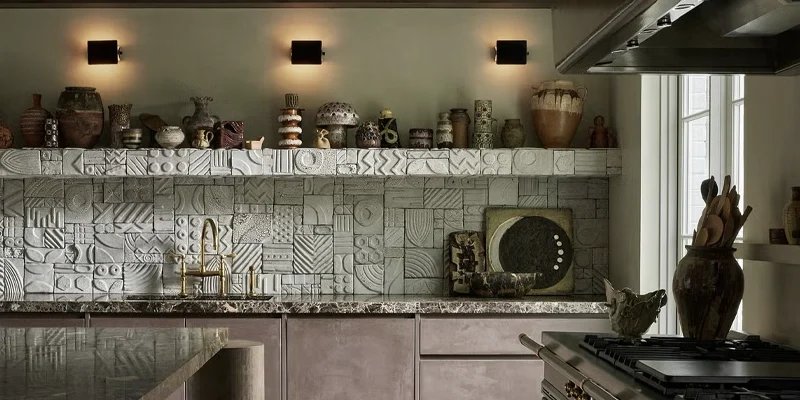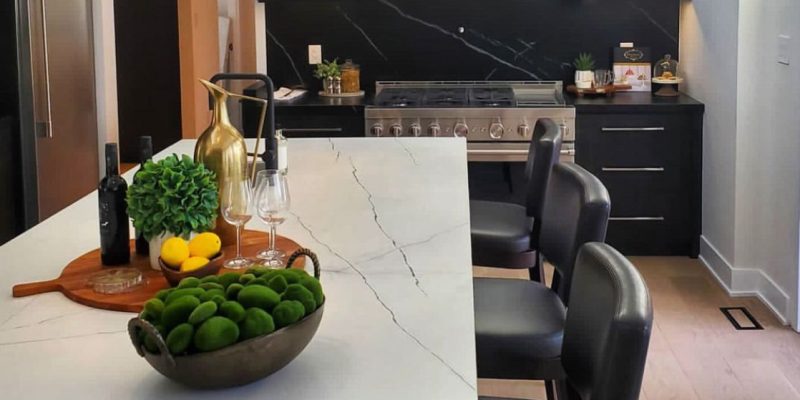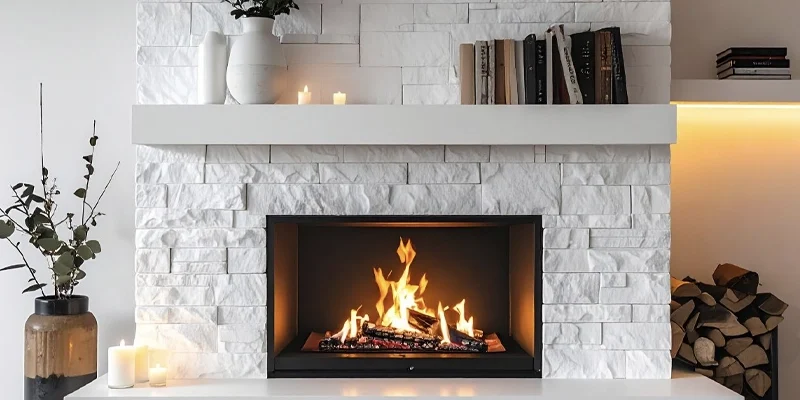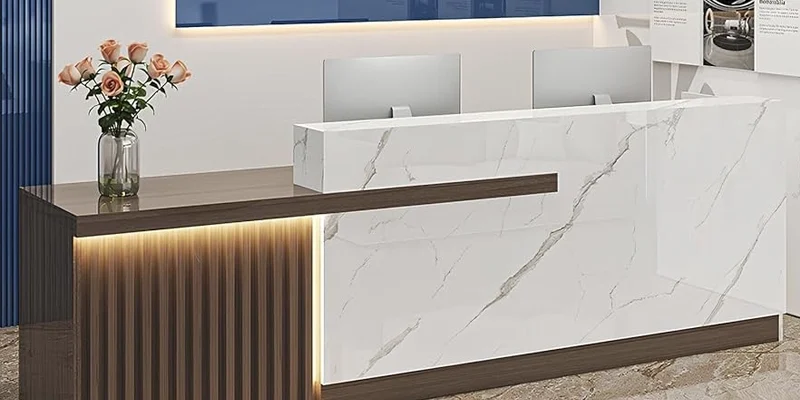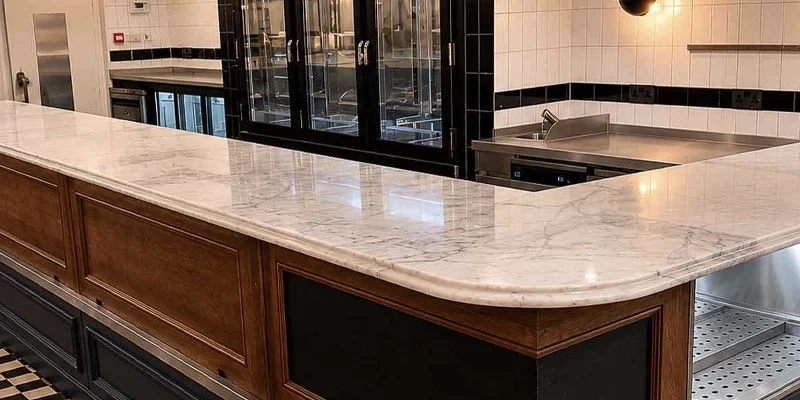
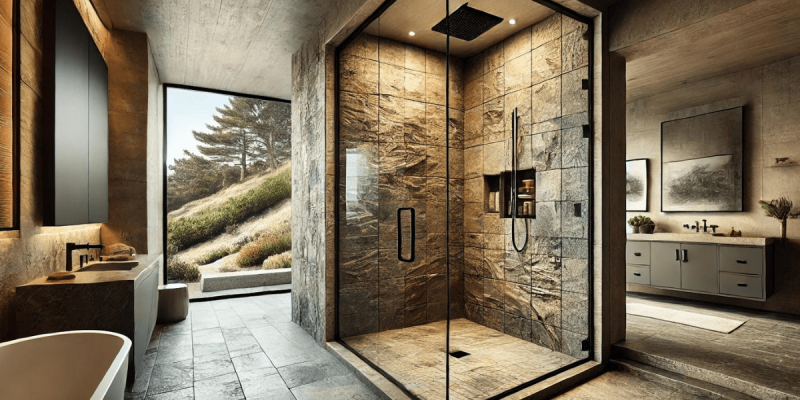
Natural stone in bathrooms can be used far beyond a single vanity countertop. Depending on the material and project, stone can appear on shower walls, vanity tops, benches, niches, backsplashes and other architectural surfaces where colour, veining and slab-scale pattern become part of the room’s design.
But choosing natural stone for a bathroom should involve more than selecting a slab that looks attractive. Bathrooms introduce regular moisture, cleaning products, fixtures, joints and different types of surface exposure. Marble, granite and quartzite also have different characteristics, so they should not be grouped together under one universal set of performance or maintenance claims.
A successful bathroom stone project therefore begins with the application. The surface used for a vanity top may face different conditions from a shower wall or bench, and the material, finish, fabrication details and care expectations should be evaluated accordingly.
Natural Stone Materials | Bathroom Applications | Project-Specific Care | Custom Fabrication
Natural stone is quarried and processed into slabs or other usable formats rather than manufactured to produce a controlled pattern. Granite, marble and quartzite are among the materials commonly considered for custom bathroom applications.
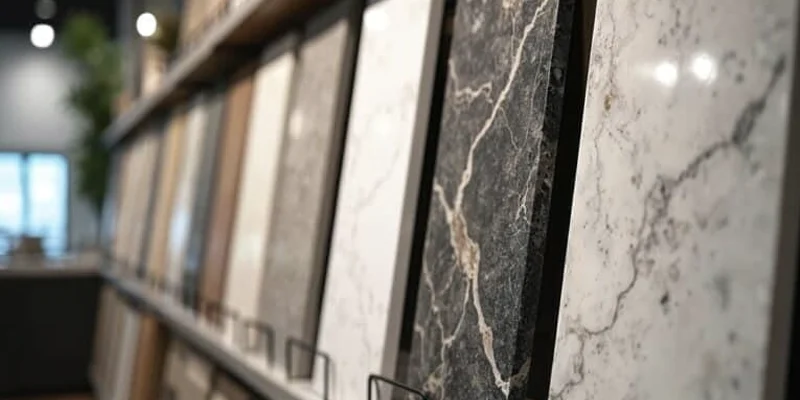
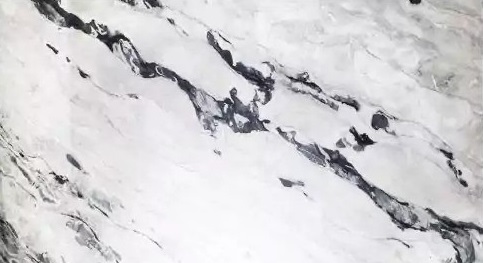
The natural origin of these materials means that individual slabs can differ in colour, veining, mineral distribution and overall movement. In a bathroom where stone covers a large or highly visible area, the actual slab can therefore become an important part of the design decision.
A small material sample may communicate the general colour of a stone without showing the full character of the slab. Large-format applications such as shower walls or extended vanity surfaces can reveal considerably more movement.
Where visual continuity matters, reviewing the slab before fabrication can help determine how major veins, tonal changes or distinctive areas should appear across the finished pieces.
“Natural stone” should not be treated as a single performance category. Marble, granite and quartzite have different compositions and can respond differently to use, cleaning products and environmental exposure.
Even within one stone category, the actual material and finish may influence care requirements. This is why broad statements such as “all natural stone needs annual sealing” or “all granite is maintenance-free” should be avoided.
Homeowners who are still exploring materials can begin with Teccorp Stone’s broader stone surfaces collection before comparing individual natural-stone options.
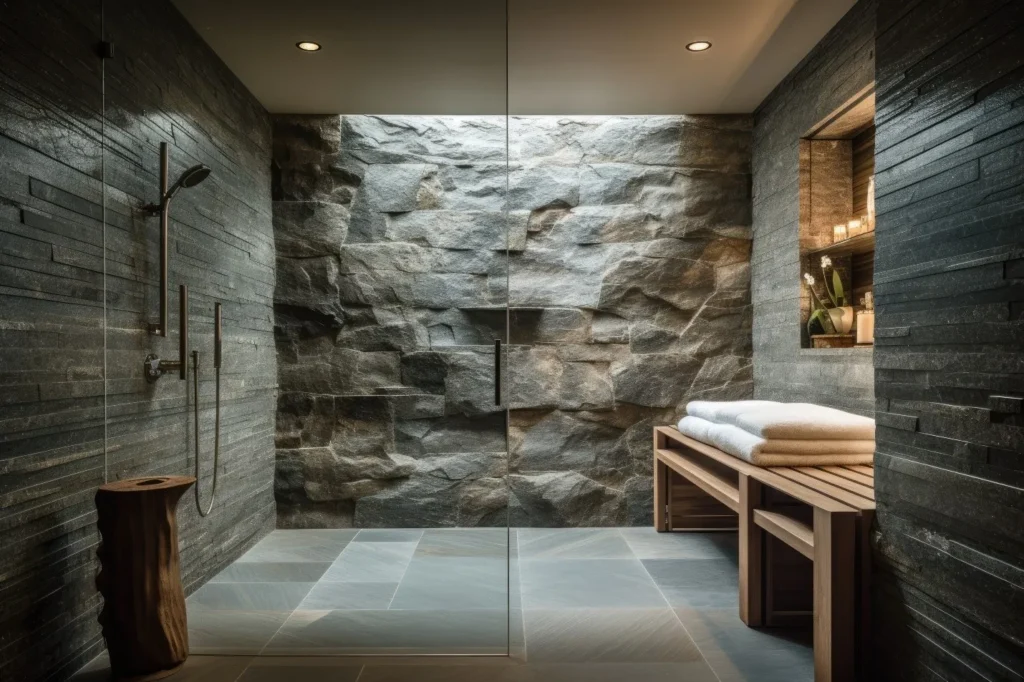
The bathroom offers several opportunities for custom stonework, but each application has a different relationship with water, fixtures, joints and everyday use. A material that is being considered for one surface should not automatically be assumed to suit every other part of the room in exactly the same way.
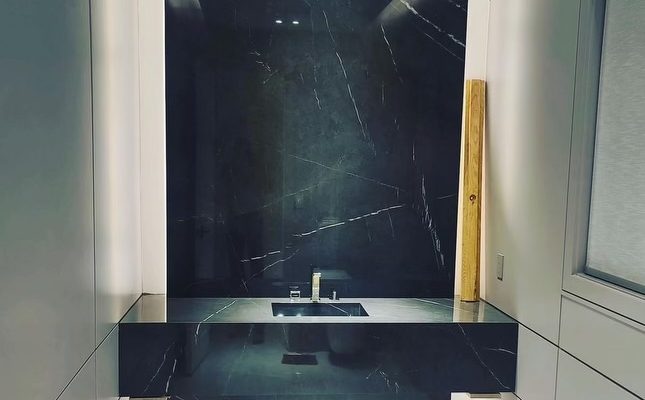
Vanity tops are one of the most familiar bathroom stone applications. Custom fabrication allows the countertop to coordinate with cabinet dimensions, sink configuration, faucets, wall conditions and backsplash details.
The surface may also need openings for undermount or vessel sinks and other fixtures, making accurate project information important before fabrication.
Because selecting the best vanity material is a separate decision with its own criteria, homeowners planning this application can use Teccorp Stone’s custom vanity countertop services for more bathroom-countertop-specific information.
Natural stone can create visually continuous shower walls, especially when larger pieces are used to display the movement of the selected material. However, shower applications introduce regular water exposure and cleaning conditions that should be considered before the material is approved.
Stone selection, surface finish, joint planning and care requirements should therefore be evaluated for the specific shower rather than assuming every natural slab is equally suitable.
Homeowners comparing natural and manufactured surfaces specifically for this application can refer to the guide on natural or engineered stone for showers.
Benches, shelves and niches introduce smaller stone components that often need to coordinate with the surrounding shower surfaces. Fabricated pieces can create cleaner transitions and reduce the number of small-format surface changes within the design.
These components should still be planned according to their actual exposure, support conditions and installation details. The fact that a piece is small does not remove the need for appropriate material and fabrication decisions.
Stone can also be used beyond wet shower zones as vanity backsplashes, accent surfaces or larger wall features. These applications provide more opportunity to emphasize veining and slab composition because the material is viewed vertically.
When a vanity top and backsplash use the same slab, their relationship can be considered during layout so that the finished surfaces feel intentional rather than independent.
Application Check: Do not choose a bathroom stone based only on the material name. Consider where it will be installed, how it will be exposed to water and cleaning, and what fabrication or finishing the specific application requires.
Natural stone in bathrooms can be used far beyond a single vanity countertop. Depending on the material and project, stone can appear on shower walls, vanity tops, benches, niches, backsplashes and other architectural surfaces where colour, veining and slab-scale pattern become part of the room’s design.
But choosing natural stone for a bathroom should involve more than selecting a slab that looks attractive. Bathrooms introduce regular moisture, cleaning products, fixtures, joints and different types of surface exposure. Marble, granite and quartzite also have different characteristics, so they should not be grouped together under one universal set of performance or maintenance claims.
A successful bathroom stone project therefore begins with the application. The surface used for a vanity top may face different conditions from a shower wall or bench, and the material, finish, fabrication details and care expectations should be evaluated accordingly.
Natural Stone Materials | Bathroom Applications | Project-Specific Care | Custom Fabrication
Natural stone is quarried and processed into slabs or other usable formats rather than manufactured to produce a controlled pattern. Granite, marble and quartzite are among the materials commonly considered for custom bathroom applications.
The natural origin of these materials means that individual slabs can differ in colour, veining, mineral distribution and overall movement. In a bathroom where stone covers a large or highly visible area, the actual slab can therefore become an important part of the design decision.
A small material sample may communicate the general colour of a stone without showing the full character of the slab. Large-format applications such as shower walls or extended vanity surfaces can reveal considerably more movement.
Where visual continuity matters, reviewing the slab before fabrication can help determine how major veins, tonal changes or distinctive areas should appear across the finished pieces.
“Natural stone” should not be treated as a single performance category. Marble, granite and quartzite have different compositions and can respond differently to use, cleaning products and environmental exposure.
Even within one stone category, the actual material and finish may influence care requirements. This is why broad statements such as “all natural stone needs annual sealing” or “all granite is maintenance-free” should be avoided.
Homeowners who are still exploring materials can begin with Teccorp Stone’s broader stone surfaces collection before comparing individual natural-stone options.
The bathroom offers several opportunities for custom stonework, but each application has a different relationship with water, fixtures, joints and everyday use. A material that is being considered for one surface should not automatically be assumed to suit every other part of the room in exactly the same way.
Vanity tops are one of the most familiar bathroom stone applications. Custom fabrication allows the countertop to coordinate with cabinet dimensions, sink configuration, faucets, wall conditions and backsplash details.
The surface may also need openings for undermount or vessel sinks and other fixtures, making accurate project information important before fabrication.
Because selecting the best vanity material is a separate decision with its own criteria, homeowners planning this application can use Teccorp Stone’s custom vanity countertop services for more bathroom-countertop-specific information.
Natural stone can create visually continuous shower walls, especially when larger pieces are used to display the movement of the selected material.
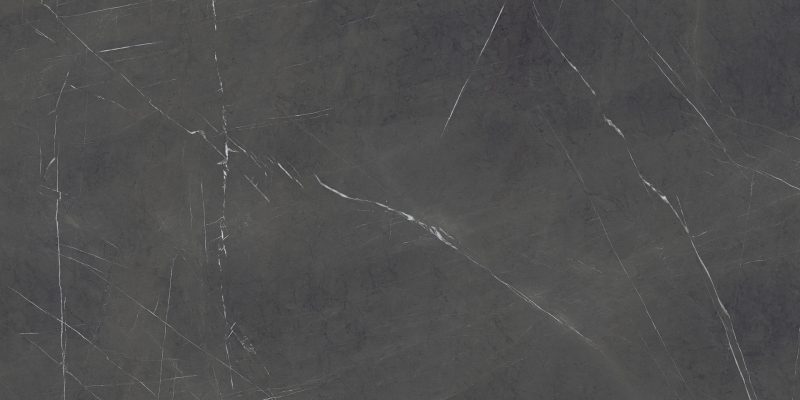
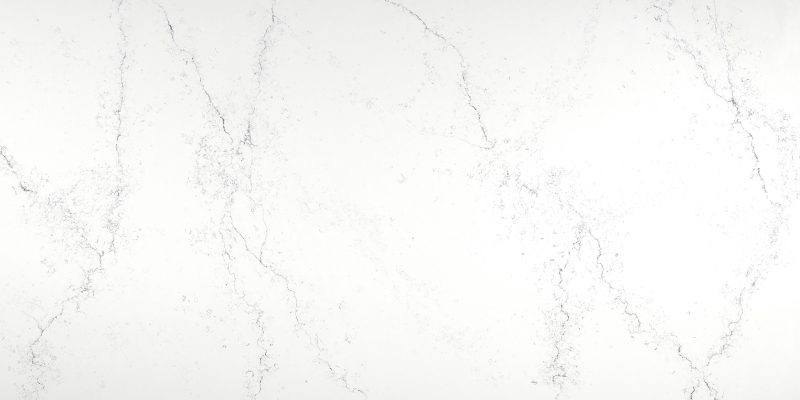
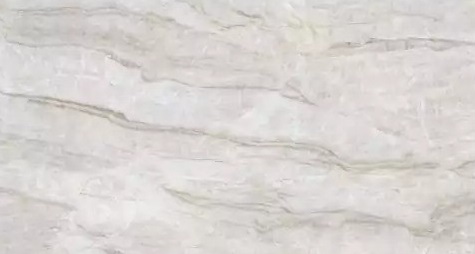




Stone selection, surface finish, joint planning and care requirements should therefore be evaluated for the specific shower rather than assuming every natural slab is equally suitable.
Homeowners comparing natural and manufactured surfaces specifically for this application can refer to the guide on natural or engineered stone for showers.
Benches, shelves and niches introduce smaller stone components that often need to coordinate with the surrounding shower surfaces. Fabricated pieces can create cleaner transitions and reduce the number of small-format surface changes within the design.
These components should still be planned according to their actual exposure, support conditions and installation details. The fact that a piece is small does not remove the need for appropriate material and fabrication decisions.
Stone can also be used beyond wet shower zones as vanity backsplashes, accent surfaces or larger wall features. These applications provide more opportunity to emphasize veining and slab composition because the material is viewed vertically.
When a vanity top and backsplash use the same slab, their relationship can be considered during layout so that the finished surfaces feel intentional rather than independent.
Application Check: Do not choose a bathroom stone based only on the material name. Consider where it will be installed, how it will be exposed to water and cleaning, and what fabrication or finishing the specific application requires.
Natural stone can become one of the most visually prominent materials in a bathroom, particularly when it is used across larger surfaces. The relationship between slab pattern, room scale and fabricated components should therefore be considered before cutting begins.
A small sample can communicate general colour and texture, but it may not show the full movement of marble, granite or quartzite. Large vanity tops, shower walls and vertical features can reveal much more of the slab.
Reviewing the actual material can help identify:
If the bathroom uses the same material for a vanity top, backsplash, shower component or another nearby feature, planning those pieces together can create a more intentional result.
This does not mean every vein must connect continuously. The objective is to understand how visible components will relate before the available slab is divided among them.
Mitered edges, large-format panels and other fabricated details can expand the design possibilities of natural stone, but additional complexity is not automatically an improvement.
The detailing should suit the material, application and visual character of the bathroom. In many projects, restrained fabrication allows the natural pattern of the stone to remain the main design element.
For a broader explanation of how layout, cutouts, edges and finishing affect the final result, see Teccorp Stone’s guide to high-quality stone fabrication.
Natural stone is only one material direction available for bathroom projects. Engineered quartz and porcelain can also be considered for selected applications, but the comparison should be made according to the actual surface and location rather than treating all manufactured products as one category.
Marble, granite and quartzite provide natural variation that can make the actual slab a significant part of the design. This is particularly relevant when the bathroom includes large visible surfaces.
Engineered quartz can provide greater control over colour and pattern, while porcelain offers another manufactured slab system with its own thicknesses, fabrication requirements and application considerations.
Neither approach is automatically better. Natural and manufactured surfaces offer different combinations of appearance, product characteristics, care requirements and fabrication considerations.
For shower-specific comparisons, the separate guide to natural or engineered stone for showers provides a more focused decision framework.
A visually striking slab may still require care or installation considerations that should be understood before approval. Appearance should be evaluated alongside the intended application and maintenance expectations.
Marble, granite and quartzite differ, and individual slabs can vary within each category. One set of assumptions should not be applied to every stone.
Sealing should be based on the specific material, finish, exposure and current condition rather than automatically scheduled at the same interval for every bathroom.
A suitable sealer may support surface protection where appropriate, but it does not replace waterproofing systems, correct installation or ongoing care.
For large or highly patterned applications, selecting only from a small sample can make it difficult to anticipate the final appearance.
Material selection is only one part of the project. Cutouts, edges, joints, support, wet-area construction and other installation conditions can affect the finished bathroom.
Selection Check: A bathroom stone should be evaluated as part of a complete application—not simply as a slab. Material, finish, location, fabrication, installation and care all contribute to the final decision.
A practical selection process begins by narrowing the project according to where the stone will be installed and how it will be used.
Determine whether the stone is intended for a vanity top, shower wall, bench, niche, backsplash or another surface. Each location creates different requirements.
Evaluate the characteristics of the actual marble, granite or quartzite options rather than comparing only broad material names.
Understand appropriate cleaning, possible sensitivity to substances and whether the selected surface may require sealing or other maintenance.
Review slab pattern, cabinetry, fixtures and adjacent finishes together, particularly where the stone will cover a large visible area.
Before fabrication begins, confirm dimensions, sink and fixture information, edges, openings and other details that affect the finished component.
Where the project involves multiple custom stone elements, Teccorp Stone’s custom stone services provide a broader overview of project-specific fabrication and installation applications.
Natural stone can be used in many bathroom applications, but suitability depends on the specific material, finish, location, exposure and installation requirements.
Marble, granite and quartzite are among the natural stones considered for bathroom projects. Each has different visual and care characteristics.
Some natural-stone surfaces may benefit from sealing, but there is no universal rule or fixed schedule. The actual stone, finish, exposure and condition should guide the decision.
Selected natural stones can be considered for shower walls when the material, finish, wet-area installation and care requirements are appropriate for the application.
Yes, marble can be used for selected bathroom applications. Homeowners should understand that some marble surfaces can be sensitive to acidic substances and require material-appropriate care.
No natural stone should be described as universally maintenance-free. Granite care and sealing requirements can vary according to the specific stone, finish and use.
No. Quartzite is a natural stone, while engineered quartz is a manufactured surface.
Natural stone can add distinctive pattern, material character and custom fabrication possibilities to bathrooms, but its suitability should always be evaluated in the context of the actual application.
Marble, granite and quartzite each offer different visual and material characteristics. Vanity tops, shower walls, benches and architectural features also create different exposure and fabrication requirements.
The strongest decision therefore comes from comparing the actual slab, understanding the intended location, establishing realistic care expectations and coordinating fabrication and installation before the project moves into production.
Explore Natural Stone for Your Bathroom Project
Share your bathroom layout, preferred materials and application requirements with Teccorp Stone to discuss suitable stone options and custom fabrication.