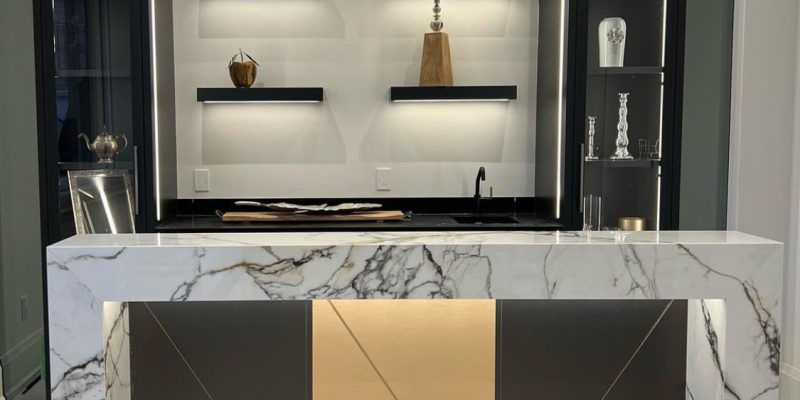
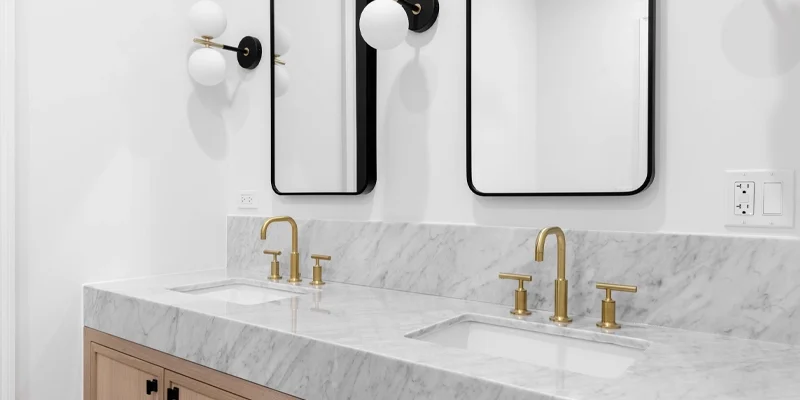
Luxury bathroom vanity countertops can define the visual character of an entire bathroom when the stone, cabinetry, sink configuration and surrounding finishes are designed as one composition. In higher-end homes across Toronto and the GTA, the strongest vanity designs are rarely created by selecting an expensive material alone. Proportion, pattern placement, edge detailing and the relationship between the countertop and the rest of the room often matter just as much.
This guide explores design ideas for creating refined bathroom vanities using natural and manufactured surfaces, with an emphasis on material character, visual continuity and custom fabrication rather than a specific city service.
Homeowners planning an actual vanity project can review Teccorp Stone’s main Vanity Countertops service for information about custom fabrication and installation across Toronto and the GTA.
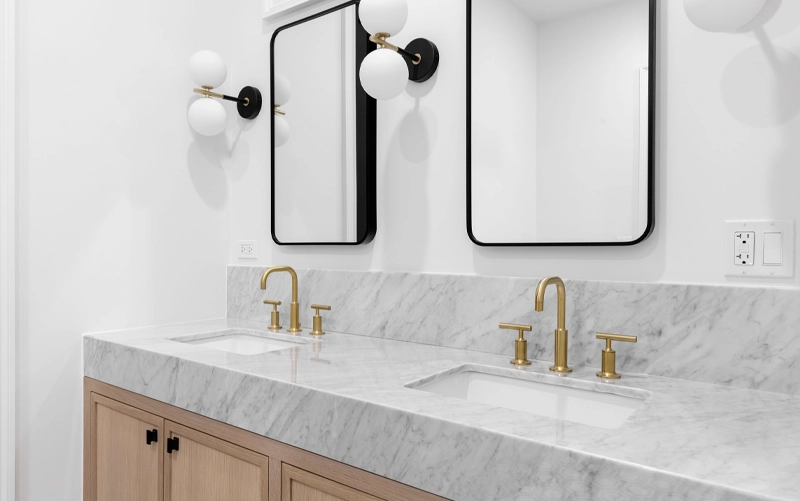
A luxury vanity usually feels intentional rather than heavily decorated. The countertop should appear proportionate to the cabinetry, the sink arrangement should feel balanced, and visible stone details should support the wider bathroom design.
Elements that can contribute to a more refined vanity include:
Luxury does not necessarily require the thickest edge, the most dramatic stone or the largest vanity. In some bathrooms, a restrained slab with quiet veining and precise detailing can create a more sophisticated result than a visually busy surface.
The vanity is usually one of the largest visual surfaces in the bathroom, but it still needs to work with flooring, shower finishes, cabinetry and fixtures. Selecting the countertop in isolation can make even an expensive material feel disconnected from the room.
A more coordinated approach considers:
If the shower walls or floor already contain strong veining or pattern, a quieter vanity surface may create better balance. Where the surrounding bathroom is visually restrained, the vanity can instead become the primary stone feature.
Material selection influences both the visual personality and practical requirements of a bathroom vanity. Rather than treating one material as universally more luxurious than another, it is more useful to consider the type of appearance the project requires and how the homeowner expects to use and maintain the surface.
Marble is often associated with luxury bathrooms because its natural veining can give a vanity visual depth and individuality. It works particularly well where the countertop is intended to become a prominent architectural element rather than simply a neutral surface.
Marble can support several design directions:
Because marble is calcium-based and can react with acidic substances, its maintenance requirements should be considered as part of the design decision rather than after installation.
Quartzite can provide strong natural movement and distinctive slab character for design-focused bathrooms. Some varieties have veining and tonal variation that make the vanity a prominent feature even when the surrounding cabinetry and fixtures remain simple.
The exact stone should be evaluated individually because quartzite products can vary in composition, absorption characteristics and fabrication requirements.
Quartz can work well in luxury bathrooms where a more controlled colour and pattern are preferred. Many engineered quartz products are available with restrained veining, bold marble-inspired movement or nearly uniform surfaces.
This makes quartz useful where the design requires consistency across a long double vanity or where the countertop needs to coordinate closely with cabinetry and wall finishes.
Because quartz products vary by manufacturer, the selected product’s care, fabrication and heat-exposure guidance should still be followed.
Porcelain slabs can suit bathrooms with a more architectural or minimalist direction. Depending on the product and fabrication system, porcelain may offer thinner visual profiles and a wide range of stone-inspired patterns.
It can work particularly well with floating cabinetry, restrained edge details and large-format wall finishes where the design relies on clean geometry rather than heavy visual mass.
Luxury is not a material category. Marble, quartzite, quartz and porcelain can all support high-end bathroom design when the exact slab or product is appropriate for the application and is coordinated carefully with the surrounding space.
For strongly patterned materials, the part of the slab selected for the vanity can influence the final appearance as much as the stone type itself. Veining may be positioned to create a calm horizontal movement, emphasize the sink area or establish a stronger focal point.
Longer vanity countertops and double-sink layouts can make slab planning particularly important because more of the pattern remains visible across the surface.
A quiet pattern can help create a calm, spa-like bathroom where cabinetry, lighting and fixtures share visual importance. A stronger stone pattern can instead make the vanity the dominant design feature.
Neither approach is inherently more luxurious. The better choice depends on how much visual information already exists elsewhere in the room.
Using the same or a coordinated material for the countertop and backsplash can strengthen the sense of continuity around the vanity. A short backsplash creates a more restrained transition, while a taller slab treatment can make the stone a larger architectural feature.
Where pronounced veining is involved, countertop and backsplash orientation should be considered together before fabrication so the overall composition feels deliberate.
Luxury bathroom vanity design depends heavily on proportion. A countertop that feels too heavy for the cabinetry, too shallow for the sink arrangement or visually disconnected from the mirror and wall can weaken the entire composition even when the selected stone is visually striking.
Before finalizing the vanity design, consider:
In a refined bathroom, these elements should feel intentionally related rather than independently selected.
A single vanity can work as either a restrained functional element or a strong focal point. In smaller powder rooms and guest bathrooms, the limited countertop area can make slab pattern, sink position and edge detailing especially noticeable.
Where the surrounding room is simple, a distinctive natural stone or strongly veined surface can give the vanity more presence without requiring additional decorative elements.
Double vanities introduce a different design challenge because the countertop must visually connect two sink areas while maintaining comfortable spacing and balanced proportions.
Important design considerations include:
For strongly veined materials, longer double vanities can provide an opportunity to display more of the slab pattern, but the stone layout should still support the overall room rather than dominate it unintentionally.
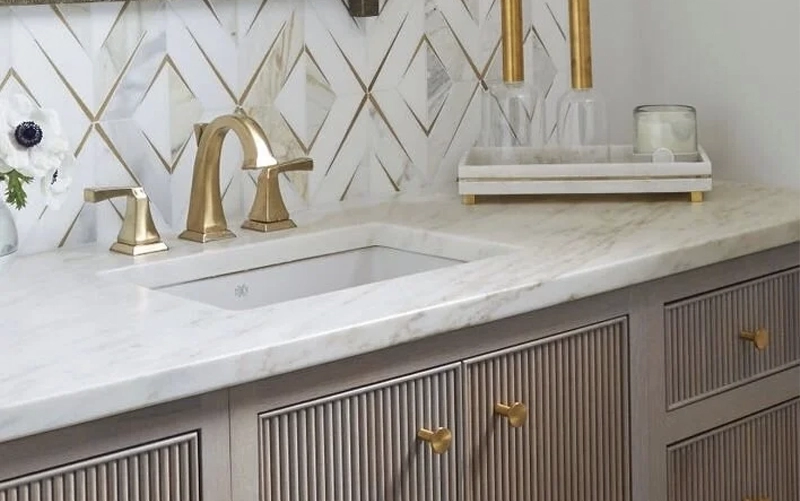
Floating vanities can create a lighter and more architectural appearance by exposing the floor beneath the cabinetry. This approach is frequently used in contemporary bathrooms where clean geometry and visual openness are priorities.
The countertop should reinforce that lighter appearance rather than visually overpower the cabinet. Depending on the material and design direction, this may involve a restrained edge profile, controlled pattern or thinner-looking slab treatment.
Floating vanity projects also require the supporting cabinet or wall system to be appropriate for the intended countertop and sink configuration. Structural support should be addressed independently from the visual design where required.
Floating vanities can be particularly effective where:
The sink is not simply a functional opening in the countertop. Its shape, mounting method and position can change the visual character of the entire vanity.
Undermount sinks create a clean transition between the countertop and basin because the sink rim remains below the surface. This can work particularly well where the stone pattern is intended to remain visually continuous across the countertop.
The fabricated sink opening becomes a visible finished detail, so its position and relationship to the faucet and cabinetry should be resolved before fabrication.
Vessel sinks can create a more sculptural or decorative vanity because the basin remains visible above the countertop. They work best when their height, shape and material are coordinated with the countertop rather than added after the surface has already been designed.
A visually complex vessel sink may pair better with a quieter countertop, while a simple basin can allow a strongly patterned natural stone to become the primary focal point.
Integrated or highly customized sink designs can create a more monolithic appearance where the vanity is intended to read as a single architectural object. Availability depends on the selected material, fabrication system and project scope, so these designs should be confirmed before the countertop is finalized.
The backsplash determines how the vanity transitions into the wall and can significantly change the visual scale of the stone within the bathroom.
A short backsplash keeps the countertop visually separate from the wall and can work well where mirrors, wall tile or paint are intended to remain prominent.
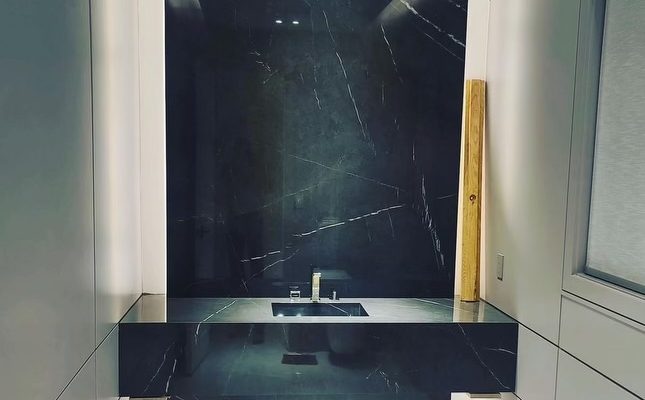
Extending stone higher behind the vanity can turn the countertop material into a larger architectural feature. This works particularly well where the selected slab has strong veining or where the rest of the bathroom is intentionally restrained.
Full-height stone should be coordinated with mirrors, outlets, lighting and faucet locations before fabrication and installation planning.
The backsplash does not always need to be fabricated from exactly the same material as the countertop. A quieter wall surface can balance a dramatic vanity, while a coordinated slab can strengthen continuity in a more minimal design.
Edge detailing affects how thick, light, traditional or architectural a vanity countertop appears. The best profile should support the cabinetry and stone pattern rather than becoming a decorative feature by itself.
Simple eased or straight profiles can work well in modern and transitional bathrooms because they allow the material and cabinetry to remain the primary visual elements.
A subtle bevel can introduce additional definition without creating a heavily decorative appearance. It can work particularly well where the cabinetry includes refined traditional or transitional detailing.
A mitered edge can create the appearance of a thicker slab without requiring the entire countertop to be fabricated from material of that thickness. This technique can add visual weight to a vanity, but it should be used selectively.
On smaller vanities, an oversized edge can make the countertop feel disproportionately heavy. On larger or floating installations, the same detail may provide a stronger architectural presence.
Edge profiles should support the design, not compete with it. A more elaborate edge is not automatically more luxurious. Scale, cabinetry style and the selected stone pattern should determine the appropriate treatment.
The countertop and cabinet should feel visually connected because they form a single piece of furniture within the bathroom.
Common approaches include:
The more visually active one element becomes, the more restraint may be useful in the other.
Fixtures and mirrors can either reinforce the vanity design or fragment it. Faucet finish, mirror shape and cabinet hardware should therefore be considered alongside the countertop rather than selected independently at the end of the project.
A single wide mirror can emphasize the horizontal character of a long vanity, while separate mirrors can visually define individual sink zones in a double-vanity layout.
The relationship between mirror width, backsplash height and sink placement should be planned before full-height stone or wall-mounted fixtures are finalized.
Brushed brass, polished chrome, matte black and other metal finishes can all work with luxury stone surfaces.

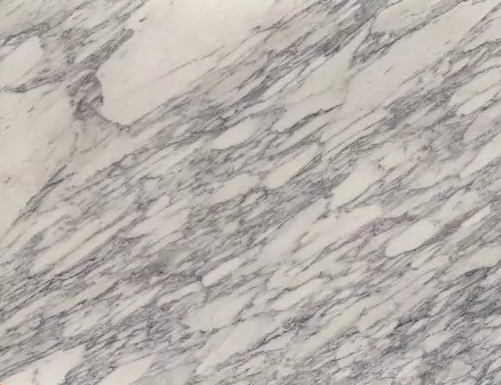


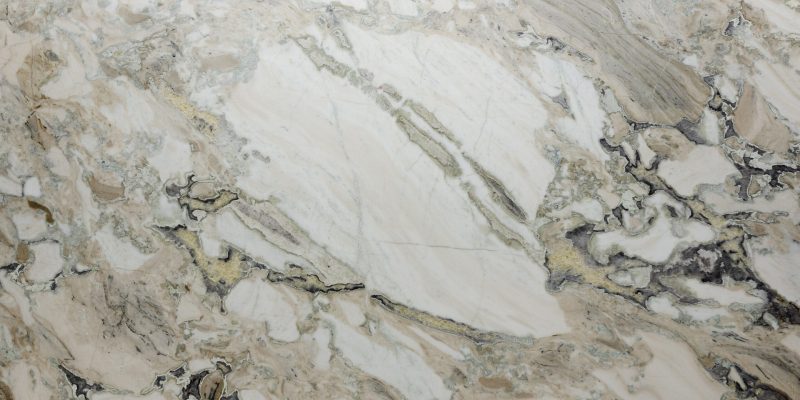
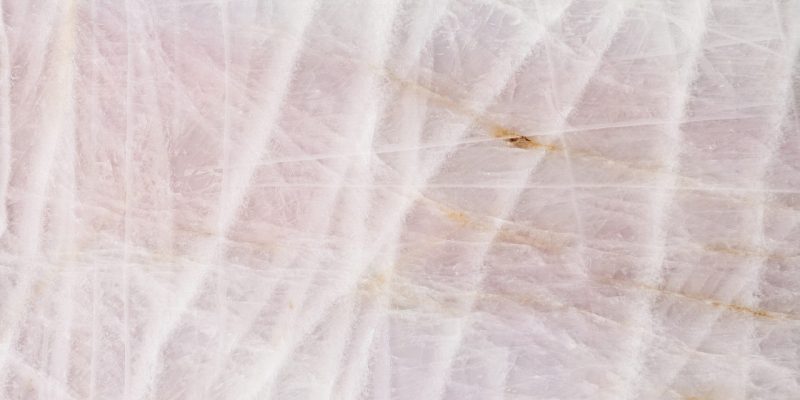
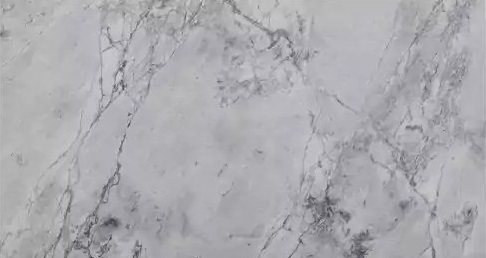
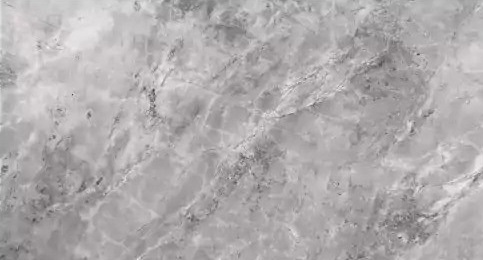

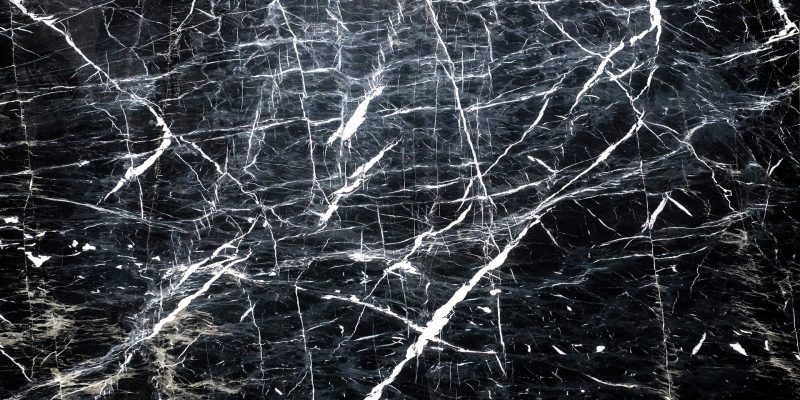
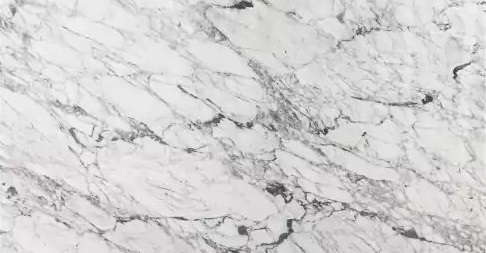


Warm-veined stones may coordinate naturally with warmer metal finishes, while cooler grey or white surfaces can support a broader range of contemporary hardware. Contrast can also be intentional where the overall palette remains controlled.
A luxury bathroom often feels cohesive because materials repeat strategically rather than because every surface matches exactly.
The vanity material can be referenced elsewhere through:
Repeating the material selectively can strengthen visual continuity without overwhelming the room. In bathrooms with dramatic stone, using the same pattern everywhere may reduce the impact of the vanity rather than enhance it.
A luxury vanity does not need to follow the same design formula in every bathroom. The appropriate level of pattern, material expression and detailing depends partly on how the room is used and how prominent the vanity is within the overall space.
Primary bathrooms often provide enough space for the vanity to become a significant architectural feature. Longer countertops, double sinks, coordinated backsplashes and carefully selected slab patterns can create a more composed design when their proportions are planned together.
Possible directions include:
Powder rooms can accommodate stronger visual choices because the vanity is often viewed as a feature within a relatively compact space. A dramatic slab, distinctive basin or stronger colour combination may have greater impact here than in a larger bathroom filled with competing materials.
The limited scale also makes restraint important. A bold countertop, decorative sink, patterned wall and highly detailed cabinetry used together can make a small room feel visually crowded.
Guest bathrooms often benefit from a balance between visual character and straightforward everyday use. A well-proportioned vanity with a controlled material palette can provide a refined appearance without requiring the room to function as a major design statement.
Smaller bathrooms can still feel highly considered when the number of materials is controlled. Floating cabinetry, restrained edge profiles, simple sinks and a carefully chosen countertop can preserve visual openness while giving the vanity a clear identity.
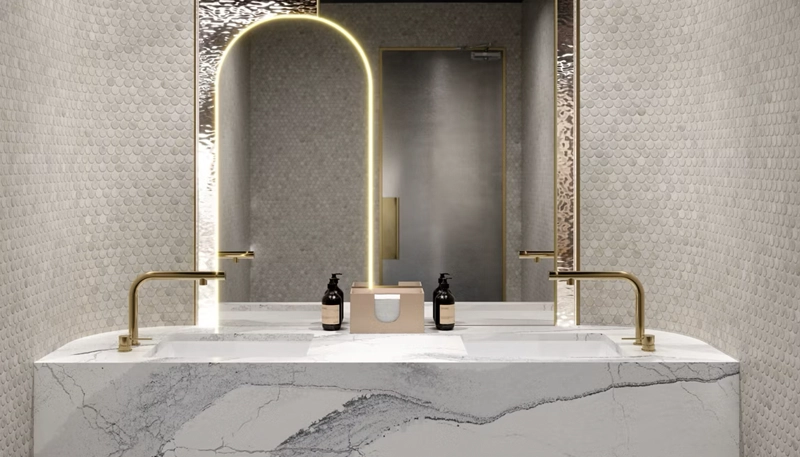
Colour combinations should be developed from the entire bathroom palette rather than the countertop alone. Cabinetry, flooring, wall finishes, metals and lighting can all change how a stone colour appears in the completed room.
White, cream or softly veined surfaces can create contrast against natural wood cabinetry while allowing the warmth of the cabinet to remain visible. This combination can work in both contemporary and transitional bathrooms.
Where the countertop has strong movement, flat or visually quiet cabinetry can provide a useful counterbalance. Limiting competing patterns allows the stone to remain the main feature.
Darker stone or manufactured surfaces can create depth and contrast, particularly against lighter cabinetry, floors or walls. In smaller rooms, however, the surrounding lighting and material balance should be considered so the vanity does not visually dominate the space unintentionally.
A restrained palette does not require every material to match exactly. Small differences in tone, texture and finish can prevent a neutral bathroom from feeling flat while maintaining a calm overall composition.
A luxury bathroom still needs to function comfortably. The most expressive stone or elaborate detail is not necessarily the best choice if it conflicts with the way the vanity will be used or maintained.
Before finalizing the design, consider:
The goal is to create a vanity that remains visually satisfying after the initial renovation rather than one designed only for photographs.
A striking slab can be difficult to integrate if cabinetry, flooring and wall finishes have already established a competing colour or pattern direction. The countertop should be evaluated within the complete material palette.
Strong veining, decorative tile, patterned flooring and highly detailed cabinetry can each work individually. Using all of them as focal points at once can reduce visual hierarchy.
A visually thick edge may suit a large vanity but overwhelm a compact cabinet. Edge scale should relate to the dimensions of the countertop and cabinetry.
A sink that is too large for the available countertop area can leave insufficient usable surface around it. Likewise, faucet dimensions and placement should work with the basin and backsplash rather than being resolved independently.
Mirrors, electrical outlets, lighting and wall-mounted faucets can all interact with a slab backsplash. These elements should be coordinated before the stone is fabricated.
Every surface has product-specific care requirements. Natural stones can vary substantially, and manufactured materials should be maintained according to their manufacturer’s guidance. A luxury design should account for realistic maintenance expectations from the beginning.
Custom fabrication allows the countertop to respond to the actual vanity dimensions, sink specifications, visible edges and selected slab pattern. This becomes particularly important when the stone is intended to function as a prominent design element.
Depending on the project, fabrication planning may involve:
The objective is not simply to cut the selected material to size, but to translate the approved design into components that work with the actual bathroom conditions.
For homeowners moving from inspiration to an actual project, Teccorp’s custom vanity countertop service provides information about measurement, fabrication and installation across Toronto and the GTA.
There is no universal best material. Marble and quartzite can provide distinctive natural variation, while quartz and porcelain can offer more controlled patterns. The appropriate choice depends on the exact product, design goals, bathroom usage and maintenance expectations.
No. Luxury is determined by the overall composition and execution rather than whether the surface is natural or manufactured. Quartz and porcelain can also support high-end bathroom designs when the selected product and detailing suit the project.
Not necessarily. A thicker visual profile can work well on some large vanities, while a restrained edge may look more proportionate in a smaller or more minimalist bathroom.
It can, but exact matching is not required. Coordinated materials can create continuity while still allowing the vanity and shower to have separate visual roles.
Integrated designs can create a more continuous appearance, but undermount and vessel sinks can also work successfully. The best configuration depends on the selected material, fabrication system and overall design.
Using the same material can strengthen continuity, especially with pronounced veining. A contrasting or quieter backsplash may work better where the countertop is already visually dominant.
The most successful luxury vanity designs bring material, proportion, sink configuration, cabinetry and surrounding finishes together as one composition. An expensive slab alone cannot compensate for poor scale or disconnected details, while a carefully coordinated design can make even a restrained material palette feel highly refined.
Homeowners, designers and contractors planning a custom bathroom vanity in Toronto or the GTA can explore available surfaces and discuss fabrication requirements with Teccorp Stone.