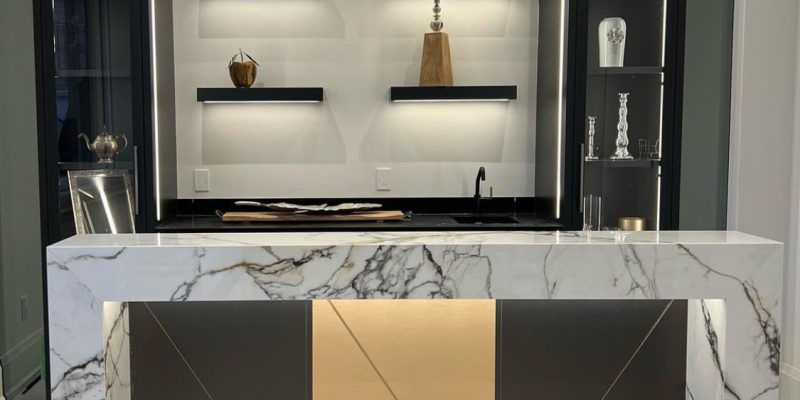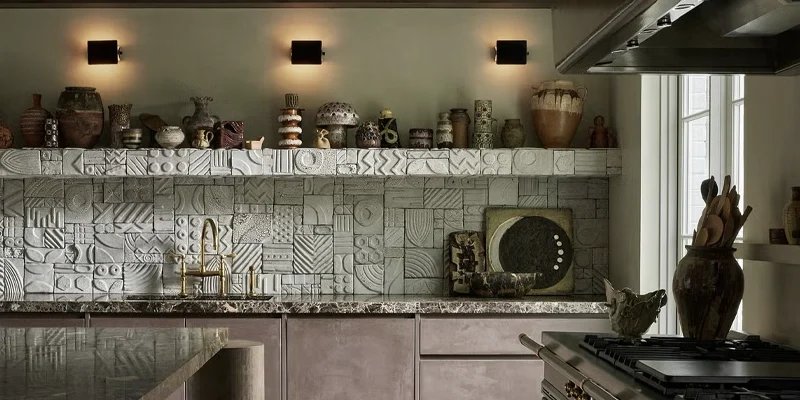
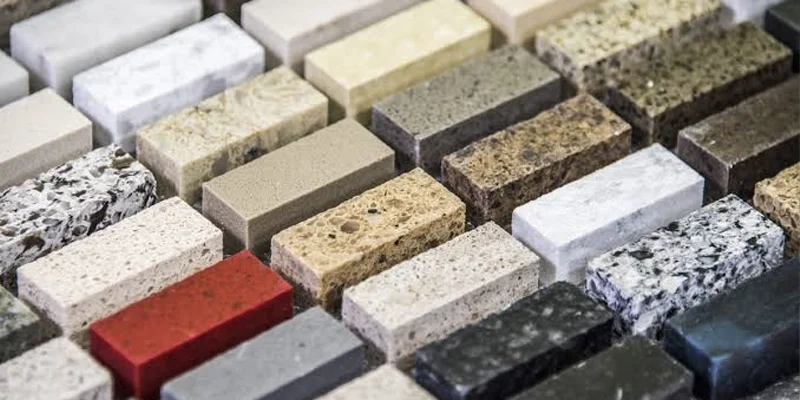
Choosing the best countertop materials for builders is not simply a matter of ranking quartz, granite or porcelain from best to worst. Builders and remodelers need to specify surfaces around the actual project: the type of property, expected use, design standard, maintenance expectations, fabrication details, approval process and whether the material will be used once or repeated across several spaces.
A material that works well for a custom statement kitchen may be unnecessarily complex for a repeated renovation package. Likewise, a highly consistent manufactured surface may simplify some projects, while a distinctive natural slab may be more appropriate when material character is part of the design brief.
This guide compares quartz, porcelain, granite, marble and quartzite from a builder and remodeler perspective, focusing on specification decisions that affect design continuity, fabrication and project delivery rather than consumer trends alone.
Specification Principle: Select the countertop around the complete project requirement—not a single performance claim. Appearance, maintenance, availability, fabrication details and the intended application should be reviewed together before the material is approved.
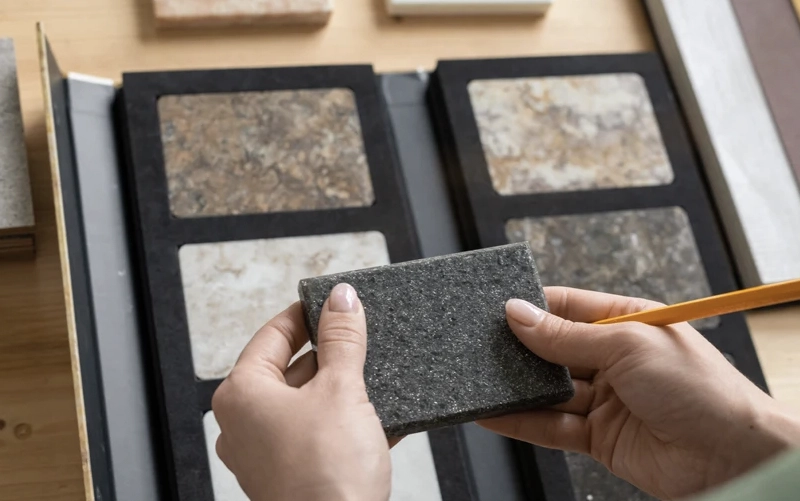
Professional material selection starts with the project brief. The countertop needs to satisfy the requirements of the finished space while remaining practical to approve, fabricate and install.
A custom home, occupied kitchen remodel and repeated residential layout do not necessarily need the same countertop specification. Consider where the surface will be installed, how it is expected to be used and which characteristics are actually important to the client or project standard.
A statement island may justify distinctive natural slab movement, while a project requiring visually related surfaces across several kitchens may place greater emphasis on controlled pattern and repeatability.
Manufactured surfaces such as quartz and porcelain generally offer more controlled colours and patterns than natural stone, although production lots and individual products should still be reviewed where close visual consistency matters.
Granite, marble and quartzite naturally vary from slab to slab. That variation can be an important design advantage, but it also means that small samples are not sufficient for every project. Full-slab review and planned piece placement may be important when strong veining or mineral movement is part of the finished design.
Maintenance should be considered before the specification reaches the client or final approval stage.
Most engineered quartz products do not require routine sealing, but heat exposure and cleaning requirements should follow the manufacturer’s guidance. Porcelain has low surface absorption, while natural stones should be assessed according to the actual material and finish.
Granite and quartzite should not be assigned a universal sealing schedule, and marble should be specified with a clear understanding that acidic materials can etch the surface even when a sealer has been applied.
Material choice can affect fabrication strategy. Sink and cooktop openings, long pieces, mitered edges, waterfalls, slab thickness, directional patterns and access conditions can all influence how a design should be produced.
Builders should therefore coordinate material selection with the fabricator before complex details are treated as fixed construction assumptions. Teccorp Stone’s Custom Stone Fabrication workflow connects project measurement, slab planning, CNC fabrication and finishing around the approved scope.
| Material | Specification Advantage | Main Watchpoint | Useful When |
|---|---|---|---|
| Quartz | Controlled patterns and straightforward routine care | Heat and application limits vary by product | Visual repeatability and low routine maintenance are priorities |
| Porcelain | Low absorption and architectural design options | Edges, openings and handling require appropriate fabrication | Contemporary surfaces and coordinated slab applications are specified |
| Granite | Natural variation and broad design range | Slab variation, absorption and care are material-specific | Natural stone character is part of the project brief |
| Marble | Distinctive veining and architectural character | Etching, scratching and visible patina | Appearance justifies higher maintenance expectations |
| Quartzite | Distinctive natural movement and slab-specific character | Identity, absorption, fissures and layout should be verified | A natural statement surface is required |
The comparison above is a specification starting point rather than a universal ranking. The exact slab or product, intended application and manufacturer or fabricator requirements should determine final approval.
Quartz countertops are useful to compare when a project calls for controlled colour, repeatable design language and straightforward routine cleaning.
Quartz should not be specified as heat-proof, scratch-proof or universally suitable for every application. Confirm the exact manufacturer’s requirements, approved use, slab dimensions, available thickness and relevant fabrication guidance.
Where several spaces need a closely coordinated appearance, product availability and lot or production variation should also be reviewed before final approval rather than assuming every future slab will be visually identical.
Porcelain countertops are worth considering for projects where a contemporary architectural appearance, low surface absorption and coordinated slab applications are part of the specification.
Porcelain can be used across countertops, waterfall panels, backsplashes and selected vertical surfaces, which can help create a consistent material language across a design-driven project. However, the product should be specified with its fabrication system and edge details in mind rather than treated simply as a thin alternative to stone.
Porcelain edges, corners and openings require appropriate fabrication and handling. Sink and cooktop cutouts, mitered edges and long sections should be reviewed with the fabricator before the design is released for production.
The visual thickness shown in a design concept also needs to be distinguished from the actual slab thickness. A thicker-looking edge may use mitered construction rather than a solid slab of equivalent thickness, which changes the fabrication scope.
Product-specific requirements matter as well. Slab format, thickness, finish and approved applications should be confirmed for the selected material rather than generalized across every porcelain surface.
Granite countertops remain relevant where the project brief calls for natural stone character and the design can accommodate slab-to-slab variation.
Unlike a manufactured surface, granite should not be specified only from a product name or small sample when appearance is important. Colour distribution, mineral structure, movement, fissures and absorption can vary between individual slabs.
Granite can also be practical in active kitchen environments, but performance should not be described with absolute claims such as scratch-proof, stain-proof or maintenance-free.
For builder and remodeler projects, the main specification issue with granite is often not whether the material is suitable, but how its natural variation will be approved and distributed across the finished pieces.
Where visual continuity matters, review:
Sealing requirements should also be based on the selected stone, finish and absorption rather than a universal annual schedule. Some granite surfaces may benefit from sealing, while others may have lower absorption.
Natural-Stone Approval Rule: When slab appearance is part of the design brief, approve the actual material and proposed layout—not only a small sample or commercial stone name.
Marble and quartzite can both support higher-design residential projects, but they should not be treated as interchangeable premium stones. Their visual behaviour, surface response and slab characteristics differ.
Marble is often specified where natural veining and material character are central to the design. Builders should also make sure the client understands how the surface is expected to age.
Acidic substances can etch marble, and sealing does not prevent this chemical reaction. Visible patina, scratching or finish changes may therefore be part of the long-term appearance rather than evidence that the material was incorrectly fabricated.
Marble can be particularly appropriate for:
The specification should align the client’s expectations with the actual material rather than describing marble as a maintenance-free luxury option.
Quartzite can provide dramatic natural movement and a distinctive slab-based aesthetic for custom homes and premium renovations.
Builders should verify the actual stone rather than assuming every commercially labelled quartzite has identical hardness, absorption or fabrication characteristics. Natural fissures, veining and slab movement should also be considered during layout planning.
Quartzite may fit projects where:
For both marble and quartzite, the slab layout can be as important as the material name.

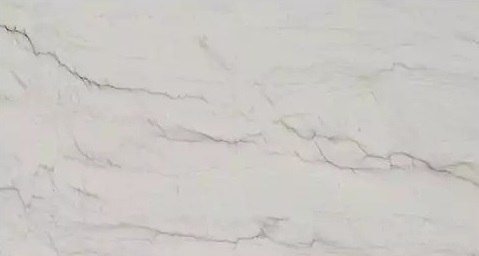
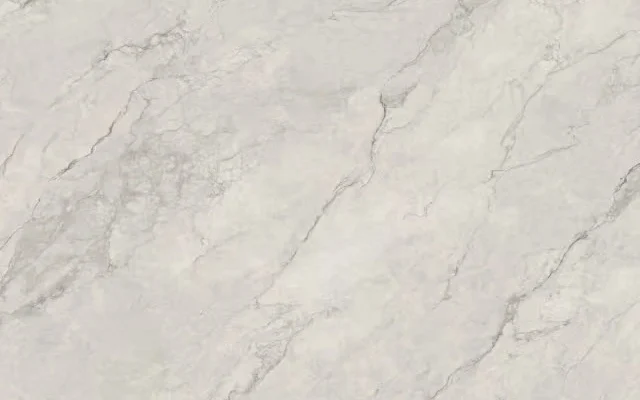



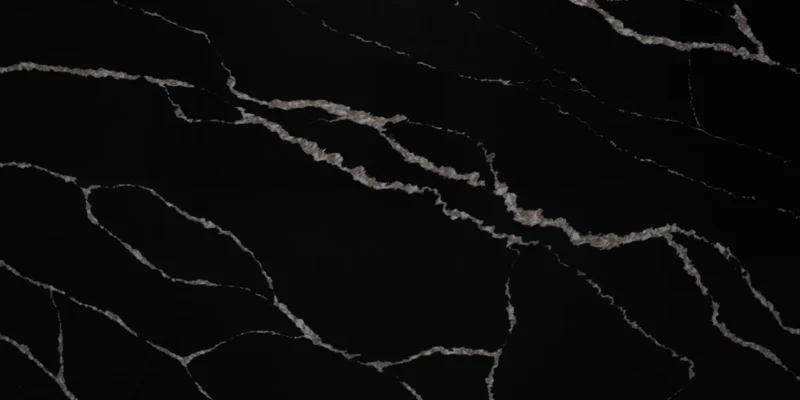

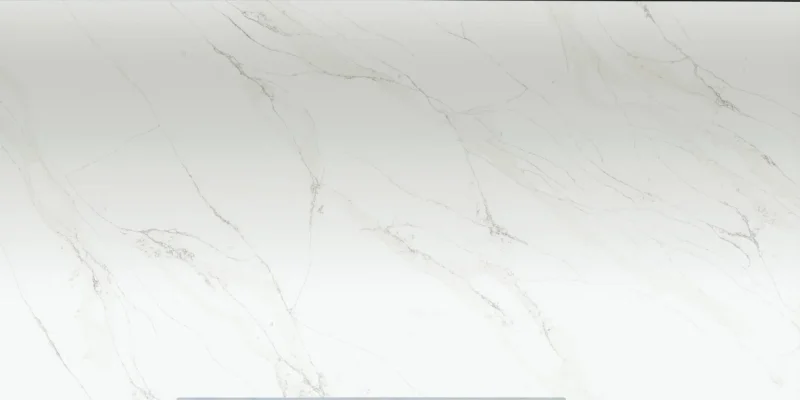


The same countertop specification should not automatically be carried from one project type to another. Builders and remodelers can narrow the material decision by defining the construction and handover conditions first.
Custom projects allow greater flexibility in material selection because individual slabs, pattern placement and detailed fabrication can be reviewed as part of the design process.
Quartz and porcelain can support controlled modern interiors, while granite, marble and quartzite provide more individual natural character. The correct choice depends on whether the design brief prioritizes repeatability, low routine maintenance or slab-specific visual impact.
Projects using repeated kitchen or vanity layouts may place greater emphasis on specification continuity, product availability and approval procedures.
Manufactured surfaces can simplify visual standardization, but repeatability should still not be assumed indefinitely. Production changes, lot variation, availability and discontinuation can affect future phases.
Before using the same specification across multiple units or stages, establish:
This reduces ambiguity without relying on unsupported promises of permanent batch consistency or guaranteed future supply.
Renovation work introduces conditions that may not exist in new construction. Existing cabinets, walls, appliances and plumbing locations can limit countertop geometry or affect which details are practical.
Before selecting a heavier, more complex or differently configured surface, confirm that the cabinetry and support conditions are appropriate for the intended design.
Professional measurement should occur when the relevant project conditions are sufficiently established. Teccorp Stone’s Countertop Survey & Measurement service covers the detailed site-measurement and templating process.
Not every surface in a project needs to use the kitchen countertop specification. Bathroom vanities, laundry areas, bars and secondary countertops may have different design, maintenance and fabrication priorities.
Using one coordinated material can simplify the visual language of a project, while intentionally specifying different materials can allocate higher-cost or higher-maintenance surfaces only where they add meaningful design value.
Builders coordinating bathroom surfaces can also review Teccorp Stone’s Vanity Countertops service.
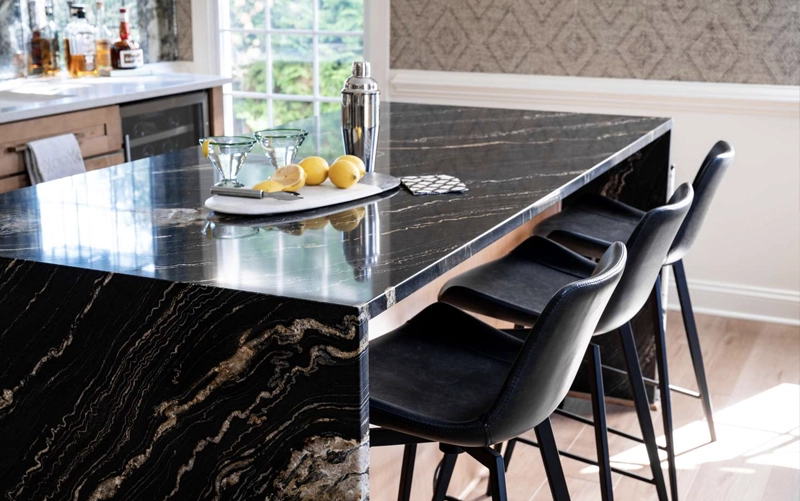
Project-Type Rule: Standardization can be valuable, but it should not replace project review. Confirm that the selected material still fits the actual cabinetry, design, end-user expectations and fabrication requirements of each project or phase.
When a countertop specification will be used across several kitchens, units or project phases, material approval should include more than a product name. Builders need to define what level of visual variation is acceptable and how substitutions will be handled if the original product or slab selection changes.
This matters differently for manufactured and natural surfaces. Quartz and porcelain generally provide more controlled patterning, but production runs, available finishes and future inventory can still change. Granite, marble and quartzite naturally introduce greater slab-to-slab variation and may require individual approval when appearance is critical.
For repeated projects, establish:
A professional specification should manage variation rather than promise that every future slab or production lot will be identical.
A countertop material should be considered together with the design that will be fabricated from it. The same surface can create very different fabrication requirements depending on slab yield, countertop geometry, openings, edges and decorative details.
Finished countertop square footage is not always the same as the amount of slab material required for a project. Sink and cooktop openings, directional patterns, defects or natural features, seam positions and the dimensions of individual pieces can affect how efficiently a slab can be allocated.
For strongly veined materials, maximizing yield may conflict with the preferred visual layout. Builders should establish whether material efficiency or specific pattern placement carries greater priority before fabrication is released.
Material selection can also affect how complex details should be fabricated. Undermount sink openings, cooktops, mitered edges, waterfall panels and other custom components introduce material-specific considerations.
A design detail should therefore be reviewed with the selected surface rather than copied automatically from another project using a different material or thickness.
Teccorp Stone’s Custom Stone Fabrication service covers project-specific slab planning, machining, edge work and fabrication before the finished pieces move to installation.
Material approval does not replace accurate site information. Existing walls, cabinet geometry, finished panels, appliance locations and approved fixture models can all influence the final fabricated dimensions.
For remodels in particular, preliminary drawings should not be treated as a substitute for final project measurement once the relevant site conditions are ready.
Builders can review Teccorp Stone’s Countertop Survey & Measurement service for the detailed measurement and templating workflow.
Specification-to-Fabrication Rule: Do not approve the material independently from the countertop geometry. Slab dimensions, pattern direction, openings, edges and site conditions should support the same approved design.
| Specification Check | Confirmed? |
|---|---|
| □ Exact material, colour and finish approved | □ |
| □ Maintenance expectations match the intended use | □ |
| □ Natural variation or production variation is understood | □ |
| □ Slab or product availability is reviewed for the required scope | □ |
| □ Edge, cutout and waterfall details suit the selected material | □ |
| □ Slab layout and pattern direction are reviewed where required | □ |
| □ Final site conditions support the proposed countertop geometry | □ |
| □ Substitution and approval responsibilities are defined | □ |
There is no universal best material. Quartz can support controlled patterns and straightforward routine care, porcelain can suit contemporary architectural applications, while granite, marble and quartzite provide natural slab character. The appropriate specification depends on the project, end-user expectations and fabrication requirements.
Quartz can be useful where controlled appearance and low routine maintenance are priorities, but it should not automatically be specified for every repeated project. Product availability, design requirements, application and future phase coordination should also be reviewed.
The material should be selected after considering cabinet condition, support, existing geometry, fixtures and the proposed countertop details. Existing cabinetry does not by itself determine whether quartz, porcelain or natural stone is the better choice.
When slab colour, veining or mineral movement matters to the finished design, reviewing the actual slab or approved slab group is preferable to relying only on a small sample.
Yes, when the material suits both applications, but it is not necessary. Different surfaces can be specified where maintenance, design or fabrication priorities differ between kitchens, bathrooms and secondary spaces.
The specification should identify who approves substitutions and what characteristics must remain comparable, such as appearance, finish, application suitability and fabrication requirements. An alternate should not be assumed equivalent based on colour alone.
The best countertop materials for builders and remodelers are the surfaces that fit the complete project requirement. Appearance matters, but so do maintenance expectations, natural or manufactured variation, fabrication details, approval procedures and the conditions in which the finished countertop will be used.
Defining those requirements early makes it easier to compare quartz, porcelain, granite, marble and quartzite on relevant project criteria rather than relying on broad material rankings.
For builder, contractor and remodeling projects across Toronto and the GTA, explore Teccorp Stone’s Countertops for Builders & Remodelers service.
Specifying Countertops for a Builder or Remodeling Project?
Share the project type, layouts, quantities, material requirements and design details for a project-specific countertop review.