Choosing the best hospitality countertop materials requires more than finding a surface that looks appropriate for a restaurant, hotel, bar, café or spa. Different hospitality zones are exposed to different combinations of guest contact, cleaning, food and beverage spills, moisture, heat, equipment and daily operational wear.
A restaurant service counter does not necessarily need the same material as a hotel reception desk, luxury bar top or spa vanity. Quartz, granite, porcelain, quartzite, marble and other commercial surfaces each offer different advantages, limitations and fabrication possibilities.
This guide compares countertop materials by actual hospitality application so designers, restaurant operators, hotel owners, developers and project teams can identify which surfaces deserve consideration before final specification.
Hospitality Material Principle: There is no single countertop material that is best for every hospitality space. Match the exact surface to the use of the area, cleaning requirements, heat and moisture exposure, fabrication details and expected guest or staff interaction.
Hospitality environments often combine public-facing design with commercial operating requirements. A countertop may need to look refined from the guest side while also supporting staff activity, equipment, cleaning and repeated daily use behind the counter.
Restaurant counters, hotel reception desks and bars may experience repeated contact throughout the day. The appropriate surface should be evaluated for the type of wear expected in that particular location, including impacts, abrasion, equipment placement and exposed edges.
Durability should not be treated as one universal rating. A material that works well for a hotel reception counter may still require additional consideration before being specified beside commercial cooking equipment or in a high-use food-preparation zone.
Hospitality countertops need cleaning routines that fit the way the venue operates. Nonporous manufactured surfaces can reduce concerns around liquid absorption, while natural stone may require more product-specific assessment of absorption, staining and sealing needs.
Cleaning recommendations should always follow the technical guidance for the exact product. Strong chemicals, abrasive products or repeated exposure to unsuitable cleaners can affect some surfaces even when the material is generally described as durable.
Restaurant countertops require additional attention when a surface forms part of a food-preparation or food-contact area. Ontario’s Food Premises regulation requires equipment used in food preparation and handling to be constructed from materials that can be readily cleaned and sanitized and are suitable for their intended purpose. Equipment and utensils that directly contact food must also meet additional requirements concerning corrosion resistance, toxicity and open cracks or seams.
For this reason, a decorative stone suitable for a hotel lobby should not automatically be treated as an approved food-contact solution. The exact application, surface system and applicable food-premises requirements should be reviewed before specification. See Ontario Regulation 493/17: Food Premises for the applicable provincial requirements.
Different hospitality areas create different exposures. Restaurant and café counters may encounter beverages, food oils and hot service items, while bar tops face repeated liquid exposure and hotel or spa vanities are more closely associated with water, cosmetics and cleaning products.
No countertop should be assumed to be heat-proof, stain-proof or moisture-proof based only on its material name. Manufacturer guidance, slab characteristics, seams, joints and fabrication details all matter.
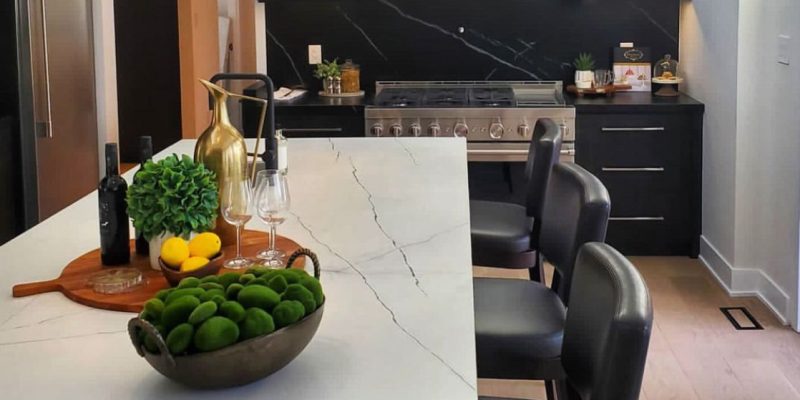
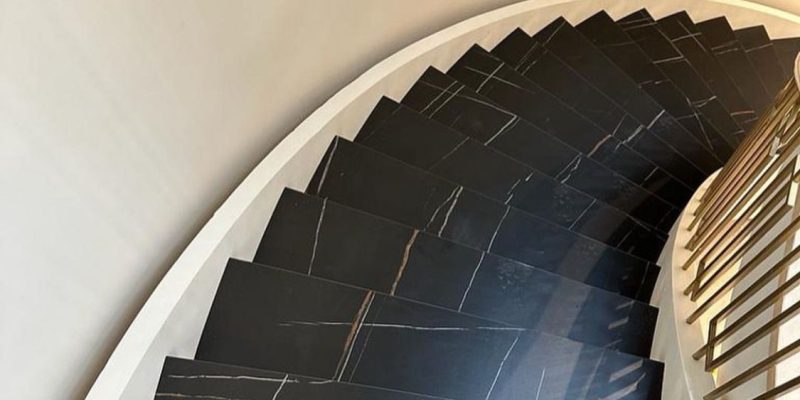
Guest-facing countertops also contribute to the visual language of a hospitality property. Hotels, restaurants and bars may use natural veining, consistent engineered patterns, thin porcelain profiles or dramatic stone slabs depending on the design concept.
Visual selection should still account for fabrication realities. Slab dimensions, pattern direction, seam positions, edge profiles and the availability of matching material can affect how a design translates from a rendering into an installed countertop.
The following comparison is a planning tool rather than a universal ranking. Final suitability depends on the exact product and the hospitality zone where it will be installed.
| Material | Hospitality Strength | Applications to Consider | Important Limitation / Check |
|---|---|---|---|
| Quartz | Nonporous manufactured surface with consistent colour and pattern options | Hotel reception, café counters, guest vanities, staff and selected restaurant areas | Heat exposure, seams and product-specific cleaner guidance |
| Granite | Durable natural stone with individual slab character | Restaurant counters, bar tops, reception and high-use architectural surfaces | Actual slab absorption, sealing needs, finish and cleaner compatibility |
| Porcelain | Low-absorption surface with contemporary slab and design options | Bars, restaurants, hotel bathrooms, spa areas and architectural counters | Edge fabrication, support, cutouts and exact product specifications |
| Quartzite | Natural slab character for premium statement surfaces | Hotel lobbies, feature bars, reception counters and luxury hospitality areas | Slab identification, absorption, fissures, finish and maintenance |
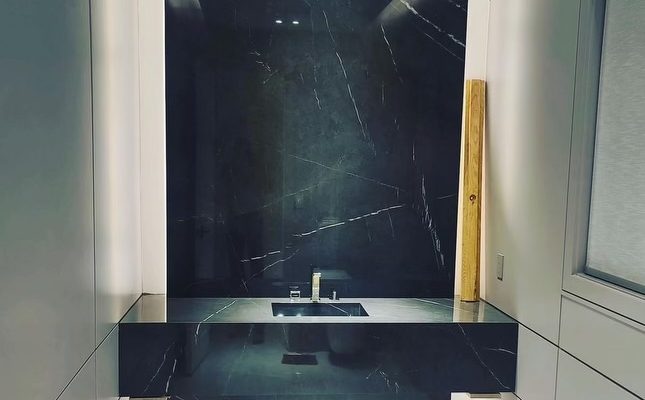
| Marble | Distinctive natural veining and strong luxury-design character | Reception, concierge, luxury bar features, spa and guest vanity areas | Etching, staining potential and application-specific maintenance |
| Solid Surface | Nonporous construction and flexible integrated fabrication with suitable products | Service counters, washrooms, cafés and selected hospitality work areas | Heat, scratching and product-specific chemical compatibility |
| Stainless Steel | Commercial work-surface option for selected food-service environments | Back-of-house preparation and technical food-service areas | Grade, fabrication, scratching and project-specific food-service requirements |
The table also highlights why restaurant countertop selection should not be reduced to a simple “best material” list. A guest-facing bar top, direct food-contact work surface and hotel reception desk serve different purposes even when they are located within the same hospitality property.
Selection Rule: First identify the hospitality zone and how the countertop will actually be used. Then compare suitable materials for that application rather than selecting one surface for the entire property.
Quartz countertops can suit a wide range of hospitality interiors where a manufactured slab surface, controlled pattern selection and relatively straightforward routine care are priorities.
Potential applications include hotel reception desks, café counters, guest-suite kitchenettes, staff areas, vanities and selected restaurant or beverage-service surfaces. Because colours and patterns are manufactured rather than determined by an individual natural slab, quartz can also be useful when a project requires visual coordination across multiple countertop locations.
Many engineered quartz products are nonporous and do not require routine sealing. That does not make quartz maintenance-free or suitable for every hospitality zone. The selected manufacturer’s instructions should be checked for cleaning products, chemical exposure and heat precautions.
Direct contact with very hot cookware or equipment can be a concern for resin-containing quartz surfaces. Manufacturer guidance commonly recommends using appropriate heat protection rather than treating quartz as heat-proof.
For restaurant applications, nonporosity alone should also not be interpreted as automatic approval for every direct food-contact installation. The complete surface, seams, fabrication and intended use should be evaluated against applicable food-premises requirements.
Granite is a natural stone that can be considered for restaurant counters, bars, hotel reception areas and other hospitality surfaces where durability and natural slab variation are desirable.
Because every slab differs, granite specification should include the actual stone rather than relying only on the general material name. Colour, mineral structure, absorption, fissures and finish can influence both appearance and maintenance.
Granite is often chosen for demanding countertop applications because many varieties provide useful hardness and wear resistance. Direct concentrated heat should still be managed carefully because localized thermal stress can affect natural stone.
Sealing also requires a more accurate approach than the common recommendation to “seal granite every year.” Some granite surfaces can benefit from an impregnating sealer while others may not require one.
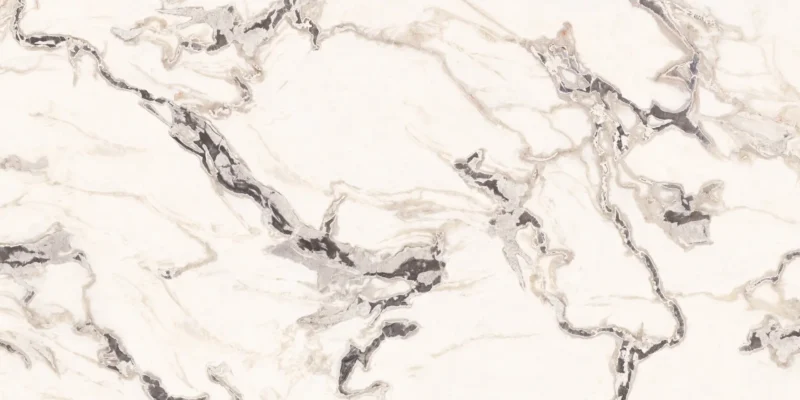
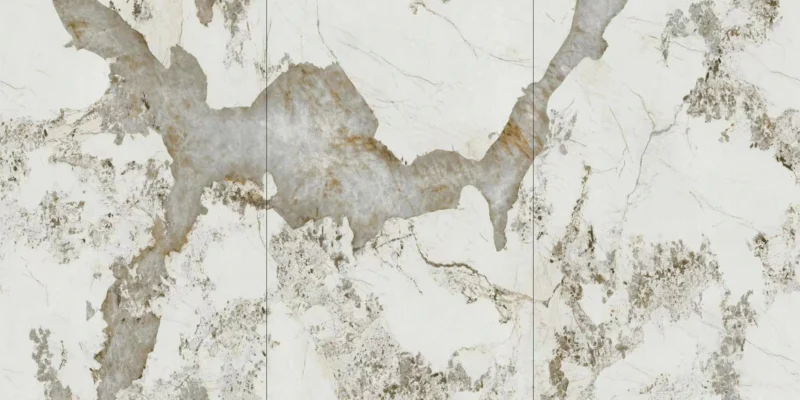
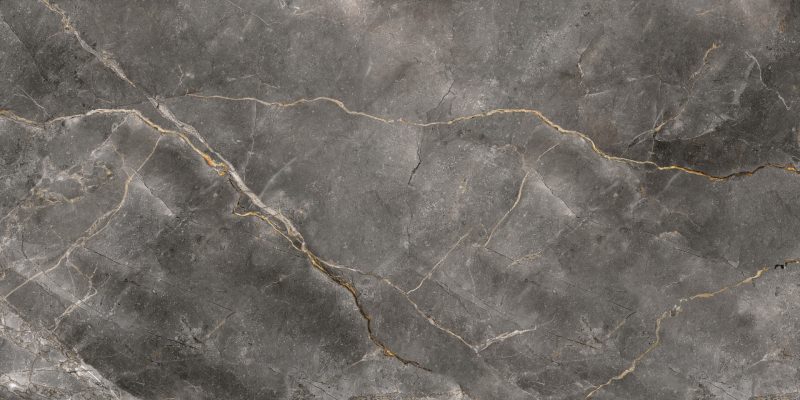

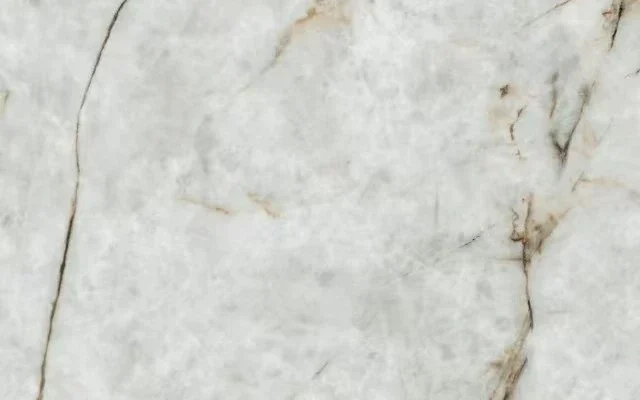
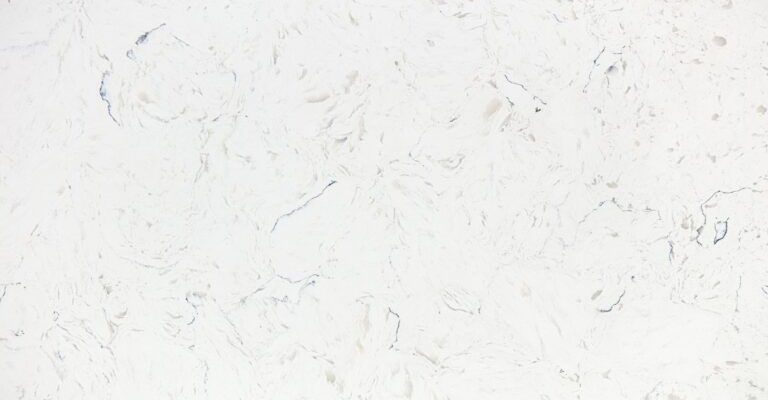
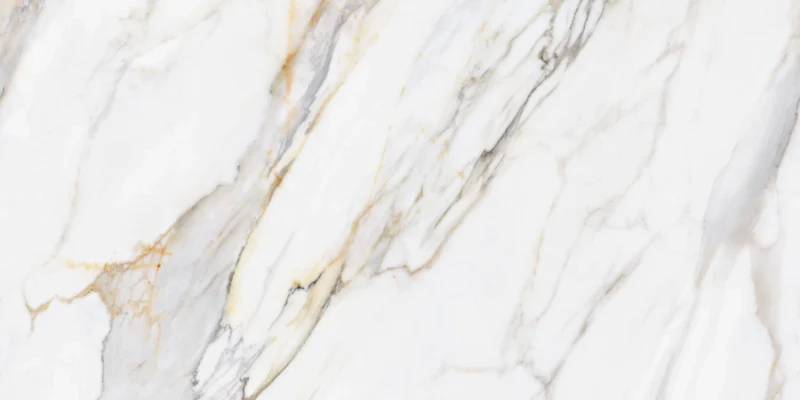
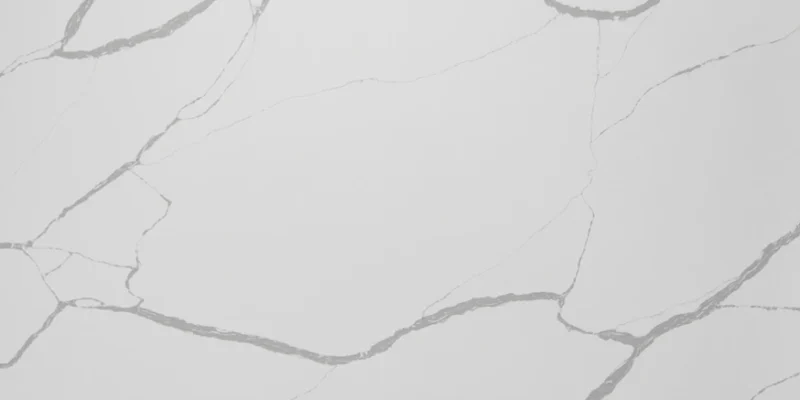
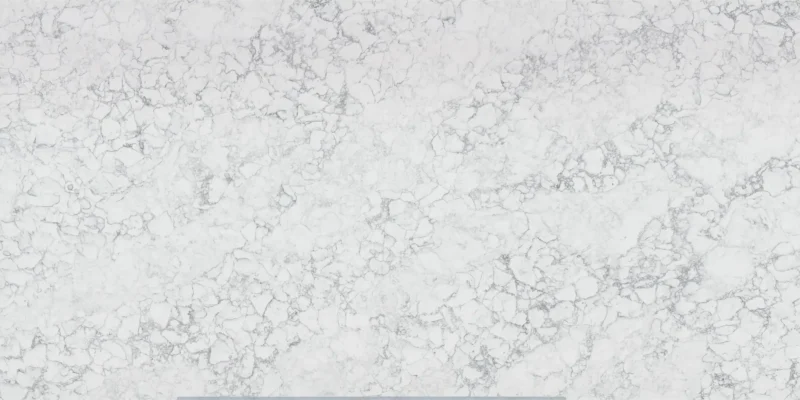


Natural Stone Rule: Do not assign one maintenance schedule to every granite, marble or quartzite surface. Evaluate the actual stone, finish, exposure and applicable care guidance.
Porcelain slabs can provide a contemporary option for hospitality counters, bars, vanities and architectural surfaces. Suitable products typically offer very low water absorption, but technical properties should be verified for the exact slab system being specified.
Porcelain can be considered for:
Its performance should not be reduced to broad claims such as “indestructible” or “stain-proof.” Edge design, support, cutouts, slab thickness, fabrication methods and installation details can be especially important with large-format porcelain products.
For restaurant environments, the exact porcelain product and finished countertop assembly should also be evaluated for the intended food-service use, cleaning products and equipment conditions.
Quartzite can be considered when a hospitality project requires the individuality of natural stone for a prominent guest-facing feature. Hotel reception desks, destination bars and other statement counters can use the movement and variation of individual slabs as part of the interior design.
Quartzite should not be confused with engineered quartz. It is natural stone, and individual slabs can vary in mineral composition, porosity, fissures and surface behaviour.
Hardness alone does not determine suitability. The actual slab should be reviewed for absorption, finish, maintenance requirements and the liquids or cleaners likely to contact the surface.
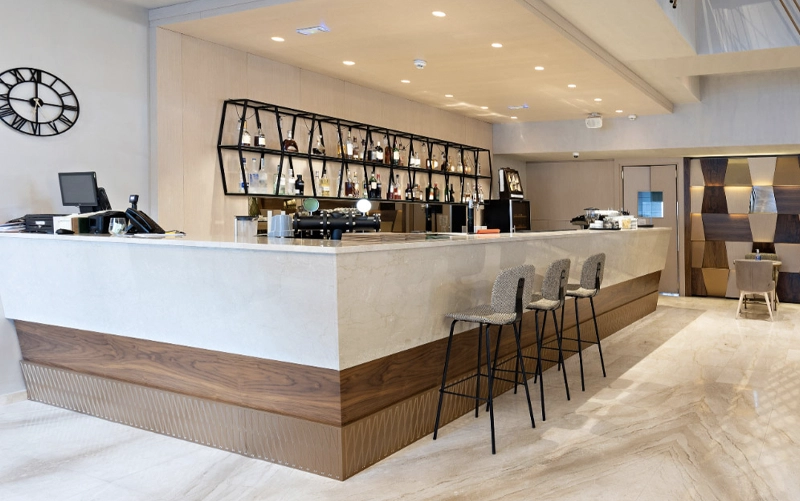
Marble remains relevant to hospitality design where natural veining and architectural character are more important than minimizing every maintenance requirement.
Potential applications include hotel reception and concierge desks, luxury guest vanities, spa reception areas and feature bar surfaces where the design team accepts the natural stone’s maintenance profile.
Marble requires realistic expectations. Because it is generally calcium-carbonate based, acidic substances such as citrus, wine and some cleaners can etch the surface. Sealing may improve resistance to liquid absorption in an appropriate stone, but it does not prevent acid etching or make marble stain-proof.
This distinction is especially important for restaurant and bar countertops. A marble feature counter can be visually appropriate while still being a poor choice for another zone exposed continuously to acidic beverages or demanding operational conditions. The surface should be selected deliberately rather than because marble is associated with luxury hospitality interiors.
Stone and engineered slabs are not the only materials relevant to hospitality projects. Solid surface and stainless steel can be useful alternatives when the operational requirements differ from those of a decorative guest-facing countertop.
Suitable solid surface products can provide nonporous construction, bonded joints that can be finished to appear inconspicuous, and integrated components such as sinks or backsplashes. These characteristics can be useful for café service areas, washrooms, selected food-service support counters and other locations where transitions and custom fabrication are important.
Its limitations must also be considered. Heat exposure, scratching, impact and chemical compatibility vary by product, so solid surface should not be described generically as heat-proof, scratch-proof or compatible with every commercial cleaner.
Stainless steel is commonly considered for back-of-house food preparation and technical service areas rather than for every guest-facing hospitality counter. The appropriate grade, construction, joints and finish depend on the intended application.
In Ontario food premises, equipment used for food preparation and handling must be constructed so it can be readily cleaned and sanitized and must be suitable for its intended purpose. Equipment and utensils that directly contact food are subject to additional requirements, including corrosion resistance, non-toxicity and freedom from open cracks or seams.
This is why a hospitality project may deliberately use different materials within one restaurant: a natural or engineered slab can form a guest-facing bar or service counter while another approved surface system serves a more specialized back-of-house function.
Specification Principle: Guest-facing design and food-service performance are related but not identical requirements. Select each countertop according to its actual function instead of expecting one material to solve every front-of-house and back-of-house need.
The best material for a hospitality countertop depends on what happens at that specific surface. A hotel reception desk, restaurant service counter, beverage bar and food-preparation area can operate under very different conditions even when they belong to the same property.
| Hospitality Application | Materials to Evaluate | Main Selection Priorities |
|---|---|---|
| Restaurant Service Counter | Quartz, granite, porcelain or another approved commercial surface | Cleaning, spills, equipment, edge exposure, seams and intended food-service use |
| Direct Food-Preparation Area | Application-specific surface that meets applicable food-premises requirements | Cleanability, sanitizing, food contact, joints, heat and commercial operating conditions |
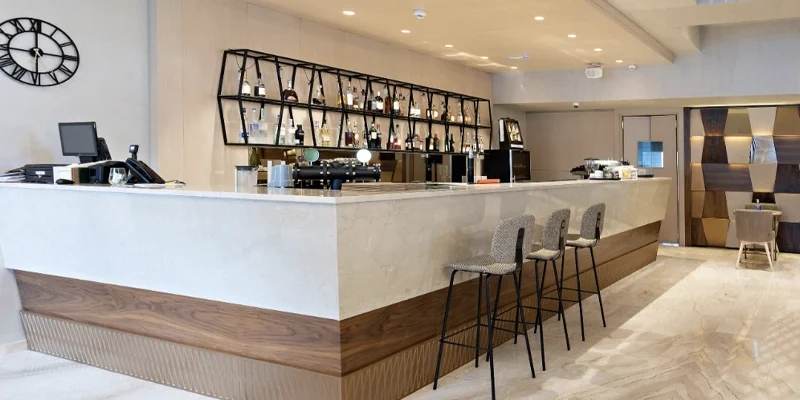
| Restaurant or Hotel Bar | Granite, quartz, porcelain, quartzite or selected marble | Beverage spills, acidic liquids, cleaning, guest contact and design intent |
| Café & Coffee Counter | Quartz, granite, porcelain or solid surface | Hot equipment, beverage spills, sink areas, cleaning and service workflow |
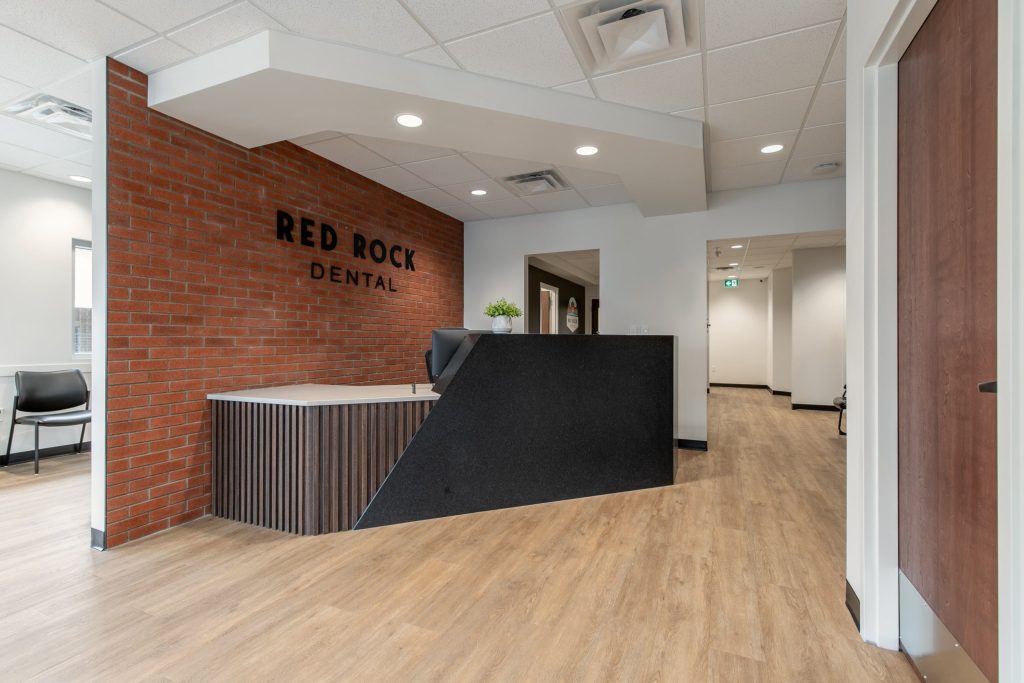
| Hotel Reception & Concierge | Quartz, granite, quartzite, marble, porcelain or solid surface | Guest-facing design, exposed edges, long counters, seams and daily contact |
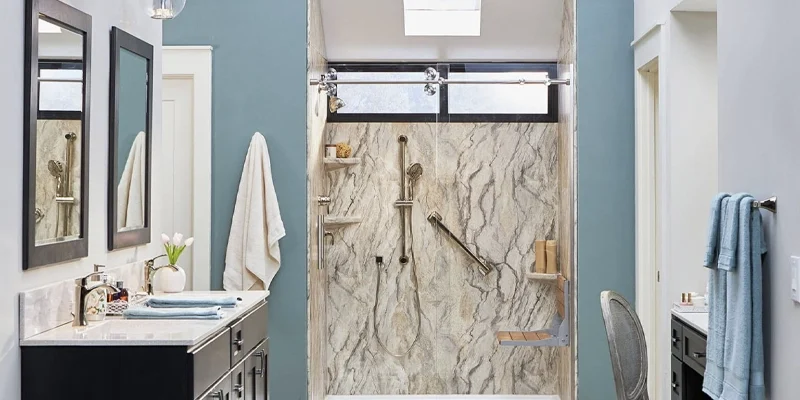
| Guest-Suite Vanity | Quartz, porcelain, granite, marble or suitable solid surface | Water exposure, cosmetics, sink details, cleaning and appearance |
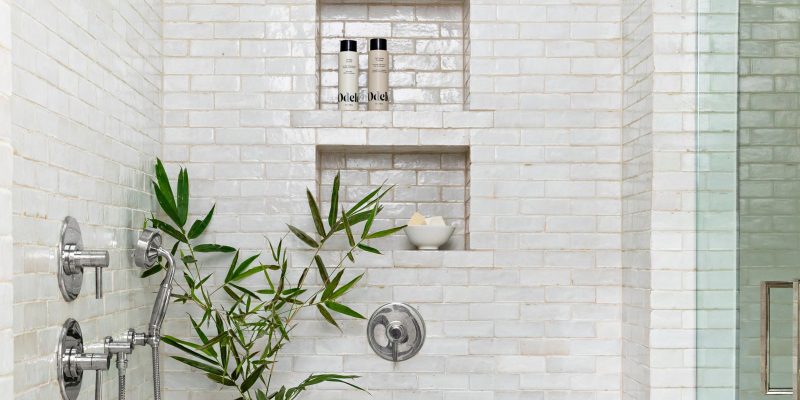
| Spa & Wellness Area | Porcelain, quartz, solid surface or selected natural stone | Moisture, cleaners, vanity or basin details and design requirements |
For restaurant countertops in particular, the intended function should be confirmed before material approval. Ontario’s Food Premises regulation sets specific requirements for equipment used in food preparation and handling, including cleanability, sanitizing and suitability for intended use, with additional requirements where surfaces come into direct contact with food.
Natural stone and manufactured surfaces can both work effectively in hospitality projects, but they offer different advantages.
Granite, marble and quartzite provide natural variation that can become an architectural feature in reception desks, bars and other guest-facing spaces. Because each slab is different, selection, layout, absorption and maintenance should be reviewed for the actual material.
Quartz, porcelain and solid surface provide different levels of manufactured consistency and fabrication flexibility. They can be useful where designers want more controlled colour or pattern selection, but their technical limitations still vary by product.
The choice should therefore be based on the project zone rather than a simple natural-versus-engineered ranking.
Maintenance should be considered before material approval, particularly in hospitality environments where surfaces may be cleaned several times throughout an operating day.
A surface that requires a level of care the venue cannot realistically provide may be a poor specification even when its appearance suits the design concept.
There is no universal best material. Quartz, granite, porcelain and other commercial surfaces can suit restaurant counters depending on whether the area is guest-facing, used for beverage service, exposed to heat or involved in food preparation.
Granite, quartz, porcelain, quartzite and selected marble can all be evaluated for bar applications. Beverage spills, acidic liquids, cleaning procedures, seams and the desired appearance should guide the choice.
Hotel reception desks can use quartz, granite, quartzite, marble, porcelain or other suitable surfaces. Because reception is primarily guest-facing, design, edge durability, seams, dimensions and daily contact may be more important than requirements associated with food preparation.
Quartz can suit many hospitality applications because it provides a nonporous manufactured surface and broad design options. Heat exposure, seams and product-specific cleaning guidance still need to be considered.
Granite can be considered for restaurant counters and bars, but the actual slab, finish, absorption, intended use and maintenance requirements should be reviewed before specification.
Not necessarily. Using different surfaces for a restaurant bar, hotel lobby, guest vanity and back-of-house work area can allow each material to be matched more closely to the function of the space.
The best hospitality countertop specification balances appearance with the realities of daily operation. Restaurant counters, bars, hotel reception desks, guest vanities and spa surfaces should each be evaluated for their actual exposure, cleaning requirements and fabrication details.
For projects in Toronto and the GTA, Teccorp Stone provides project-specific measurement, fabrication and installation through its Hospitality Countertop Services.
Planning a Restaurant, Hotel or Hospitality Countertop Project?
Share the project type, countertop locations, drawings, preferred materials and operational requirements for a project-specific review.