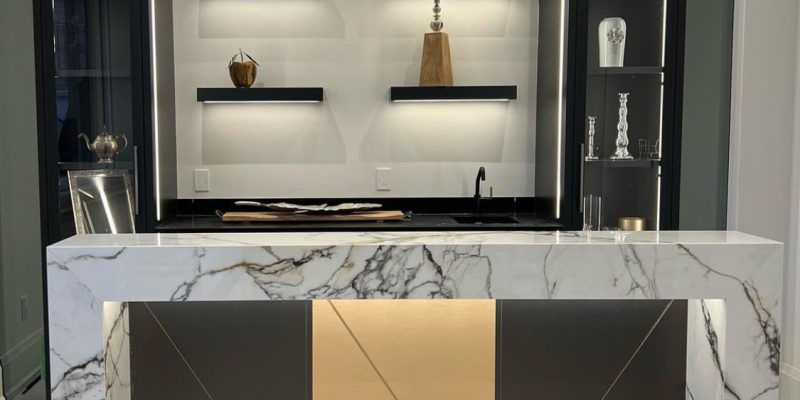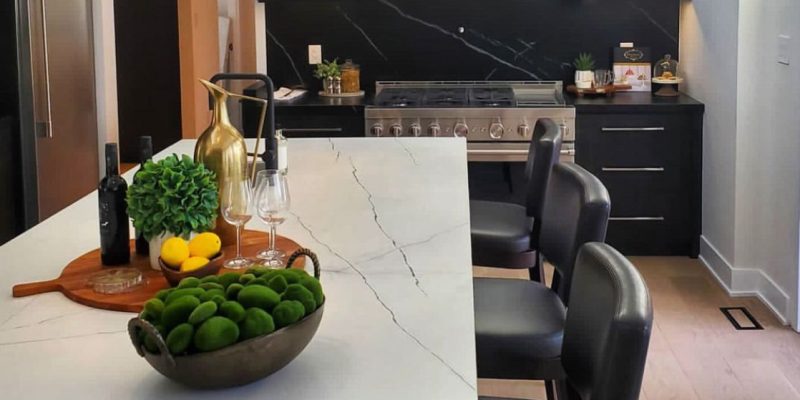
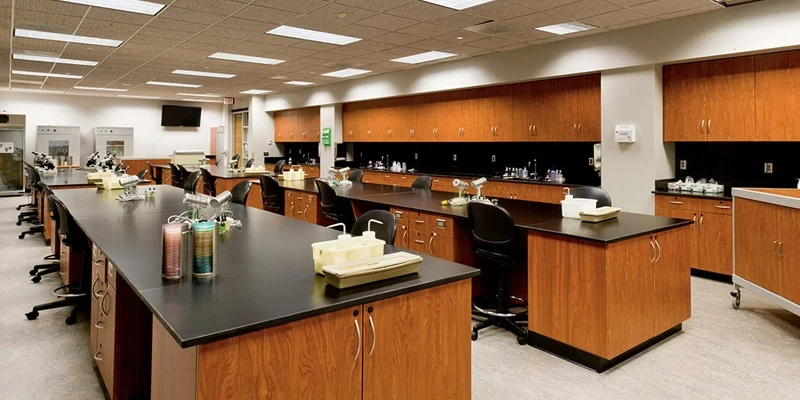
Commercial solid surface countertops in Toronto can be considered for office reception desks, staff areas, washrooms, administrative facilities and other commercial interiors where custom fabrication, cleanable surfaces and architectural flexibility are important. Unlike rigid stone or quartz slabs, compatible solid surface systems can be bonded, shaped and integrated into more continuous countertop assemblies.
That flexibility does not make solid surface the automatic choice for every office or commercial facility. Heat exposure, scratching, chemical compatibility, joint fabrication, finish and the exact product being specified still need to be reviewed for the intended application.
This guide explains what solid surface is, where it can fit within office and facility projects, how architectural solid surface fabrication differs from conventional slab countertops, and which limitations should be considered before material approval.
Solid Surface Principle: Evaluate the complete fabricated system rather than the material name alone. The exact product, joints, sinks, supports, heat exposure, cleaning requirements and repair options all affect whether solid surface is appropriate for a commercial application.
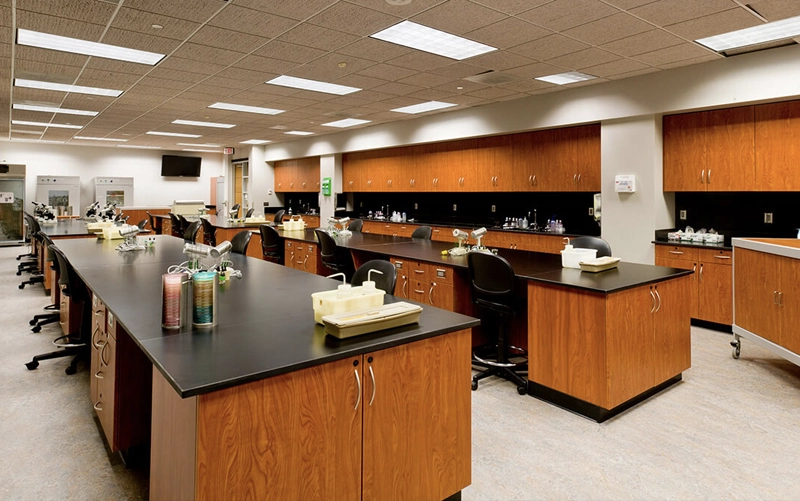
Solid surface is a manufactured surfacing category typically made from mineral fillers combined with acrylic, polyester or related resins. Exact composition varies between manufacturers and products, so technical properties should be verified for the surface being specified.
The material is supplied in sheets or formed components that can be cut, bonded and finished into countertops and other architectural elements. Compatible joint adhesives can allow separate pieces to be joined and finished so the connection appears visually inconspicuous.
Selected products can also be shaped using thermoforming techniques, allowing curves and other forms that are difficult to reproduce with rigid natural-stone or engineered-quartz slabs.
Solid surface, engineered quartz and natural stone are different material systems.
Quartz is generally fabricated from rigid manufactured slabs, while granite, marble and quartzite are natural slab materials. These surfaces use conventional slab-layout, seam and edge-fabrication methods.
Solid surface can provide a different type of fabrication flexibility, particularly where a project requires bonded joints, integrated components, curved shapes or coordinated horizontal and vertical elements.
That does not make it universally better than quartz, porcelain or natural stone. The appropriate system depends on what the commercial surface needs to do.
Corian is one well-known brand of solid surface, but the terms should not be used interchangeably. Other manufacturers produce their own solid surface systems with different compositions, colours, technical documentation, fabrication requirements and warranties.
Where a characteristic is documented for a specific Corian product or another branded surface, that claim should remain attached to that product rather than automatically being applied to every commercial solid surface.
Solid surface is particularly relevant to commercial interiors when its fabrication characteristics solve a design or operational requirement rather than simply replacing another countertop material.
Many established solid surface products are nonporous, which can simplify routine cleaning because liquids are not intended to penetrate the surface itself. This can be useful for reception counters, staff areas, washroom vanities and other frequently used commercial surfaces.
Nonporous should not be interpreted as antimicrobial, self-sanitizing or compatible with every commercial cleaner. Cleaning and chemical guidance should be checked for the exact product.
One of the main architectural advantages of solid surface is the ability to bond compatible pieces and finish the joint so it can appear visually inconspicuous.
This can be useful for long reception desks, L-shaped counters and other assemblies where multiple components are required. It is more accurate to describe these as inconspicuous bonded joints than to imply that every large commercial counter is literally manufactured without seams.
Compatible solid surface systems can support integrated sinks, coordinated backsplashes and coved transitions. These details can reduce conventional rims or abrupt material changes where the project design and selected product allow.
Integrated fabrication still requires appropriate plumbing, support, wall interfaces and manufacturer-approved fabrication methods.
Many solid surface products allow certain scratches, marks or localized damage to be sanded, refinished or repaired using product-specific procedures. This provides a maintenance option that differs from replacing an entire rigid slab component.
Repairability does not mean the material is damage-proof. The extent and method of repair depend on the product, finish and type of damage.
Selected solid surface products can be fabricated into curves and other custom shapes, allowing designers to develop reception counters, workplace features and architectural elements beyond conventional straight slab geometry.
This flexibility can also support coordinated signage, vertical surfaces, equipment openings or other project-specific details. However, complex shapes should be chosen because they serve the commercial design and function—not simply because the material can be formed.
Architectural Design Rule: Bonded joints, integrated components and thermoformed shapes are useful when they solve a real project requirement. The design should still respect the selected product’s fabrication, support, heat and maintenance limitations.
Solid surface can serve different roles across an office or general commercial facility, but its strongest applications are usually those where custom geometry, coordinated components or visually inconspicuous joints provide a practical advantage.
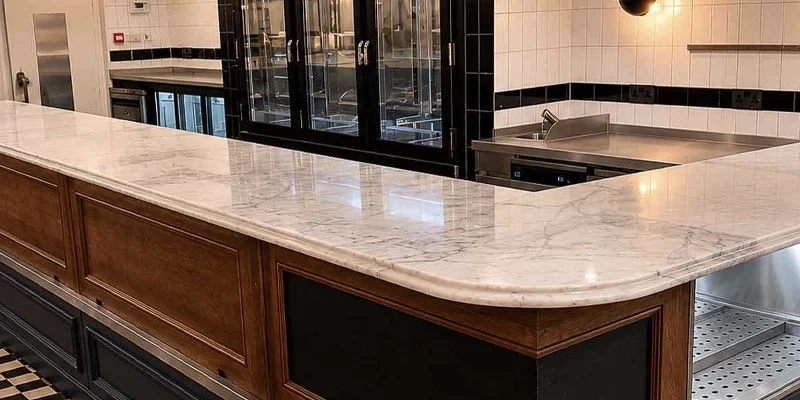
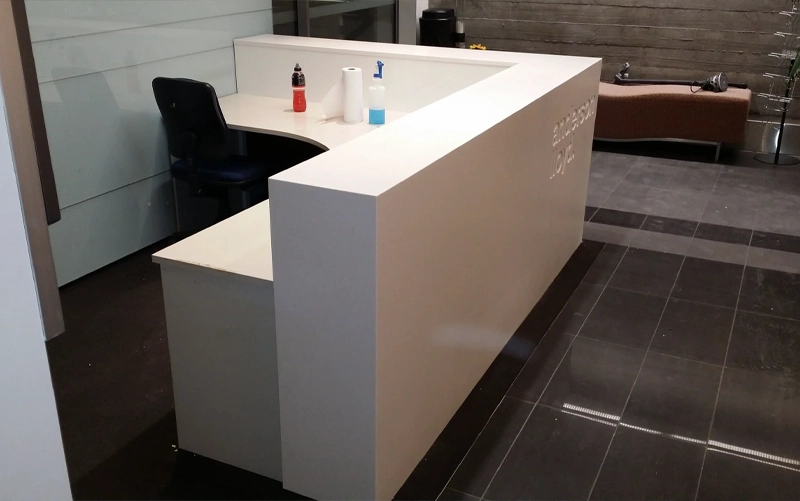
Reception desks are one of the clearest applications for architectural solid surface countertops. These counters can combine staff-side work surfaces, guest-facing elevations, transaction areas, equipment openings and curved or angled forms within one coordinated design.
Compatible solid surface sheets can be bonded across larger assemblies and, with suitable products and fabrication, the joints can be finished to appear visually inconspicuous. This can be useful where a reception desk is intended to read as one architectural element rather than a collection of separate slab pieces.
Reception-counter planning may need to coordinate:
Office kitchens, coffee points and break rooms can also use solid surface countertops where nonporous construction and integrated fabrication are desirable. Countertops may need to coordinate with sinks, faucets, cabinetry, beverage equipment and appliances.
Heat exposure deserves specific attention in these areas. Solid surface contains resin components and should not be treated as heat-proof. Coffee equipment, countertop appliances and hot cookware should be considered against the heat guidance for the exact product being specified.
Commercial washroom vanities can benefit from solid surface where the design calls for coordinated countertops, backsplashes or compatible integrated basins. Reducing conventional rims and abrupt transitions can create a simpler finished assembly where the selected product and fabrication system support those details.
Plumbing, basin support, wall interfaces and accessibility requirements still need to be coordinated independently. Integrated fabrication does not remove the need for correct construction around the countertop system.
Solid surface can also be considered for meeting-room counters, collaborative work areas, shared office surfaces and other architectural components where custom lengths, curves or openings are part of the design.
For these applications, the material should be chosen according to actual use. A decorative collaboration counter may have different exposure and maintenance requirements from a staff kitchenette or washroom vanity.
General administrative buildings, public-service offices and other non-clinical facilities may use solid surface for reception counters, service desks, vanities and shared work areas. The application should remain within the project’s actual operational requirements rather than assuming that every facility requires the same surface specification.
Specialized healthcare, laboratory, food-service or other regulated environments require their own application-specific review and should not be treated as generic office countertop applications.
Application Rule: Solid surface is most useful when its fabrication characteristics solve a real project need. Reception desks, washroom vanities and staff areas may all use the same material category for different reasons and should be specified separately.
The phrase architectural solid surface refers less to a separate material category than to the way solid surface can be incorporated into custom interior elements. Its ability to be cut, bonded, finished and, with selected products, thermoformed allows fabrication approaches that differ from conventional rigid slab countertops.
Large counters may require multiple sheets or fabricated components.

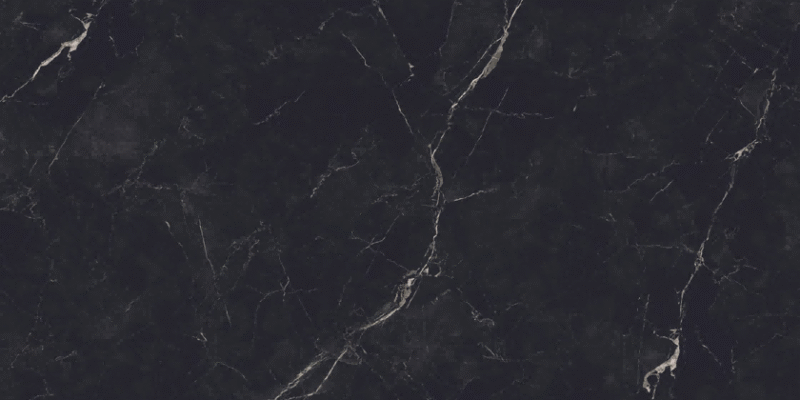
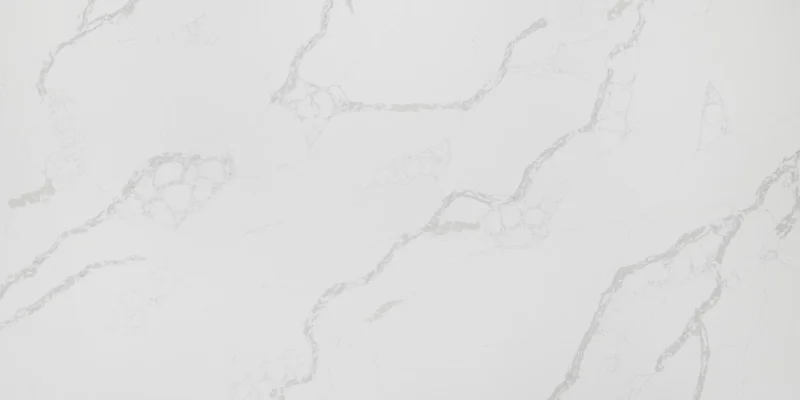
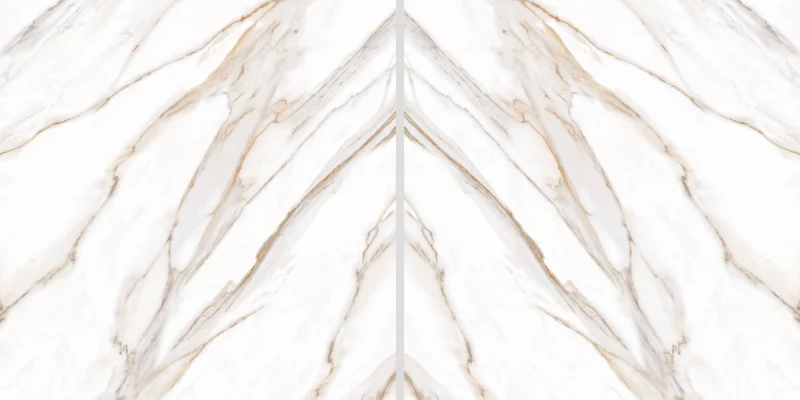
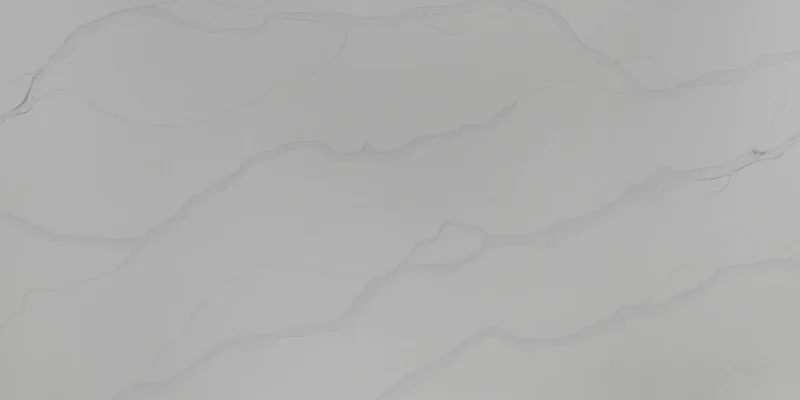


This should not be interpreted as a promise that every counter is literally joint-free. Joint quality depends on the exact product, colour, preparation, adhesive, fabrication method and workmanship.
Where compatible components are available, solid surface can allow basins and backsplashes to be coordinated with the countertop rather than treated as unrelated materials.
Coved backsplash details may also be possible with appropriate fabrication. These options can simplify visual transitions, but they should still be coordinated with wall construction, plumbing and the manufacturer’s fabrication guidance.
Selected solid surface products can be heated and formed into curved components within manufacturer-defined fabrication parameters. This capability can support rounded reception desks, curved transaction counters or other custom architectural forms.
Thermoforming is product- and design-specific. Bend radius, sheet thickness, colour, fabrication temperature and component geometry should be checked against the selected manufacturer’s technical documentation rather than assumed from the general material category.
Solid surface can extend beyond the horizontal countertop into selected vertical panels, desk fronts, end panels or coordinated architectural features. This can help create visual continuity between the work surface and the surrounding reception or service-counter design.
Vertical applications require their own support, attachment and fabrication planning. A countertop specification should not automatically be applied to vertical cladding without reviewing the intended system.
Office counters may need openings for monitors, cables, power modules, dispensers, sinks or other equipment. These details should be established before fabrication because their size and location can affect support, seams and finished edges.
For project-specific fabrication of supported countertop materials and architectural components, see Teccorp Stone’s Custom Stone Fabrication services.
Corian is one established solid surface brand with documented applications in reception counters and commercial interiors. Other manufacturers, including Wilsonart and additional solid surface producers, offer their own products with different colour collections, technical properties, adhesives, fabrication requirements and care instructions.
For commercial specification, the brand and exact product matter because characteristics can vary within the broader material category.
Before approval, review:
A performance statement published for Corian, Wilsonart or another manufacturer should therefore remain attached to that specific product system unless comparable documentation exists for the alternative being specified.
Solid surface offers useful architectural flexibility, but a credible commercial specification also needs to account for its limitations.
Solid surface should not be treated as heat-proof. Concentrated heat from appliances, hot cookware or equipment can affect some products, so heat protection and equipment clearances should follow the selected manufacturer’s guidance.
Solid surface can develop scratches and visible wear under use. Some types of surface damage may be refinished or repaired, but repairability should not be confused with scratch resistance or immunity to damage.
Colour and finish can also influence how readily everyday marks are visible, which may be relevant for dark, highly uniform or frequently touched commercial surfaces.
Exposed corners and edges can experience impacts in busy reception, service or staff areas. Edge geometry, support and the location of equipment should therefore be considered during design rather than relying on the material category alone.
Nonporous construction does not mean compatibility with every cleaner, solvent or commercial chemical. The exact cleaning products used by the facility should be checked against current manufacturer care guidance.
Many of the characteristics associated with solid surface—such as inconspicuous joints, integrated components and curved forms—depend on fabrication rather than the sheet alone. Incorrect joint preparation, unsupported geometry or unsuitable forming methods can prevent the finished installation from achieving the intended result.
Specification Principle: Do not select solid surface only from a sample colour or generic material description. Review the exact product together with the proposed joints, shapes, supports, equipment, cleaning conditions and fabrication method.
Solid surface, quartz and porcelain can all be considered for office and commercial interiors, but they solve different project requirements. The decision should begin with the application rather than a universal material ranking.
| Planning Factor | Solid Surface | Quartz | Porcelain |
|---|---|---|---|
| Custom shapes & curves | Strong option with compatible thermoformable products | Primarily rigid slab fabrication | Primarily rigid slab or panel fabrication |
| Joint appearance | Bonded joints can be visually inconspicuous | Conventional planned slab seams | Planned slab or panel joints |
| Integrated components | Compatible sinks, coves and coordinated details may be available | Typically separate countertop and fixture components | Requires product- and project-specific fabrication details |
| Repair approach | Certain surface damage can often be refinished or repaired | Depends on the type and location of damage | Depends on the damaged component and installation |
| Typical reason to evaluate | Architectural flexibility and integrated fabrication | Manufactured slab appearance and broad design selection | Low-absorption architectural slab applications |
For a reception desk with curves, integrated elements or long bonded sections, solid surface may deserve particular consideration. For other office counters, quartz, porcelain or natural stone may better fit the design and fabrication requirements.
Commercial solid surface should be maintained according to the exact manufacturer’s guidance. Product, colour, finish and the type of cleaner being used can all affect care requirements.
Routine maintenance planning should consider:
Facility teams should not assume that every disinfectant, solvent or concentrated cleaner is compatible with every solid surface. Prolonged chemical exposure can affect some products, making manufacturer-specific cleaning guidance important for commercial use.
Repairability is one advantage of many solid surface systems, but the appropriate procedure depends on the damage and finish. Minor surface marks may require a different treatment from deep cuts, heat damage or damaged joints.
Before a commercial solid surface project moves into production, the design and fabrication information should be sufficiently defined.
| Check | Item to Confirm |
|---|---|
| □ | Exact solid surface brand, product, colour, thickness and finish |
| □ | Approved countertop dimensions and site conditions |
| □ | Joint locations and bonded-component strategy |
| □ | Sink, basin, power, cable and equipment openings |
| □ | Curves or thermoformed components and applicable forming limits |
| □ | Supports, cabinetry and vertical architectural elements |
| □ | Expected heat and cleaning conditions |
| □ | Delivery, handling and installation access |
Where final site geometry affects the countertop design, Teccorp Stone’s Countertop Survey & Measurement service can document relevant installed conditions before fabrication planning is finalized.
Office and commercial projects in Toronto and the GTA can use solid surface for reception counters, staff areas, washroom vanities and other architectural work surfaces where its fabrication characteristics fit the design.
The broader service scope—including project measurement, countertop planning and installation requirements—belongs to Teccorp Stone’s Office & Facility Countertop Services.
This guide is specifically intended to help architects, designers, facility teams and commercial clients evaluate solid surface as a material and fabrication system rather than duplicate the local office countertop service page.
Yes, it can be considered for reception counters, staff areas, washroom vanities and other commercial work surfaces. Suitability depends on the exact product, intended use, heat exposure, cleaning requirements and fabrication details.
The term generally describes solid surface used as part of a custom architectural assembly, such as a reception desk, curved counter, integrated vanity or coordinated horizontal and vertical surface system.
Large installations may contain bonded joints. With compatible materials and proper fabrication, those joints can be finished to appear visually inconspicuous, which is more precise than describing every installation as completely seamless.
Many products allow certain scratches and localized surface damage to be refinished or repaired. The appropriate method depends on the product, finish and type of damage.
Selected products can be thermoformed within manufacturer-defined limits. Sheet thickness, bend radius, colour and geometry should be reviewed before the design is released for fabrication.
Not universally. Solid surface can provide advantages for integrated components, curved forms and inconspicuous bonded joints, while quartz may suit projects that prioritize a rigid manufactured slab surface. The decision should follow the application.
Useful information includes project drawings or dimensions, location, selected or preferred product, countertop applications, sink and equipment details, curves or integrated features and known installation conditions.
Commercial solid surface countertops in Toronto can provide useful architectural flexibility when bonded joints, integrated components, custom shapes or repairability are important to the project. The final specification should still be based on the exact product and the conditions in which it will be used.
Planning an Office or Facility Countertop Project?
Share the project drawings, countertop locations, preferred surface, integrated features and site requirements for a project-specific review.