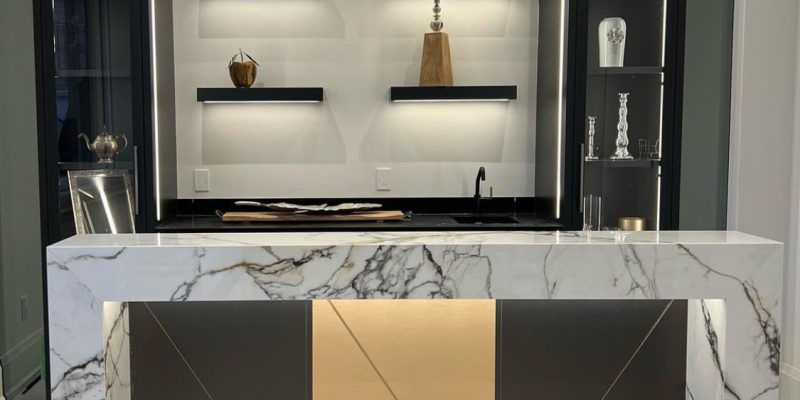
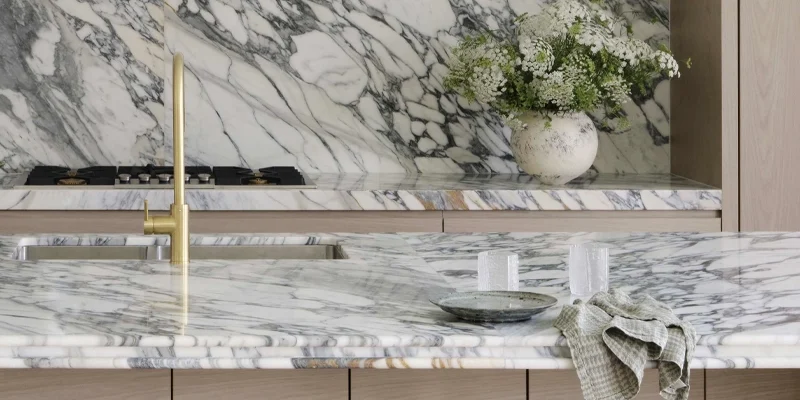
When homeowners in Toronto and across the GTA focus on kitchen renovations, most attention goes to countertop material, color, and layout. However, one design detail that significantly impacts both appearance and functionality is often overlooked: the countertop edge profile. The edge profile defines how the countertop transitions from its surface to its vertical face, influencing not only aesthetics but also safety, durability, and long-term usability.
In Ontario kitchens—whether compact Toronto condos or large open-concept homes—countertop edge profiles play a critical role in how refined, modern, or traditional a kitchen feels. The right edge profile can soften a space, enhance architectural lines, improve comfort during daily use, and even affect maintenance requirements over time.
Understanding countertop edge profiles helps homeowners make informed decisions that align with their lifestyle, kitchen style, and chosen material. From subtle eased edges to bold bullnose and contemporary bevels, each option serves a distinct purpose in kitchen design.
Countertop edges are more than a decorative detail. They directly influence how a kitchen looks, feels, and functions. In daily use, edges are the most frequently touched part of a countertop, making their shape and finish important for comfort and safety.
In modern Ontario kitchens, edge profiles contribute to visual balance. Sharp, minimal edges complement contemporary cabinetry and clean lines, while rounded profiles soften traditional or transitional designs. The edge profile also affects how light interacts with the countertop surface, subtly changing the perception of thickness and material quality.
From a functional standpoint, edge profiles influence durability. Certain profiles are more resistant to chipping, especially on natural stones like granite or marble. In high-traffic kitchens, especially family homes, choosing the right edge profile can reduce visible wear and extend the life of the countertop.
Edge profiles also impact cleaning and maintenance. Simple profiles tend to collect less dirt and are easier to wipe down, while more decorative edges may require extra attention. This is particularly relevant for homeowners prioritizing low-maintenance solutions, often explored alongside material choices such as quartz countertops or porcelain surfaces.
Across Toronto and the Greater Toronto Area, several countertop edge profiles consistently stand out due to their versatility and compatibility with modern lifestyles. These profiles balance aesthetics, safety, and fabrication practicality.
Eased edge profiles are among the most common choices in Ontario kitchens. This style features a slightly softened square edge, maintaining clean lines while reducing sharpness. Eased edges work exceptionally well in modern and minimalist kitchens, especially when paired with slab materials like quartz or porcelain.
Beveled edges introduce a subtle angled cut along the top edge of the countertop. This profile adds visual interest without appearing overly decorative. In Toronto homes, beveled edges are often used to highlight stone thickness and reflect light, giving countertops a more architectural appearance.
Bullnose edges feature a fully rounded profile, creating a soft and traditional look. This style is common in family kitchens where safety is a priority, as rounded edges reduce the risk of injury. Bullnose edges are frequently paired with natural stone countertops, including granite and marble, particularly in classic or transitional designs.
Half-bullnose edges offer a compromise between modern and traditional styles. The top edge is rounded while the bottom remains flat, providing softness without sacrificing a clean visual transition.
These popular profiles remain widely used because they are adaptable to different materials, layouts, and design preferences found throughout Ontario homes.
The choice between modern and traditional countertop edge profiles often reflects the overall design direction of the kitchen. In contemporary Toronto condos and new builds, minimalism dominates. Straight, subtle profiles like eased or micro-beveled edges align with flat-panel cabinetry, integrated appliances, and clean architectural lines.
Modern edge profiles emphasize simplicity and precision. They work particularly well with engineered surfaces and large-format slabs, reinforcing a streamlined aesthetic. These profiles also visually thin out the countertop, which is ideal for smaller kitchens where heavy edges can feel overwhelming.
Traditional kitchens, more common in older GTA homes or custom builds, often benefit from decorative edge profiles. Bullnose, ogee, or more rounded edges complement raised-panel cabinetry, detailed millwork, and classic finishes. These profiles add character and craftsmanship, contributing to a warmer, more inviting kitchen atmosphere.
Transitional kitchens—a popular style in Ontario—blend both worlds. Homeowners often choose softened edges that provide subtle detail without appearing ornate. This balanced approach ensures the kitchen remains timeless and adaptable to future design changes.
Safety is an important factor when selecting countertop edge profiles, especially in homes with children or high daily activity. Sharp edges can pose risks, particularly around kitchen islands where people move and gather frequently.
Rounded or softened edge profiles reduce the likelihood of injuries while still maintaining a refined appearance. This is why many Ontario families opt for eased, half-bullnose, or full bullnose edges in high-traffic kitchens.
Edge profiles also affect structural durability. Sharp corners are more susceptible to chipping, especially on natural stones. Rounded or beveled edges help distribute impact more evenly, reducing visible damage over time.
For kitchens that include features such as overhangs or seating areas—often seen in kitchen island countertops—edge comfort becomes even more important. The right profile ensures comfortable seating and prevents discomfort during extended use.
Not all edge profiles are suitable for every countertop material. The physical properties of each material influence which profiles are practical and long-lasting.
Quartz countertops typically pair best with clean, modern edges such as eased or beveled profiles. Because quartz is engineered, it allows for consistent edge finishing and sharp precision, making it ideal for contemporary kitchens.
Granite countertops offer more flexibility in edge selection. Their natural strength supports a wide range of profiles, from simple eased edges to more decorative bullnose styles. Granite’s durability makes it well-suited for detailed edge work without compromising longevity.
Marble countertops require more thoughtful edge selection due to their softer nature. Rounded edges help minimize chipping and wear, making bullnose or softened profiles a safer choice for long-term performance.
Porcelain countertops are typically fabricated with minimal, modern edges due to their thin profile and structural characteristics.
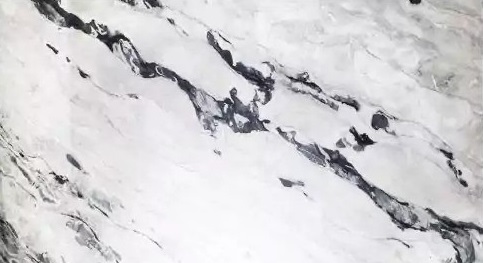
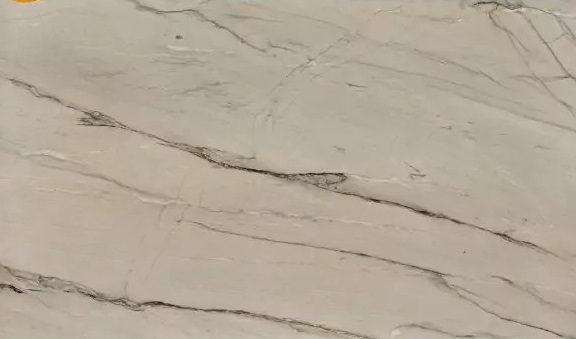








Choosing an edge profile that aligns with the material ensures visual harmony, structural integrity, and ease of maintenance. Professional fabrication plays a key role in achieving precise, durable edge finishes that stand up to daily use.
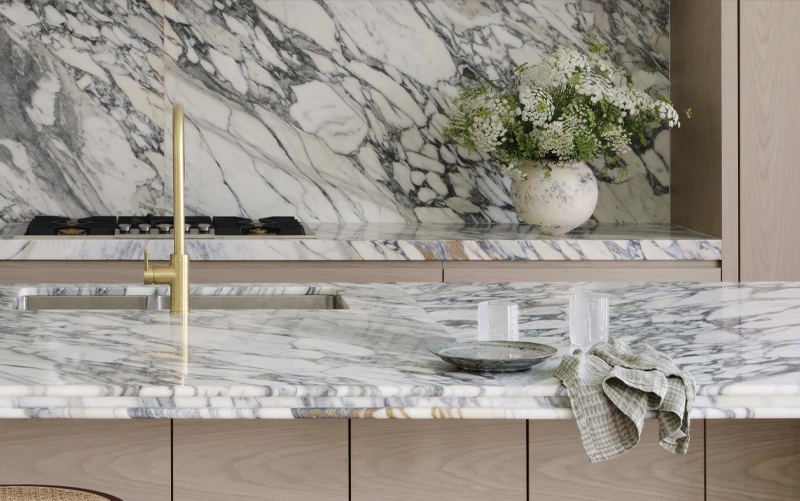
One of the less obvious but highly influential aspects of countertop edge profiles is how they affect the perceived thickness of the slab. In many Ontario kitchens—especially Toronto condos where space and proportion matter—the edge profile can make a countertop feel lighter, heavier, more luxurious, or more minimal without changing the actual slab thickness.
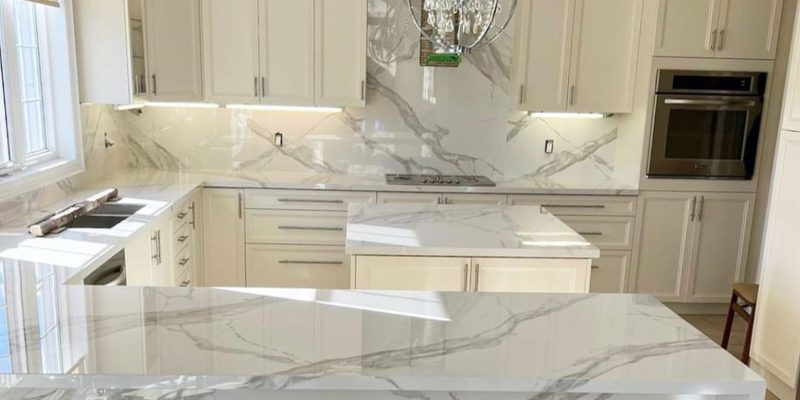
Straight and eased edges tend to visually slim down countertops. This makes them ideal for modern kitchens, compact layouts, and open-concept designs where visual clutter needs to be minimized. A 2cm quartz slab with a clean eased edge can appear sleek and architectural, blending seamlessly with modern cabinetry and integrated appliances.
In contrast, profiles such as bullnose or multi-step edges emphasize thickness. These styles make countertops appear more substantial and are often used intentionally in traditional kitchens or luxury homes where visual weight and craftsmanship are desired. In larger GTA homes, thicker-looking edges can anchor the kitchen design and add a sense of permanence.
For homeowners who want the appearance of a thick slab without the structural cost, laminated edges or mitered waterfall designs are often used. These techniques are commonly applied to islands and focal areas, especially in conjunction with custom stone fabrication, allowing for dramatic visual impact without unnecessary material waste.
Kitchen islands are the most interacted-with surfaces in modern Ontario homes. They function as prep areas, dining spaces, workstations, and social hubs. Because of this, edge profile selection for islands deserves special attention.
Comfort is a major consideration. Sharp edges can feel uncomfortable when seated, especially in homes where islands are used daily for meals or remote work. Softened profiles such as eased, half-bullnose, or subtle bevels provide a more ergonomic experience without sacrificing modern aesthetics.
Safety is another key factor. In family homes across the GTA, islands are often located in high-traffic zones. Rounded or softened edges reduce the risk of injury, particularly for children moving around the kitchen.
From a design standpoint, islands often allow for bolder edge choices than perimeter countertops. Homeowners may opt for a thicker-looking profile, a waterfall edge, or a mitered detail on the island while keeping perimeter surfaces minimal. This layered approach adds visual interest and hierarchy to the kitchen design.
Edge profiles also influence how island overhangs are supported. Thicker or laminated edges may require additional structural reinforcement, especially when paired with seating. This makes professional planning and measurement—such as through a countertop survey & measurement—essential before fabrication begins.
Maintenance is often overlooked when selecting edge profiles, but it plays a meaningful role in long-term satisfaction. In busy Ontario households, countertops are wiped down multiple times per day, making ease of cleaning a practical priority.
Simpler edge profiles are generally easier to maintain. Straight, eased, and beveled edges offer fewer crevices where crumbs, moisture, and grease can accumulate. This makes them especially suitable for kitchens that prioritize hygiene and low maintenance.
More decorative profiles, while visually appealing, can trap dirt along curves or grooves. In kitchens with frequent cooking or heavy use, these edges may require more detailed cleaning to maintain their appearance.
Material choice also affects maintenance in relation to edge profiles. For example, quartz surfaces with clean edges are extremely easy to maintain, which is why many homeowners combine minimal profiles with quartz countertops in family kitchens. Natural stones, while durable, benefit from rounded edges that protect vulnerable corners from chipping and staining.
Durability is a major concern in Ontario kitchens due to seasonal changes, heavy daily use, and long-term property ownership. The edge profile directly affects how well a countertop withstands impact, wear, and aging.
Sharp corners are the most vulnerable points on any countertop. Over time, even minor impacts from cookware or daily activity can cause chips, especially on natural stone surfaces. Rounded or beveled edges distribute impact more evenly, reducing visible damage.
In high-traffic kitchens—such as those in family homes, rental properties, or multi-unit residences—choosing a durable edge profile can significantly reduce repair and replacement costs. This consideration is especially important when countertops are part of broader investments like kitchen countertop installations intended to last for decades.
Durability also affects resale value. Countertops that show minimal wear along edges retain their visual appeal longer, contributing positively to buyer perception in competitive Ontario real estate markets.
One of the most common mistakes homeowners make is selecting an edge profile based solely on appearance without considering lifestyle and usage. A visually striking profile may not be practical for a busy household or compact kitchen.
Another frequent issue is mismatching the edge profile with the countertop material. Certain profiles that work well on granite may not be suitable for porcelain or marble, leading to structural or aesthetic issues over time.
Ignoring the kitchen layout is also a common oversight. Edge profiles that look elegant on a straight run may feel awkward on corners, islands, or tight walkways. In smaller Toronto condos, overly thick or decorative edges can visually overwhelm the space.
Finally, some homeowners underestimate the importance of professional fabrication. Poorly executed edges can detract from even the highest-quality stone. Precision cutting, polishing, and finishing are essential for both durability and visual refinement.
The best countertop edge profile is one that aligns with your kitchen’s design, daily use, material choice, and long-term goals. In Ontario homes, where kitchens often serve as multifunctional spaces, edge profiles must balance aesthetics with practicality.
Modern kitchens typically benefit from clean, minimal edges that enhance visual flow and simplify maintenance. Traditional and transitional kitchens often embrace softer or more detailed profiles that add warmth and craftsmanship.
When selected thoughtfully and fabricated professionally, the right edge profile elevates the entire kitchen—enhancing comfort, durability, and visual cohesion. It transforms the countertop from a simple surface into a refined architectural element that supports both daily living and long-term value.