
One of the most common questions homeowners ask when exploring modern countertop materials is simple but important: do porcelain countertops stain? With kitchens becoming more active, multifunctional spaces, surfaces are expected to handle daily cooking, spills, heat, and cleaning without losing their appearance. Porcelain countertops have grown rapidly in popularity because they promise exactly that—strength, durability, and extremely low maintenance.
Porcelain is a manufactured stone surface created under intense heat and pressure. This production process results in a dense, compact slab that performs differently from many natural stone countertops. While materials like marble and granite offer beauty, they often require sealing and careful maintenance. Porcelain, on the other hand, is engineered to resist many of the issues homeowners worry about most, including staining, scratching, fading, and moisture absorption.
Because of these properties, porcelain countertops are now widely used in modern kitchens, bathroom vanities, office reception areas, and even outdoor spaces. For homeowners considering long-term performance and easy care, understanding how porcelain reacts to stains and everyday use is essential before making a final decision.
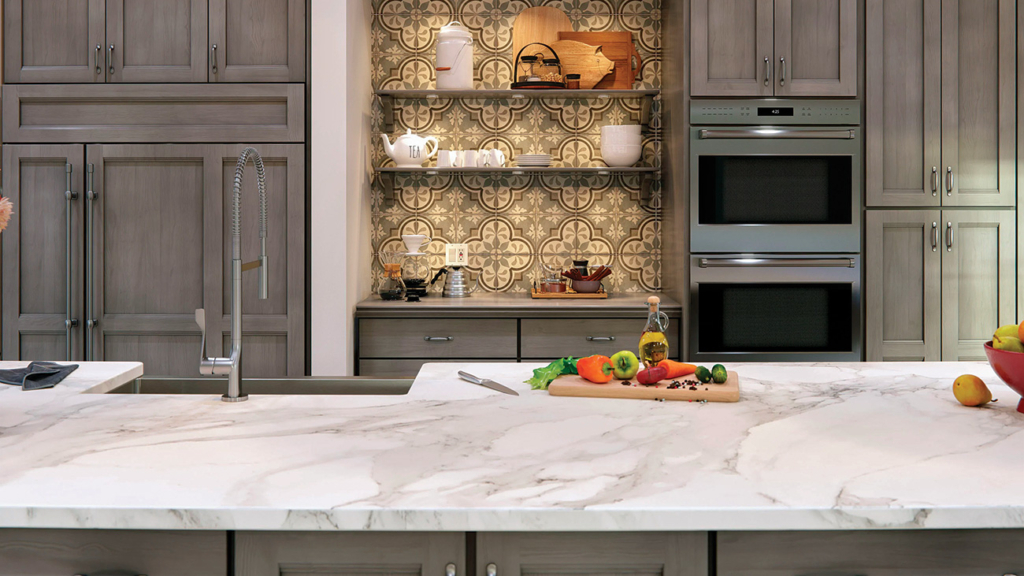
The main reason porcelain countertops resist staining is their extremely low porosity. Porosity refers to how much liquid a surface can absorb. Natural stones such as marble, limestone, and some granites contain microscopic pores that can absorb liquids like wine, oil, coffee, or acidic foods. Once absorbed, these substances can leave permanent discoloration if not cleaned quickly.
Porcelain slabs are different. Their water absorption rate is typically around 0.1%, making them nearly non-porous. Liquids, bacteria, and oils remain on the surface rather than soaking in. This means spills can be wiped away before they have any chance to stain the material. For busy households or frequent cooks, this feature alone makes porcelain an appealing choice.
Because porcelain does not absorb liquids, it also does not require sealing. Unlike granite or quartzite, there is no ongoing maintenance schedule or resealing process needed to keep porcelain protected.
In real-world use, porcelain countertops are highly resistant to common kitchen stains. Ingredients such as turmeric, red wine, berries, tomato sauce, and oils typically wipe off without leaving residue. Even in high-use kitchens, porcelain maintains its original appearance with basic daily cleaning.
That said, no surface is completely immune to misuse. Allowing highly pigmented substances to dry for extended periods or using abrasive tools improperly can leave marks on any countertop material. However, compared to most natural stones, porcelain offers one of the highest levels of stain resistance available today.
This makes porcelain particularly well suited for modern kitchen countertop installations, where practicality and longevity are just as important as visual appeal.
One of porcelain’s strongest advantages is how easy it is to clean. Because the surface is non-porous and chemically stable, most household cleaners are safe to use.



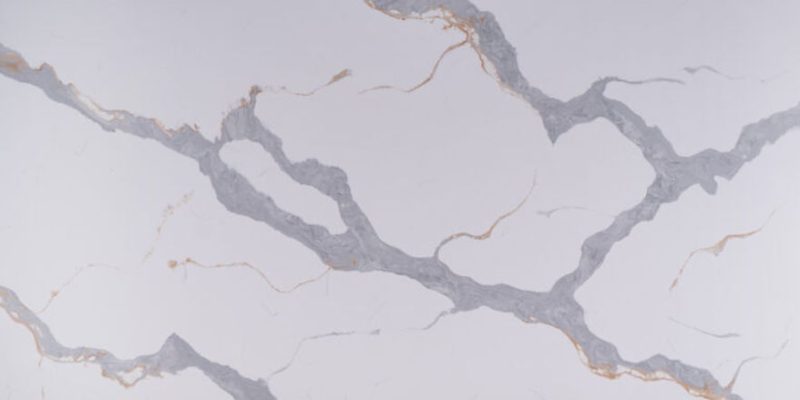
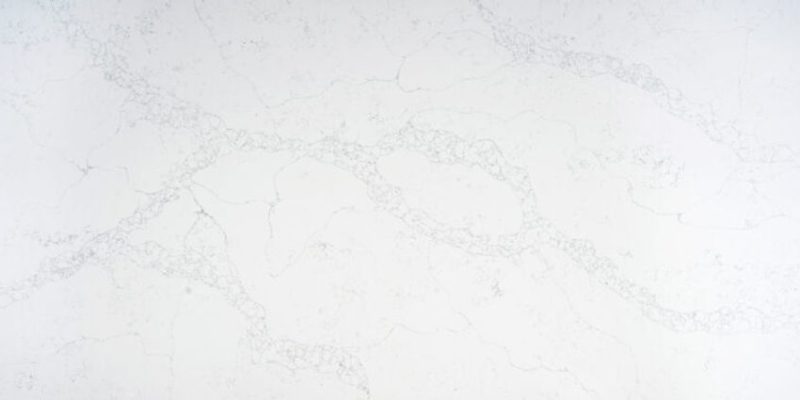


Unlike polished natural stone, porcelain does not etch when exposed to acidic substances such as lemon juice or vinegar. It also resists UV rays, meaning it will not fade or discolor when exposed to sunlight. This makes porcelain suitable for both indoor kitchens and outdoor countertop applications.
Routine cleaning does not require specialty products, and there is no need for sealing, polishing, or protective treatments over time.
Although staining is rare, homeowners occasionally worry about stubborn marks. In most cases, what appears to be a stain on porcelain is actually residue sitting on the surface rather than absorbed into it.
For tougher spots, gentle methods are recommended. Baking soda mixed with water into a soft paste can help lift residue. Hydrogen peroxide may also be used carefully for organic stains. Always use a soft cloth or non-abrasive sponge and avoid aggressive scrubbing tools that could damage the finish.
If a mark does not disappear immediately, patience is important. Regular cleaning often resolves surface discoloration over time without the need for harsh chemicals.
For professionally fabricated and installed surfaces, choosing high-quality slabs from trusted suppliers of porcelain countertops also plays a major role in long-term performance.
When comparing porcelain to natural stones such as marble, granite, or quartzite, stain resistance is one of the most significant differences. Marble is highly porous and prone to staining and etching without regular sealing. Granite varies in porosity and often requires ongoing maintenance. Quartzite, while strong, still benefits from sealing to prevent absorption.
Porcelain eliminates these concerns entirely. Its resistance to moisture, bacteria, heat, frost, and UV exposure makes it one of the most versatile countertop materials available today. This is why porcelain is increasingly used in kitchens, bathrooms, commercial spaces, and outdoor environments.
Porcelain is generally easier to maintain than quartzite. While quartzite offers a natural stone appearance with excellent durability, it still requires sealing to maintain stain resistance. Porcelain, by contrast, remains stable and protected without any ongoing treatments.
For homeowners who want a surface that looks refined but demands minimal attention, porcelain provides a strong balance of performance and aesthetics. Its ability to mimic marble, concrete, or stone textures while outperforming many natural materials makes it especially appealing.
Porcelain countertops perform exceptionally well in kitchens, bathroom vanities, outdoor bars, and high-traffic areas. Their resistance to temperature changes, moisture, and UV exposure makes them suitable for environments where other materials may struggle.
From modern residential kitchens to commercial installations, porcelain offers a clean, hygienic surface that maintains its appearance over time. For homeowners prioritizing durability, stain resistance, and ease of care, porcelain remains one of the most reliable countertop choices available.
So, do porcelain countertops stain? In practical terms, they are among the most stain-resistant surfaces you can choose. Their non-porous structure, chemical stability, and resistance to heat and moisture make them ideal for everyday living.
When fabricated and installed correctly, porcelain countertops offer long-term performance with minimal maintenance. For homeowners seeking a modern surface that combines durability, hygiene, and visual versatility, porcelain stands out as a smart and future-proof option.