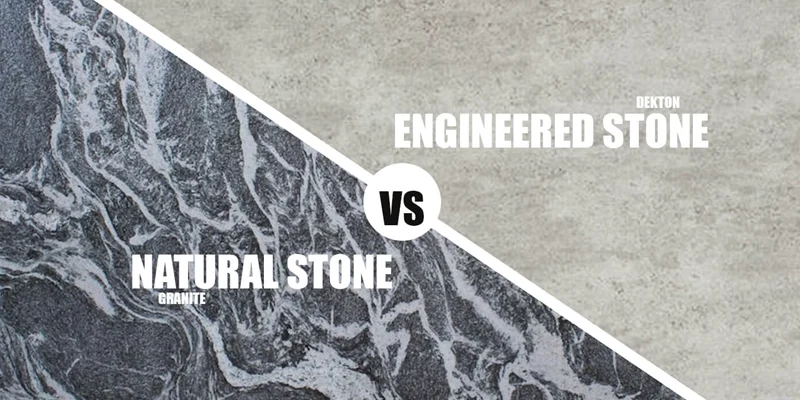
Choosing the right countertop material is one of the most important decisions in any kitchen renovation. Across Toronto and the Greater Toronto Area, homeowners are often faced with a key question: should you choose engineered stone or natural stone? While both options offer durability and visual appeal, they differ significantly in composition, performance, maintenance, and long-term value.
This guide breaks down the real differences between engineered stone and natural stone countertops, helping GTA homeowners make informed decisions based on lifestyle, budget, and long-term expectations — not marketing buzzwords.
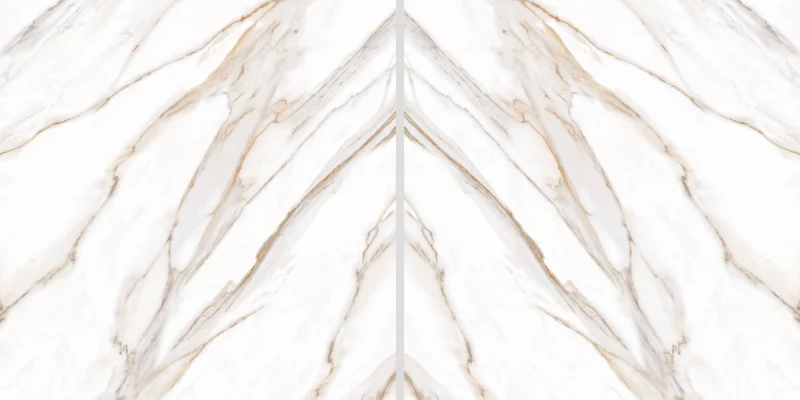
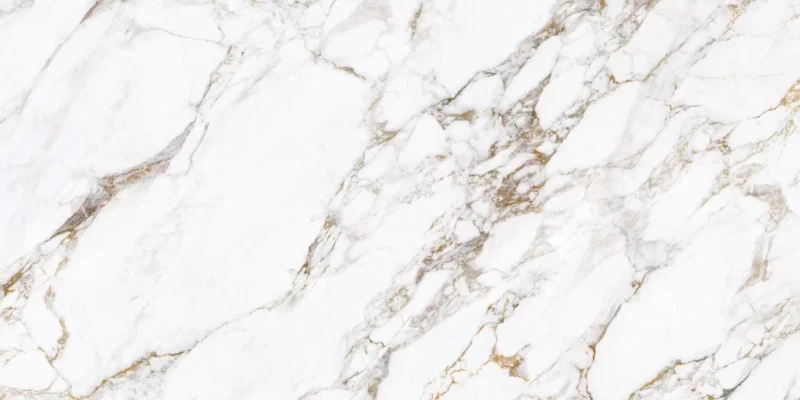
Engineered stone refers to man-made surfaces created by combining natural stone particles with resins and pigments. The most common engineered stone used in GTA homes is quartz, which typically contains around 90–95% crushed quartz combined with binding resins.
Because engineered stone is manufactured in controlled environments, it offers consistent color, uniform patterns, and predictable performance. This makes it a popular choice for modern kitchens, condos, and large-scale renovations across Toronto and surrounding cities.
Homeowners exploring engineered surfaces often start with quartz countertops, which dominate the GTA market due to their low maintenance and design flexibility.
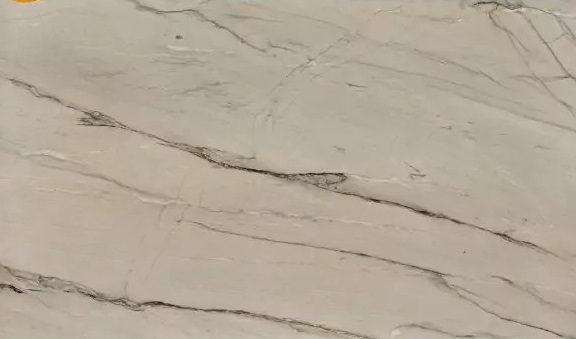
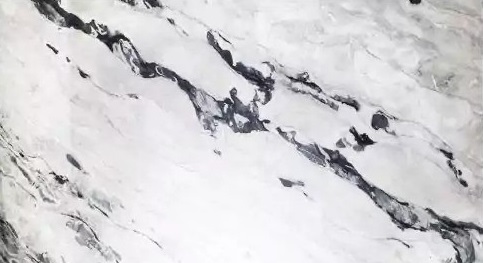
Natural stone countertops are quarried directly from the earth and cut into slabs. Each slab is formed through geological processes that take millions of years, resulting in unique veining, mineral movement, and color variation.
Common natural stone options used in GTA homes include:
Because no two slabs are identical, natural stone is often chosen by homeowners seeking a one-of-a-kind surface that adds character and authenticity to their kitchen or bathroom.
Toronto and the GTA present unique considerations when selecting countertop materials. High home values, competitive resale markets, frequent cooking habits, and open-concept layouts mean countertops must perform well both functionally and visually.
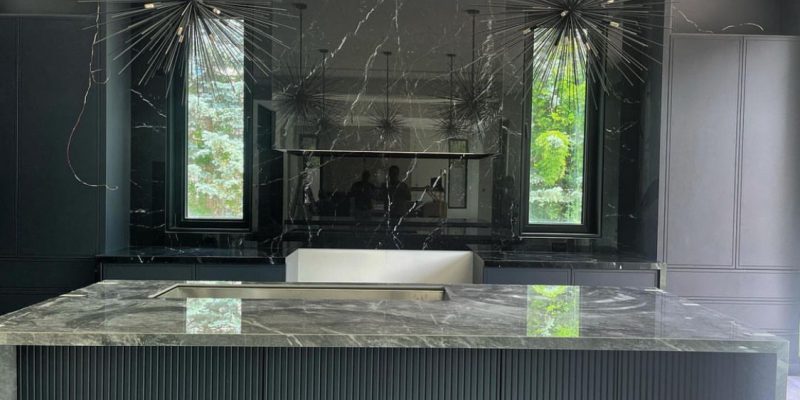
In many GTA renovations, countertops are not just work surfaces — they are focal points. Kitchen islands, waterfall edges, and slab backsplashes place material choice at the center of the home’s design and resale appeal.
This is why many homeowners compare engineered stone and natural stone as part of a full kitchen countertop upgrade, ensuring the material aligns with long-term use and property value.
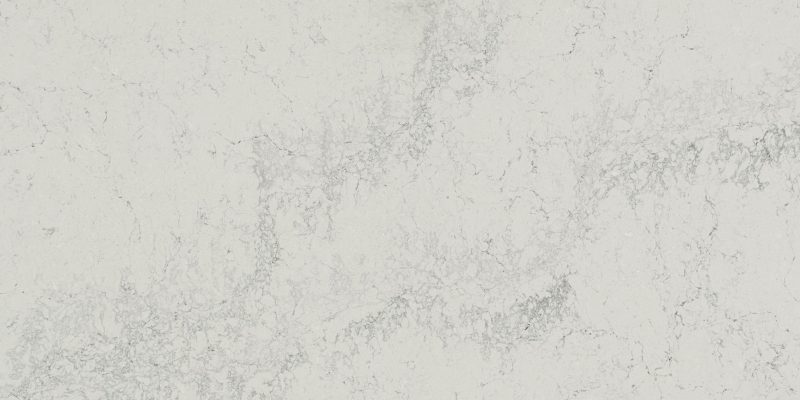
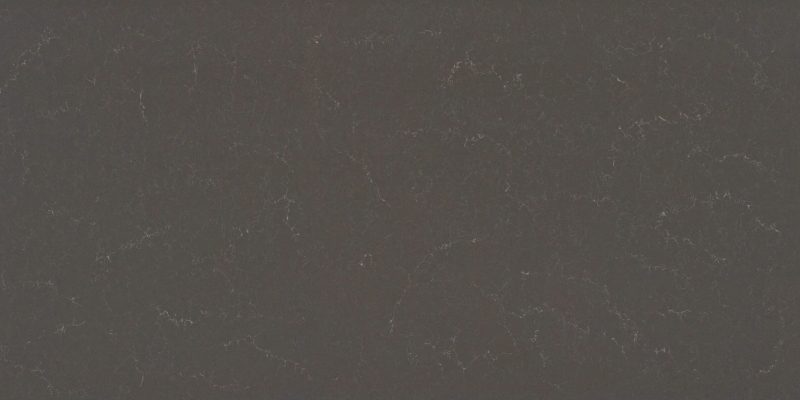
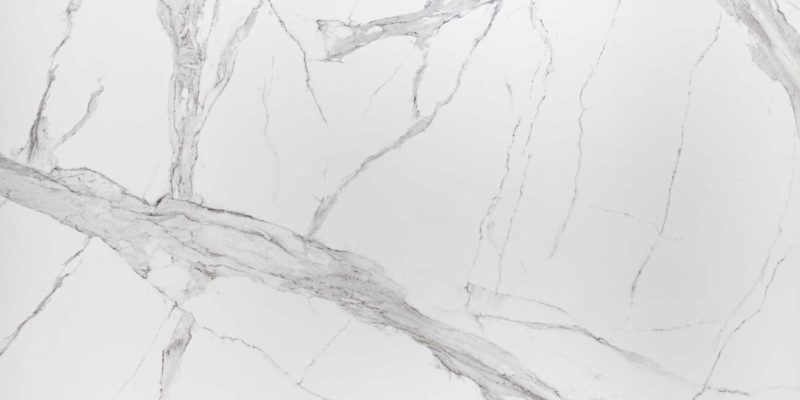
One of the first differences GTA homeowners notice is appearance. Engineered stone delivers uniformity — consistent colors, predictable patterns, and repeatable slabs. This works well for minimalist kitchens, modern condos, and large installations where symmetry matters.
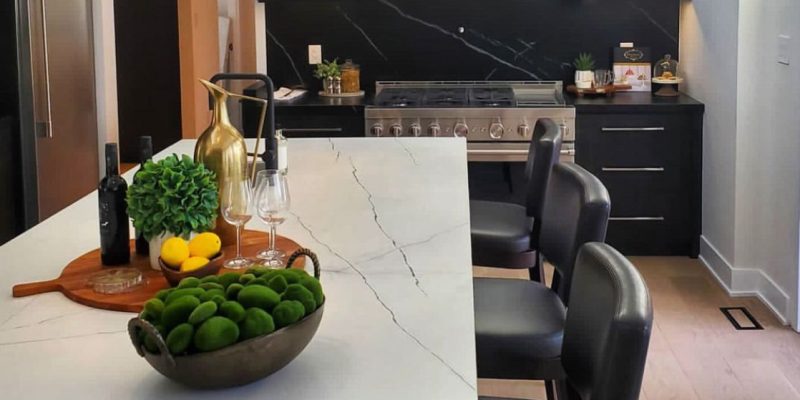
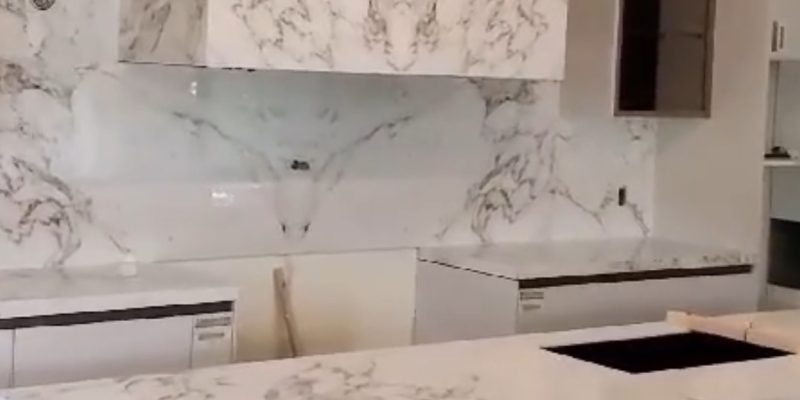
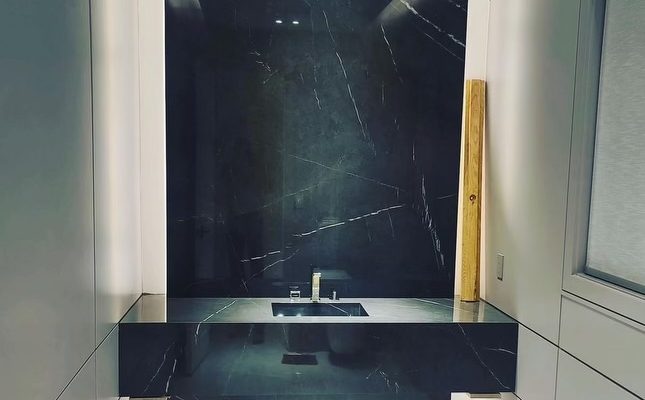
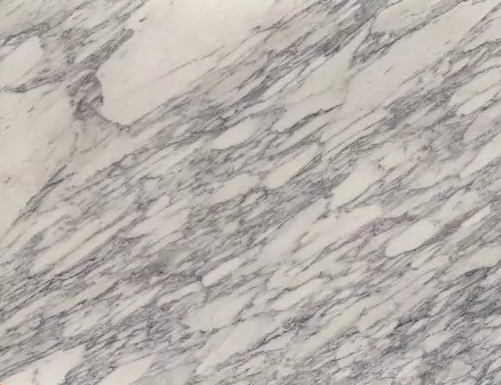
Natural stone, on the other hand, offers organic variation. Veining flows differently across each slab, and mineral deposits create depth that cannot be replicated exactly. This natural movement is highly desirable in luxury kitchens and custom homes throughout the GTA.
Choosing between the two often comes down to whether you value visual consistency or natural individuality.
While both engineered and natural stone can perform well, their strengths differ depending on use. Engineered stone excels in stain resistance and ease of maintenance, while natural stone often leads in heat resistance and long-term durability when properly maintained.
Understanding these differences is critical before committing to a material — especially for high-traffic kitchens, large islands, and homes with frequent cooking or entertaining.
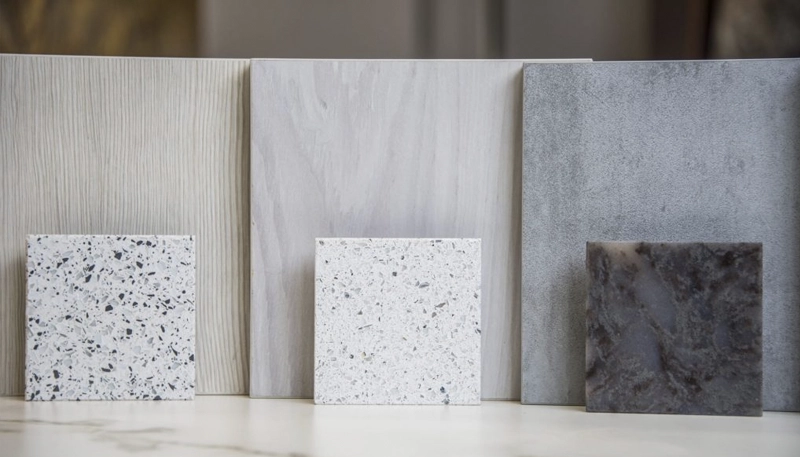
For homeowners across Toronto and the GTA, countertop performance is just as important as appearance. Kitchens are high-use environments where surfaces must withstand heat, impact, moisture, and constant daily activity. Understanding how engineered stone and natural stone perform under real-life conditions is essential before making a long-term investment.
Durability is one of the main reasons GTA homeowners compare engineered stone with natural stone. While both options are strong, they perform differently depending on usage patterns.
Engineered stone (quartz) is highly resistant to scratches and surface wear thanks to its uniform composition and resin binders. This makes it a reliable option for busy family kitchens, condo units, and rental properties where consistent performance matters.
Natural stone durability varies by material. Granite and quartzite rank very high on the Mohs hardness scale, making them exceptionally resistant to scratches and impact. Marble is softer and more prone to etching, while soapstone is softer still but develops a natural patina over time.
For homeowners seeking maximum hardness and long-term wear resistance, materials like granite and quartzite often outperform engineered alternatives.
Heat resistance is one of the most important performance differences between engineered and natural stone, especially in GTA homes where cooking is frequent.
Engineered quartz countertops contain resins that can be damaged by direct heat. Placing hot pots or pans directly on quartz surfaces can cause discoloration or thermal shock, which is why trivets are strongly recommended.
Natural stone countertops, particularly granite and quartzite, are formed under extreme heat and pressure. As a result, they tolerate high temperatures far better than engineered materials. This makes natural stone a preferred choice for homeowners with gas ranges, professional-style cooktops, or heavy cooking habits.
For performance-driven kitchen upgrades, many homeowners select natural stone as part of a complete kitchen countertop installation focused on long-term durability.
Engineered stone is non-porous by design, meaning it does not require sealing and resists stains from liquids such as wine, coffee, and oils. This low-maintenance feature is a major advantage for busy households.
Natural stone is porous to varying degrees. Granite and quartzite are relatively dense but still require periodic sealing to maintain stain resistance. Marble is more porous and sensitive to acidic substances, while soapstone is naturally non-porous but softer.
In real GTA homes, proper sealing allows natural stone countertops to perform extremely well, but maintenance expectations should be clearly understood before choosing a material.
Engineered stone offers consistent internal structure, which helps prevent internal fissures. However, its resin content can make edges more vulnerable to chipping under heavy impact.
Natural stone slabs vary by quarry and mineral composition, but high-quality granite and quartzite are exceptionally strong and resistant to structural damage. This makes them ideal for:
For island installations, professional fabrication and layout planning are critical. Our Kitchen Island Countertops service ensures proper slab selection and structural support for both engineered and natural stone materials.
In Toronto and surrounding areas, many homes feature open kitchens that serve as gathering spaces, work areas, and entertainment hubs. Countertops must perform well under constant use while maintaining visual appeal.
Engineered stone suits homeowners who want predictable performance and minimal maintenance. Natural stone appeals to those who value authenticity, heat resistance, and long-term material character — even if it requires occasional sealing.
Understanding how each material behaves in daily use is essential before committing to a countertop that will define your kitchen for decades.
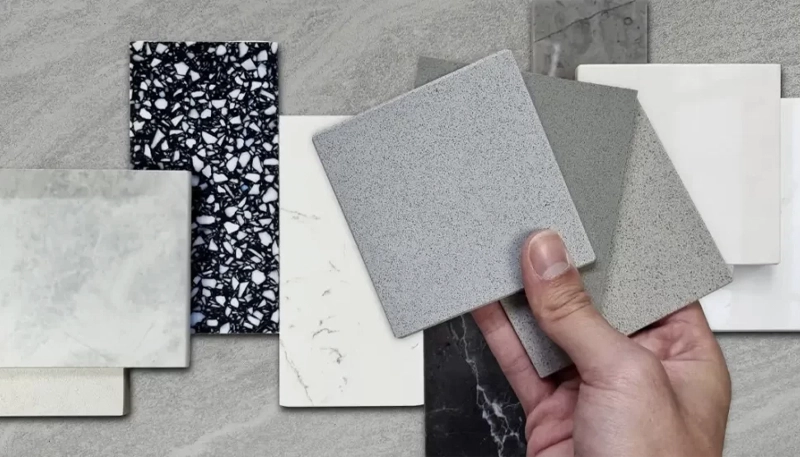
For GTA homeowners, choosing between engineered stone and natural stone is not only about upfront appearance and performance, but also about how the surface will age, how much care it requires, and what ownership looks like over the next 10 to 20 years. Maintenance expectations play a major role in long-term satisfaction.
Engineered stone countertops, commonly referred to as quartz, are widely known for their low-maintenance appeal. Because they are non-porous, they do not require sealing and are highly resistant to staining from common household spills.
Daily care typically involves wiping the surface with mild soap and water or a pH-neutral cleaner.

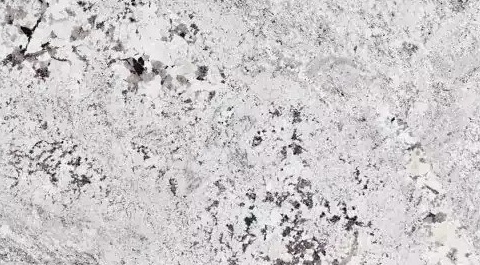




However, engineered stone does have limitations. Prolonged exposure to heat can damage resins, and harsh chemical cleaners may dull the surface over time. While easy to maintain, quartz requires mindful daily use to preserve its appearance.
Natural stone maintenance varies depending on the material. Granite and quartzite require periodic sealing, usually every 12 to 18 months in GTA homes, to maintain stain resistance. Marble requires more frequent attention due to its porosity and sensitivity to acids.
Soapstone is an exception among natural stones. It does not require sealing but is often oiled to deepen its color and develop a rich patina. This aging process is considered a benefit by homeowners who appreciate character and natural evolution.
With proper care, natural stone surfaces age gracefully and often improve in appearance over time. Many homeowners prefer this organic aging over the static look of engineered materials.
Engineered stone is designed to maintain a consistent appearance throughout its lifespan. While this predictability is appealing, it also means that quartz does not develop character over time. Once damaged, discoloration or resin burns are difficult to repair invisibly.
Natural stone, on the other hand, evolves with use. Granite and quartzite maintain structural integrity for decades, while subtle wear can enhance depth and authenticity. Marble develops soft etching and patina that many homeowners view as part of its luxury appeal.
In long-term ownership scenarios, natural stone often tells a story — a quality highly valued in custom homes and high-end renovations throughout the GTA.
One important difference between engineered and natural stone is repairability. Minor chips, scratches, and surface wear in natural stone can often be repaired or refinished by professional stone technicians.
Engineered stone repairs are more limited. While small chips can sometimes be filled, heat damage and discoloration are often permanent and may require slab replacement rather than repair.
For homeowners planning to stay in their home long-term, the ability to refinish and restore natural stone surfaces can be a significant advantage.
Engineered stone typically has lower maintenance costs over time due to the lack of sealing requirements. This makes it appealing for homeowners focused on predictable upkeep expenses.
Natural stone may involve periodic sealing and occasional professional maintenance, but its longevity often offsets these costs. High-quality granite and quartzite installations frequently last decades without needing replacement.
For GTA homeowners considering resale value, natural stone is often perceived as a premium upgrade, especially when paired with professional installation services such as Countertop Survey & Measurement to ensure optimal slab layout and finish quality.
Homeowners who prefer minimal upkeep and consistent appearance often gravitate toward engineered stone. Those who appreciate natural materials, authenticity, and surfaces that age with character tend to prefer natural stone.
Understanding how each material behaves over time is essential to making a confident, long-term decision that aligns with your lifestyle, design preferences, and maintenance expectations.
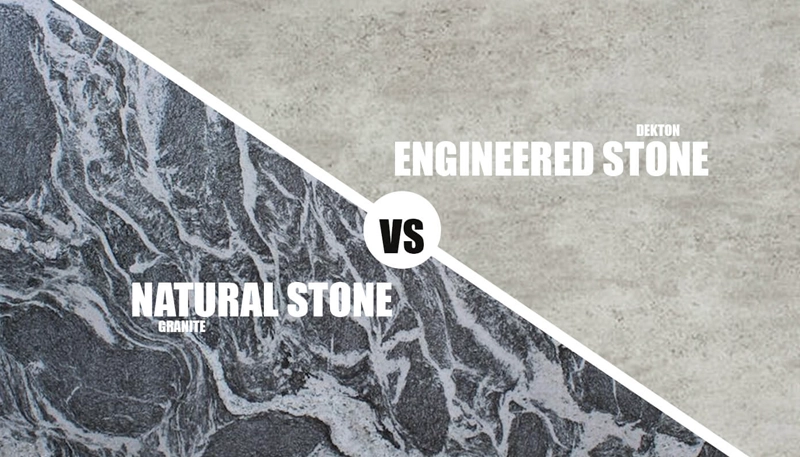
For homeowners across Toronto and the Greater Toronto Area, the final decision between engineered stone and natural stone often comes down to a combination of cost, long-term value, lifestyle needs, and resale impact. Understanding these factors holistically ensures the countertop choice aligns with both immediate goals and future plans.
Engineered stone countertops generally fall into a predictable mid-to-high price range. Installation costs are stable, and pricing is less affected by slab variation. This makes quartz an appealing option for homeowners who want budget clarity during renovations.
Natural stone pricing varies more widely. Granite offers a broad range of entry-level to premium options, while quartzite and marble typically sit at the higher end of the spectrum. Slab rarity, thickness, and veining patterns can significantly influence cost.
Although natural stone may require a higher upfront investment, it often delivers superior longevity, especially when installed professionally as part of a full kitchen countertop installation.
In competitive GTA real estate markets, countertop material can influence buyer perception. Engineered stone is widely accepted and valued for its clean, modern appearance and low maintenance, particularly in condos and urban homes.
Natural stone, however, is often viewed as a premium upgrade. Granite and quartzite countertops are associated with craftsmanship, durability, and long-term quality. In single-family homes, custom builds, and luxury renovations, natural stone can enhance resale appeal and perceived value.
Buyers in Toronto, Vaughan, Oakville, and Richmond Hill often respond positively to authentic stone surfaces, especially when slab selection and fabrication have been executed with precision.
Matching the material to the home type ensures better satisfaction and prevents costly replacements down the line.
Engineered stone offers consistency in color and pattern, making it ideal for modern, minimal designs. Natural stone excels in customization, allowing homeowners to select unique slabs with movement and character that cannot be replicated.
For projects involving large islands, waterfall edges, or full-height backsplashes, natural stone often delivers superior visual impact. These applications benefit from professional planning and services like Countertop Survey & Measurement to ensure optimal slab usage.
There is no universal “best” countertop material — only the best choice for your specific needs. Engineered stone is ideal for homeowners who prioritize low maintenance, consistency, and predictable costs. Natural stone is best suited for those who value authenticity, durability, and long-term investment.
If you want a countertop that remains visually unchanged for years with minimal effort, engineered stone is a smart choice. If you prefer a surface that ages with character, withstands heat naturally, and adds premium value to your home, natural stone is the superior option.
For homeowners still deciding, exploring available materials in person is essential. Viewing slabs side by side allows you to compare texture, depth, and performance before committing to a final selection.
You can explore both options through our curated stone collections or request a professional consultation to determine which surface best aligns with your home, lifestyle, and long-term goals.