Stone is probably the most durable material that can be used in staircase construction, and it will certainly last much longer than a traditional wooden staircase.
We recommend you wait until after your stair is installed to install your flooring. You can install your flooring before the stair, but the flooring may need to be cut back. If it’s prefinished, you risk damage of the finish.
According to the IRC, the minimum height for a shower curb is 2 inches from the top of the drain. Specifically, the building code states: The curb shall be not less than 2 inches (51 mm) and not more than 9 inches (229 mm) deep when measured from the top of the curb to the top of the drain.
Remember that water will travel in the path of least resistance. Shower jambs should to be slanted inward at a 5-degree 1/4″ pitch or slope so water flows toward the drain.
The shower jamb of a code-compliant bathing unit is also measured vertically on the outside of the shower from the top of the final flooring material to the top of the shower jamb of the pan with a traditional shower jamb, or the top of the first vertical shower jamb level (before angles) of the pan with a beveled shower jamb.
Converting a bathtub to a shower costs between $3,600 and $9,000 on average. Prices depend on the amount of plumbing required to complete the conversion and the complexity of the project.
A shower base can take up to eight hours to complete if you need new plumbing. This is around $400 to $950 on average, not including materials.
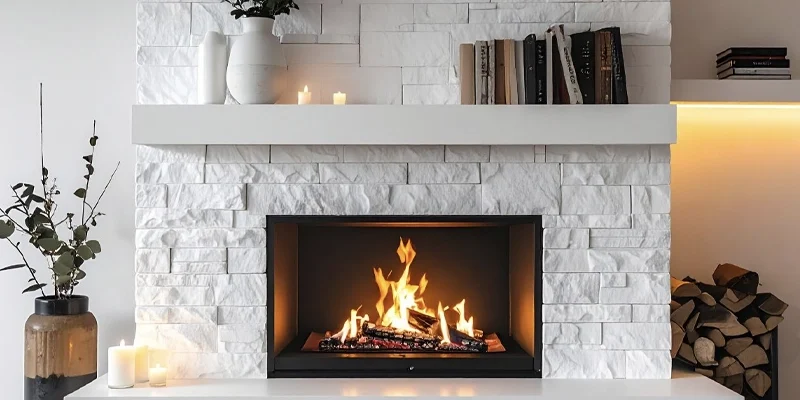
If you already have a fireplace or are thinking of having a wood burner or stove installed in the near future, then we would always recommend using porcelain tiles.
Because they are less porous, more dense, more durable, and moisture-resistant, porcelain tiles require less maintenance than ceramic tiles. They are less likely to scratch, chip, or stain; additionally, they tend to last longer than ceramic tiles.
Depending on the model of your fireplace, a blower may or may not be an optional accessory. Only a few wood-burning fireplaces have the capability to add one, whereas a majority of direct vent gas fireplaces will either come with one or have it as an optional accessory. It’s important to remember that a blower is meant to supplement the heat output of your fireplace, not increase it.