
Granite composite vs stainless steel sink is a common comparison for homeowners choosing a durable sink for a new kitchen or countertop replacement project. Both materials can perform well, but they differ significantly in appearance, weight, sound, surface wear, maintenance and installation requirements.
A granite composite sink usually has a dense, stone-like appearance with a matte or lightly textured finish. Stainless steel is lighter, more familiar and available in a broad range of sizes, configurations and price levels. Neither material is automatically better for every kitchen. The right choice depends on how the sink will be used, the cabinet support, countertop design and the type of surface wear the homeowner is comfortable seeing over time.
It is also important to separate sink material from installation style. Granite composite and stainless steel describe what the sink is made from. Undermount, top-mount and flush-mount describe how the sink is installed. Depending on the product, both granite composite and stainless steel sinks may be available in more than one installation format.
Quick Decision Rule
Choose granite composite when a quieter, heavier and stone-like sink is the priority. Choose stainless steel when lower weight, broad availability and a practical professional appearance matter more.
Material is only one part of sink selection. The complete kitchen sink buying guide explains sizing, bowl configurations, cabinet clearances and countertop compatibility. After choosing between composite and stainless steel, review the differences between undermount and drop-in sink installation before the countertop opening is finalized.
The following table summarizes the main differences between the two sink materials. Individual performance still depends on the product quality, sink thickness, colour, finish and installation method.
| Comparison Factor | Granite Composite Sink | Stainless Steel Sink |
|---|---|---|
| Appearance | Matte, textured and stone-like | Metallic, clean and professional |
| Weight | Heavier and more support-sensitive | Lighter and easier to handle |
| Sound | Naturally quieter during use | Can sound louder without pads or coating |
| Surface Wear | May chip under severe impact; light residue may show on dark colours | Can scratch or dent; scratches may blend into a patina over time |
| Maintenance | Requires regular rinsing and colour-appropriate cleaning | Easy to clean but may show water spots and fingerprints |
| Design Compatibility | Natural, transitional and matte modern kitchens | Modern, commercial-inspired and broadly adaptable kitchens |
This comparison should be used as a starting point. A high-quality stainless steel sink may outperform a thinner or poorly insulated product, while granite composite performance can vary according to the manufacturer, composition and finish.
A granite composite sink is an engineered product made by combining mineral or stone particles with resin binders. It is not carved from a solid granite slab and should not be confused with a granite countertop.
The composite mixture is formed into a sink body that has a dense, substantial feel and a relatively uniform colour. Available finishes often include black, charcoal, grey, brown, beige and white.
Granite composite sinks are often selected for kitchens where the sink is intended to blend with a dark countertop or create contrast against a lighter surface. Their low-reflection appearance can also work well with matte cabinets, black fixtures and natural-material designs.
The heavier construction requires proper cabinet and mounting support. Severe impact from heavy cookware may damage an edge or corner, and some colours can show mineral deposits, soap residue or food stains more readily than others.
Dark composite sinks may develop a cloudy appearance when hard-water residue is not removed regularly. Light sinks may show food colour, metal transfer or marks more clearly. Cleaning should follow the sink manufacturer’s instructions rather than generic advice intended for natural granite countertops.
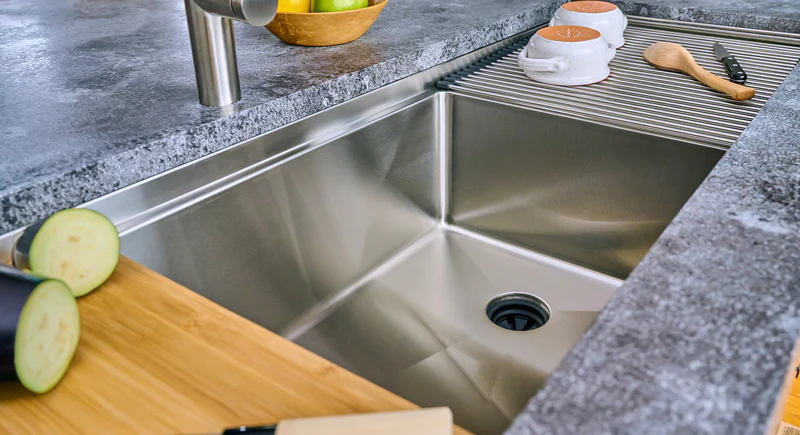
A stainless steel sink is formed from corrosion-resistant steel and is one of the most widely used sink types in residential and commercial kitchens. It is available in single-bowl, double-bowl, workstation, undermount and top-mount configurations.
Stainless steel sinks vary considerably in quality. Steel thickness, bowl construction, corner radius, finish, sound-deadening pads and protective undercoating can all affect performance.
Stainless steel is particularly practical when the kitchen requires a large bowl, workstation accessories or a sink shape that may be difficult to find in other materials.
Stainless steel can scratch during normal use. This is not always a structural problem, but homeowners expecting a permanently flawless metallic surface may be disappointed as the sink develops visible wear.
Water spots, fingerprints and mineral residue can also appear clearly on some finishes. Thin or poorly insulated sinks may sound louder when water, dishes or cookware contact the bowl. Lower-quality products may also be more vulnerable to denting.
Both materials can provide long service life, but they respond differently to impact and surface wear.
Granite composite is rigid and resistant to ordinary kitchen use. Its colour and texture may help disguise light surface wear better than reflective metal.
However, rigidity also means that a severe impact from a heavy cast-iron pan or another dense object may chip an exposed edge or damage the bowl. Proper support is particularly important for undermount composite sinks because the sink weight and daily load must be transferred safely to the cabinet structure.
Stainless steel is more flexible and is unlikely to chip. It may instead scratch or dent when struck by heavy cookware. Thicker products generally feel more substantial and may resist deformation better than thin sink bodies.
Surface scratches are common and should be expected as part of normal use. On brushed finishes, fine scratches may gradually blend into the overall appearance. Abrasive pads should still be avoided unless approved for the specific finish.
Durability Comparison
Granite composite is rigid and less likely to show fine scratches but may chip under severe impact. Stainless steel does not chip but can scratch or dent depending on its thickness and construction.
Granite composite and stainless steel both tolerate ordinary kitchen temperatures, but neither sink should be treated as a surface for uncontrolled thermal shock.
Composite sinks are generally designed to handle hot water and normal cookware use. However, placing extremely hot cookware directly into a cold sink may create unnecessary thermal stress. Temperature tolerance varies between manufacturers and products.
Homeowners should follow the product’s stated heat limits and avoid sudden changes between very hot and very cold conditions.
Stainless steel itself tolerates kitchen heat well and will not chip from thermal shock. Very hot items can still affect protective coatings, accessories, strainers or surrounding countertop components.
Allow cookware to cool when practical and avoid assuming that the sink, mounting materials and adjacent countertop all share the same heat tolerance.
Granite composite and stainless steel sinks both resist many common kitchen stains, but their appearance can change differently when water, soap or food residue remains on the surface.
Granite composite sinks are generally resistant to ordinary food stains when spills and residue are cleaned promptly. However, stain visibility depends heavily on the sink colour and local water conditions.
Dark composite sinks may show:
Light composite sinks may show:
These marks are not always permanent stains. Regular rinsing, drying and manufacturer-approved cleaning can reduce buildup. Harsh chemicals or abrasive tools should not be used unless specifically approved for the product.
Stainless steel does not absorb ordinary food liquids in the same way as some porous materials, but the reflective surface can make water spots, fingerprints and mineral deposits highly visible.
Common appearance issues include:
Rust-coloured spots do not necessarily mean the stainless steel itself is rusting. Iron particles from cookware, cleaning tools or water may remain on the surface and oxidize.
The sink should be rinsed and dried regularly, particularly in homes with mineral-rich water.
The two materials develop different signs of use over time.
Granite composite generally hides fine surface marks well because of its matte texture and consistent colour. It does not usually develop the same visible scratch pattern as polished stainless steel.
Possible wear may include:
Dragging heavy cookware or striking the sink edge should be avoided. A protective grid may reduce direct impact at the bottom of the bowl, but the grid itself must be cleaned regularly.
Scratching is normal with stainless steel sinks.
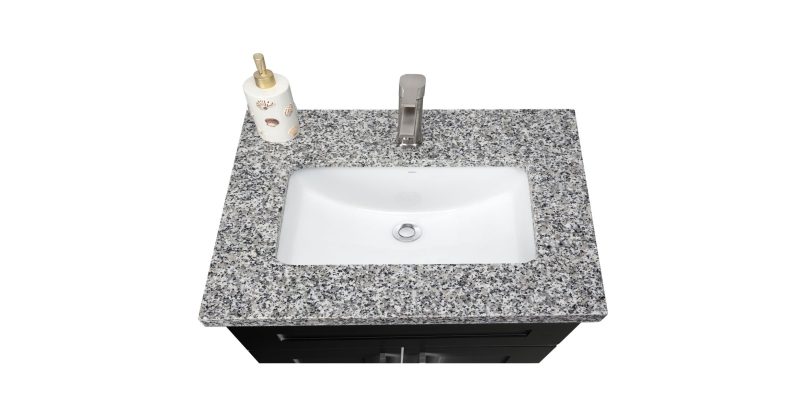
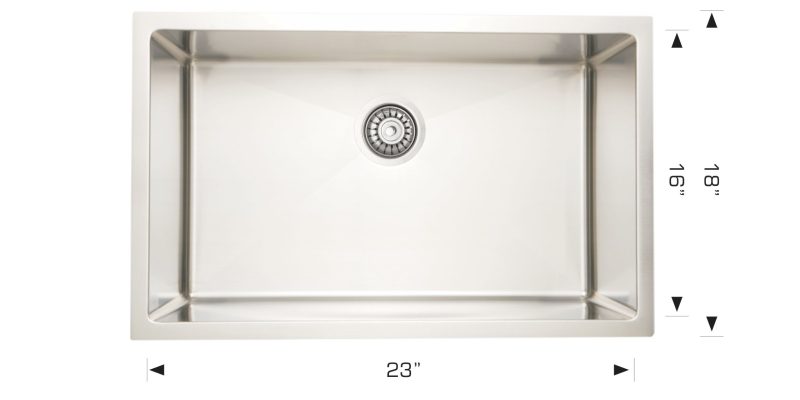
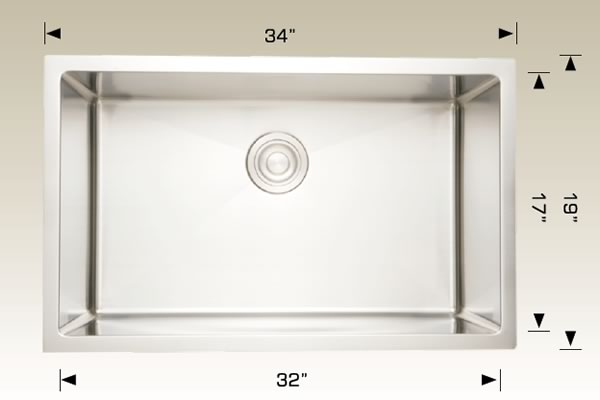
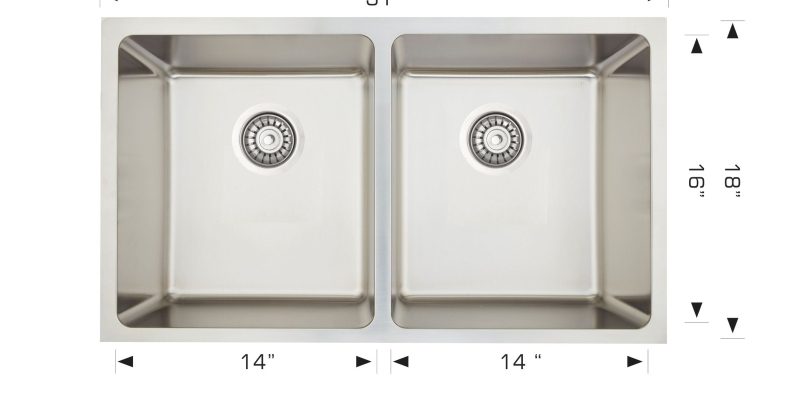


Brushed stainless steel finishes often develop a more uniform patina as additional fine marks appear. Deep scratches remain more noticeable and should not be deliberately treated with aggressive abrasives.
Stainless steel can also dent under concentrated impact, especially when the sink is made from thinner material. Product thickness is therefore one factor to review, but gauge alone should not be treated as a complete measure of quality. Bowl design, steel composition, construction and reinforcement also matter.
Wear Expectation
Choose granite composite if you prefer a matte surface that generally conceals fine wear. Choose stainless steel only if you are comfortable with visible scratches gradually becoming part of the sink’s appearance.
Granite composite sinks are naturally dense and usually produce less metallic noise when water, dishes or cookware contact the bowl.
This quieter performance may be useful in:
Stainless steel sinks can sound louder, but product construction makes a substantial difference. Better-quality models may include:
A thin, uninsulated sink can sound noticeably different from a well-constructed stainless steel model. Homeowners should review the underside of the sink and product specifications rather than judging sound performance from material alone.
Both sink types are manageable when cleaned regularly. The main difference is the kind of marks that require attention.
Routine care generally includes:
Avoid assuming that a cleaner labelled safe for natural granite countertops is automatically suitable for a composite sink. Granite composite contains resin and is manufactured differently from natural stone.
Strong alkaline products, abrasive powders, harsh acids and unsuitable solvents may affect the surface or colour. Product-specific instructions should take priority over generic cleaning advice.
Routine care generally includes:
Chloride-heavy cleaners, prolonged bleach exposure and unsuitable chemicals should be avoided. Cleaning products should not remain pooled in the bowl for extended periods.
Stainless steel is usually forgiving when appearance perfection is not required. It can be cleaned quickly, but water spots and scratches may remain visible.
Granite composite may conceal ordinary wear more effectively, but dark colours can require regular attention in hard-water conditions. Neither material is maintenance-free.
Weight is an important difference between granite composite and stainless steel sinks, particularly for undermount installations.
Granite composite sinks are substantially heavier than typical stainless steel sinks. The support system must carry:
The sink should not depend only on adhesive or the countertop edge for support. Appropriate mounting hardware, brackets, rails or a cabinet-supported system may be required according to the sink and installation method.
The sink base cabinet should also provide sufficient internal clearance for supports, plumbing, waste fittings and accessories.
Stainless steel is lighter and generally easier to handle. However, undermount stainless steel sinks still require secure support and correct attachment.
Large workstation sinks, double bowls and models containing accessories can be heavier than basic single-bowl sinks. Support should therefore be based on the exact product rather than the general material category.
Before the countertop is measured, confirm:
The exact sink model and installation template should be available before fabrication.
Undermount and top-mount are installation styles, not sink materials. Both granite composite and stainless steel sinks may be available in either format, depending on the manufacturer.
An undermount sink is installed below the countertop. This creates a clean countertop edge and allows crumbs or water to be wiped directly into the bowl.
Undermount installation requires:
Possible reveal options include positive, negative and flush reveals. The preferred detail should be confirmed before fabrication because it affects the cut-out dimensions and final appearance.
Undermount sinks are commonly used with stone, quartz and other solid countertop surfaces. Their suitability should be confirmed for the exact countertop and sink combination.
A top-mount or drop-in sink is installed through the countertop opening, with a visible rim resting on the surface.
Potential advantages include:
The visible rim can collect residue if it is not cleaned regularly, and it creates a different visual relationship with the countertop.
Undermount installation provides a cleaner countertop transition and is often preferred in stone-countertop projects. Top-mount installation may be more practical when replacement flexibility, countertop compatibility or simplified installation is a priority.
The installation style should be selected according to the countertop, sink, cabinet support and future service requirements—not appearance alone.
For accurate cut-out and support planning, coordinate the selected sink with the countertop survey and measurement process before fabrication begins.
Granite composite sinks generally create a heavier, matte and integrated appearance. They can coordinate with black fixtures, natural stone, warm wood and contemporary cabinetry.
Stainless steel provides a lighter and more neutral visual effect. It coordinates easily with appliances, chrome fixtures and commercial-inspired kitchen details.
Choose granite composite when:
Choose stainless steel when:
The sink colour or finish should be reviewed beside the actual countertop and cabinet materials. Online photographs may not show the correct undertone, texture or reflection.
Sink pricing varies according to brand, dimensions, bowl configuration, material composition, steel construction, accessories and installation method. The material name alone does not determine the complete project cost.
Granite composite sinks may cost more than entry-level stainless steel models because of their heavier construction, material composition and support requirements. Stainless steel is available across a much wider price range, from basic lightweight sinks to premium workstation models with heavy construction, sound insulation and integrated accessories.
The complete cost may include:
A lower sink price does not always produce a lower completed installation cost. A sink that requires cabinet modification, specialized support or a revised countertop opening may increase the total project scope.
Granite composite may provide stronger value when the homeowner prioritizes lower sound, a matte appearance and a sink that coordinates closely with the countertop design.
Stainless steel may provide stronger value when lower weight, broad product availability, easier replacement and access to workstation configurations are more important.
Long-term value depends on whether the selected sink suits the household’s use and appearance expectations. A homeowner who dislikes visible scratches may be dissatisfied with stainless steel even when the sink remains fully functional. A homeowner with hard water may find a dark composite sink more maintenance-sensitive than expected.
Value Rule
Compare the complete sink, support, countertop fabrication and plumbing scope—not only the retail price of the sink.
The better sink depends on how the kitchen is used and which type of visible wear the household is prepared to accept.
Both materials can work in a busy household. Granite composite may provide quieter operation and conceal light surface wear, while stainless steel may be easier to replace and more forgiving when heavy cookware is handled roughly.
The decision should reflect whether the household is more concerned about scratching, chipping, noise, mineral buildup or visible water marks.
Stainless steel is often practical for rental kitchens because replacement products are widely available and the material works with many countertop and cabinet styles.
A granite composite sink may still be appropriate in a higher-end rental when its colour, support and maintenance expectations have been considered carefully.
Granite composite may be attractive where reduced sink noise and a coordinated matte appearance are priorities. A properly insulated stainless steel sink can also perform well and may better suit a kitchen with visible stainless appliances.
Stainless steel generally offers the broadest workstation selection, including ledges, grids, cutting boards, drying racks and large single-bowl configurations.
Granite composite workstation models are available, but product dimensions and accessory compatibility should be confirmed before countertop fabrication.
Avoiding several common mistakes can prevent cabinet conflicts, fabrication changes and disappointing everyday performance.
Not from a single solid granite slab. Granite composite sinks are engineered from mineral or stone particles combined with resin binders.
Not universally. Granite composite is heavier, quieter and more stone-like. Stainless steel is lighter, broadly available and resistant to chipping. The better choice depends on use, appearance and maintenance priorities.
They can chip or suffer edge damage under severe concentrated impact, although ordinary use should not automatically cause damage. Correct support and careful handling of heavy cookware remain important.
Fine scratches are common during normal use. Brushed finishes often develop a more uniform patina over time, while deep scratches may remain visible.
Both are manageable with routine care. Stainless steel may show water spots and fingerprints, while granite composite may show soap film or mineral deposits depending on colour and water conditions.
Many granite composite and stainless steel models are available for undermount installation. Suitability depends on the exact sink, countertop and support system.
Granite composite is generally quieter because of its dense construction. Stainless steel noise depends heavily on bowl construction, pads and undercoating.
Yes. The exact model, dimensions, mounting method and template should be confirmed before the countertop opening is fabricated.
Granite composite and stainless steel sinks can both provide durable everyday performance, but they suit different priorities.
Choose granite composite when a quiet, matte and stone-like sink is preferred and the cabinet can support its additional weight. Choose stainless steel when lighter construction, broad product selection and a practical professional appearance are more important.
Before final countertop measurement, confirm the sink model, cabinet fit, installation style, faucet openings and support requirements.
Browse Kitchen Sinks
Planning a Sink and Countertop Installation?
Share the selected sink model, cabinet dimensions and countertop material so the opening, support and installation requirements can be reviewed before fabrication.