Heat resistance is one of the most misunderstood yet critical performance factors when choosing kitchen countertops in Ontario. While many homeowners focus on appearance, colour, or price, the ability of a countertop surface to tolerate high temperatures directly affects its longevity, safety, and daily usability. In busy kitchens across Toronto & the GTA—especially in family homes, condos, and open-concept layouts—countertops are constantly exposed to hot cookware, baking trays, and heat-intensive cooking routines.
Unlike scratches or stains, heat damage is often permanent. A single moment of placing a hot pan directly on the surface can cause discoloration, cracking, resin burn, or internal stress fractures depending on the material. This is why understanding how different materials respond to heat is essential before selecting a surface for a real-world kitchen environment.
Ontario kitchens also face unique usage patterns. Heavy home cooking, frequent entertaining, and the popularity of gas and induction cooktops increase the likelihood of heat exposure. For homeowners investing in long-term solutions such as custom kitchen countertops, heat resistance should be evaluated alongside durability and maintenance—not treated as an afterthought.
A common misconception among homeowners is assuming that “heat resistant” means “heat proof.” In reality, no countertop material is completely immune to thermal shock or extreme temperature exposure. Heat resistance refers to how well a surface tolerates high temperatures without visible or structural damage under normal kitchen use.
Thermal shock occurs when a surface experiences rapid temperature change, such as placing a hot pan directly onto a cool countertop. Some materials handle this stress better than others due to their composition, density, and manufacturing process. Natural stone, engineered stone, and ceramic-based materials each behave differently when exposed to heat.
This distinction becomes especially important when comparing quartz, granite, and porcelain—three of the most commonly used countertop materials in Ontario kitchens today.
Quartz countertops are engineered surfaces made from natural quartz crystals combined with resins and pigments. While quartz is extremely durable in terms of scratch and stain resistance, its heat tolerance is limited by the resin content that binds the material together.
Most quartz manufacturers rate their surfaces to withstand brief exposure to temperatures up to approximately 150–180°C (300–350°F). However, cookware fresh from the stove or oven can easily exceed these temperatures. When excessive heat contacts quartz directly, it can cause resin scorch marks, discoloration, or surface cracking.
In Toronto kitchens where quartz is popular for its low maintenance and consistent appearance, heat damage typically occurs not during everyday cooking but during moments of convenience—placing a hot pan down “just for a second.” Unfortunately, that second can permanently compromise the surface.
This does not mean quartz is unsuitable for kitchens. It simply requires mindful use and protective habits. For households that cook lightly or prioritize easy maintenance, quartz remains a strong option—but it is not ideal for heavy, high-heat cooking without precautions.
Granite countertops are formed deep within the Earth under extreme heat and pressure, making them naturally well-equipped to handle high temperatures. Unlike quartz, granite contains no synthetic resins, which means it does not scorch or melt when exposed to hot cookware.
In practical terms, granite can tolerate direct contact with hot pots and pans far better than engineered surfaces. This is one reason granite remains a preferred choice for busy family kitchens and homes where cooking is frequent and heat exposure is unavoidable.
However, granite is not completely invincible. While it resists heat very well, sudden temperature changes can still cause micro-fractures over time, particularly near seams or edges. Additionally, sealants applied to granite may degrade under extreme heat, even if the stone itself remains intact.
For Ontario homeowners who cook often, entertain regularly, or use high-output gas ranges, granite provides a reassuring margin of safety when it comes to heat resistance—especially when combined with professional fabrication and proper sealing.
Porcelain countertops are manufactured at extremely high kiln temperatures, often exceeding 1,200°C. This production process results in a dense, non-porous surface that is exceptionally resistant to heat, thermal shock, and UV exposure.
In real-world kitchen scenarios, porcelain outperforms both quartz and granite in terms of heat tolerance. Hot cookware, baking sheets, and even outdoor cooking conditions rarely affect porcelain surfaces. This makes porcelain particularly attractive for Ontario kitchens that experience heavy use or incorporate indoor-outdoor cooking zones.
Another advantage of porcelain is its dimensional stability. Unlike some natural stones, porcelain does not expand or contract significantly with temperature changes, reducing long-term stress on seams and edges.
For homeowners seeking maximum heat resistance with minimal maintenance, porcelain represents the most technically advanced solution available today—especially in modern kitchens where performance is as important as aesthetics.
Choosing the right countertop material is not about selecting the “best” surface in general—it’s about selecting the best surface for how you actually use your kitchen. A household that reheats meals occasionally has very different needs from one that cooks daily with cast iron cookware and high-temperature ovens.
In Toronto & GTA homes, mismatches between cooking habits and material performance are a common source of long-term dissatisfaction. Quartz installed in a heavy-use kitchen may show heat damage, while granite or porcelain in the same environment would remain unaffected.
Understanding these differences early allows homeowners to make informed decisions that prevent regret, repair costs, and premature replacement.
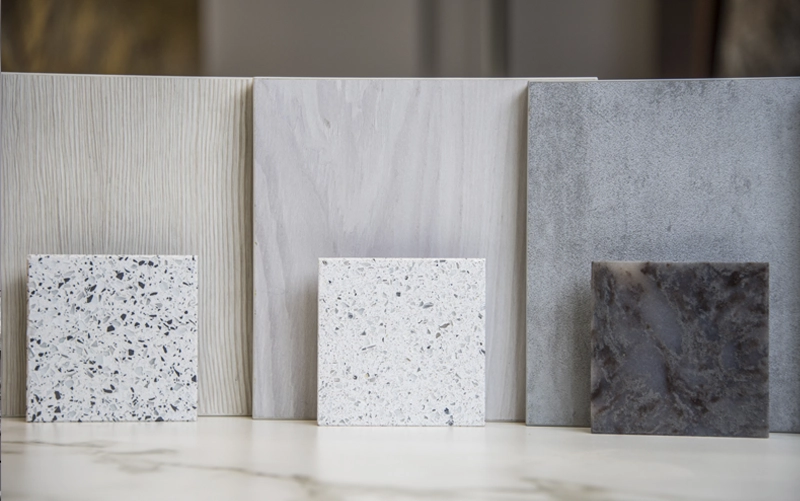
Most heat-related countertop damage in Ontario kitchens does not happen during extreme or unusual situations—it happens during normal, everyday cooking. In Toronto and the GTA, where kitchens are often compact and fast-paced, homeowners frequently place hot cookware directly on the nearest available surface without thinking twice. Understanding these real-world scenarios is essential for choosing a material that aligns with actual kitchen behavior.
One of the most common situations involves removing a pan or pot directly from the stove and placing it on the countertop instead of a trivet. Cast iron cookware, in particular, retains heat for long periods and can easily exceed the tolerance limits of quartz surfaces.

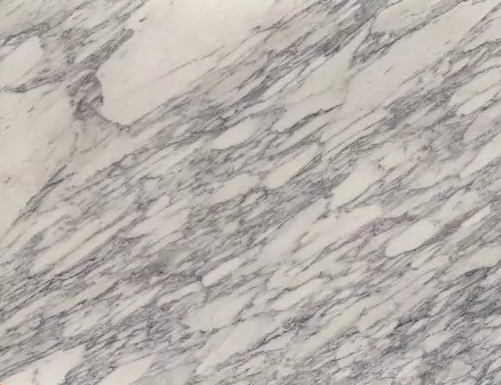




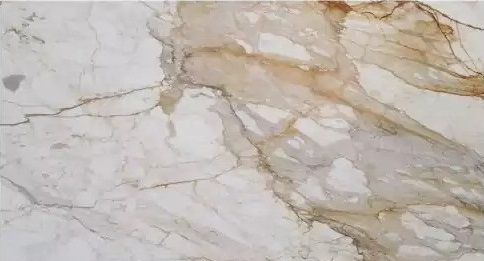
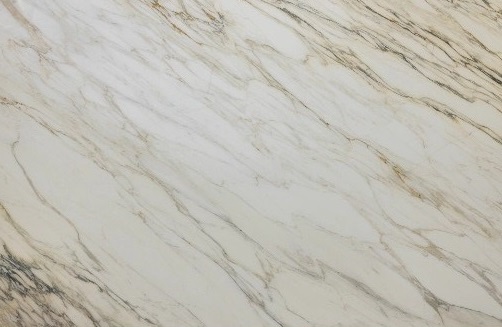




Another frequent scenario involves baking trays and roasting pans removed straight from the oven. In busy family kitchens, especially those with limited counter space, hot trays are often set down momentarily during food preparation. Over time, repeated exposure to this type of heat stress can cause cumulative damage, particularly on engineered stone surfaces.
In open-concept kitchens—a popular layout across Toronto condos and modern homes—kitchen islands often double as prep zones, serving areas, and temporary landing spots for hot items. This multi-use function increases heat exposure and makes heat resistance a much more critical performance factor when selecting island surfaces.
Regardless of material choice, adopting proper heat-management habits significantly extends the lifespan of kitchen countertops. Even the most heat-resistant surfaces benefit from preventative measures, especially in high-use Ontario kitchens.
Using trivets, heat pads, or silicone mats is the simplest and most effective way to prevent direct heat contact. These accessories act as thermal buffers and are especially important when using quartz countertops, where resin sensitivity makes heat protection essential. In family households, placing trivets near cooking zones helps encourage consistent use.
Another important practice is understanding residual heat. Cookware removed from the stove or oven continues to emit heat long after cooking stops. Placing such items on cutting boards, dish towels, or directly on countertops can transfer heat unevenly and cause localized stress, particularly on quartz surfaces.
Professional fabrication also plays a role in heat performance. Well-supported slabs, correctly reinforced cutouts, and properly finished edges reduce stress points where heat-related damage is more likely to occur. This is why pairing material selection with experienced fabrication services such as custom stone fabrication is crucial for long-term performance.
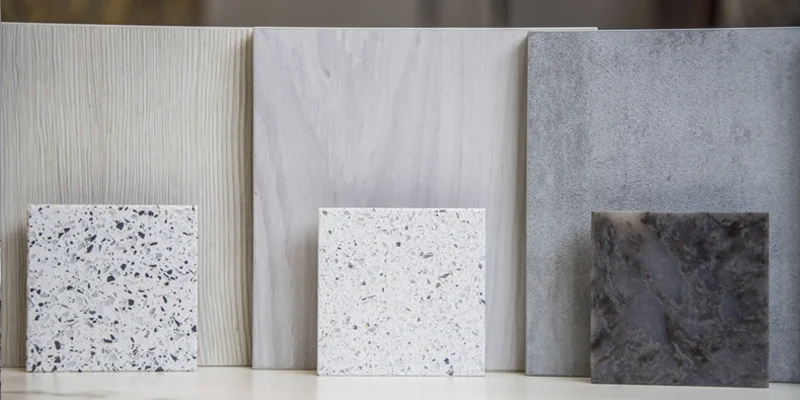
When comparing quartz, granite, and porcelain side by side, clear differences emerge in how each material responds to heat exposure in Ontario kitchens.
Quartz offers excellent stain resistance and low maintenance but has the lowest heat tolerance of the three materials. Its resin content makes it vulnerable to scorch marks and discoloration when exposed to high temperatures. Quartz performs best in kitchens with light to moderate cooking and consistent use of heat protection.
Granite provides strong natural heat resistance and can tolerate direct contact with hot cookware better than quartz. Its performance makes it a reliable option for busy family kitchens and traditional cooking environments. While sealants may require periodic maintenance, the stone itself handles heat exceptionally well.
Porcelain delivers the highest heat resistance due to its kiln-fired manufacturing process. It remains stable under extreme temperatures and thermal shock, making it ideal for heavy cooking, modern kitchens, and even outdoor applications. For homeowners prioritizing performance with minimal maintenance, porcelain stands at the top of the heat-resistance spectrum.
Heavy cooking households—where daily meal preparation involves high temperatures, frequent oven use, and heavy cookware—require countertops that prioritize thermal stability over convenience features. In these environments, choosing the wrong material can lead to visible damage within a few years.
For Ontario families that cook extensively, granite and porcelain consistently outperform quartz in long-term heat resistance. Granite offers a traditional, natural look with strong performance, while porcelain provides a more contemporary aesthetic with superior technical properties.
Quartz can still work in heavy-use kitchens when combined with disciplined heat protection habits, but it leaves less margin for error. For homeowners who prefer a worry-free experience, especially in high-traffic homes, porcelain or granite are typically safer investments.
This decision becomes even more important in properties where the kitchen plays a central role in daily life and entertaining. Matching material performance with actual usage patterns ensures the countertop remains visually intact and structurally sound over time.
Heat-related damage not only affects daily usability but also impacts resale value. In competitive Toronto real estate markets, visible countertop damage—such as burn marks or discoloration—can significantly reduce buyer confidence and perceived property quality.
Materials that maintain their appearance under real-world cooking conditions tend to age better and require fewer repairs or replacements. Granite and porcelain countertops often retain their visual integrity longer, which contributes positively to resale evaluations.
For homeowners planning to sell within a few years, selecting a heat-resistant material can prevent last-minute renovations or surface replacements. Buyers increasingly recognize the difference between cosmetic appeal and functional durability, especially in kitchens.
There is no universal “best” countertop material—only the best material for a specific lifestyle. Heat resistance should be evaluated alongside cooking habits, kitchen layout, maintenance tolerance, and long-term goals.
Quartz suits homeowners who prioritize low maintenance and controlled cooking environments. Granite serves those who value natural stone performance and traditional durability. Porcelain is ideal for homeowners who want maximum heat resistance with modern aesthetics and minimal upkeep.
By understanding how each material reacts to heat in real Ontario kitchens, homeowners can make confident decisions that balance beauty, performance, and longevity—ensuring their kitchen surfaces perform as well as they look for years to come.