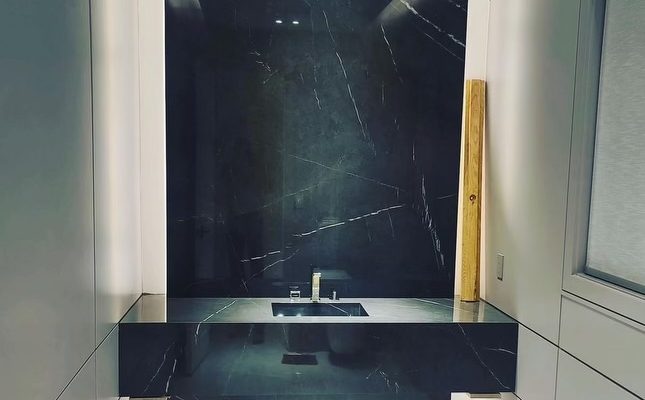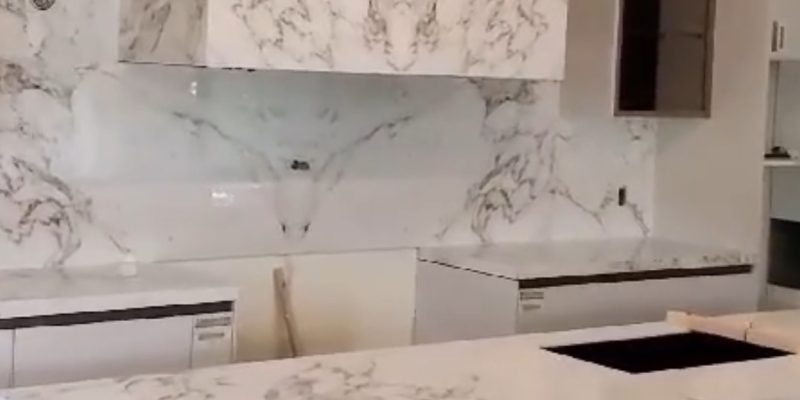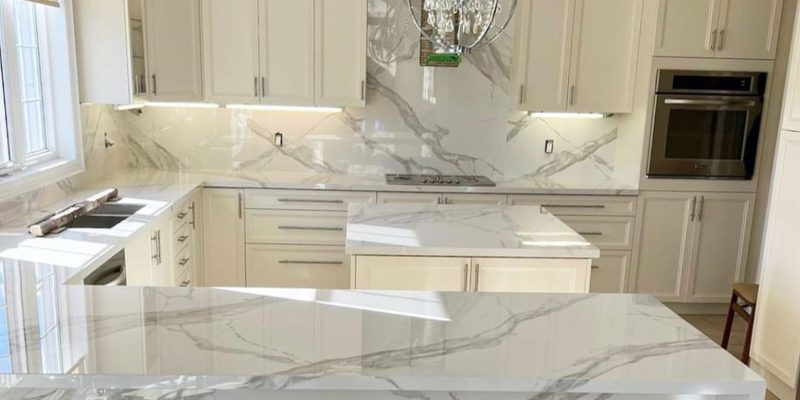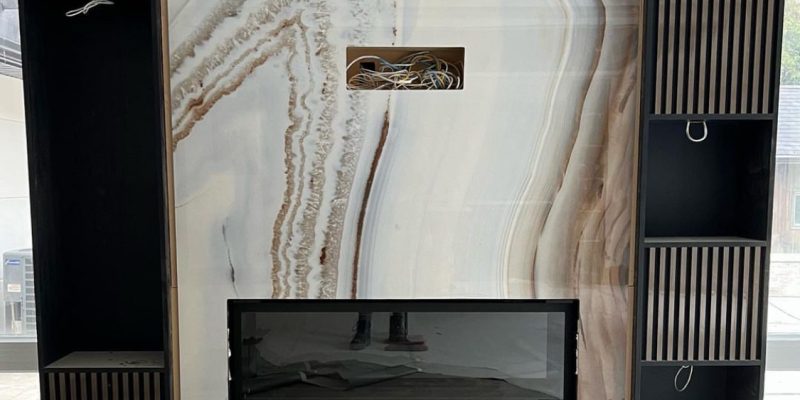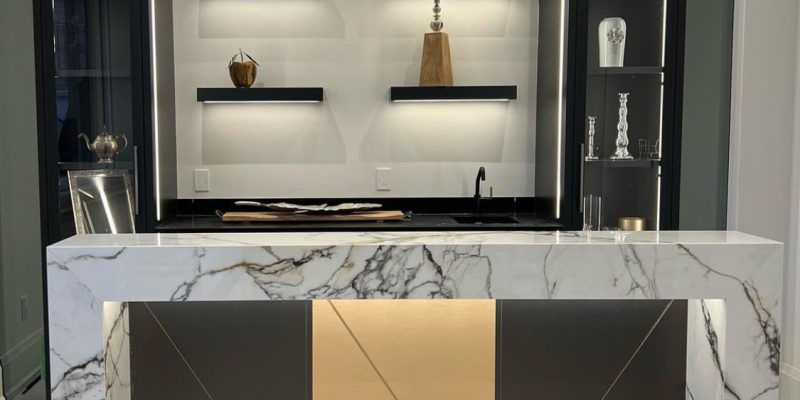

The kitchen countertop installation process in Ontario is a multi-stage procedure that requires precise coordination between measurement, fabrication, logistics, and on-site installation. For homeowners in Toronto & the GTA, understanding what happens at each stage helps prevent delays, budget overruns, and installation-day surprises. Unlike smaller home upgrades, countertops are permanent structural surfaces, meaning mistakes are costly and difficult to reverse.
Whether you are installing quartz, granite, porcelain, or another stone surface, the installation process follows a structured workflow. At professional kitchen countertop providers in Ontario, this workflow is designed to protect accuracy, material integrity, and long-term performance—especially in high-value kitchens.
The installation process officially begins after cabinets are fully installed. This is one of the most misunderstood aspects of countertop projects. Countertops should never be measured before base cabinets are leveled, secured, and finalized. Even small changes in cabinet positioning can result in misalignment, uneven seams, or improper overhangs.
In Ontario homes—particularly Toronto condos and renovated houses—floors and walls are rarely perfectly square. Professional installers account for these realities by measuring the actual built environment, not architectural drawings. This ensures that the finished countertop fits the space precisely rather than forcing the space to adapt to the stone.
Most reputable fabricators schedule a dedicated measurement appointment, often referred to as templating. This step establishes the foundation for everything that follows, including slab selection, seam placement, and cut precision.
For complex layouts, islands, or waterfall edges, the measurement stage is paired with a professional survey & measurement service to eliminate guesswork and confirm all dimensions in real-world conditions.
Once measurements are completed, the project moves into templating and fabrication. Modern countertop installation in Ontario relies heavily on digital templating technology. Using laser or camera-based systems, technicians capture exact dimensions, angles, cutouts, and appliance locations.
Digital templates allow fabricators to:
After templating, the selected slab is prepared for cutting. This is where material choice becomes critical. Quartz, granite, porcelain, and quartzite each require different tooling, cutting speeds, and reinforcement techniques. Fabrication errors at this stage can compromise durability and void manufacturer warranties.
Professional fabrication is typically handled through custom stone fabrication services, where cutting, polishing, edge profiling, and finishing are completed in-house. This level of control is especially important for Ontario kitchens with large islands, mitered edges, or integrated backsplashes.
Fabrication timelines vary depending on material availability and project complexity. Standard projects may take one to two weeks, while custom or large-format installations can take longer due to slab sourcing, bookmatching, or specialty finishes.
Installation day is the most visible part of the process—but it represents only a fraction of the overall work involved. For homeowners, proper preparation ensures the installation proceeds smoothly and without delays.
Before installation day, homeowners should confirm:
In Toronto condos and urban homes, elevator bookings, parking access, and building management approvals may also be required. Failing to coordinate these logistics can result in rescheduling fees or incomplete installations.
On installation day, countertops are dry-fitted first. This allows installers to confirm alignment, seam placement, and fit before final setting. Once approved, the stone is permanently installed using industry-approved adhesives and support methods.
Most standard kitchen installations are completed in one day. Larger or more complex projects—such as multi-piece islands or full-height backsplashes—may require additional visits.
Even with proper planning, certain challenges are common in Ontario countertop installations. Understanding these issues helps homeowners recognize why professional installation matters.
One frequent challenge is wall irregularity. Older Toronto homes often have bowed or uneven walls, requiring scribing or micro-adjustments during installation. Skilled installers accommodate these imperfections without compromising seam integrity or visual alignment.
Another common issue involves appliance tolerances. Slide-in ranges, undermount sinks, and integrated cooktops must align precisely with cutouts. Inaccurate appliance dimensions can delay installation or require last-minute adjustments.
Structural support is also critical, particularly for large islands or overhangs. Insufficient cabinet reinforcement can lead to long-term stress fractures or sagging.


















Ontario kitchens experience heavy daily use, seasonal humidity changes, and temperature fluctuations. These conditions place ongoing stress on countertop materials and installation joints.
Professional installation ensures:
When countertops are installed correctly, they maintain their appearance and performance for decades. Poor installation, however, often leads to early repairs, visible defects, and reduced resale value.
The installation process is not just about placing stone—it is about protecting your investment. That is why Ontario homeowners increasingly prioritize experienced fabricators and installers over lowest-cost options.

Once the kitchen countertop installation process in Ontario is complete, proper post-installation care becomes essential to protect both appearance and long-term performance. Many countertop failures occur not because of poor fabrication, but due to improper use or maintenance in the first weeks after installation.
Immediately after installation, installers typically recommend avoiding heavy loads, standing water, or aggressive cleaning for at least 24 to 48 hours. This curing period allows adhesives, seams, and sealants to fully set. In Toronto homes with active kitchens, respecting this short waiting period can prevent early joint movement or bonding issues.
Cleaning routines should always be material-specific. Quartz surfaces require only mild soap and water, while natural stones such as granite, marble, or quartzite benefit from pH-neutral stone cleaners. Using acidic or abrasive products can damage surface finishes and compromise sealers.
For natural stone installations, sealing schedules are particularly important in Ontario’s climate. Seasonal humidity changes and indoor heating cycles can affect stone porosity over time. Homeowners should follow the fabricator’s sealing recommendations to ensure long-term stain resistance and moisture protection.
Different countertop materials respond differently to daily use, temperature changes, and cleaning habits. Understanding these differences helps Ontario homeowners extend the lifespan of their investment.
Quartz countertops are non-porous and require minimal maintenance. They resist staining and do not need sealing, making them ideal for busy Toronto households. However, they are sensitive to excessive heat, so trivets should always be used near cooktops.
Granite countertops are highly durable and heat-resistant, but benefit from periodic sealing. In high-use kitchens across the GTA, sealing every 12 to 18 months helps maintain stain resistance and surface integrity.
Porcelain countertops are among the most low-maintenance surfaces available. Their UV stability, scratch resistance, and non-porous structure make them suitable for both indoor kitchens and outdoor applications in Ontario.
Homeowners who want tailored guidance based on material selection often consult during the kitchen countertop planning stage to align installation and maintenance expectations from the start.
In Toronto & GTA real estate markets, kitchen quality plays a direct role in buyer perception. Even premium stone countertops can lose impact if seams are poorly aligned, edges are uneven, or overhangs lack proper support.
Buyers increasingly recognize the difference between professionally installed countertops and rushed or DIY installations. Clean seams, level surfaces, and precise cutouts signal quality craftsmanship and long-term reliability.
Real estate professionals often note that kitchens with professionally fabricated and installed countertops sell faster and command higher prices. This is especially true for open-concept layouts, island-centric designs, and luxury properties.
Installation details such as waterfall edges, integrated backsplashes, and bookmatched slabs are only as effective as the precision behind them. This is why resale-focused homeowners prioritize experienced fabricators over short-term cost savings.
Even after a successful installation, certain homeowner mistakes can compromise countertop performance. Being aware of these risks helps prevent unnecessary repairs or warranty issues.
Ontario kitchens experience frequent use and temperature fluctuations, making proper daily habits especially important. Simple precautions go a long way in preserving both appearance and structure.
Many homeowners assume warranties cover all countertop-related issues, but coverage varies significantly. Material warranties typically cover manufacturing defects, while installation warranties focus on workmanship.
Professional fabricators often provide lifetime or long-term installation warranties that cover seam separation, leveling issues, and installation-related failures. These warranties are only valid when proper usage and maintenance guidelines are followed.
Before installation begins, homeowners should clarify what is covered and for how long. This transparency is especially important for custom projects involving large islands, specialty edges, or integrated features.
Choosing experienced providers offering in-house fabrication and installation significantly reduces the risk of warranty disputes and long-term issues.
Ontario homes present unique challenges that require a disciplined installation workflow. Condo access restrictions, uneven subfloors, and older building structures demand adaptability and experience.
A structured installation process ensures that:
This process protects homeowners from avoidable mistakes and ensures that countertops function as intended for decades.
The kitchen countertop installation process in Ontario is far more than a single-day event. It is a coordinated system that connects design, measurement, fabrication, logistics, and skilled installation.
Homeowners who understand this process make better decisions, set realistic timelines, and achieve better results. From Toronto condos to large GTA homes, professional installation remains the most important factor in long-term countertop success.
When executed correctly, a well-installed countertop enhances daily use, strengthens resale value, and becomes a defining feature of the home rather than a maintenance concern.