Welcome to the Tec Corp Stone Inc. Shop! Explore our extensive selection of premium stones, from elegant marble to durable granite. Whether you’re planning a renovation or a new build, find the perfect materials to elevate your space. Shop now for high-quality stones and bring your design dreams to life.
Showing 13–13 of 13 results

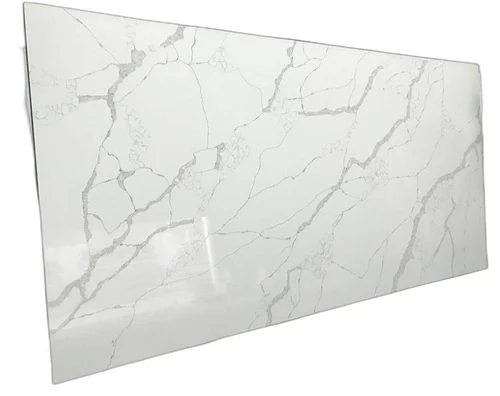
The final material should be selected from the actual slab whenever possible. Product names and small samples can indicate a general style, but they cannot show the full vein pattern, tonal variation or areas that will appear in the finished countertop.
Planning a Marble Project?
Browse the slab collection below or request a custom marble countertop quote for measurement, fabrication and installation in Toronto and the GTA.
Marble is selected primarily for its natural appearance. Unlike surfaces produced with repeated or controlled patterns, a marble slab records geological movement through veins, colour transitions, mineral deposits and tonal variation.
This individuality allows marble to become more than a neutral work surface. A carefully selected slab can act as the main visual feature of a kitchen island, coordinate several countertop sections or continue vertically across a backsplash or waterfall panel.
Even slabs from the same quarry block may vary in background tone, vein concentration and overall movement. This makes full-slab viewing especially important for projects involving large islands, adjoining pieces or more than one slab.
Natural characteristics may include:
These features should be evaluated as part of the material rather than judged only from a small sample. Their positions can also influence the placement of seams, exposed edges, sink openings and cooktop cutouts.
Marble can complement traditional, transitional, contemporary and minimalist interiors. The result depends on the relationship between the slab and the surrounding cabinetry, flooring, backsplash and lighting.
Common design combinations include:
A light marble surface may also help distribute light through smaller kitchens and condos. Polished marble creates stronger reflection, while honed marble provides a softer, lower-sheen appearance.
Natural marble does not have to cover every countertop in the room. It can be reserved for an island, baking surface, vanity, fireplace or full-height backsplash while another material is used in high-traffic preparation zones.
This mixed-material approach can preserve marble’s natural character while allowing the project to respond more closely to daily use and maintenance expectations.
Homeowners considering a focal-point island can review TecCorp Stone’s kitchen island countertop service for measurement, slab layout, support, fabrication and installation planning.
Marble is available in more than the familiar white-and-grey palette. Slabs may include white, cream, beige, grey, brown, green or black backgrounds with veins that range from subtle lines to broad architectural movement.
The most suitable colour is the one that works with the complete room. A slab should be compared directly with cabinet, flooring, paint, backsplash and hardware samples whenever possible.
White and light marble remains popular for kitchens because it can create a bright, open appearance while introducing natural movement. Carrara, Calacatta and Statuario are among the most recognizable names, although each individual slab can differ significantly.
These descriptions are useful for establishing a visual direction, but the material name should never replace inspection of the actual slab. Homeowners comparing genuine marble with similar-looking surfaces can review the guide to white marble countertops and their alternatives.
Dark marble can create a strong architectural feature on islands, vanities, fireplace surrounds and wall panels. Black or charcoal backgrounds with contrasting white or gold-toned veins work particularly well where the stone is intended to become the focal point.
Water marks, dust, fingerprints and changes in sheen may be more visible on some dark polished surfaces. Finish samples should therefore be reviewed under lighting similar to the completed room.
Fine veining often works well across perimeter countertops because the pattern remains visually balanced when divided by corners, appliances and cabinet runs.
Broad or directional veining generally benefits from uninterrupted areas such as:
Bold veins should be positioned intentionally before cutting. The countertop layout should show how major movement will relate to sink and cooktop openings, seams and vertical transitions.
Full-Slab Selection Matters
A small sample cannot show the complete pattern of natural marble. Review the actual slab or reserved slab set before approving colour, vein direction and countertop layout.
The finish changes how marble reflects light, how strongly its colours and veins appear and how visible everyday surface changes become. Polished and honed marble can both be used for countertops, vanities and architectural applications, but neither finish prevents etching, staining or scratching.
Polished marble has a smooth, reflective surface that increases colour depth and makes natural veining appear more pronounced. It is often selected for formal kitchens, statement islands, bathroom vanities and decorative wall applications.
A polished surface can distribute light effectively in compact kitchens and condos. However, etching may become more noticeable because acidic substances alter the reflective finish and leave a dull area beside the surrounding gloss.
Polished marble may be suitable when the project prioritizes:
Honed marble has a matte or low-sheen surface. It creates a softer appearance and often works well in contemporary, transitional and European-inspired interiors.
Minor etching and gradual patina may appear less visually disruptive on some honed surfaces because the finish is already less reflective. Honed marble can still show oil marks, fingerprints, moisture and uneven changes in tone.
The actual finish should be viewed on the selected marble whenever possible. A small generic sample may not accurately represent how the completed slab will look under the project’s lighting.
Choose the finish according to the intended appearance and the homeowner’s tolerance for visible surface changes:
Finish selection should also account for lighting, cabinet style, backsplash design and the areas where the marble will receive the most frequent contact.
Marble can be fabricated for horizontal and vertical surfaces throughout residential and commercial interiors. The best application depends on the slab, expected use, support requirements and the homeowner’s maintenance expectations.
Marble kitchen countertops provide natural movement that can coordinate with traditional, transitional and modern cabinetry. They may be used across the full kitchen or reserved for selected areas.
Surfaces around sinks, coffee stations and food-preparation zones receive greater exposure to water, oils and acidic ingredients. Homeowners choosing marble for these areas should be comfortable cleaning significant spills promptly and using suitable surface protection.
TecCorp Stone provides custom kitchen countertop measurement, fabrication and installation for projects in Toronto and the GTA.
Large islands provide enough uninterrupted surface area to display bold veins and natural colour transitions. The most visually important section of the slab can be positioned toward the main living or seating area.
Island planning should address:
A marble island can also be combined with quartz, granite or porcelain perimeter counters when the homeowner wants natural marble as a focal point without using it in every high-traffic work zone.
Marble vanity tops can create a coordinated surface around undermount or vessel sinks. Light marble may brighten compact bathrooms, while dark or strongly veined slabs can create a more dramatic feature.
Cosmetics, soaps, standing water and unsuitable cleaners can still affect natural marble. Faucet holes, sink openings, backsplash height and edge details should be confirmed before fabrication.
Custom applications can be planned through TecCorp Stone’s vanity countertop service.
A full-height marble backsplash can continue the countertop pattern vertically or serve as an independent design feature. Slab backsplashes reduce grout lines and allow broad veins to remain more visible than they would in small-format tiles.
Outlet positions, cabinetry, range hoods and wall dimensions should be included in the layout because they can interrupt major veins.
Marble can be fabricated for fireplace surrounds, hearths and decorative wall panels when the selected stone and installation system are appropriate for the application.
Vein placement, joint locations, edge details and the fireplace manufacturer’s clearance requirements should be reviewed before fabrication. TecCorp Stone offers custom fireplace stone work for residential and commercial interiors.
Natural marble can also be used for reception desks, shelving, tabletops, wall cladding and other custom features. These projects may require specialized reinforcement, mitred details, concealed support or multi-piece pattern planning.
For non-standard applications, the selected slab should be evaluated alongside the final dimensions and support structure before material is reserved.
Marble is a long-lasting natural material, but its appearance may change through normal use. Homeowners should understand the difference between natural aging and preventable damage before selecting it for a heavily used surface.
Marble contains calcite, which reacts with acids found in lemon juice, vinegar, wine, tomatoes and some cleaning products. This reaction alters the finish and may leave a dull or lighter area.
Etching is not the same as staining. A penetrating sealer may reduce liquid absorption, but it does not prevent acids from reacting with the marble.
Oil, coffee, wine and strongly coloured liquids may be absorbed if they remain on a porous surface. The level of absorption varies according to the slab, finish and previous treatment.
Sealing requirements should be assessed for the actual countertop rather than assigned according to a universal annual schedule.
Marble is softer than many granite and quartzite varieties. Cutting directly on the surface, dragging abrasive objects or using rough cleaning pads may produce scratches or changes in sheen.
Over time, light etching, fine marks and variations in reflectivity may create a patina. Some homeowners value this lived-in character, while others prefer a material that maintains a more consistent appearance.
Routine marble care is generally straightforward when suitable products and habits are used:
Families uncertain whether natural marble suits their routines can review whether marble countertops are practical for a busy family kitchen.
Important Marble Care Distinction
Sealing can help reduce staining, but it does not prevent etching. Marble is best suited to homeowners who appreciate natural variation and accept that the surface may develop patina over time.
Choosing marble should be based on the actual slab rather than a small sample or product name alone. The full surface may include changes in background tone, vein concentration, mineral features and filled areas that influence both appearance and fabrication.
Before reserving material, confirm:
The slab layout should show where the island, perimeter pieces, backsplash and waterfall panels will be positioned. Sink and cooktop openings, seams and exposed corners should also be reviewed before cutting.
For a complete pre-fabrication checklist, see the guide on how to choose and approve a marble slab.
Professional fabrication connects the selected slab with the actual dimensions and requirements of the project. Final measurement should normally take place after base cabinets are installed, secured and level, with appliance and fixture specifications available.
The fabrication plan may include:
Seams cannot always be avoided. Their location depends on slab dimensions, countertop length, structural areas, transportation limits and site access. A well-planned seam should provide appropriate support while minimizing unnecessary interruption of the pattern.
TecCorp Stone provides countertop measurement and templating, custom fabrication and installation coordination for Toronto and GTA projects.
Large marble pieces must be transported safely from the fabrication facility into the property. This is especially important for Toronto condos, townhouses and renovation projects with restricted access.
Site planning may need to account for:
A countertop section may fit within the slab dimensions but still require a planned seam if it cannot be carried safely into the room. Access should therefore be reviewed before the final layout is approved.
Marble countertop pricing should be based on the selected slab and actual project scope rather than a universal square-foot estimate.
Factors that can affect the quote include:
A detailed quote should identify which measurement, fabrication, delivery and installation services are included. Project photos, approximate dimensions, address, preferred material and fixture details help produce a more useful initial estimate.
A marble countertop project requires coordination between material selection, layout, fabrication and installation. TecCorp Stone supports this process from slab review and measurement through final installation.
The goal is not simply to cut the largest possible pieces. Each project should balance appearance, material yield, structural suitability, seam placement and access requirements.
Yes, when the homeowner accepts possible etching, staining and gradual patina and is willing to use suitable cleaning and surface protection.
No. Sealing may reduce liquid absorption and staining, but it does not stop acids from reacting with marble.
Yes. A small sample cannot show the complete veining, tonal variation or natural features that may affect the finished layout.
Sometimes, but this depends on slab size, usable material, island dimensions, building access and fabrication requirements.
Yes. TecCorp Stone provides measurement, fabrication and installation services for qualifying residential and commercial projects across Toronto and the GTA.
Provide approximate dimensions, project photos, location, preferred stone, edge requirements and details of sinks, cooktops, backsplashes or waterfalls.
The right marble countertop begins with the actual slab, an accurate project plan and realistic expectations for daily use. Review available colours and veining, confirm the intended application and request a quote based on the complete fabrication and installation scope.
Planning Marble Countertops in Toronto or the GTA?
Send your dimensions, photos and preferred marble style to discuss slab availability, measurement, fabrication and installation.

At Tec Corp Stone Inc., we pride ourselves on delivering exceptional craftsmanship and unmatched quality. With years of experience in stone fabrication, our dedicated team ensures every project is executed with precision and care. We offer personalized service, innovative solutions, and a commitment to customer satisfaction. Choose us for your stone needs and experience the Tec Corp Stone Inc. difference.