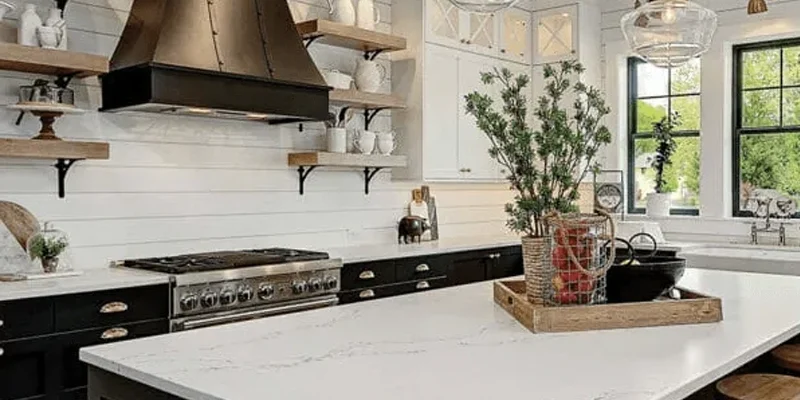
Quartz countertop care and maintenance is generally straightforward, but the surface still requires appropriate cleaning products, heat protection and careful use around edges and openings. Most engineered quartz products have low absorption and do not require routine sealing, yet they can still be affected by concentrated heat, abrasive cleaners, strong chemicals and heavy impact.
Daily care should focus on removing spills promptly, using soft cleaning materials and following the manufacturer’s instructions for the exact quartz product. A cleaning method that is suitable for one surface or finish should not automatically be assumed safe for every quartz collection.
This guide explains how to clean quartz countertops, manage common spills, reduce the risk of stains and surface damage and identify situations that may require advice from the manufacturer or fabricator.
For daily cleaning: Use a soft cloth or non-abrasive sponge with warm water and a mild cleaner approved for quartz.
For spills: Wipe them promptly, particularly strong dyes, oils, cosmetics, solvents and acidic or alkaline products.
For heat: Use trivets or heat-resistant pads beneath hot cookware and heat-producing appliances.
For food preparation: Use cutting boards rather than cutting directly on the countertop.
For difficult marks: Check the product’s care instructions before using stronger cleaners, scrapers or solvents.
Quartz is often described as low maintenance, but low maintenance does not mean maintenance-free. Surface appearance can still change through repeated exposure to unsuitable cleaners, excessive heat, abrasive tools or residue that is allowed to build up.
The safest routine is consistent and simple: clean spills promptly, avoid harsh products and protect the surface from preventable heat and impact.
Routine cleaning should remove crumbs, grease, food residue and water marks without affecting the finish. For most everyday situations, a soft microfibre cloth, warm water and a small amount of mild cleaner are sufficient.
A practical daily routine includes:
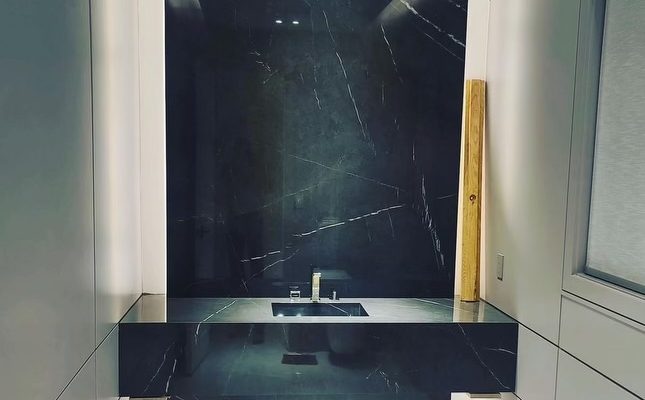
Dark, polished or relatively uniform quartz may show fingerprints, dust and streaks more readily than lighter or patterned products. This does not indicate weaker performance, but it may require more frequent drying or buffing to maintain a uniform appearance.
The best cleaner for a quartz countertop is one approved by the manufacturer of the exact product. A cleaner marketed for stone is not automatically suitable for engineered quartz, and a household product considered mild may still contain chemicals that affect a particular finish.
Repeated use of an unsuitable product may dull the finish, leave residue or create a visible difference between frequently cleaned areas and the surrounding countertop.
Cleaning Product Rule
Test unfamiliar products only according to the manufacturer’s guidance. Do not rely solely on general advice intended for granite, marble or other countertop materials.
Most quartz products resist many common household spills, but no surface should be treated as completely stain-proof. The risk depends on the substance, contact time, finish and exact product formulation.
Substances that should be removed promptly include:
Begin with the mildest approved cleaning method. Avoid aggressive scraping or repeated chemical treatments without checking the product instructions, as the attempted repair may create more visible damage than the original mark.
Quartz performs well under normal kitchen conditions, but it should not receive concentrated heat directly. Engineered quartz contains binders that may be affected by hot cookware, baking trays or appliances that generate sustained heat in one area.
Use trivets or heat-resistant pads beneath:
Appliance clearance instructions should be followed carefully. A countertop appliance may not feel excessively hot at first, but prolonged use can create localised heat exposure.
Thermal damage may appear as discolouration, dulling, cracking or a change in the surface finish. The outcome depends on the temperature, duration and exact quartz product.
Heat-Protection Rule
Do not place hot cookware directly on quartz. Use protective pads and follow appliance clearance requirements for the exact product and kitchen layout.
Quartz is generally resistant to routine abrasion, but it is not scratch-proof. Direct cutting, dragged metal objects and aggressive cleaning tools can still affect the surface or finish.
Cutting directly on quartz is not recommended. It may damage knife edges, transfer metal marks or affect selected finishes. Cutting boards also help contain food residue and reduce repeated abrasion in preparation zones.
Small appliances, cookware and decorative objects should be lifted rather than dragged. Rough or damaged bases can leave marks even when the quartz itself is not deeply scratched.
Steel wool, coarse scouring pads and abrasive powders may dull the finish or create uneven areas. Use soft cloths and non-abrasive sponges unless the manufacturer approves another method.
Quartz is hard but rigid. Exposed edges, corners and narrow sections around sinks or cooktops can chip if struck by a heavy object.
Areas that require particular care include:
A rounded or eased edge may reduce the visual sharpness of a corner, but no profile eliminates impact risk completely. Adequate cabinet and overhang support are also important.
Small chips may sometimes be repaired professionally using colour-matched material. The result may remain visible depending on the colour, pattern, lighting and location of the damage.
Quartz itself generally has low absorption, but seams, sink openings, sealant and the cabinetry below still require regular attention.
Seams may collect residue if they are not cleaned carefully. Avoid aggressive scraping along the joint, as this can affect the adhesive or surface around it.
A seam that begins to separate, move or change colour should be assessed rather than repeatedly filled with household products.
Water should not be allowed to remain around faucet bases, sink rims or joints for extended periods. The quartz may resist moisture, but sealant, sink supports and cabinet materials can still deteriorate.
Check periodically for:
Plumbing leaks should be addressed promptly. Quartz does not protect cabinets, walls or flooring from water damage.
Dried food, adhesive, paint or hardened residue should be approached cautiously. The safest method depends on the type of residue and the quartz manufacturer’s instructions.
A practical sequence is:
Do not use a metal blade, strong solvent or concentrated chemical unless the manufacturer specifically approves it.
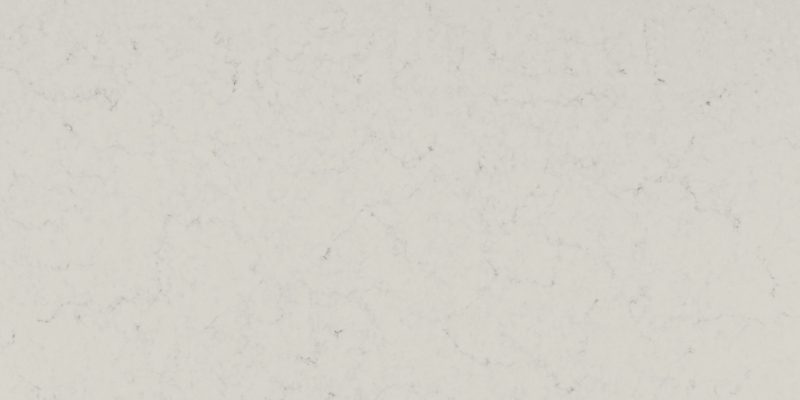
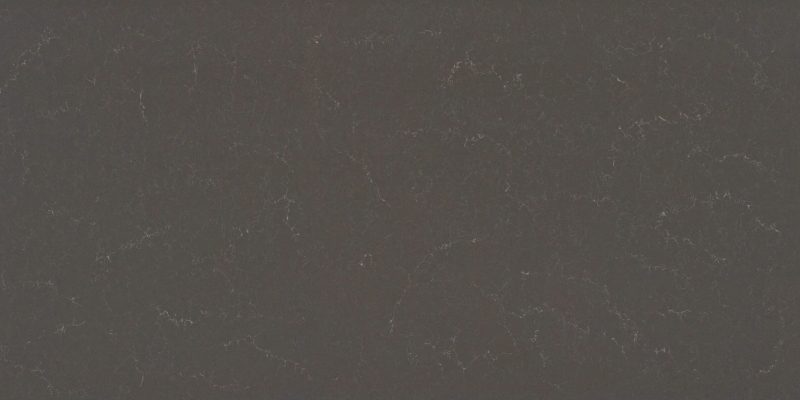
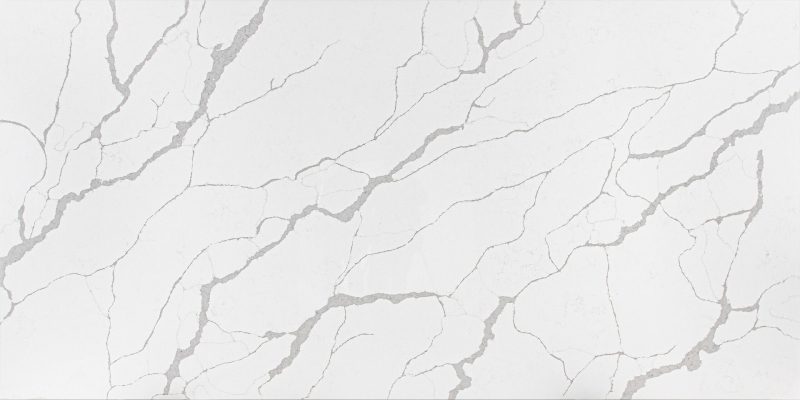

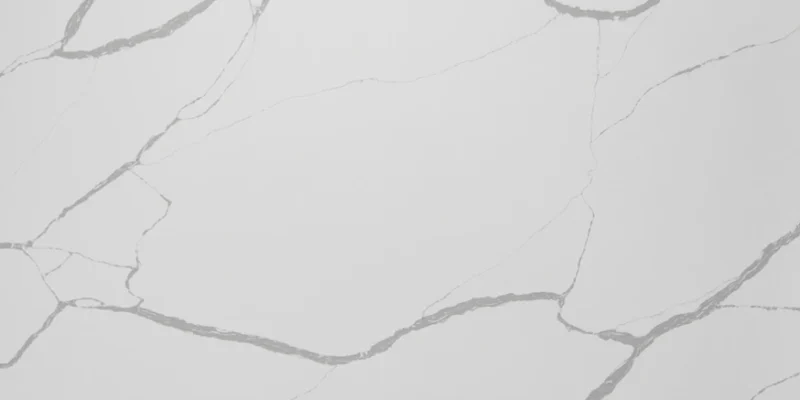
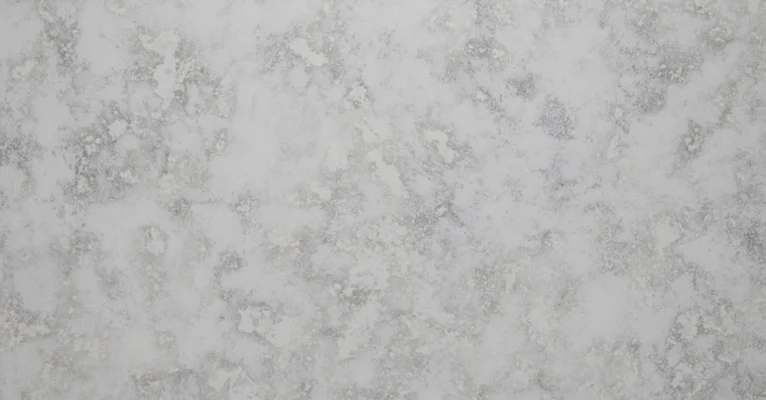
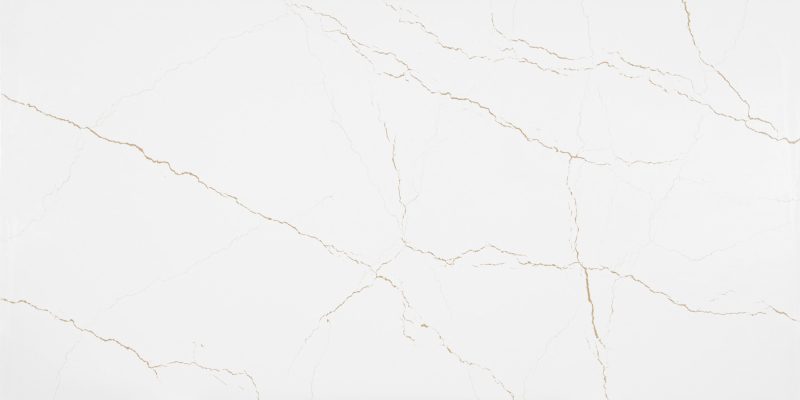
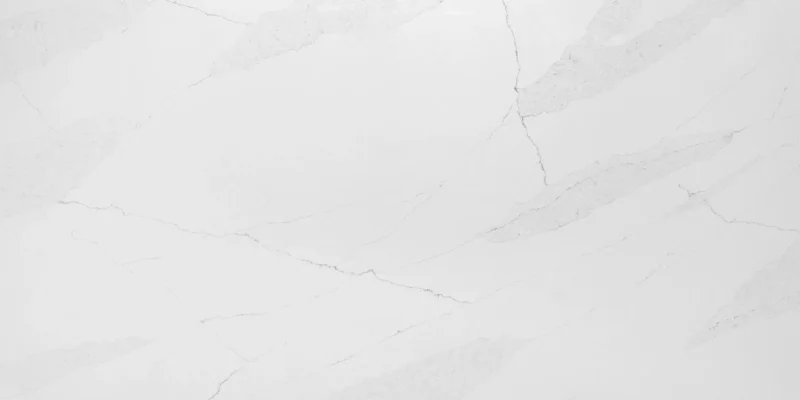
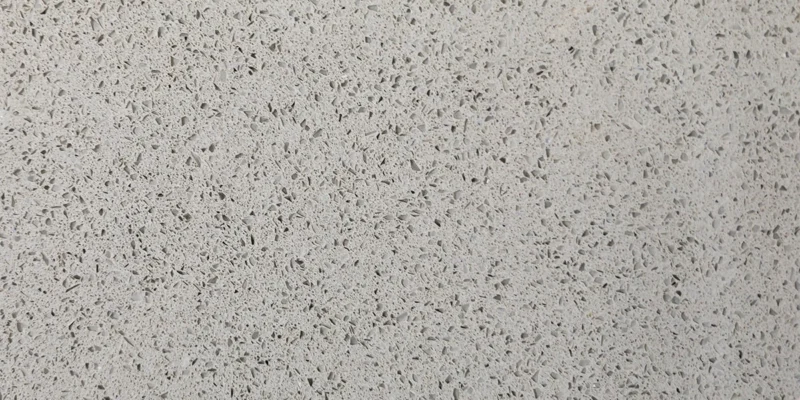


Quartz colour and finish influence how fingerprints, residue, scratches and cleaning marks appear.
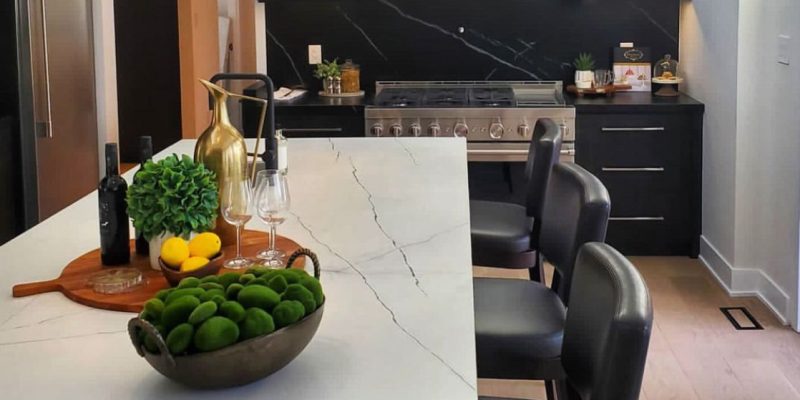
Dark or uniform colours may show dust, fingerprints, water spots and streaking more clearly. Drying the surface with a clean microfibre cloth can help maintain a consistent appearance.
Light or patterned products may conceal minor marks more effectively, but coloured spills should still be removed promptly. Visual concealment does not mean the surface is unaffected.
Polished quartz may show streaks or changes in reflectivity when unsuitable cleaners are used repeatedly. Avoid unapproved polishes and waxes.
Textured and matte finishes may retain residue within the surface texture more readily than polished products. Cleaning methods should follow the specific manufacturer’s instructions rather than using stronger abrasives.
Finish-Care Rule
The same cleaner may leave different results on polished, matte and textured quartz. Follow the care guidance for the exact colour and finish installed.
Most quartz damage results from preventable heat, impact or unsuitable cleaning methods rather than ordinary daily use. Avoiding the following mistakes can help preserve the countertop’s appearance and finish.
Another common mistake is assuming all quartz products require identical care. Manufacturers may provide different instructions for polished, matte, textured or specialised finishes.
Preventive-Care Rule
Use simple daily cleaning, cutting boards and heat protection. Do not introduce stronger chemicals or repair methods until the exact quartz product and manufacturer guidance have been confirmed.
Routine cleaning can be managed by the homeowner, but structural movement, chips and installation-related concerns should be assessed professionally.
Contact the fabricator or installer when you notice:
A cosmetic repair should not begin until the cause has been identified. For example, filling a crack without correcting cabinet movement or inadequate support may allow the problem to return.
Keep the product name, colour, finish and installation records where possible. These details may help the fabricator evaluate repair materials and confirm the relevant care requirements.
Use a mild cleaner approved by the manufacturer of the exact quartz product. Warm water, a small amount of mild dish soap and a soft cloth are generally suitable for routine cleaning.
Do not assume vinegar is suitable for every quartz product. Its acidity and repeated use may affect selected finishes or leave residue. Follow the manufacturer’s care instructions.
Concentrated bleach should be avoided unless the manufacturer specifically permits it. If an approved diluted solution is used, follow the required contact time and rinse the surface thoroughly.
Most engineered quartz products do not require routine sealing. Applying an unnecessary sealer may leave haze or residue and can affect the appearance of the finish.
Begin with an approved mild cleaner and a soft cloth. For persistent marks, identify the substance and consult the product’s care guide before using stronger cleaners, solvents or scraping tools.
Yes. Quartz resists routine abrasion but is not scratch-proof. Use cutting boards and lift objects with rough bases rather than dragging them.
Concentrated heat may affect the binders within engineered quartz. Place hot cookware and baking trays on trivets or heat-resistant pads.
The appliance may remain on the countertop, but it should be used according to its ventilation and clearance instructions. A suitable heat-resistant pad may be required beneath appliances that generate sustained heat.
Selected chips may be repaired professionally using colour-matched material. The repair may still be visible depending on its location, pattern and lighting.
Possible causes include cleaner residue, unsuitable chemicals, abrasive cleaning or a change in the finish. Stop using unapproved products and consult the manufacturer or fabricator if mild cleaning does not restore the appearance.
Clean food residue and spills as part of normal daily use. Periodically inspect seams, sink sealant, exposed edges and support areas for movement or deterioration.
Quartz countertop maintenance does not require a complicated routine. Consistent cleaning with approved products, prompt spill removal, cutting boards and heat protection address most everyday care requirements.
The exact product remains the primary reference. Retain manufacturer information and follow its guidance before attempting stain removal, refinishing or repair.
Need Help With a Quartz Countertop?
Explore available quartz surfaces or discuss countertop selection, fabrication and installation requirements with TecCorp.
Discuss Your Quartz Project
Explore Quartz Countertops
Kitchen Countertop Services