Choosing between quartz and quartzite countertops is one of the most common — and confusing — decisions Toronto homeowners face during a kitchen renovation. At first glance, these two materials sound similar and often look alike, especially in modern GTA kitchens that favor light, marble-inspired surfaces. However, quartz and quartzite are fundamentally different in composition, performance, maintenance, and long-term value.
Whether you’re upgrading a downtown Toronto condo, remodeling a family kitchen in North York or Vaughan, or designing a luxury home in Oakville or Richmond Hill, understanding the real differences between quartz and quartzite is essential before making a final investment. In this guide, we break down both materials based on Toronto-specific use cases, local climate considerations, pricing realities, and lifestyle needs.
At Teccorp Stone, we fabricate and install both quartz countertops and quartzite countertops across Toronto & the GTA, giving homeowners the opportunity to compare these materials side by side before committing.
Despite the similar names, quartz and quartzite are not the same material — and confusing them can lead to the wrong choice for your kitchen.
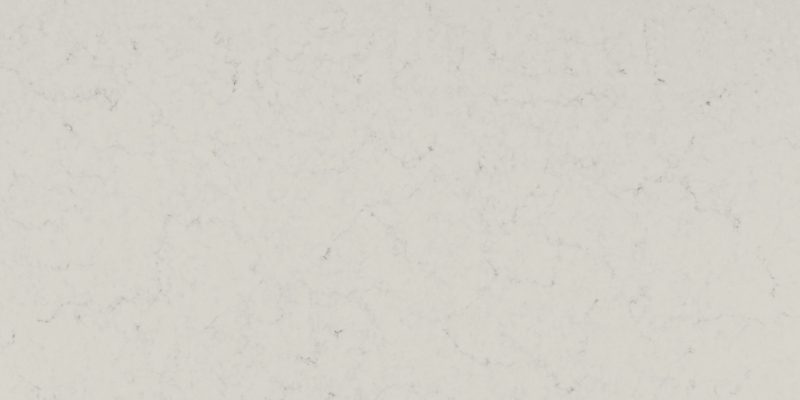
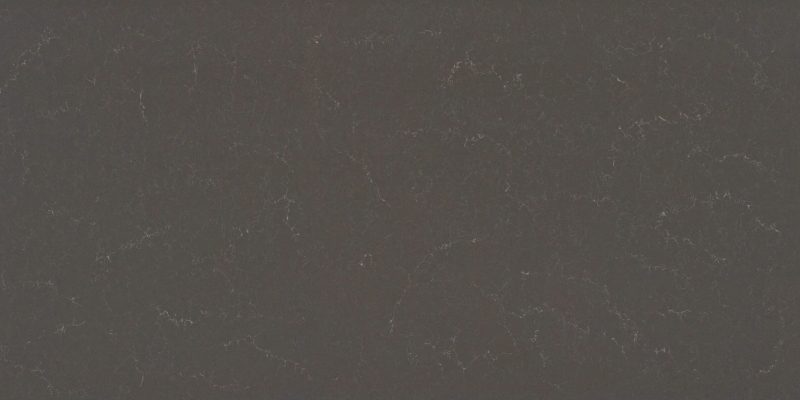
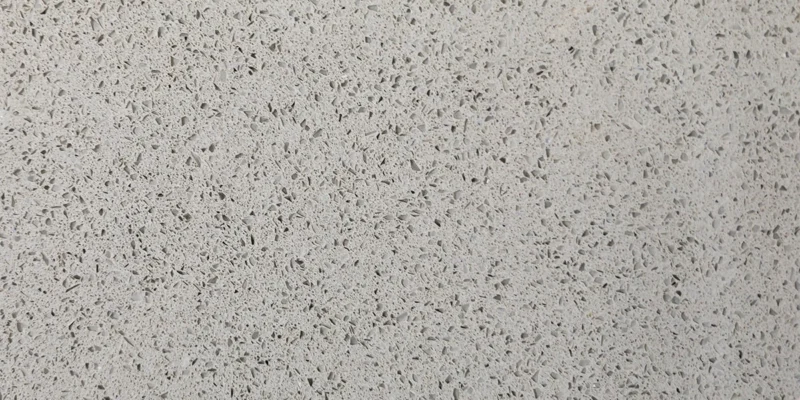
Quartz countertops are engineered stone surfaces made from approximately 90–95% natural quartz crystals combined with resins and pigments. This manufacturing process creates a non-porous, highly consistent surface that requires minimal maintenance.
Because quartz is engineered, manufacturers can control color, veining, and pattern consistency. This makes quartz extremely popular in Toronto condos and contemporary GTA homes where clean lines and uniform aesthetics are preferred.
Explore modern options on our Quartz Countertops collection page.
Quartzite, on the other hand, is a 100% natural stone formed when sandstone undergoes intense heat and pressure within the Earth’s crust. The result is an ultra-dense, crystalline stone that often resembles marble but performs closer to granite.
Unlike quartz, quartzite slabs are quarried directly from nature, meaning every slab is unique. This natural variation is especially appealing to homeowners in luxury Toronto neighborhoods who want a one-of-a-kind kitchen centerpiece.
You can view premium options in our Quartzite Countertops collection.
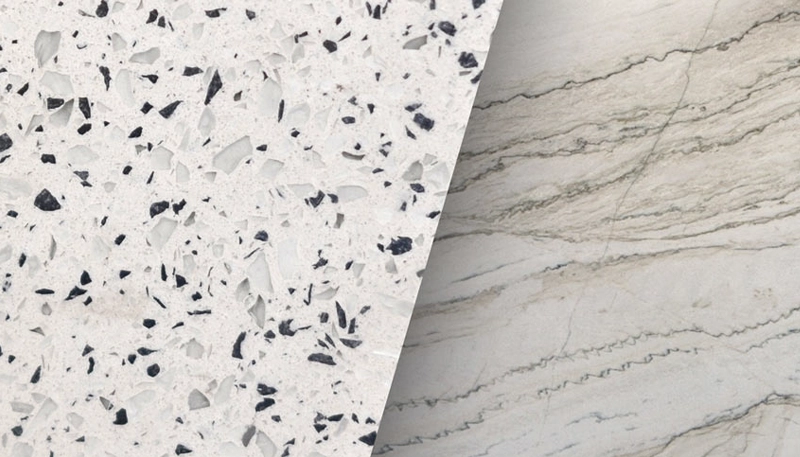
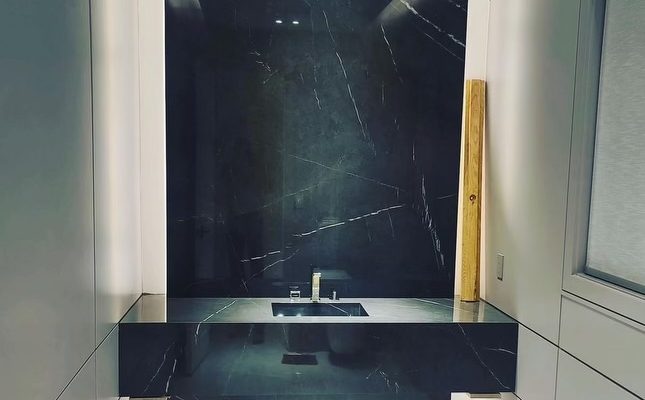
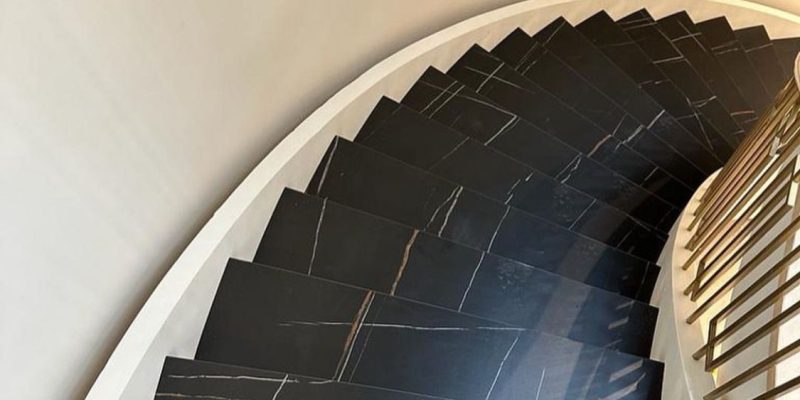
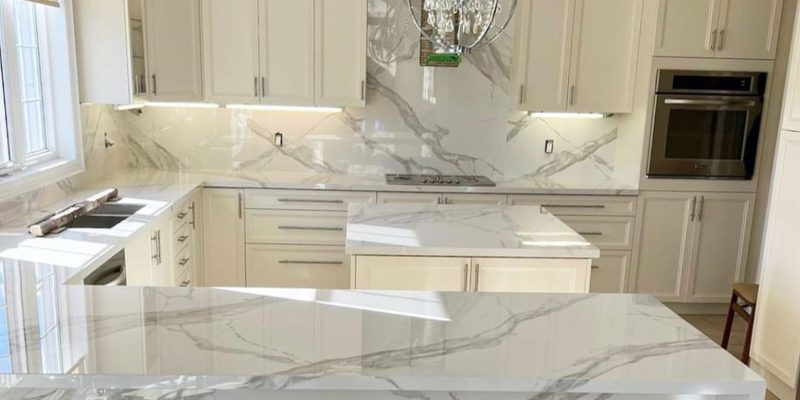
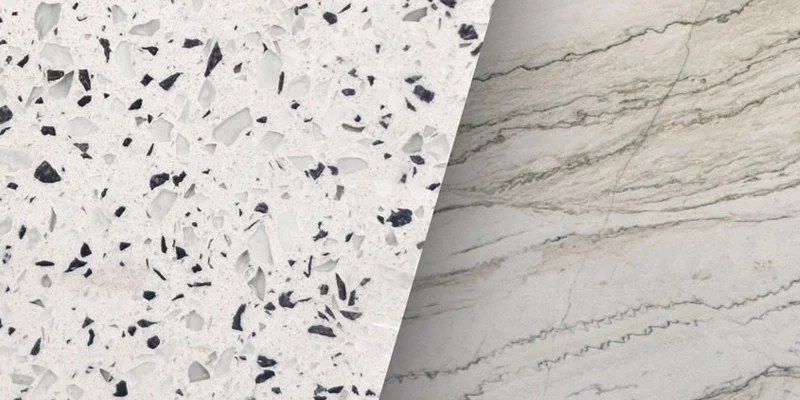
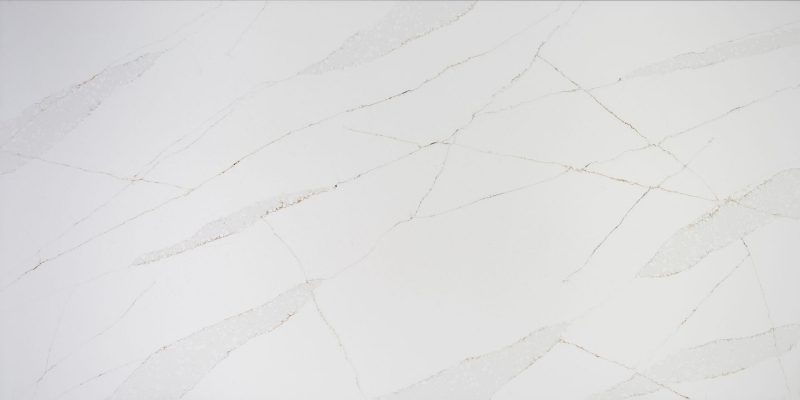
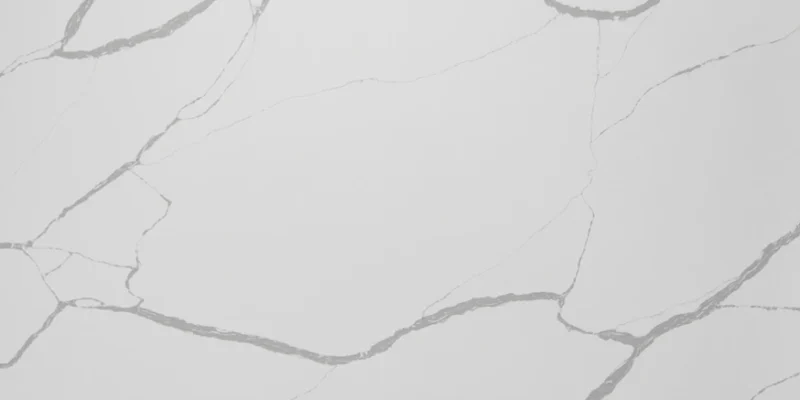
In Toronto’s design market, both quartz and quartzite are often chosen for their bright, elegant appearance — especially white and light-grey tones inspired by marble. However, the visual differences become clearer when viewed up close.
Quartz offers consistent veining, predictable patterns, and a wide range of finishes. This makes it ideal for:
Because quartz patterns are engineered, bookmatching and large kitchen islands are easier to execute with fewer visual surprises.
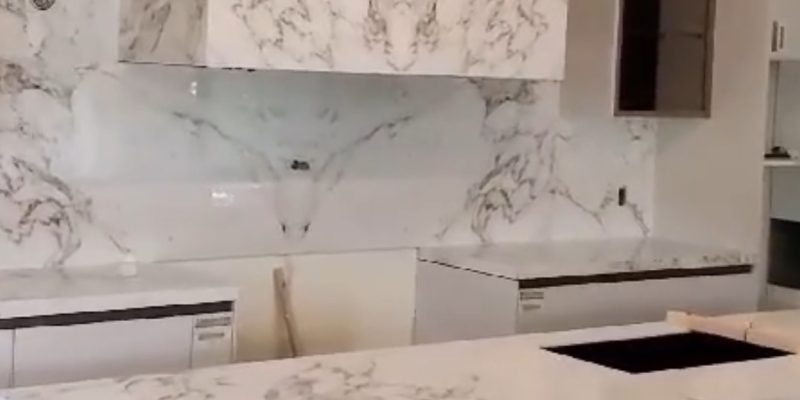
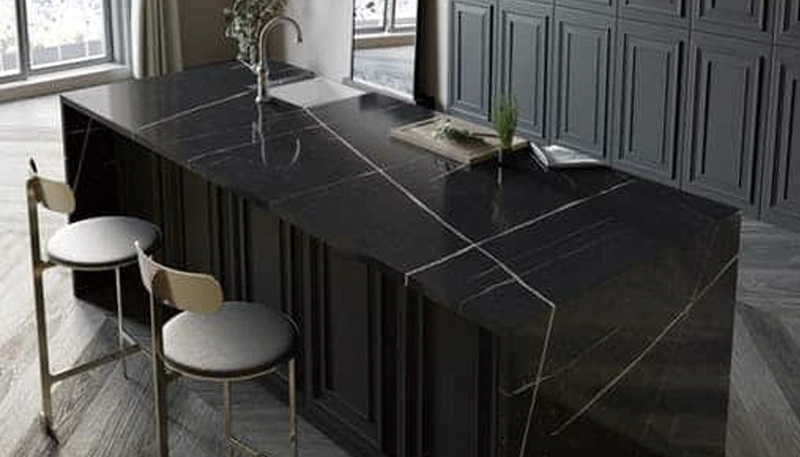
Quartzite delivers natural depth, movement, and organic veining that cannot be replicated by engineered materials. Many quartzite slabs resemble high-end marble but with more texture and visual drama.
Quartzite is often selected for:
Because no two slabs are alike, quartzite installations feel more exclusive — but also require careful slab selection and professional fabrication.
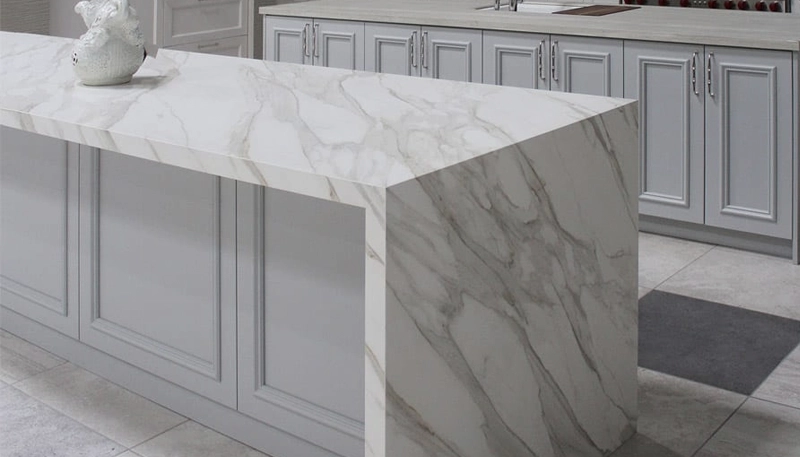
Toronto kitchens are high-use environments. Between frequent cooking, open-concept layouts, family traffic, and condo-specific constraints, material performance matters just as much as appearance.
Quartz is often favored for its low maintenance and predictability, while quartzite appeals to homeowners who prioritize natural beauty and long-term durability. The right choice depends on how you use your kitchen — not just how it looks.
In the next sections, we’ll compare quartz and quartzite based on durability, heat resistance, maintenance, cost in Toronto, and real GTA installation scenarios so you can confidently choose the best surface for your home.
When Toronto homeowners compare quartz vs quartzite countertops, the decision often comes down to how each material performs in real-life kitchens—not showroom conditions. GTA homes experience heavy daily use, frequent cooking, seasonal temperature changes, and high humidity during summer months. Understanding how quartz and quartzite behave under these conditions is critical for making a long-term investment.
Quartzite is a natural stone formed under extreme heat and pressure, ranking 7–8 on the Mohs hardness scale. This makes it one of the hardest countertop materials available in Toronto, even harder than granite. For homeowners who frequently cook, prep food directly on the counter, or use heavy cookware, quartzite offers exceptional resistance to scratches and surface wear.
Quartz countertops, while also durable, are engineered materials composed of crushed quartz and resin binders. They typically rank around 6–7 on the Mohs scale. In everyday use, quartz performs extremely well, but it is slightly more vulnerable to deep scratches compared to quartzite—especially when sharp tools are used without cutting boards.
For busy family kitchens in North York, Markham, Vaughan, and Mississauga, both materials are structurally reliable. However, homeowners seeking maximum natural hardness often lean toward quartzite countertops.
One of the most important performance differences between quartz and quartzite is how they handle heat. Toronto kitchens see heavy use of ovens, stovetops, air fryers, and countertop appliances—making heat resistance a major concern.
Quartzite is naturally heat resistant. Hot pots and pans can be placed directly on the surface without causing damage, making it ideal for homeowners who cook frequently or entertain often. This is especially valuable in open-concept kitchens where islands serve as both prep and serving areas.
Quartz countertops, on the other hand, are heat-resistant but not heat-proof. The resin binders used in quartz can discolor or crack under extreme heat. Using trivets is essential, particularly in high-traffic Toronto condo kitchens where counter space is limited.
If heat resistance is a top priority, quartzite clearly outperforms quartz—especially for kitchen islands. Many homeowners pair quartzite with our Kitchen Island Countertops service to maximize both performance and visual impact.
Quartz is completely non-porous. It does not absorb liquids, oils, or bacteria, making it one of the most stain-resistant countertop materials available. This makes quartz an excellent choice for households with children, rental properties, or homeowners who want minimal maintenance.
Quartzite is porous and requires professional sealing. Without sealing, it can absorb liquids such as wine, oil, or coffee—leading to stains over time. However, when properly sealed and maintained, quartzite performs extremely well even in high-use Toronto kitchens.
At Teccorp Stone, we seal all quartzite slabs using professional-grade penetrating sealers as part of our fabrication process, ensuring long-term protection against staining.
Maintenance is often the deciding factor for GTA homeowners choosing between quartz and quartzite.
For homeowners prioritizing ease of care—especially in downtown Toronto condos or rental properties—quartz is often the more practical choice. For those seeking a natural stone surface with superior heat resistance and long-term durability, quartzite remains unmatched.
In Toronto’s competitive real estate market, countertop performance directly influences resale value. Buyers increasingly look for materials that combine durability with premium aesthetics.
Quartz appeals to the widest buyer audience due to its clean appearance, low maintenance, and modern consistency. Quartzite, however, stands out as a luxury upgrade—particularly in high-end homes in Oakville, Richmond Hill, and Forest Hill.
Choosing between quartz and quartzite ultimately depends on how your kitchen is used daily.
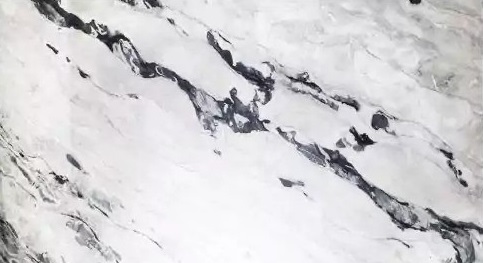
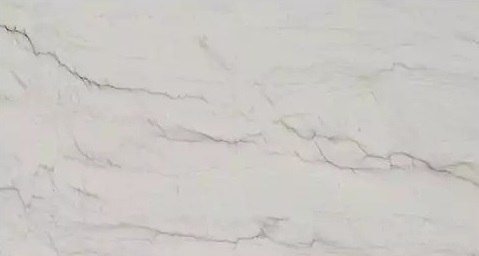

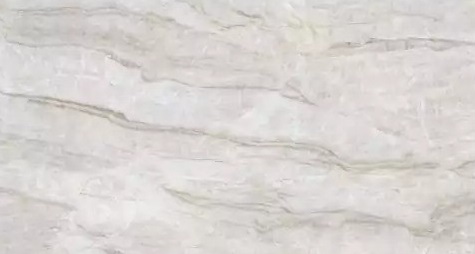











When choosing between quartz and quartzite countertops for Toronto kitchens, performance in real-world conditions matters more than lab specs. Toronto homes experience wide seasonal temperature swings, high indoor humidity in winter, and heavy daily kitchen use—especially in family homes, condos, and open-concept layouts across the GTA.
Quartzite has a clear advantage when it comes to heat resistance. As a natural stone formed under extreme pressure, it can handle hot pots and pans with minimal risk of damage. This makes quartzite a strong option for avid home cooks and gourmet kitchens.
Quartz countertops, while durable, contain resins that can be damaged by direct heat. In busy Toronto kitchens where cooking happens daily, using trivets is essential. For homeowners prioritizing low maintenance over extreme heat tolerance, quartz still performs very well when used correctly.
For full-service installation considerations, see our kitchen countertop installation services in Ontario.
Quartz excels in stain resistance. Its non-porous surface means spills from wine, coffee, oil, or tomato sauce—common in Toronto households—won’t penetrate the surface. This makes quartz especially popular in condos, rental properties, and family kitchens where ease of cleaning is a priority.
Quartzite, while extremely strong, is naturally porous. Without proper sealing, it can absorb liquids and stain over time. Toronto homeowners choosing quartzite should expect periodic sealing to maintain its appearance. Those comfortable with light maintenance will appreciate its natural beauty, but hands-off homeowners may find quartz more practical.
Both materials are highly scratch-resistant, but quartzite is one of the hardest stones used in kitchens, often ranking higher on the Mohs scale than granite. This makes it ideal for heavy-use surfaces and large kitchen islands.
Quartz is also very resistant to scratches, though sharp objects used directly on the surface can still cause damage. Cutting boards are recommended for both materials to preserve long-term appearance.
In Toronto condos, where kitchens are often compact and integrated into living spaces, quartz is frequently the better choice. Its consistent appearance, lower maintenance, and lighter weight make it ideal for high-rise installations.
In detached homes and luxury renovations in areas like North York, Vaughan, and Richmond Hill, quartzite is often chosen for statement islands and high-end designs. Its natural veining creates a focal point that elevates the entire kitchen.
Explore available options in our curated collections: Quartz Countertops | Quartzite Countertops
Both quartz and quartzite add significant resale value in the Toronto real estate market. Quartz appeals to a broader buyer base due to its practicality and modern look, while quartzite attracts luxury buyers looking for natural stone authenticity.
For homeowners planning to sell within 5–10 years, quartz often provides a better balance of cost, durability, and buyer appeal. For long-term homeowners investing in a forever kitchen, quartzite offers unmatched natural character and durability.
Choosing between quartz and quartzite for a Toronto kitchen ultimately depends on how you use your space, your tolerance for maintenance, and the overall design direction of your home. Both materials perform well in the GTA climate, but they serve very different homeowner profiles.
If you are renovating a condo kitchen in Downtown Toronto, North York, or Etobicoke, quartz is often the smarter choice. It offers predictable pricing, consistent patterns, and virtually zero maintenance, making it ideal for busy professionals, rental properties, and smaller kitchens where ease of care matters most. Quartz is also easier to fabricate for integrated backsplashes and waterfall islands, which are common in modern Toronto condo layouts.
For larger homes in areas such as Oakville, Vaughan, Richmond Hill, Aurora, and King City, quartzite becomes more attractive. Homeowners in these areas often prioritize natural materials, unique stone character, and long-term resale value. Quartzite delivers a true stone look with dramatic veining that cannot be replicated by engineered surfaces, making it a standout choice for luxury kitchens and statement islands.
In many Toronto homes, the most effective solution is a hybrid approach. For example, using quartz on perimeter countertops for easy maintenance while installing quartzite on the kitchen island creates a perfect balance between practicality and visual impact. This approach is increasingly popular in high-end renovations across the GTA.
If you are also planning an island upgrade, explore our Kitchen Island Countertops in Toronto service to see how quartz and quartzite perform in large-format designs.
Toronto’s seasonal humidity changes and winter dryness affect natural stone more than engineered surfaces. Quartzite requires sealing to protect against moisture absorption and staining, especially during winter months when indoor heating reduces humidity. With proper sealing once or twice per year, quartzite performs exceptionally well in Ontario homes.
Quartz, on the other hand, remains completely non-porous and unaffected by humidity changes, making it an excellent choice for homeowners who prefer a worry-free surface. For families with children or high daily kitchen usage, this difference alone often justifies choosing quartz.
From a resale perspective, both materials add value, but in different ways. Quartz appeals to the widest range of buyers due to its clean look and ease of care, making it a safe choice for resale-focused renovations. Quartzite, however, attracts buyers looking for luxury and uniqueness, particularly in higher-end Toronto neighbourhoods.
If your renovation goal is to maximize buyer appeal across the GTA, quartz is typically the safest investment. If your goal is to create a standout kitchen that differentiates your home in a competitive luxury market, quartzite delivers unmatched natural beauty.
Regardless of which material you choose, fabrication quality plays a critical role in long-term performance. Improper cutting, weak seams, or incorrect installation can cause issues even with premium stone. At Teccorp Stone, all quartz and quartzite countertops are fabricated in-house using precision CNC equipment, ensuring clean edges, tight seams, and flawless installations across Toronto and the GTA.
To compare these materials in real-life applications, we recommend reviewing our Kitchen Countertop Projects Gallery, where you can see both quartz and quartzite installations in completed Toronto homes.
If you’re unsure whether quartz or quartzite is the better fit for your kitchen, a professional consultation can save you time, money, and future maintenance headaches. Our team helps Toronto homeowners compare slabs, understand real pricing, and choose the right surface based on lifestyle and design goals.
👉 Request a Free Kitchen Countertop Consultation in Toronto & GTA and let our experts help you select the perfect countertop material for your home.