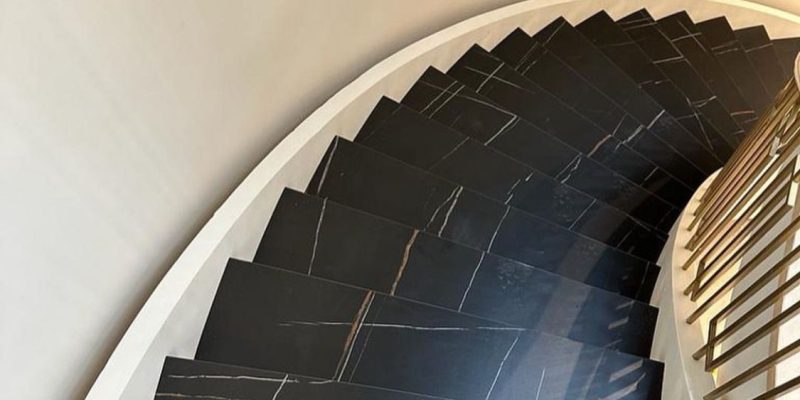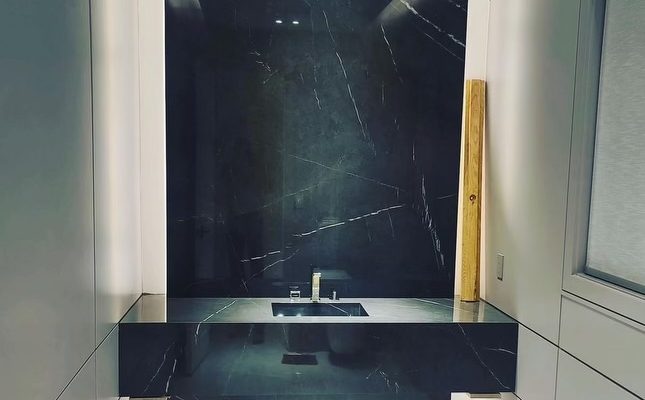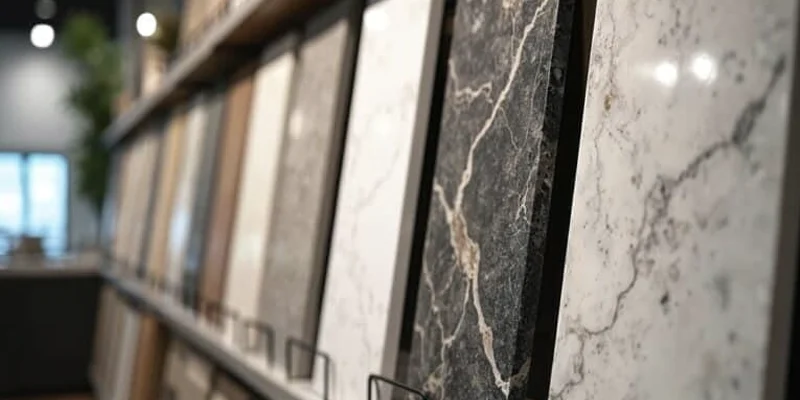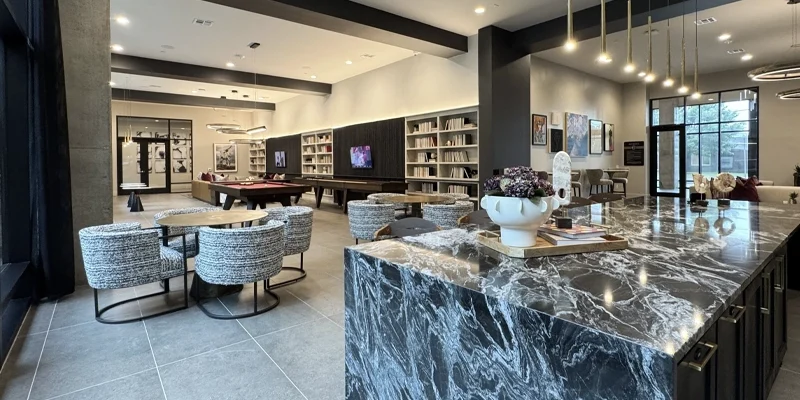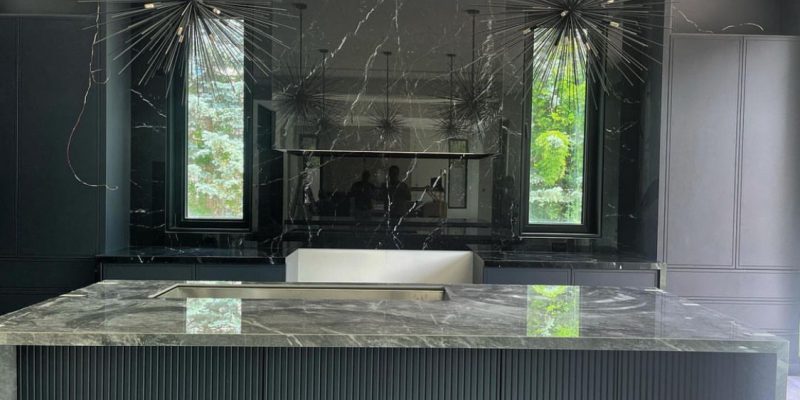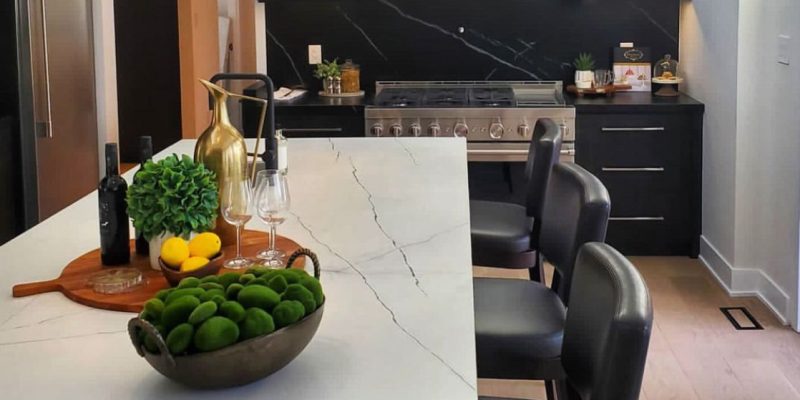
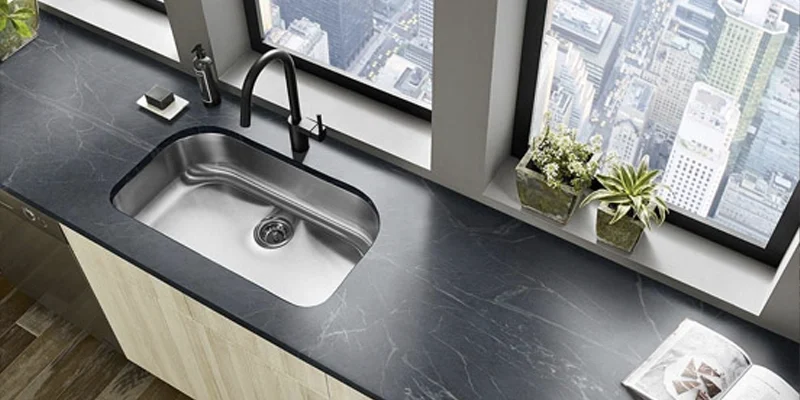
Soapstone countertops pros and cons should be evaluated according to how the material actually behaves in a working kitchen—not only by whether it is described as durable or low-maintenance. Soapstone has very low liquid absorption, strong heat and acid resistance, a smooth matte feel and a natural patina that develops with use. It is also softer than granite and quartzite, so scratches, edge marks and tonal variation should be expected.
For some homeowners, that evolving appearance is the main attraction. For others, visible wear and a limited colour range make soapstone less suitable than granite, quartz or porcelain. The right choice depends on whether you want a surface that develops character or one that remains more visually consistent.
This guide explains what soapstone is, its main advantages and disadvantages, how mineral oil affects its appearance, how to care for scratches and where the material works best in kitchens, vanities and custom stone applications.
Quick Answer
Soapstone is a strong choice for homeowners who want a natural matte surface with very low absorption, excellent heat performance and no routine penetrating sealer. Its main trade-off is softness: scratches, small dents and colour changes may become visible over time. Choose soapstone if you welcome patina and natural ageing; avoid it if you want a bright, glossy or highly uniform countertop.
Architectural soapstone is a natural metamorphic stone containing talc along with other minerals such as magnesite, chlorite and amphiboles. The amount of talc varies, which is one reason different slabs can feel and perform differently.
Countertop-grade soapstone is selected for architectural use, but it remains softer than granite and quartzite. Its lower hardness creates the smooth, tactile surface associated with the material and also explains why scratches and small dents are more likely to appear.
Soapstone is often described as soft or “soapy” to the touch. This does not mean that it is fragile in ordinary countertop use. It means the surface can be marked more easily by metal objects, appliance feet, rough ceramics and concentrated impact.
The material’s dense structure gives it very low liquid absorption. As a result, countertop soapstone generally does not require a penetrating sealer to manage common kitchen spills.
Performance still varies between slabs. The selected material, thickness, veins, fabrication details and support system should be reviewed for the actual project rather than assuming every soapstone product is identical.
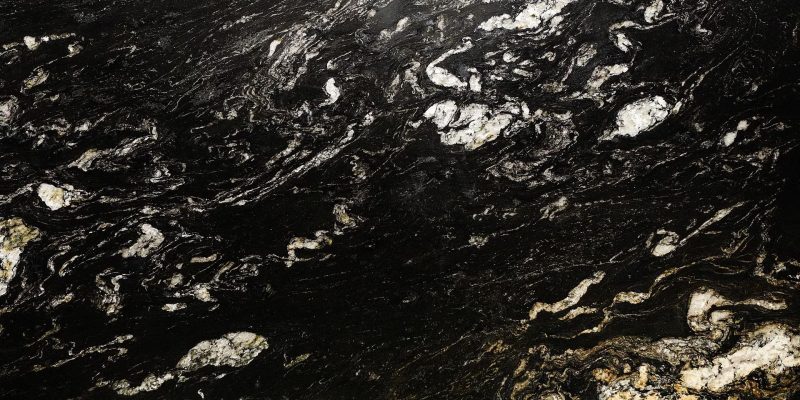
Soapstone has a more limited palette than granite, marble or engineered quartz. Common colours include:
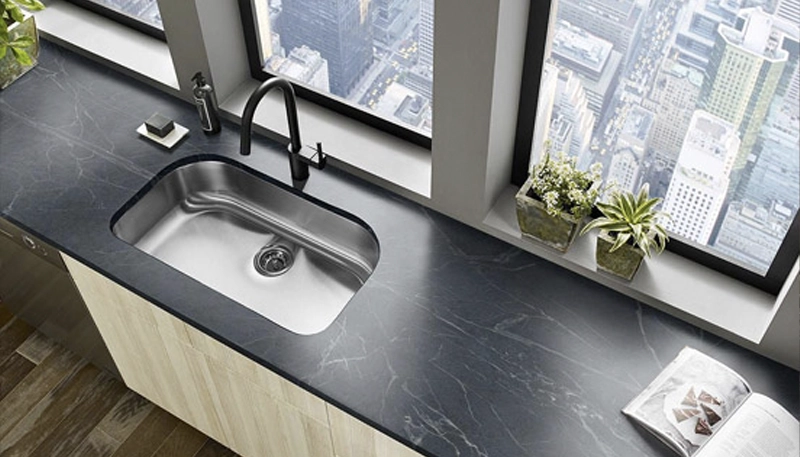
The standard appearance is usually honed or matte. Soapstone is not normally selected for a bright reflective finish. Its subdued colour and low sheen work well with natural wood, painted cabinetry, traditional kitchens and restrained contemporary interiors.
The full slab should be reviewed before fabrication because vein direction, colour distribution and mineral variation may look different across a large island or long countertop run than they do in a small sample.
Soapstone does not remain visually static. Contact with cooking oils, hands, cleaners and normal kitchen activity can darken parts of the surface and create a developing patina.
Some homeowners allow this change to happen naturally. Others apply a compatible mineral oil or soapstone treatment to darken the slab more quickly and reduce the contrast between newer and frequently used areas.
This treatment is optional. It does not seal, strengthen or harden the stone. Its purpose is visual: it temporarily deepens the colour and can make tonal differences less noticeable.
Soapstone offers a distinctive combination of low absorption, heat performance and natural character. Its advantages are most meaningful for homeowners who understand that durability does not always mean resistance to visible scratches.
Soapstone’s dense structure absorbs very little liquid compared with many natural countertop stones. Common kitchen spills are therefore less likely to penetrate deeply into the material.
Wine, coffee, oil and strongly coloured foods should still be cleaned promptly. Residue can remain on the surface, and oily contact may create temporary darkening even when the stone is not permanently stained.
Very low absorption also makes soapstone practical around sinks, preparation areas and bathroom vanities when seams, caulking and supporting construction are correctly detailed.
Soapstone is well known for heat-related applications and generally performs well around cookware and cooking appliances. It is also more resistant to common household acids than calcite-based materials such as marble.
Lemon juice, vinegar and tomato-based foods do not normally create the same etching reaction seen on marble. However, the surface should still be cleaned with mild products, and trivets remain a sensible way to protect seams, caulking, nearby cabinetry and repaired areas.
For homeowners planning active kitchen countertops in Toronto, this combination of low absorption and heat performance is one of soapstone’s strongest functional advantages.
Soapstone generally does not need a penetrating stone sealer. This removes one maintenance decision that may apply to some granite, marble and quartzite slabs.
Mineral oil should not be confused with sealer. Oil changes the appearance but does not create stain protection, acid resistance or a harder surface.
Soapstone has a calm, tactile character that is difficult to reproduce with polished stone. Its low sheen can reduce glare and provide contrast beside painted cabinets, metal fixtures and natural wood.
It is especially suited to homeowners who prefer material depth and texture over high gloss or dramatic manufactured patterns.
Because soapstone is softer, some shallow scratches and uneven surface marks may be reduced through controlled refinishing. This can be an advantage compared with harder materials where certain marks are more difficult to blend.
Refinishing is not automatically a simple DIY task. The grit, pressure and treated area must match the existing finish. Incorrect sanding can leave a patch with different texture, colour or sheen, so deeper marks and visible edge damage are better assessed by a stone professional.
Main Advantage
Soapstone combines very low absorption, strong heat performance and simple routine cleaning. Its practicality is highest when the owner also accepts scratches, tonal variation and patina as normal characteristics of the material.
The same softness and evolving appearance that attract some homeowners can be disadvantages for others. The next section explains where soapstone requires compromise and which expectations may not match the material.
Soapstone is practical in many kitchens, but its benefits come with a different type of wear than homeowners may expect from granite, quartzite or engineered quartz. Its softer surface, restricted colour palette and developing patina should be considered before the slab is selected.
Soapstone is softer than most common countertop materials. Metal tools, rough-bottomed appliances, heavy cookware and objects dragged across the surface may leave scratches or shallow dents.
These marks do not necessarily affect the countertop’s function, but they can alter its appearance. Scratches may initially appear lighter than the surrounding stone, particularly after the surface has darkened naturally or through mineral oil treatment.
Homeowners who want the countertop to remain visually uniform may find this frustrating.
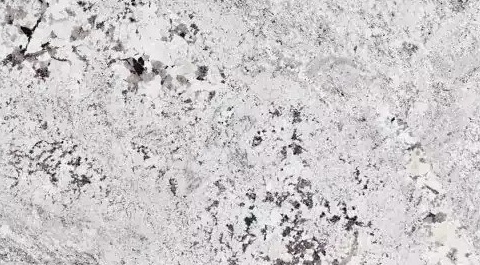


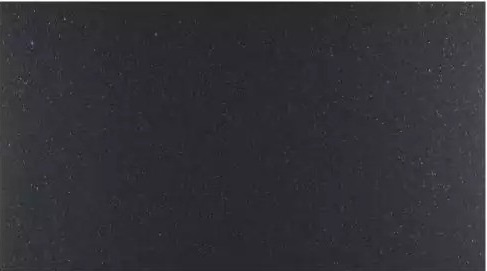
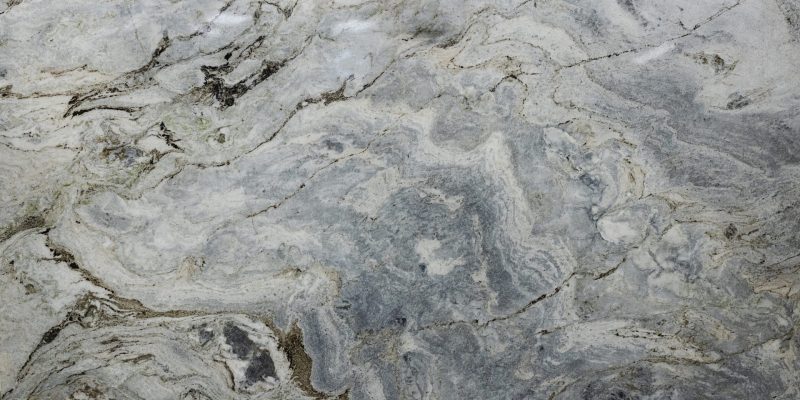
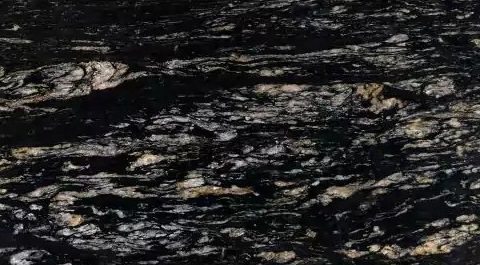



Practical precautions include:
Soapstone does not offer the broad colour range available in granite, quartz or porcelain. Most countertop-grade slabs remain within grey, charcoal, near-black and occasional green-grey tones.
Veining can vary from subtle to relatively prominent, but homeowners looking for bright white backgrounds, warm beige tones, blue movement or highly dramatic patterns may need to consider another material.
The limited palette is an advantage in understated interiors, but it can restrict coordination with some cabinet colours, flooring or decorative concepts.
Soapstone gradually changes through handling, cooking oils, cleaning and everyday use. Frequently touched areas may darken sooner than protected sections, creating temporary variation across the countertop.
Mineral oil or a compatible soapstone treatment may make the colour appear darker and more even, but the effect will change as the product wears away. Maintaining an artificially uniform dark appearance may therefore involve occasional reapplication.
Homeowners who prefer a surface that remains close to its original showroom appearance may be better served by granite, porcelain or engineered quartz.
Soapstone inventory is generally narrower than granite or engineered quartz inventory. Finding a specific colour, slab dimension, vein pattern or matching set of slabs may require more planning.
Limited availability can affect:
The exact slab should be reviewed before finalizing the kitchen layout. Designing around a material that has not yet been selected can create unnecessary seams, waste or compromises in vein placement.
Soapstone is naturally matte, subdued and tactile. It works well in farmhouse, traditional, transitional, heritage and restrained contemporary interiors.
It may be less suitable when the design calls for:
Main Trade-Off
Soapstone simplifies sealing and stain management, but it requires greater acceptance of scratches, dents and visible ageing. It is low-maintenance from a protection standpoint—not visually maintenance-free.
Routine soapstone care is straightforward because the material has very low liquid absorption and generally does not need penetrating sealer. Maintenance is primarily about cleaning residue, preventing avoidable scratches and deciding how you want the surface to age.
For ordinary cleaning:
Strong chemical cleaners are usually unnecessary. Abrasive powders and rough scouring pads can change the texture of the finish, while waxes and generic countertop polish may create uneven sheen or residue.
Although soapstone generally resists common household acids, spills should still be cleaned promptly. Coffee, wine, cooking oils and sauces can leave surface residue or temporary dark areas even when they do not penetrate deeply.
Countertop-grade soapstone generally does not require a penetrating sealer. Its low absorption is an inherent material characteristic rather than protection created by a surface treatment.
Applying a conventional stone sealer without confirming compatibility may change the appearance or leave residue. Products used on granite, marble or quartzite should not automatically be applied to soapstone.
No. Mineral oil is optional and is applied for appearance rather than protection. It temporarily darkens the stone and can reduce the contrast between areas that have developed patina at different rates.
There is no mandatory schedule. Application frequency depends on:
Mineral oil does not harden the surface, prevent scratches or act as a permanent coating. Excess product should not be left as an oily film.
Light scratches may become less noticeable as the surrounding soapstone darkens. Some marks can also be blended through controlled refinishing, but the appropriate method depends on the depth of the damage and the existing finish.
Before attempting any abrasive repair:
Incorrect sanding can leave a patch that differs in colour, texture or sheen from the surrounding countertop.
Soapstone’s heat performance and low absorption do not eliminate the need to protect the complete countertop assembly. Seams, sink openings, narrow stone sections and exposed corners can still be affected by impact or inadequate support.
Use trivets beneath very hot cookware to protect adhesives and surrounding materials. Avoid standing or sitting on the countertop, and do not place concentrated loads near overhangs or cutouts.
Caulking around sinks and walls should be inspected periodically. Soapstone may resist moisture, but cabinetry, substrates and adjoining construction can still be damaged by plumbing leaks or failed joints.
Once the expected wear and care requirements are understood, the next question is where soapstone performs best and which homeowners are most likely to appreciate its developing character.
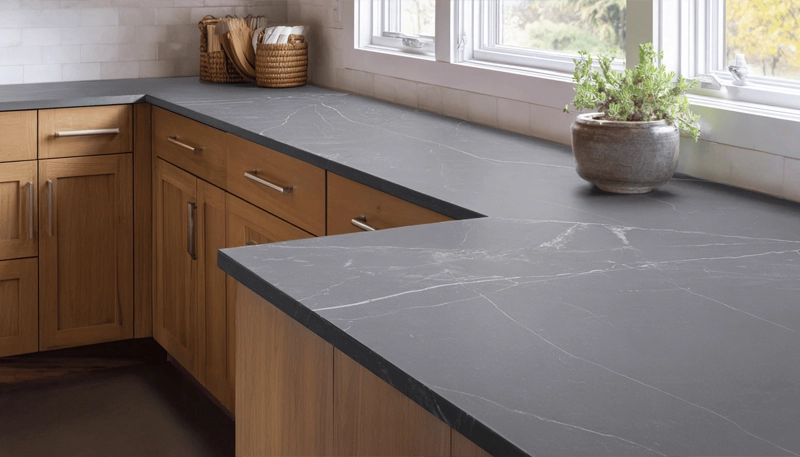
Soapstone works best where low liquid absorption, heat performance and a developing matte patina matter more than maximum scratch resistance or broad colour selection. It can cover a complete countertop layout, but the owner should expect gradual darkening and visible surface wear.
Soapstone suits active kitchens because common food acids do not normally etch it like calcite-based stones such as marble. Its low absorption also makes everyday spills easier to manage.
For full kitchen countertops in Toronto, slab layout should account for sink openings, seams, appliances and exposed edges. Cutting boards and protective pads remain important because knives, metal tools and rough appliance bases can scratch the softer surface.
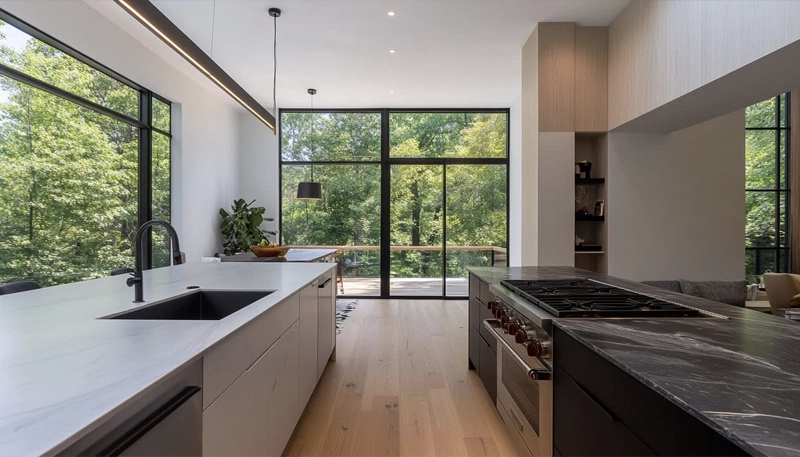
Soapstone can also create a practical kitchen island countertop. Large islands display subtle veining effectively, while seating overhangs, cooktops and heavy appliances require suitable support and fabrication planning.
Very low absorption makes soapstone suitable for bathroom vanity countertops, although plumbing leaks and failed caulking can still damage cabinetry and surrounding construction.
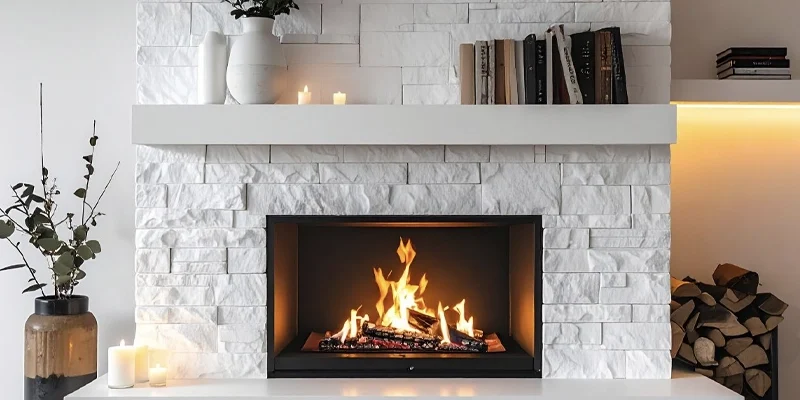
Soapstone may also be used for appropriate fireplace surrounds, shelves, benches, backsplashes and other custom stone features. Heat-related installations must follow the appliance manufacturer’s clearances and use compatible support and installation materials.
Soapstone is a strong fit for homeowners who value natural character more than visual perfection. Consider it when you:
A harder or more consistent material may be preferable when you:
For a direct comparison with a harder natural stone, review soapstone vs granite countertops.
| Advantages | Considerations |
|---|---|
| Very low liquid absorption | Softer and easier to scratch |
| Strong heat and acid resistance | Limited colour and finish range |
| Usually no penetrating sealer | Develops patina and tonal variation |
| Simple routine cleaning | Inventory may be more limited |
Countertop-grade soapstone generally does not require penetrating sealer. Mineral oil is an optional appearance treatment, not a sealer.
It scratches more readily than granite or quartzite. Some shallow marks may be blended through controlled refinishing.
Permanent absorption stains are less common because soapstone absorbs very little liquid. Oils and residue can still create temporary dark areas.
Soapstone performs well around heat, but trivets are still recommended to protect seams, sealants, cabinetry and repaired areas.
No. It only darkens the surface and reduces visible tonal variation. The stone may instead be allowed to develop patina naturally.
Yes, when the owner accepts scratches and patina. Its low absorption and acid resistance support active cooking, while its softer surface requires careful handling.
Soapstone is best understood as a surface that gains character rather than remaining visually unchanged. Its low absorption, heat performance and matte texture make it practical for kitchens, islands, vanities and selected architectural features when the owner accepts scratches and patina.
Review the actual slab, application, edge details, cutouts and support requirements before fabrication. TecCorp Stone can help evaluate available soapstone for projects in Toronto and the GTA.