Choosing between a stone backsplash and traditional tile is one of the most important design and performance decisions in modern Ontario kitchens. The backsplash is no longer just a protective surface behind sinks and cooktops—it has become a defining visual element that connects countertops, cabinetry, and overall kitchen architecture. For homeowners in Toronto and across the GTA, the decision between stone and tile impacts maintenance, durability, aesthetics, and long-term property value.
As kitchen designs move toward cleaner lines, open layouts, and slab-based materials, stone backsplashes are increasingly compared with classic tile solutions. Understanding the real differences between these two options helps homeowners make an informed choice that aligns with lifestyle, budget, and design expectations.
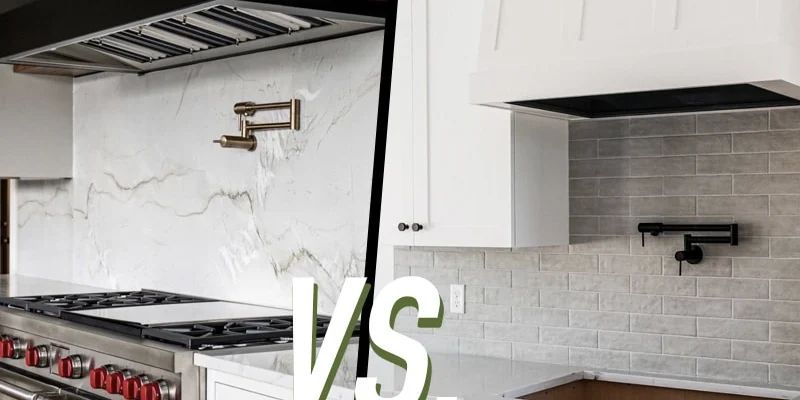
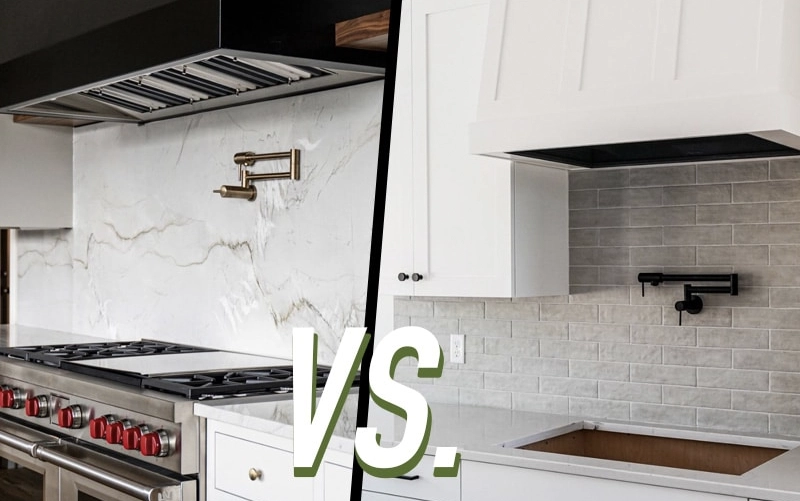
The fundamental difference between stone and tile backsplashes lies in construction and visual continuity. Tile backsplashes are composed of multiple individual pieces separated by grout lines, while stone backsplashes are typically fabricated from large slabs or panels with minimal seams.
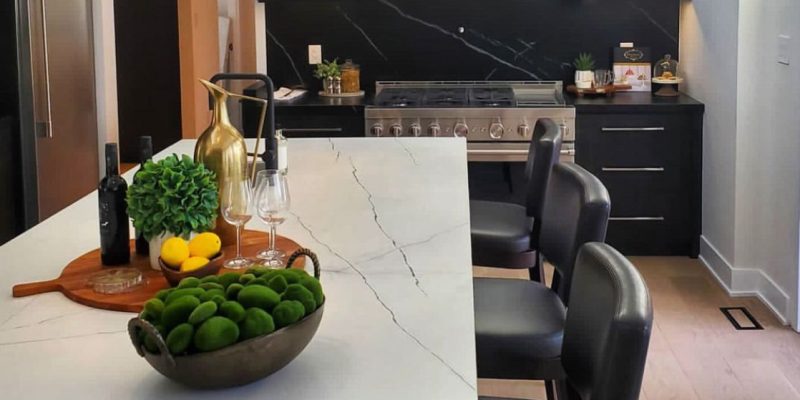
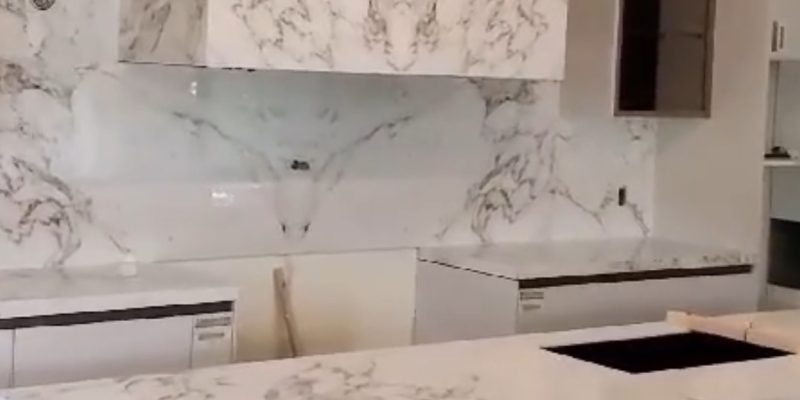
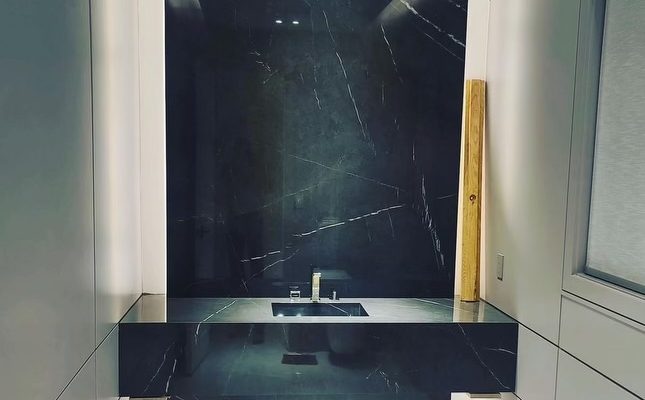
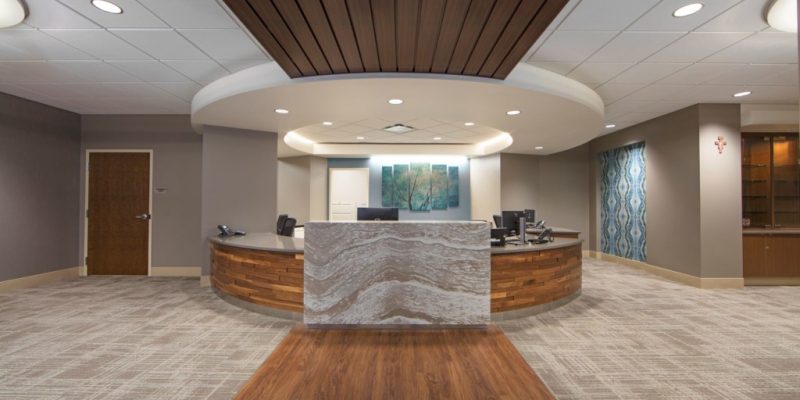
Stone backsplashes—often made from quartz, porcelain, granite, or marble—create a seamless surface that visually extends the countertop up the wall. This slab-based approach is especially popular in Toronto kitchens that prioritize minimalism and architectural flow.
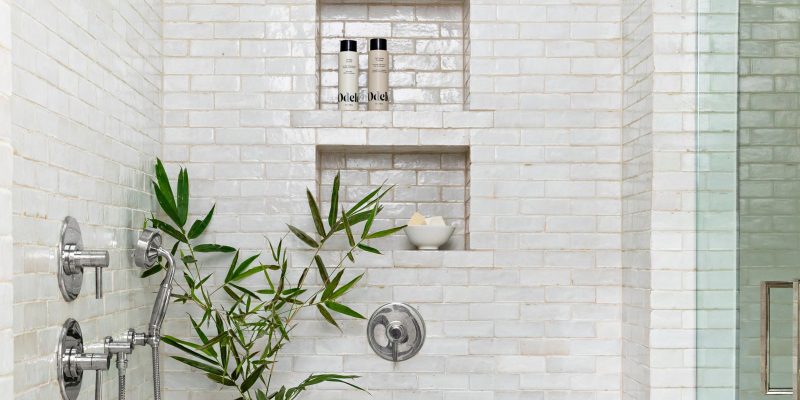
Tile backsplashes, on the other hand, offer more pattern variety and decorative flexibility. Subway tile, mosaic tile, and textured ceramic options allow for intricate designs and color combinations. However, this visual complexity can sometimes compete with countertops rather than complement them.
From a performance perspective, stone backsplashes provide a solid, non-fragmented surface that reduces weak points. Tile installations introduce dozens—or hundreds—of grout joints that require ongoing care and can become vulnerable over time.
Maintenance is one of the most significant differentiators between stone and tile backsplashes in Ontario kitchens. Tile backsplashes rely heavily on grout, which is porous by nature and prone to staining, discoloration, and mold growth—especially behind sinks and cooktops.
Even when sealed, grout requires periodic maintenance. In busy Toronto households, this often becomes a long-term inconvenience rather than a minor upkeep task. Grease splatter, steam, and food residue accumulate in grout lines and demand regular scrubbing.
Stone backsplashes, particularly those made from engineered materials like quartz or porcelain, offer a much lower-maintenance alternative. These materials are non-porous, easy to wipe clean, and resistant to staining. Even natural stones such as granite perform well when properly sealed.
For homeowners already using slab surfaces for kitchen countertops, extending the same material into the backsplash simplifies cleaning routines and creates a unified maintenance profile throughout the kitchen.
Visual continuity is where stone backsplashes clearly outperform tile in modern kitchen design. Using the same slab material for both the countertop and backsplash creates a cohesive, uninterrupted surface that enhances spatial flow.
This design approach is particularly effective in open-concept Ontario homes, where the kitchen is visually connected to dining and living areas. A continuous stone surface reduces visual clutter and strengthens the overall architectural language of the space.
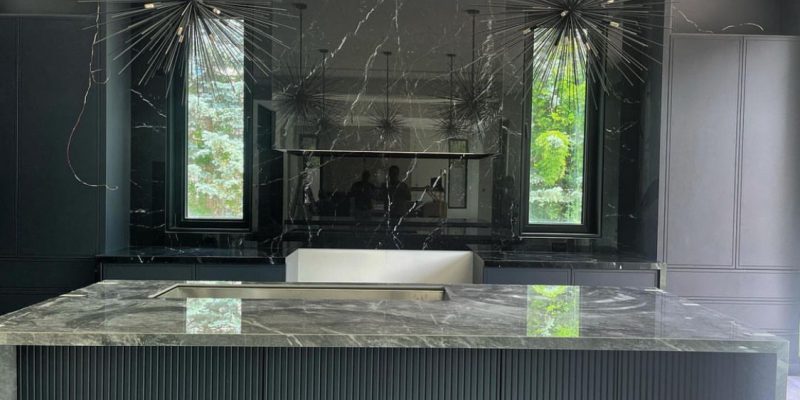
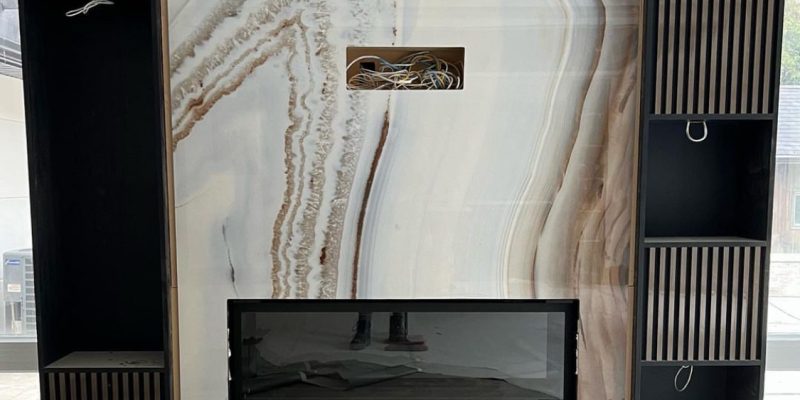
Stone backsplashes also allow natural veining, color movement, and texture to extend vertically. This effect is highly valued in quartz, marble, and quartzite installations, where the stone itself becomes a design feature rather than a background element.
Tile backsplashes can still work well in transitional or traditional kitchens, but in contemporary Toronto condos and new-build homes, they often feel visually segmented compared to slab installations.
Cost is often cited as the main reason homeowners consider tile over stone. While tile materials may appear less expensive at first glance, total installed cost tells a more nuanced story.
Tile backsplashes involve labor-intensive installation, precise spacing, grouting, sealing, and finishing. Complex patterns or specialty tiles can significantly increase labor costs. Over time, grout maintenance and potential repairs add to the total cost of ownership.
Stone backsplashes typically involve higher material costs, especially when premium slabs are used. However, fabrication is often done alongside countertop production, which streamlines templating and installation.
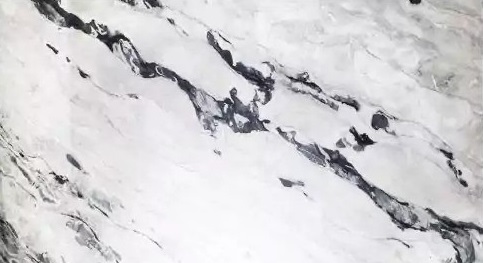
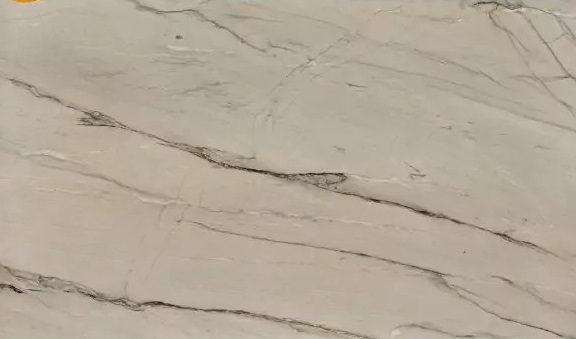
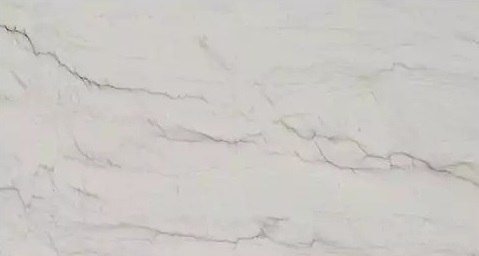





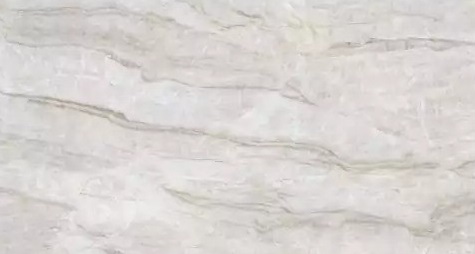



For homeowners already investing in stone fabrication through custom stone services, adding a stone backsplash is often a cost-efficient upgrade that maximizes visual impact without duplicating trade work.
In modern Ontario kitchens, the choice between stone and tile comes down to priorities. Tile remains a viable option for budget-conscious projects, decorative accents, or traditional design styles.
However, for homeowners seeking a clean, contemporary look with minimal maintenance and strong resale appeal, stone backsplashes are increasingly considered the superior option. They align with current design trends, perform better in high-use environments, and integrate seamlessly with slab countertops and islands.
In Toronto’s competitive real estate market, kitchens that feature stone backsplashes are often perceived as higher quality and more thoughtfully designed. This perception translates directly into stronger buyer interest and long-term value.
Ultimately, the best backsplash is one that supports how the kitchen is used, how it is maintained, and how it fits into the broader design vision of the home.
Durability plays a critical role when choosing between a stone backsplash and tile, especially in Ontario kitchens that experience frequent cooking, seasonal humidity changes, and heavy daily use. While both options are designed to protect kitchen walls, their long-term performance differs significantly under real-world conditions.
Tile backsplashes rely on the strength of individual tiles and the integrity of grout lines. Over time, grout can crack, discolor, or weaken due to moisture exposure, temperature fluctuations, and regular cleaning. In high-use Toronto kitchens, these issues often appear within a few years, leading to visible wear even when the tiles themselves remain intact.
Stone backsplashes, particularly slab installations, eliminate most of these weak points. With fewer seams and no grout joints, stone surfaces offer greater structural stability and resistance to long-term degradation. This makes stone a reliable option for kitchens that see frequent use or are exposed to high heat and steam.
Ontario kitchens are exposed to a wide range of environmental conditions, from dry winter air to humid summers. Cooking activities generate heat, steam, and condensation, all of which affect backsplash materials over time.
Tile performs reasonably well in these conditions, but grout lines remain vulnerable. Steam can penetrate grout, especially if sealing is inconsistent, leading to mold growth or weakening adhesion behind the tiles.
Stone backsplashes—especially those made from porcelain or quartz—handle heat and moisture exceptionally well. These materials are engineered or naturally dense, preventing moisture absorption and maintaining surface integrity even in high-humidity environments.
For kitchens with frequent cooking or professional-grade appliances, pairing a stone backsplash with durable porcelain surfaces or quartz countertops creates a heat-resistant and moisture-stable system that performs consistently year after year.
Tile backsplashes offer flexibility in color, pattern, and layout, making them appealing for homeowners who want decorative detail or a specific visual motif. Herringbone patterns, textured ceramics, and colorful mosaics can add personality to a kitchen.
However, stone backsplashes offer a different kind of design flexibility—one rooted in scale, material continuity, and customization. Large-format slabs allow designers to highlight natural veining, bookmatched patterns, or subtle textures that are impossible to replicate with tile.
Custom stone fabrication enables precise cutouts for outlets, shelves, and integrated features, resulting in a cleaner, more intentional look. This level of precision is especially valuable in modern Toronto kitchens where visual simplicity and craftsmanship are prioritized.
In the Ontario real estate market, kitchens remain one of the strongest drivers of buyer interest and perceived property value. Design choices that signal quality, durability, and modernity often translate into faster sales and stronger offers.
Tile backsplashes are familiar and widely accepted, but they rarely stand out as a premium feature. In contrast, stone backsplashes are increasingly associated with high-end kitchens and thoughtful design execution.
Buyers touring homes in Toronto and the GTA often interpret slab backsplashes as an extension of the countertop investment, reinforcing the idea that the kitchen was designed holistically rather than assembled from separate components.
This perception aligns well with properties that already feature stone surfaces in key areas such as kitchen islands or custom vanities, creating a cohesive narrative of quality throughout the home.
Despite the advantages of stone backsplashes, tile remains a practical choice in certain scenarios. Budget-conscious renovations, rental properties, or kitchens with highly decorative themes may benefit from tile’s lower upfront cost and stylistic variety.
Tile is also well suited for accent areas, such as behind open shelving or in secondary kitchens, where visual detail is prioritized over seamless continuity.
The key is understanding the role the backsplash plays within the overall kitchen design. When the backsplash is meant to blend and support the countertops, stone is often the better choice. When it is intended to stand out as a decorative element, tile may still be appropriate.
The decision between stone and tile should be guided by how the kitchen is used, how it is maintained, and how it fits into the long-term vision for the home. Ontario homeowners who prioritize low maintenance, durability, and modern design increasingly lean toward stone backsplashes.
Those planning comprehensive kitchen upgrades often integrate backsplash decisions early in the design process, ensuring alignment with countertop material, cabinetry, and layout. This integrated approach leads to better performance and a more cohesive final result.
For homeowners seeking expert guidance, working with a fabricator that understands both material behavior and installation precision is essential. Professional planning ensures the chosen backsplash performs well, looks intentional, and enhances the kitchen for years to come.
Whether stone or tile, the best backsplash is one that supports the kitchen’s function, complements its design, and adds lasting value to the home.