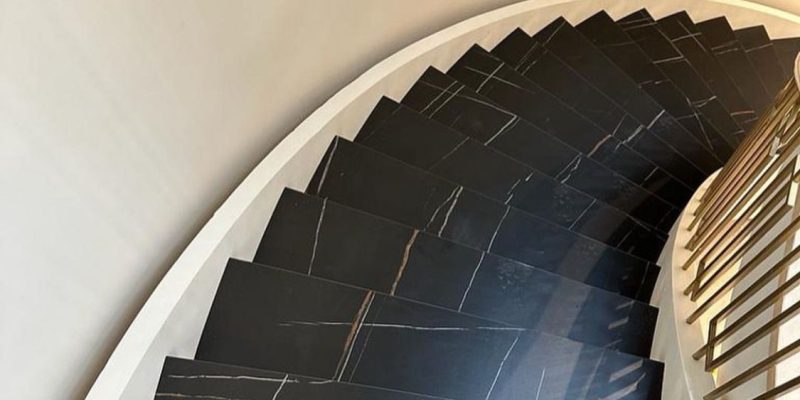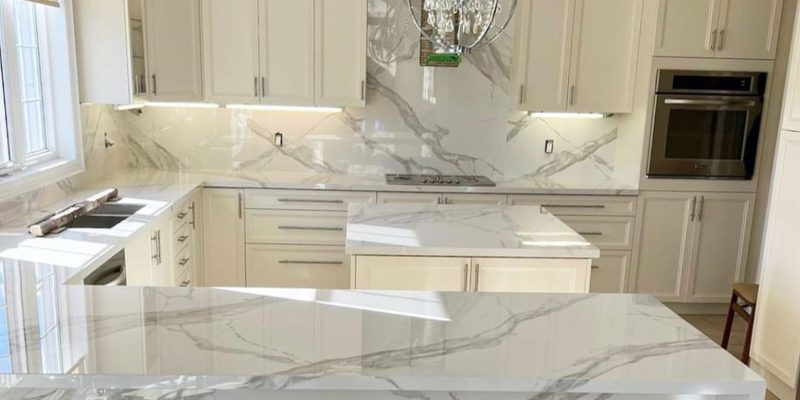
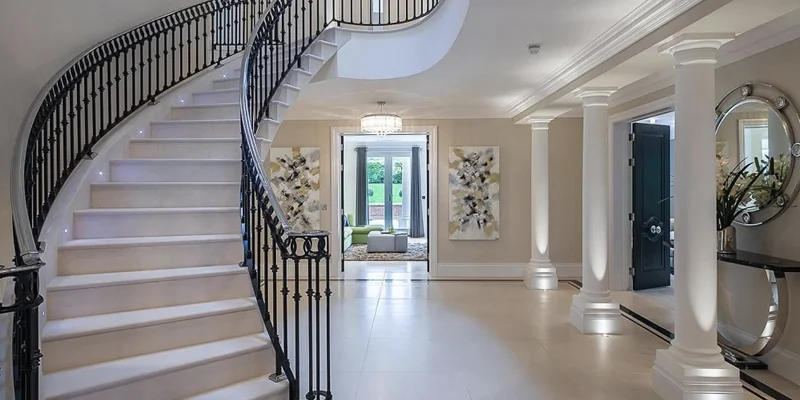
Stone stairs in Toronto have become a defining architectural feature in both residential and commercial properties, offering a balance of durability, safety, and refined visual impact that traditional materials struggle to match. In a city where properties face heavy daily use, fluctuating temperatures, and high design expectations, stone staircases provide a long-term solution that performs reliably while enhancing overall property value.
Unlike wood or laminate stairs, which are vulnerable to moisture, wear, and structural movement, professionally fabricated stone stairs maintain their integrity for decades. Toronto homeowners increasingly choose stone staircases not only for aesthetics but also for performance, especially when integrating them with other stone elements such as kitchen countertops or architectural features throughout the home.
One of the primary reasons stone stairs outperform wood is structural stability. Wood staircases can expand, contract, squeak, or warp due to Toronto’s seasonal humidity and temperature changes. Stone, when correctly selected and installed, remains dimensionally stable regardless of climate fluctuations.
From a durability standpoint, stone stairs resist surface damage far better than wood. Scratches, dents, and finish wear are common issues with wooden stairs in high-traffic Toronto homes, especially those with children or pets. Stone materials such as granite, porcelain, and quartzite maintain their surface quality even under constant foot traffic.
Stone stairs also contribute to long-term cost efficiency. While the initial investment may be higher than wood, stone eliminates the need for frequent refinishing, repair, or replacement. In properties where stairs are central visual elements—such as open-concept layouts or entry foyers—stone provides a premium, permanent solution.
Stone stairs in Toronto are used across a wide range of interior and exterior applications, each with distinct functional and material requirements. Interior stone staircases are often designed as architectural focal points, while exterior stairs prioritize safety, weather resistance, and structural performance.
Interior stone stairs are commonly installed in foyers, multi-level living spaces, and modern open-concept homes. These staircases often coordinate with interior stone surfaces such as fireplace stone work or flooring to create a cohesive design language throughout the home. Visual continuity is a key design driver, with consistent stone finishes enhancing spatial flow.
Exterior stone stairs, on the other hand, must withstand snow, ice, rain, and freeze–thaw cycles typical of Toronto winters. For this reason, exterior applications focus heavily on material density, surface texture, and drainage design to ensure long-term safety and durability.
Safety is one of the most critical considerations in stone stair design, particularly in a city like Toronto where outdoor stairs are frequently exposed to moisture and ice. Slip resistance is not determined by material alone but by surface finish, edge profiling, and installation technique.
Textured or honed finishes are commonly used for exterior stone stairs to improve traction, while polished finishes are typically reserved for interior applications where moisture exposure is minimal. Proper nosing design and consistent tread depth also play a crucial role in preventing slips and trips.
In commercial or multi-unit residential buildings, stone stairs must often comply with specific safety and accessibility standards. Custom fabrication allows stair dimensions and finishes to be tailored precisely to these requirements, ensuring compliance without compromising aesthetics.
Selecting the right stone material is essential for stair performance in Toronto’s climate. Dense, low-porosity stones perform best in environments exposed to moisture and temperature changes. Granite is frequently chosen for both interior and exterior stairs due to its strength and resistance to wear.
Porcelain has become increasingly popular for exterior staircases because of its non-porous structure, consistent thickness, and slip-resistant surface options. Quartzite is another high-performance option, offering the strength of granite with more pronounced natural veining.
Material selection is often coordinated with other stone installations such as custom stone services, allowing staircases to visually integrate with surrounding architectural elements while maintaining performance standards.
Professional fabrication and installation are what ultimately determine the success of a stone stair project.

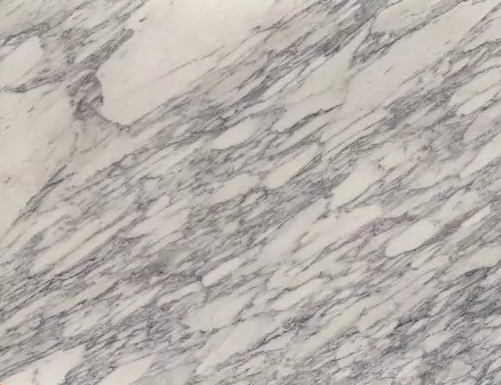


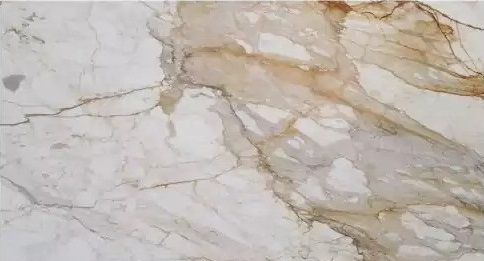
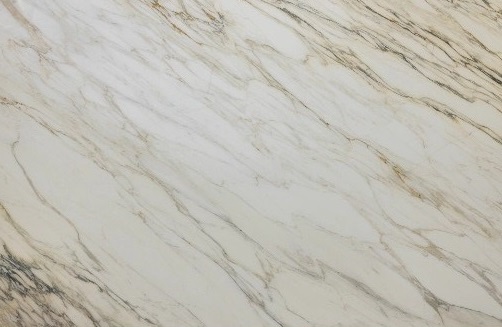
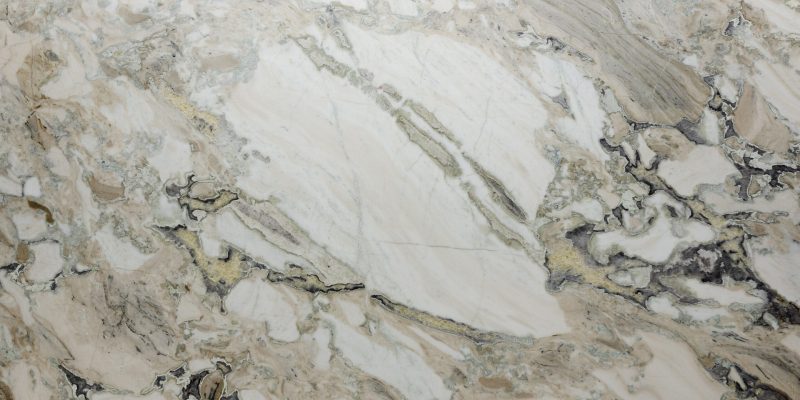
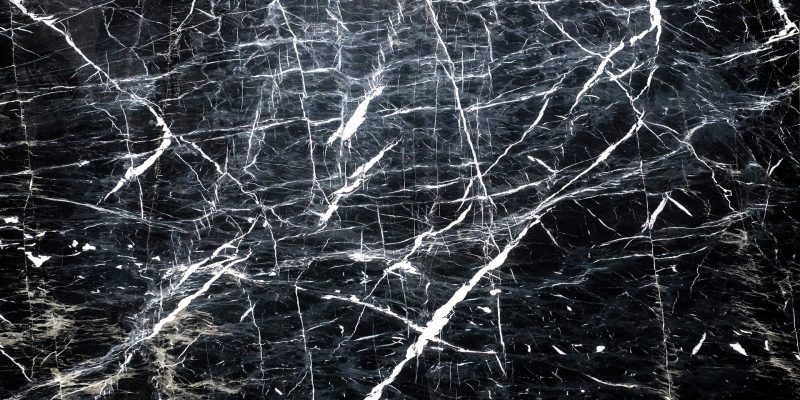

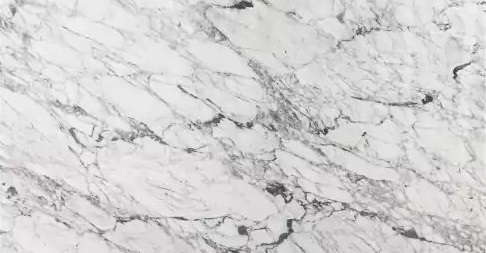



Custom stone stair fabrication allows for advanced design features such as mitered edges, integrated landings, floating stair designs, and seamless transitions between floors. Installation quality directly impacts safety, load distribution, and long-term durability.
In Toronto properties—where renovations, custom builds, and mixed-use developments are common—working with an experienced stone fabricator ensures that stone stairs are not only visually impressive but structurally sound and built to last.
Beyond durability and safety, stone stairs in Toronto play a significant role in shaping how a space is perceived and experienced. Staircases are no longer treated as purely functional connectors between floors; they are architectural statements that influence first impressions, traffic flow, and overall design cohesion within a property.
In modern Toronto homes, stone stairs are frequently integrated into open-concept layouts where visibility from multiple angles demands flawless execution. When coordinated with surrounding stone elements such as flooring, feature walls, or kitchen island countertops, stone staircases help create visual continuity that elevates the entire interior environment.
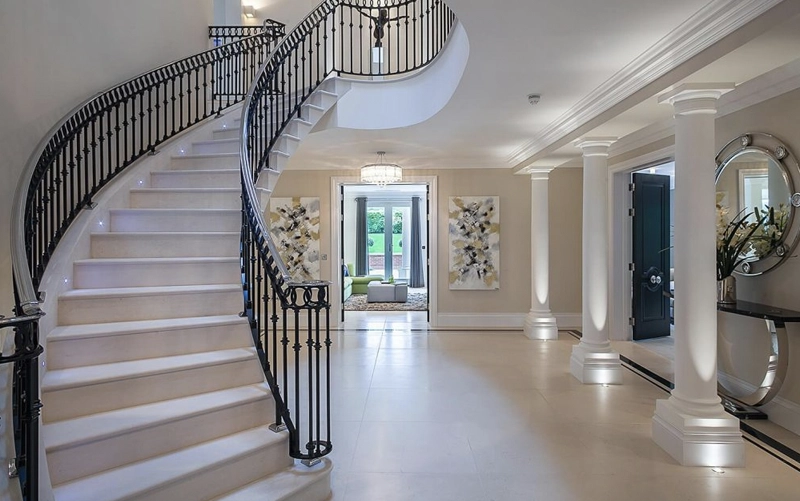
One of the strongest advantages of stone staircases is design flexibility. Custom fabrication allows homeowners and designers to control every detail, including tread thickness, edge profiles, surface finishes, and structural configuration. This flexibility is especially valuable in Toronto properties where space constraints and architectural diversity require tailored solutions.
Floating stone stairs, cantilevered treads, and integrated landings are increasingly popular in contemporary homes. These designs rely on precise engineering and expert fabrication to ensure structural integrity while maintaining a light, minimal appearance. In more traditional Toronto residences, solid stone stairs with classic profiles provide a timeless aesthetic that aligns with heritage architecture.
Toronto homes often feature multiple levels, basements, or split-floor layouts, making staircases central circulation elements. Stone stairs provide consistent performance across all levels, whether connecting main living areas, basement suites, or upper floors.
In properties that include basement apartments or rental units, stone stairs offer added durability and reduced maintenance compared to wood. This is particularly valuable in income-generating properties, where minimizing long-term upkeep directly impacts profitability.
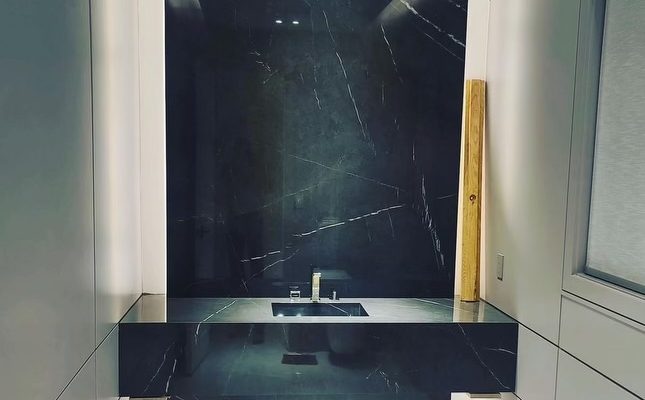
Stone staircases also integrate seamlessly with adjacent surfaces such as vanity countertops or stone flooring, reinforcing a cohesive material palette throughout the home.
Exterior stone stairs in Toronto must endure some of the most demanding environmental conditions in Canada. Snow accumulation, ice formation, freeze–thaw cycles, and moisture exposure all place stress on materials and installation methods.
Properly fabricated stone stairs address these challenges through material selection, surface texturing, slope control, and drainage planning. Porcelain and granite are particularly effective for exterior applications due to their low absorption rates and resistance to surface degradation.
When exterior stairs are designed and installed correctly, they maintain traction, structural stability, and appearance year after year, reducing safety risks and long-term repair costs.
Stone stairs require minimal maintenance compared to many alternative materials, making them ideal for busy Toronto households and commercial spaces. Routine cleaning with pH-neutral cleaners is typically sufficient to preserve surface quality.
For natural stones, periodic sealing may be recommended depending on material type and exposure conditions. Exterior stone stairs may require additional inspection after winter seasons to ensure joints and edges remain intact.
Unlike wood, stone does not require sanding, refinishing, or frequent repairs, which significantly lowers lifetime maintenance costs and inconvenience.
Stone staircases contribute positively to property value in Toronto’s competitive real estate market. Buyers often associate stone with quality, permanence, and premium construction, making homes with stone stairs more attractive during resale.
In luxury properties, custom stone stairs are perceived as architectural upgrades rather than optional features. In mid-range homes, they signal durability and reduced future maintenance, appealing to practical buyers.
When combined with professional fabrication and installation, stone stairs become long-term investments that enhance both daily living and resale potential.
Stone stairs are an excellent choice for Toronto homeowners seeking a balance of strength, safety, and refined design. Whether installed indoors as a focal feature or outdoors as a durable access solution, stone offers unmatched longevity and performance.
For projects that demand precision, durability, and visual impact, working with an experienced stone fabricator ensures that every detail—from material selection to installation—is handled to the highest standard. When properly executed, stone staircases become defining architectural elements that serve a property for decades.