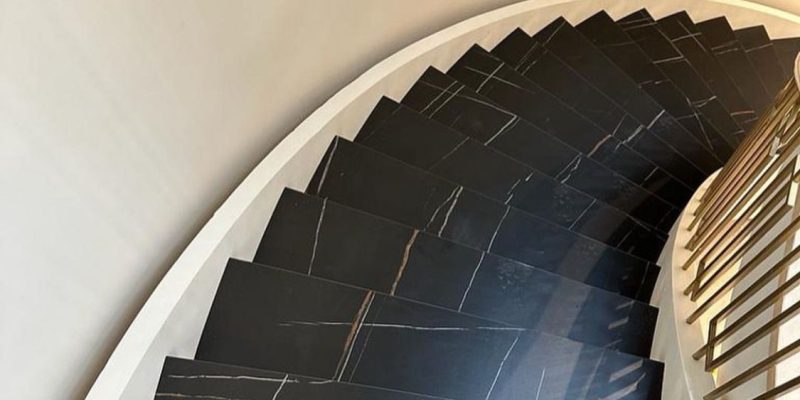
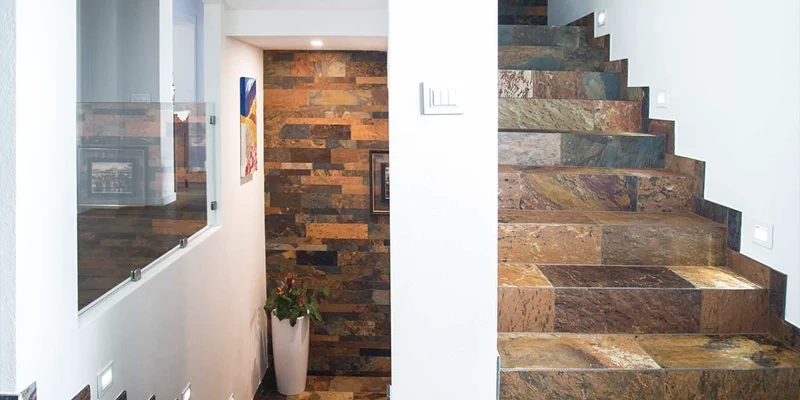
Stone stairs in Vaughan have become one of the most recognizable signatures of modern and luxury residential design across the city. In many Vaughan custom homes—especially open-concept builds with double-height foyers—staircases are no longer treated as a background structure. They are designed as a focal point that shapes the first impression, controls sightlines between floors, and sets the tone for the finishes throughout the interior. When executed in premium stone, stairs also deliver long-term performance: stable, durable surfaces that don’t shift, warp, or degrade the way some traditional materials can over time.
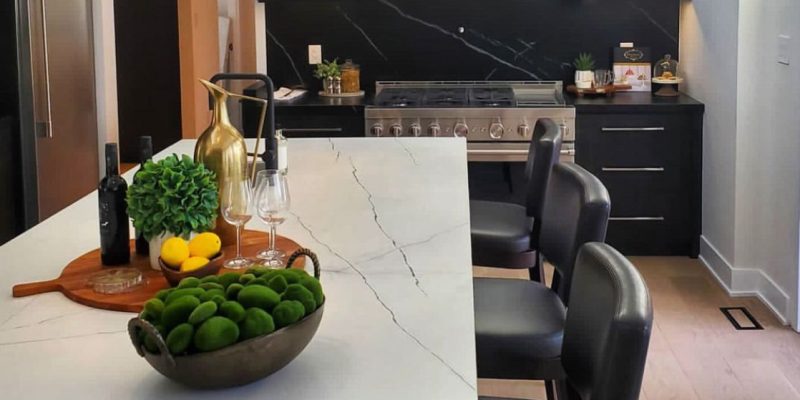
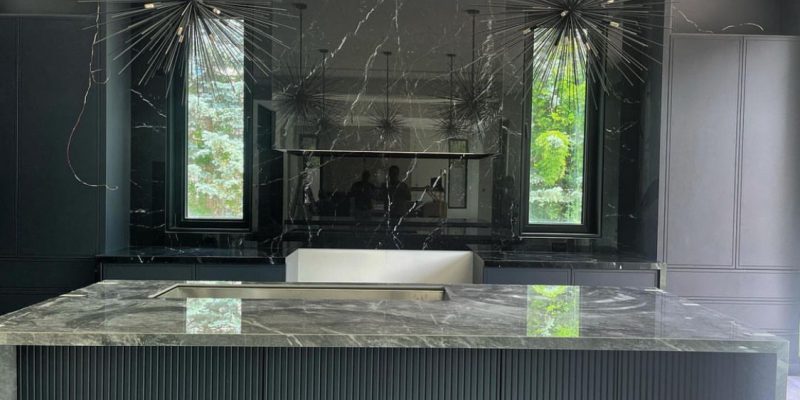
Because Vaughan projects often prioritize cohesive, high-end interiors, homeowners and designers typically coordinate stair materials with other architectural elements. It’s common to match the visual language of the staircase with stone surfaces in the kitchen and main living spaces, such as kitchen countertops, slab-style walls, or refined detailing across transitional zones. When the same fabrication standards are applied across these surfaces, the result feels intentional—like a true custom home—rather than a collection of unrelated upgrades.
In Vaughan’s luxury home market, a staircase is often designed to be “seen” from multiple angles. Whether it’s positioned directly in front of the entry, framed by glass railings, or centered between the main living and dining areas, the staircase becomes an architectural feature that defines the home’s character. Stone works exceptionally well in this role because it brings visual weight, natural texture, and a sense of permanence that reads as premium the moment you walk in.
Modern design in Vaughan tends to emphasize clean geometry, strong lines, and uncluttered surfaces. Stone stair treads, landings, and risers create a crisp, monolithic look that pairs naturally with minimalist railings and neutral wall palettes. At the same time, luxury interiors also demand craftsmanship—tight seams, consistent reveals, refined edges, and symmetry. That’s why stone stairs aren’t just about picking a “nice slab.” They’re about executing details that feel engineered, balanced, and precise.
Another reason stone stairs have become so popular is how well they integrate with lighting and spatial planning. In many new builds, staircases are designed alongside layered lighting plans—recessed step lighting, wall washers, or even subtle under-tread illumination that highlights the stone’s surface and creates a dramatic nighttime effect. When the staircase is treated like an architectural centerpiece, the entire main floor benefits: the home feels more luxurious, more cohesive, and more intentional.
Material selection is one of the most important decisions in a stone stair project because it affects both appearance and long-term performance. In Vaughan, homeowners usually choose materials based on three priorities: design style, maintenance comfort, and daily traffic. While many stones can be used successfully, the best choice depends on whether the staircase is a primary circulation route, a statement feature, or both.
Granite is frequently selected for its strength and wear resistance, especially for family homes with heavy daily use. It performs well over time and holds up against abrasion better than many softer stones. For homeowners who want a premium look with practical performance, granite is a strong option—particularly in finishes that reduce glare and hide fingerprints.
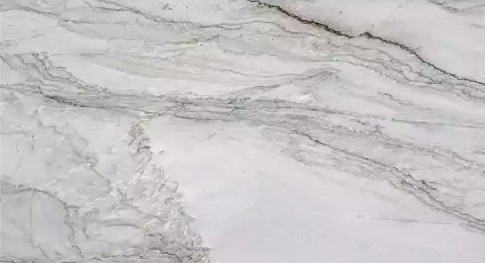
Marble is often chosen when visual impact is the top priority. In Vaughan luxury interiors, marble stairs can create an unmistakably high-end look, especially when the veining is aligned across treads and risers for a continuous flow. Marble requires more thoughtful maintenance than denser stones, but when fabricated and installed properly, it delivers the kind of timeless elegance that many homeowners want in a statement foyer.
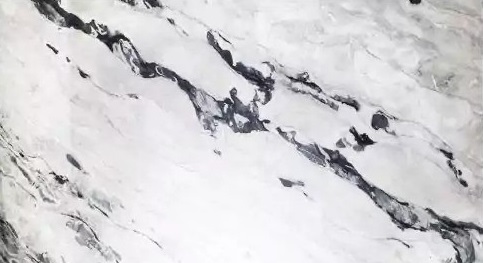
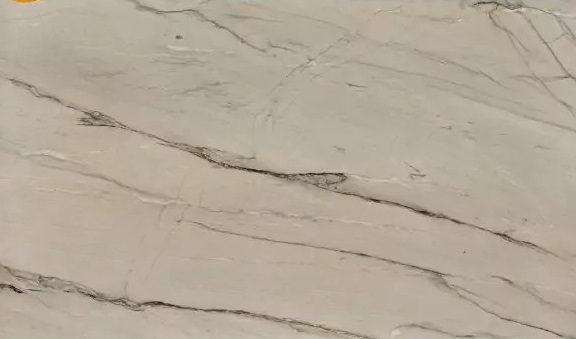
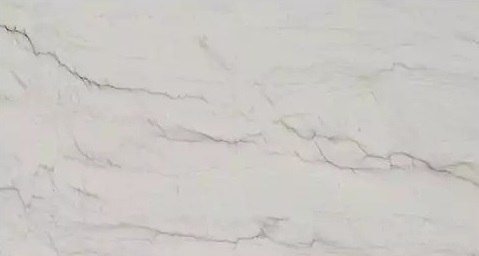
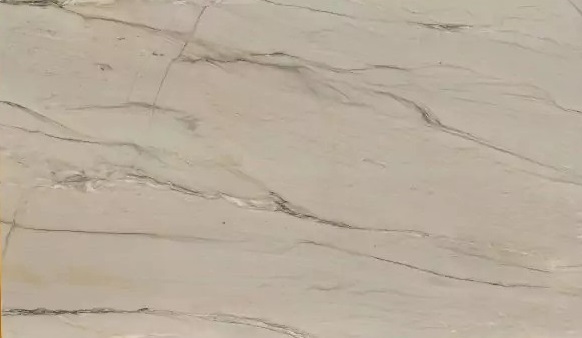
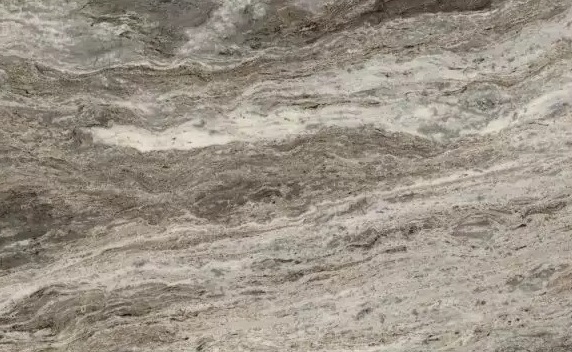
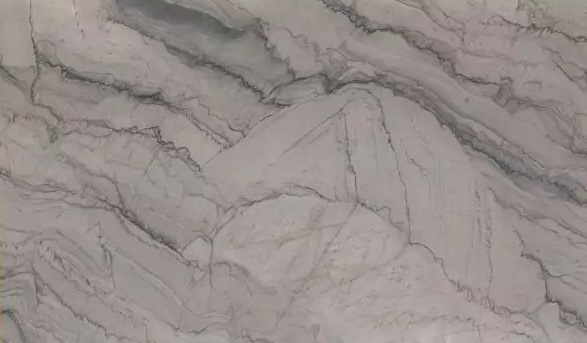
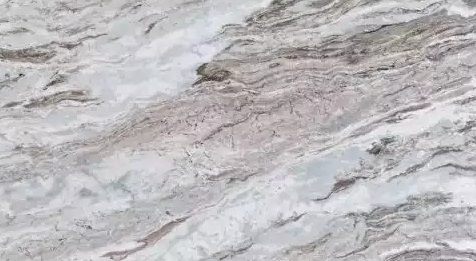
Quartzite is a popular middle ground for clients who want natural movement similar to marble with stronger durability. It’s often used in modern luxury homes where the staircase needs to look refined but also handle everyday traffic. Because quartzite varies by slab, careful selection and vein planning are important to achieve a cohesive result.
Porcelain has also grown in popularity for modern projects because it offers excellent durability, color stability, and a wide range of contemporary looks—from concrete to marble-inspired patterns. Porcelain is particularly attractive for homeowners who want a sleek, modern aesthetic with low maintenance. When paired with matching wall cladding or large-format surfaces elsewhere in the home, porcelain can deliver an extremely clean and consistent design language. If your broader interior concept includes slab applications beyond the staircase, coordinating your finishes with custom stone services helps keep thickness, edges, and visual alignment consistent across all elements.
One of the most common design questions for Vaughan homeowners is whether to choose a floating staircase or a more traditional configuration. Both can be luxury—what matters is how the design aligns with the home’s architecture, structural realities, and the level of visual minimalism you want to achieve.
Floating stone stairs are one of the most striking modern options. These designs emphasize openness: the steps appear to “hover” with minimal visible support, creating a clean, sculptural effect that works extremely well in open-concept layouts. In Vaughan, floating staircases are often paired with glass railings, black steel details, and neutral wall finishes. The visual result is dramatic, but it’s also technically demanding. Floating stone treads require careful engineering and a high level of fabrication precision. Even small measurement errors can create alignment issues that become obvious once the railing and lighting are installed.
Traditional stone stairs focus more on solidity and classical proportions. They may include full risers, framed side supports, or integrated stringers. Traditional designs are often chosen for homes that lean transitional or classic, or for homeowners who prefer the confidence of a more conventional structural approach. The good news is that traditional doesn’t mean “dated.” With the right stone, refined edges, and modern railing choices, traditional staircases can still look clean and high-end—while offering excellent stability and easier integration with surrounding finishes.
Many Vaughan projects adopt a hybrid: visually open stairs with discreet structural supports. This approach maintains a modern feel while improving long-term stability and simplifying the coordination between stairs, railings, and flooring transitions.
Stone staircases must be planned with structure and safety in mind from day one. Stone is heavy, and while that weight contributes to a premium feel underfoot, it also demands proper support and precise installation. The best-looking staircase can quickly become a problem if the substrate, anchoring, or alignment is not handled professionally. That’s why accurate measurement and fabrication planning are non-negotiable, especially for floating or complex stair geometries.
Slip resistance is another key consideration. Highly polished surfaces can be visually stunning, but they may not be the best choice for stairs—particularly in homes with children, seniors, or frequent foot traffic. Honed, leathered, or textured finishes often provide a more practical grip while still looking refined. Edge detailing also matters: overly sharp edges can chip more easily and may feel harsh in daily use. A carefully selected edge profile can improve comfort and reduce the risk of damage while keeping the design modern.
Consistency in riser height and tread depth is essential for safety and comfort. In high-end Vaughan builds, small inconsistencies are noticeable—and more importantly, they can affect how the staircase feels to walk on.



Railings and hardware integration should also be planned early. Glass and metal railing systems require precise attachment points, and those points must be coordinated with the stone thickness, edge profiles, and structural supports. When these details are considered at the start, the final result looks seamless rather than “added on.”
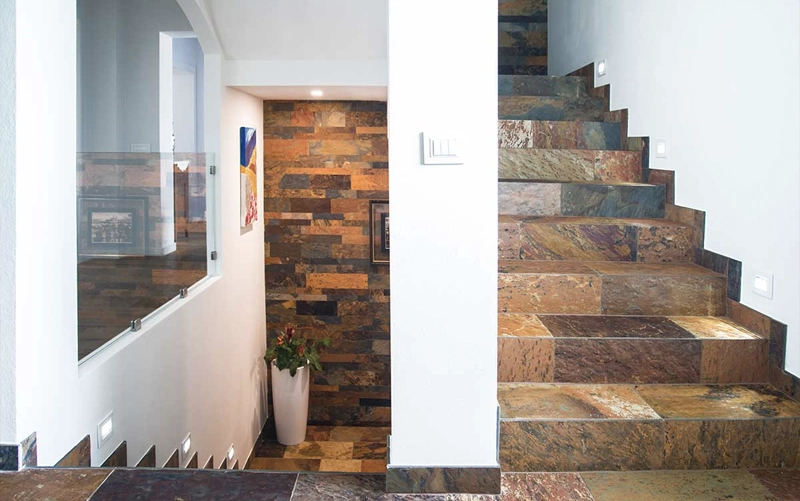
In Vaughan, a stone staircase typically sits within a broader design ecosystem: flooring, cabinetry, wall finishes, lighting, and other stone surfaces all interact visually. The most successful stair projects are the ones that feel integrated with the home rather than isolated. That integration starts with matching undertones and finishes. A warm-toned stone tread can clash with cool cabinetry; a heavily veined slab can overwhelm a minimal interior if not balanced correctly. Good design is about harmony, not just selecting premium materials.
Many homeowners aim for continuity by tying the staircase into adjacent stone elements. For example, if the home has a prominent kitchen island or a clean slab backsplash, coordinating those surfaces with the stair material helps the entire main floor feel unified. If your project includes multiple stone surfaces—stair treads, landings, fireplace cladding, or kitchen slabs—working through a consistent fabrication pipeline can keep edge details, thickness, and finishing consistent. This is one of the main reasons Vaughan clients often combine stair planning with broader interior upgrades such as kitchen island countertops, ensuring the home reads as a cohesive, designer-level space.
Finally, stone stairs contribute to perceived property value in a very direct way. In a market where buyers notice craftsmanship and finishes quickly, a well-executed staircase signals quality. It suggests that the home was built or renovated with long-term durability in mind, not short-term cosmetic upgrades. That perception matters in Vaughan’s competitive luxury segment—and it’s one of the reasons stone stairs continue to be a high-impact, high-value investment.
One of the key reasons homeowners in Vaughan invest in stone staircases is long-term durability. Unlike wood or engineered materials that can creak, swell, or show visible wear over time, professionally fabricated stone stairs are built to perform consistently for decades. In a city where luxury homes often see high daily traffic, entertaining, and multi-generational living, durability is not a bonus—it’s a requirement.
Stone stairs resist compression, structural movement, and surface fatigue far better than traditional stair materials. When installed on a properly prepared substrate, stone treads maintain their alignment, level, and visual integrity even under continuous use. This reliability is especially important in open-concept Vaughan homes, where staircases are fully exposed and any defect—uneven joints, shifting treads, or cracking—becomes immediately noticeable.
Maintenance is another area where stone stairs offer a clear advantage. Most high-end stair materials selected for Vaughan projects—such as granite, quartzite, or porcelain—require minimal ongoing care beyond routine cleaning. Honed or textured finishes are particularly forgiving, as they hide dust, footprints, and minor wear far better than glossy surfaces. With periodic professional inspection and sealing when required, stone staircases retain their appearance and performance without demanding constant upkeep.
In Vaughan’s competitive luxury real estate market, architectural details directly influence perceived property value. Stone staircases consistently rank among the most impactful interior features because they communicate quality, permanence, and design intention at a glance. Buyers touring high-end homes often interpret stone stairs as a signal that the property was built or renovated without shortcuts.
Unlike cosmetic upgrades that may feel trendy or short-lived, stone stairs age gracefully. Their visual language remains relevant across design cycles, whether the home leans modern, transitional, or contemporary-classic. This timelessness is a major reason why stone staircases support long-term resale value rather than limiting a home to a narrow aesthetic window.
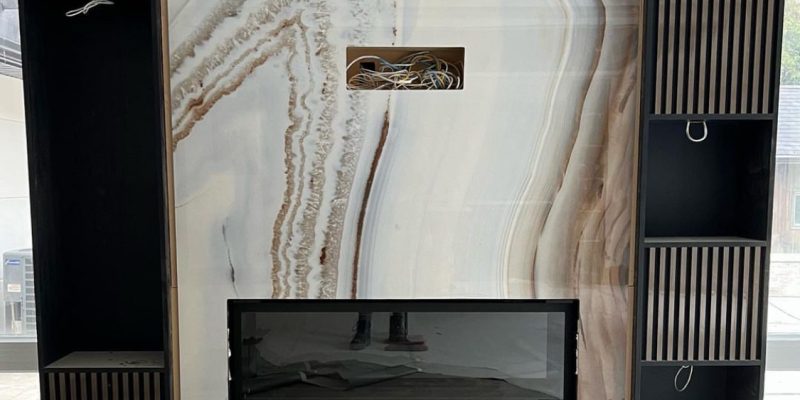
From an investment standpoint, stone stairs also integrate well with other premium upgrades commonly found in Vaughan homes. When stair materials align with elements such as fireplaces, feature walls, or integrated slab applications, the entire interior feels cohesive and intentional. Homeowners who coordinate stair design with broader upgrades—such as fireplace stone work or large-format slab installations—often achieve a higher overall return because buyers perceive the home as fully custom rather than partially upgraded.
Luxury stone stairs demand a level of fabrication precision that goes far beyond standard stair construction. In Vaughan projects, tolerances are tight, sightlines are long, and design expectations are high. Every tread must align perfectly, every riser must be consistent, and every edge must feel intentional. This level of precision can only be achieved through accurate digital templating, controlled fabrication, and experienced installation teams.
Stone stair fabrication typically involves detailed measurement of structural supports, floor elevations, and surrounding finishes before any cutting begins. This is especially critical for floating or cantilevered stair designs, where even small measurement deviations can affect balance, safety, and visual symmetry. In these projects, fabrication planning often happens in parallel with other interior stone elements to ensure consistency in thickness, edge profiles, and surface finishes.
When stair fabrication is coordinated with broader stone work—such as custom stone services—the result is a unified design language throughout the home. This coordination allows designers and homeowners to control how stone surfaces transition between vertical and horizontal planes, reducing visual breaks and reinforcing the home’s architectural rhythm.
While wood, metal, and engineered materials are still used in some stair designs, stone consistently outperforms alternatives in luxury Vaughan homes when long-term value and performance are considered. Wood stairs may initially feel warm, but they are vulnerable to wear, moisture changes, and structural noise. Over time, refinishing becomes inevitable, adding maintenance costs and disruption.
Metal stair systems can offer a modern look, but they often lack the visual weight and acoustic comfort that stone provides. In residential environments, metal stairs may feel industrial or cold unless carefully balanced with other materials. Stone, by contrast, delivers both visual presence and physical stability, making it better suited for primary staircases in high-end homes.
Engineered materials may offer short-term cost savings, but they rarely match the lifespan or prestige of natural or premium slab surfaces. In Vaughan’s luxury segment, buyers are increasingly educated about materials, and stone stairs are widely recognized as a marker of quality construction rather than a decorative upgrade.
Stone stairs are ideal for homeowners who value architectural impact, durability, and long-term performance. They work particularly well in new builds, major renovations, and custom homes where the staircase plays a central visual role. If your home features open layouts, double-height spaces, or premium interior finishes, stone stairs can anchor the design and elevate the entire property.
That said, successful stone stair projects depend on professional planning and execution. Material selection, finish choice, structural preparation, and installation sequencing must all be handled correctly to achieve the desired result. When these elements are aligned, stone stairs become more than a functional component—they become a defining feature of the home.
For Vaughan homeowners considering a staircase upgrade or planning a custom build, integrating stair design early—alongside elements like kitchen countertops and other stone features—ensures consistency, efficiency, and a higher-quality outcome. With expert fabrication and thoughtful design, stone stairs remain one of the most impactful investments you can make in a luxury Vaughan home.