Installing kitchen countertops in Canada requires more than selecting an attractive material. Cold winters, fluctuating indoor temperatures, seasonal humidity changes, and proper installation techniques all influence how well a countertop performs over the long term. Even premium materials can develop problems if they are installed without considering Canadian climate conditions.
A successful kitchen countertop installation begins long before the countertop reaches your home. Accurate measurements, proper cabinet preparation, indoor temperature control, slab acclimation, fabrication quality, and professional installation all contribute to a countertop that remains stable, durable, and visually flawless for years.
Although countertops inside the home are protected from direct snow and freezing temperatures, they are still affected by seasonal changes. Dry indoor air during winter, moisture fluctuations, transportation in freezing conditions, and improper curing of adhesives or sealants can all influence installation quality and long-term performance.
This guide explains what homeowners should know before installing kitchen countertops in cold Canadian climates, including preparation, material selection, moisture management, winter installation practices, and common mistakes to avoid. If you’re planning a renovation anywhere in Ontario, our Kitchen Countertop Services team provides professional consultation, fabrication, and installation tailored to Canadian conditions.
Unlike warmer regions, Canadian homes experience significant seasonal changes that affect both building materials and installation conditions. Even though kitchen countertops are installed indoors, the environment surrounding the installation process can influence their long-term performance.
Countertop slabs are often transported through freezing temperatures before installation. During winter renovations, indoor heating systems reduce humidity while repeated temperature changes can affect adhesives, sealants, cabinetry, and supporting materials. Proper installation techniques help minimize these risks and improve long-term durability.
Professional installers consider environmental conditions before fabrication and installation rather than focusing only on the countertop material itself.
Proper preparation is one of the most important stages of any countertop installation. Even the highest-quality stone cannot compensate for uneven cabinets, inaccurate measurements, or poor site conditions.
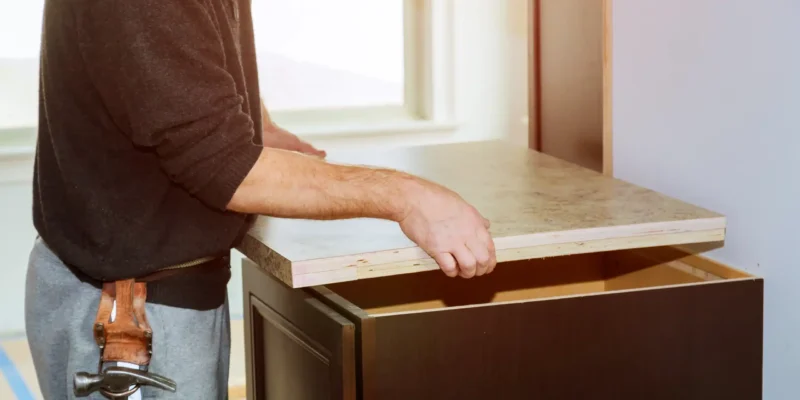
Cabinets should be permanently installed, securely fastened, and completely level before countertop measurements are taken. Small alignment issues can create visible gaps, uneven seams, or unnecessary stress on stone slabs after installation.
Digital templating creates precise measurements after cabinets are fully installed. This process improves fabrication accuracy, reduces installation adjustments, and helps ensure proper sink openings, appliance clearances, and seam locations.
Our Countertop Survey & Measurement service uses professional digital templating to produce accurate fabrication drawings before manufacturing begins.
Before installation, the home should be fully enclosed and heated to normal living conditions. Stable indoor temperatures and humidity help adhesives, sealants, and installation materials cure properly while reducing unnecessary movement in cabinetry and supporting structures.
Countertop slabs delivered during winter should be allowed to acclimate indoors before installation. Giving the material time to adjust to indoor conditions helps reduce thermal stress and supports a smoother installation process, particularly for large stone slabs.
Not every countertop material responds the same way during installation. While long-term durability depends on the quality of the material itself, successful installation also depends on how each surface reacts to transportation, fabrication, temperature changes, and moisture during the installation process.
Selecting a material that suits both your lifestyle and Canadian climate helps reduce future maintenance issues and improves long-term performance.
Quartz countertops are among the most popular choices for Canadian kitchens because they combine durability with low maintenance.




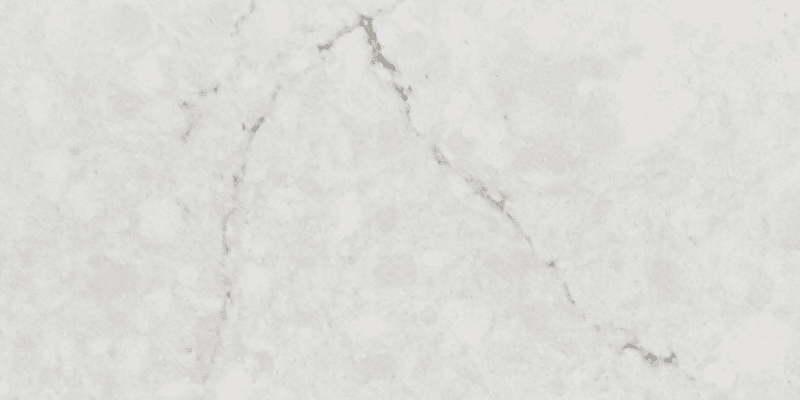



Although quartz performs well indoors, installers still recommend avoiding sudden temperature changes immediately after installation and using trivets to protect the surface from excessive heat.
Granite countertops remain an excellent option for homeowners seeking a durable natural stone surface. Proper sealing before and after installation helps reduce moisture penetration and protects the stone throughout changing Canadian seasons.
Because every granite slab is unique, professional fabrication and accurate templating are especially important for achieving clean seams and a consistent appearance.
Porcelain countertops offer outstanding resistance to moisture, UV exposure, stains, and temperature changes. Their low water absorption makes them particularly well suited for Canadian homes where seasonal humidity varies throughout the year.
Professional fabrication is essential because porcelain slabs require specialized cutting equipment and careful handling during transportation and installation.
Moisture control is often overlooked during kitchen renovations, yet it plays an important role in countertop performance. Winter heating systems reduce indoor humidity, while snow, rain, and seasonal moisture can affect cabinets, substrates, and installation materials.
Professional installers verify that cabinets and surrounding structures are dry before installation begins. Moisture trapped beneath countertops or inside cabinetry can contribute to future movement, sealant failure, or unnecessary stress on the installation.
Quality sealants and moisture-resistant installation materials also help protect vulnerable areas around sinks, faucets, backsplashes, and wall connections.
Although kitchen countertops are designed for everyday cooking, newly installed surfaces benefit from gradual exposure to normal household conditions. Extreme or sudden temperature changes immediately after installation may place unnecessary stress on adhesives or sealants before they have fully cured.
To help protect your new countertop:
These simple precautions help ensure the countertop performs as intended from the very beginning.
Many countertop problems are caused by installation errors rather than material defects. Choosing an experienced fabricator significantly reduces the risk of future issues.
The most common installation mistakes include:
Careful planning and experienced installation help prevent expensive repairs later while improving both appearance and long-term durability.
Before scheduling your countertop installation, reviewing a few key details can help prevent delays, additional costs, and unnecessary adjustments during the project.
Completing these steps before installation helps ensure accurate fabrication and a smoother installation process.
Yes. Professional installers routinely complete countertop installations throughout the winter. The key is maintaining a stable indoor temperature and allowing materials to acclimate before installation.
Yes. Allowing countertop slabs to remain indoors for at least 24–48 hours before installation helps minimize stress caused by temperature differences between transportation and the installation environment.
Normally, no. Once installed inside a climate-controlled home, quality countertop materials perform well. Problems are more often related to poor installation practices than to outdoor temperatures.
Quartz, granite, and porcelain are all commonly installed in Canadian homes. The best choice depends on your project requirements, fabrication needs, maintenance preferences, and the expertise of the installation team.
Digital templating improves measurement accuracy, reduces fabrication errors, and helps produce tighter seams and a better overall fit during installation.
Most residential countertop installations are completed in a single day after fabrication is finished. Larger kitchens or projects with multiple slabs, waterfall edges, or complex layouts may require additional time.
Successful kitchen countertop installation depends on much more than choosing an attractive material. Accurate measurements, professional fabrication, proper acclimation, moisture control, and experienced installation all contribute to long-term performance.
Whether you’re renovating a condominium in Toronto or a family home elsewhere in Canada, working with an experienced fabrication and installation team helps ensure your countertops remain durable, functional, and visually consistent for years to come.
Our team provides complete countertop installation services across Toronto and the GTA, from digital templating and fabrication to final installation and finishing.
Explore our Kitchen Countertop Services, learn more about our Countertop Survey & Measurement process, browse our Stone Collection, or request a free consultation to discuss your project with our team.