Choosing the right countertop surface is one of the most important decisions in any kitchen or bathroom renovation. Countertops are long-term investments that directly impact daily usability, visual appeal, maintenance requirements, and even overall property value. Because these surfaces remain in place for many years, selecting the wrong material can lead to unnecessary repairs, high upkeep costs, or premature replacement.
Modern countertop materials generally fall into two broad categories: natural stone and manufactured (engineered) surfaces. Each category offers distinct advantages, performance characteristics, and aesthetic qualities. Understanding these differences allows homeowners to make informed decisions before moving into detailed material comparisons, pricing evaluations, or installation planning.
Natural stone countertops are quarried directly from the earth, which means every slab is inherently unique. Variations in color, veining, mineral composition, and texture are natural characteristics rather than defects. These materials are often selected for their authenticity, longevity, and timeless visual appeal.
Natural stone performs exceptionally well in residential and commercial spaces when chosen appropriately and maintained correctly. However, not all natural stones behave the same way, and understanding their individual properties is critical.
Granite is one of the most durable natural stone countertop materials available. Known for its strength, heat resistance, and scratch resistance, granite performs exceptionally well in high-traffic kitchens and workspaces. Its dense crystalline structure allows it to withstand frequent cooking, heavy daily use, and exposure to heat.
In Ontario homes, granite is commonly selected for family kitchens, open-concept layouts, and areas where durability is a priority. While granite requires periodic sealing to maintain stain resistance, it offers long-term performance and a classic, upscale appearance that remains popular across multiple design styles.
Homeowners exploring durable natural stone options can review available materials in the granite stone collection.
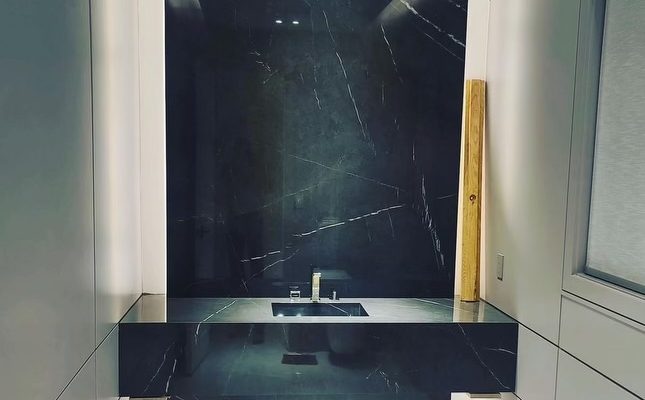
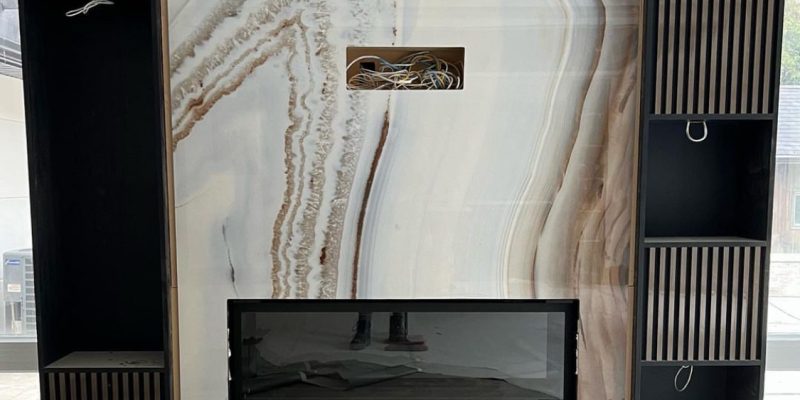
Marble is prized for its elegant veining, soft color tones, and refined aesthetic. It has been used in architecture and interior design for centuries and continues to be associated with luxury and craftsmanship. Marble is commonly installed in statement kitchens, bathrooms, fireplace surrounds, and decorative surfaces.
Despite its beauty, marble is softer and more porous than granite. It is susceptible to scratching, etching from acidic substances, and staining if not properly sealed. Homeowners who choose marble typically do so with an understanding that it requires attentive care and that natural aging and patina are part of its character.
Examples of available styles can be found in the marble countertop collection.
Limestone and soapstone offer a more understated and organic aesthetic compared to highly polished stones. Limestone features soft, earthy tones that pair well with traditional or rustic interiors, while soapstone delivers a smooth, matte finish that naturally darkens over time.
Soapstone is non-porous and naturally resistant to bacteria, making it a functional option despite being softer than granite. It scratches more easily, but many homeowners appreciate the natural patina that develops with use. Limestone, on the other hand, is more porous and generally better suited for lower-impact applications or decorative features.
These stones are often selected by homeowners seeking natural materials that integrate seamlessly with custom kitchen designs rather than dominate them visually.
Engineered countertops are designed to deliver consistency, predictable performance, and lower maintenance compared to many natural stones. These materials are manufactured using controlled processes that reduce natural variation while enhancing durability and hygiene.
For homeowners prioritizing ease of care, uniform appearance, and modern aesthetics, engineered surfaces offer compelling advantages.
Quartz countertops are engineered using natural quartz combined with resins and pigments. The result is a non-porous, stain-resistant, and highly durable surface that requires no sealing. Quartz is one of the most popular countertop choices for modern kitchens due to its reliability and clean appearance.
Because quartz is non-porous, it resists bacteria, moisture absorption, and staining from common household spills. However, it is less heat-resistant than natural stone and should not be exposed directly to hot cookware.
Quartz is ideal for homeowners seeking a contemporary look with minimal maintenance. Available styles can be explored in the quartz countertop selection.
Solid surface materials are synthetic countertops made from mineral fillers combined with acrylic or polyester resins. They are known for their seamless appearance, integrated sink options, and hygienic properties. Scratches can often be repaired through refinishing, extending the surface’s usable lifespan.
While solid surface countertops are easy to maintain and visually consistent, they are less resistant to heat and scratches than quartz or granite.



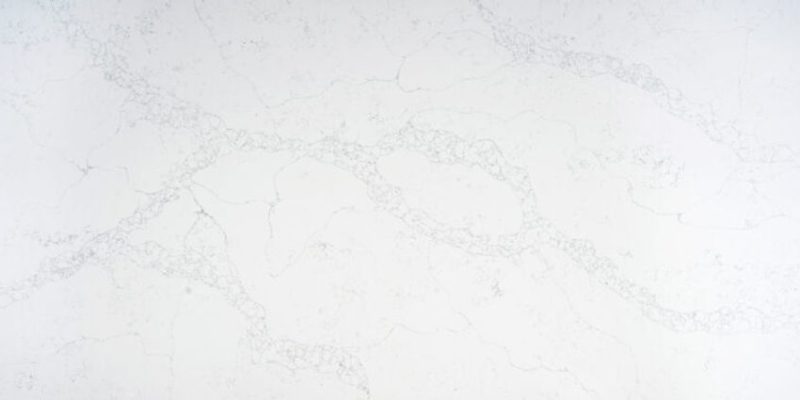
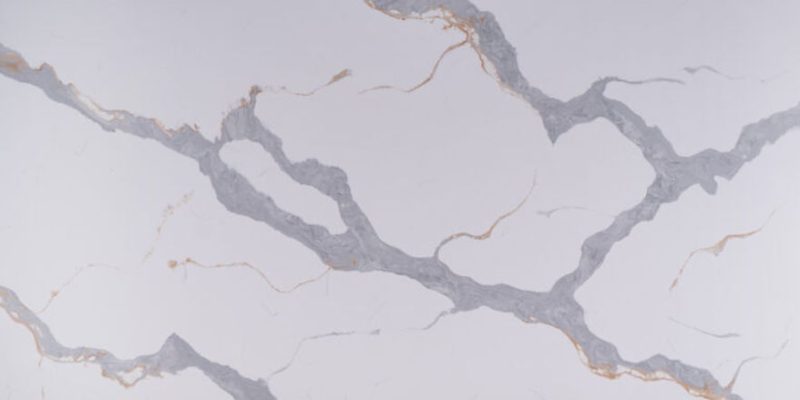


Porcelain countertops have gained significant popularity due to their exceptional durability, heat resistance, and stain resistance. Manufactured at extremely high temperatures, porcelain slabs are dense, non-porous, and suitable for both indoor and outdoor applications.
The slim profile and large-format slab options available with porcelain make it particularly appealing for modern and minimalist designs. Porcelain can replicate the look of marble, concrete, or natural stone while offering superior performance characteristics.
Available options can be viewed in the porcelain stone collection.
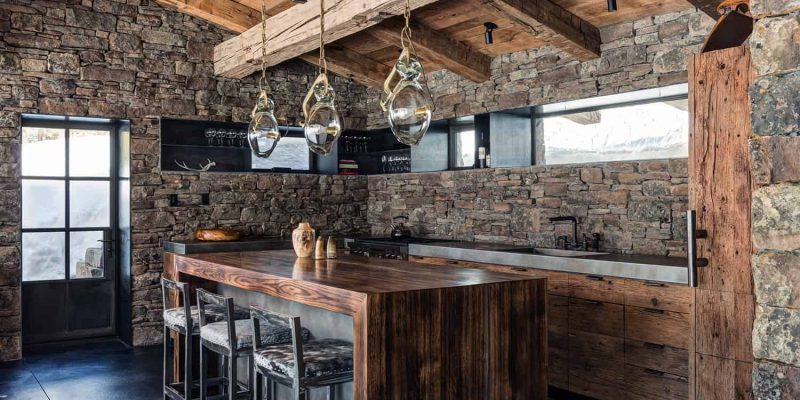
Concrete countertops represent a bold and highly customizable option for homeowners and designers seeking a modern or industrial aesthetic. Unlike prefabricated surfaces, concrete countertops are typically custom-cast, allowing complete flexibility in thickness, edge profiles, color pigments, and surface texture. This makes concrete especially appealing for unique kitchen islands, bathroom vanities, and architectural statement pieces.
When properly reinforced and sealed, concrete performs well in both indoor and outdoor environments. It can handle heat exposure and heavy use, but it does require professional fabrication and ongoing care. Without proper sealing, concrete is susceptible to staining and hairline cracking over time. For this reason, concrete countertops are best suited for clients who value customization and design expression over minimal maintenance.
Concrete is often paired with modern cabinetry, minimalist interiors, or mixed-material designs where the countertop serves as a focal element rather than a background surface.
There is no single “best” countertop material for every home. The ideal surface depends on lifestyle, usage patterns, maintenance expectations, and overall design goals. Before narrowing your selection, it is important to evaluate how the space will function on a daily basis.
High-traffic kitchens with frequent cooking require surfaces that resist heat, scratching, and staining. Bathrooms prioritize moisture resistance and ease of cleaning. Commercial or shared environments demand durability, hygiene, and long-term performance.
Key considerations when selecting a countertop surface include daily usage level, exposure to heat and sharp objects, tolerance for maintenance, preference for natural variation versus visual consistency, and whether the surface will be installed indoors or outdoors.
Durability varies significantly between materials. Natural stones such as granite offer excellent heat resistance and structural strength, making them ideal for heavy-use kitchens. Engineered surfaces like quartz and porcelain provide superior stain resistance and predictable performance, but may require precautions around direct heat exposure.
For homeowners seeking a balance between performance and appearance, quartz and porcelain often provide the most practical solutions. Those who prioritize natural aesthetics may accept additional maintenance in exchange for authenticity.
Maintenance requirements differ widely across countertop materials. Non-porous surfaces such as quartz and porcelain require minimal upkeep and no sealing. Natural stones like granite, marble, and limestone require periodic sealing to maintain stain resistance and surface integrity.
Understanding maintenance commitments upfront prevents future dissatisfaction. Busy households often benefit from low-maintenance materials, while design-focused spaces may justify higher care requirements.
Countertops play a major role in defining the visual language of a space. Natural stone offers organic variation and depth, while engineered surfaces provide uniformity and control over color and pattern.
Modern interiors often favor large-format porcelain or quartz with subtle veining. Traditional or transitional designs may benefit from the character of granite or marble. Selecting a countertop that complements cabinetry, flooring, and backsplash materials ensures visual harmony throughout the space.
Not all countertop materials perform equally in outdoor environments. Exposure to UV rays, temperature fluctuations, and moisture requires materials that maintain structural stability and color integrity.
Granite and porcelain perform exceptionally well outdoors due to their resistance to heat, cold, and UV exposure. Quartz, while excellent indoors, is generally not recommended for outdoor use due to resin sensitivity to sunlight.
Concrete also performs well outdoors when properly sealed, making it a popular choice for outdoor kitchens and entertaining spaces.
This article is designed as a high-level educational resource rather than a final decision guide. Its purpose is to introduce the full landscape of countertop materials and surface types before homeowners move into detailed comparisons, pricing guides, or installation planning.
By understanding the fundamental differences between natural stone and engineered surfaces, homeowners are better prepared to evaluate cost breakdowns, durability comparisons, and project-specific recommendations.
For Ontario homeowners planning a renovation, the next step typically involves reviewing material-specific guides, exploring installation considerations, and consulting experienced fabricators to ensure the selected surface aligns with both lifestyle needs and long-term performance expectations.
Used correctly within a broader content structure, this guide supports deeper material pages, service resources, and renovation planning content without competing directly with transactional or location-based pages.