Low-maintenance kitchen countertops can reduce the time and effort required for everyday cleaning, stain prevention, sealing and surface care. For busy families, the most practical countertop is often not the material with the strongest single performance rating, but the one whose care requirements match daily household routines.
A low-maintenance surface should be easy to clean after spills, compatible with commonly available cleaning products and unlikely to require frequent professional treatment. It should also have clear and predictable precautions for heat, impact, acids and abrasive products.
Quartz, porcelain and selected granite countertops are commonly considered for active kitchens, but they do not require identical care. Quartz generally avoids routine sealing, porcelain offers low absorption, and granite can perform reliably when its sealing requirements are understood.
This guide compares countertop materials by cleaning effort, stain behaviour, sealing, heat precautions, repair needs and long-term appearance. No surface is completely maintenance-free, and product-specific instructions should always take priority over general material advice.
Quick Selection Rule
Choose the surface whose cleaning, sealing, heat precautions and expected appearance you can manage consistently—not the material described as maintenance-free.
The following comparison provides a general starting point. Requirements may differ by product, slab, finish and manufacturer.
| Material | Routine Care | Main Precautions | Maintenance Profile |
|---|---|---|---|
| Quartz | Routine wiping; no general sealing requirement | Concentrated heat, abrasive pads and unsuitable chemicals | Very low routine maintenance |
| Porcelain | Simple cleaning; no general sealing requirement | Edge impacts, openings and product-specific cleaners | Very low surface maintenance |
| Granite | Routine cleaning and sealing when the specific slab requires it | Absorption, harsh cleaners and concentrated impact | Low to moderate maintenance |
| Quartzite | Stone-specific cleaning and possible sealing | Slab identification, absorption and edge impacts | Moderate maintenance |
| Marble | Prompt spill cleanup and suitable stone care | Acid etching, staining and visible patina | Higher maintenance |
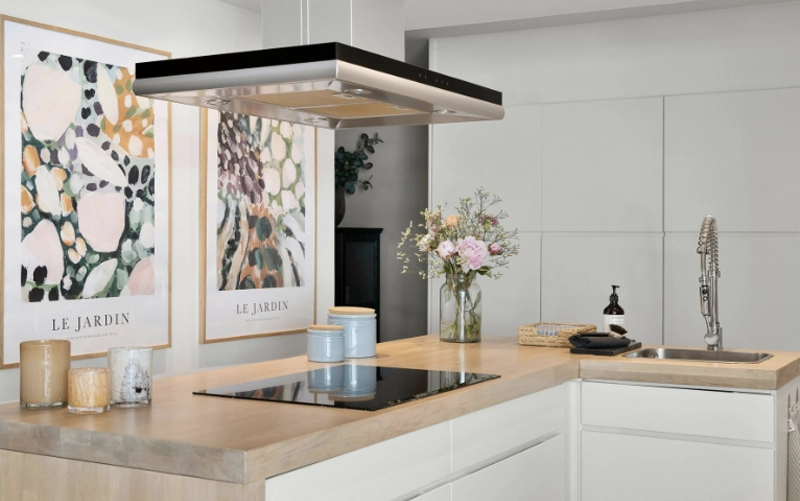
Low maintenance is not limited to whether a countertop requires sealing. A material may avoid sealing but still require strict heat precautions, careful chemical selection or specialist repair after edge damage.
A practical low-maintenance surface usually provides:
Quartz can be affected by concentrated heat. Porcelain edges can chip under impact. Granite may absorb liquids when the slab or finish requires sealing. Marble can etch after contact with acidic foods.
Cutting boards, trivets and prompt spill cleanup remain useful for every countertop material. These simple habits reduce damage without creating a complicated maintenance routine.
Quartz and porcelain generally do not require routine sealing. Natural-stone requirements depend on the specific slab, absorption and finish rather than a universal annual schedule.
A material requiring occasional sealing may still be manageable for a family, but the requirement should be understood before purchase.
Low-maintenance countertops should not depend on difficult or expensive daily cleaning products. However, one universal cleaner may not be suitable for every surface.
Acidic, highly alkaline or abrasive products may affect stone, resins, sealers or surface finishes. Manufacturer care instructions should remain the primary reference.
Staining occurs when substances penetrate or discolour a surface. Etching is a chemical change that affects the finish, particularly on calcium-containing stones such as marble.
A sealed marble surface may resist some absorption but can still etch. Understanding this distinction prevents unrealistic expectations about maintenance.
Minor damage may require different solutions depending on the material. Chips in stone or porcelain, heat damage in quartz and etching in marble should be evaluated by an appropriate surface specialist.
A material is easier to live with when the household knows what can be cleaned routinely and what requires professional repair.
Quartz is commonly selected for busy kitchens because most products have low absorption and do not require routine sealing. Its controlled patterns can also make ordinary cleaning marks and daily variation less noticeable than on some highly reflective surfaces.
Quartz contains manufacturer-specific binders and resins. Concentrated heat can damage or discolour the surface, so trivets should be used beneath hot cookware and heat-producing appliances.
Abrasive pads, strong solvents and cleaners outside the manufacturer’s recommendations should also be avoided. Quartz is low maintenance, but it is not heat-proof, scratch-proof or immune to chemical damage.
Browse available quartz countertop options and review the care documentation for the exact product before ordering.
Porcelain is another low-maintenance option for kitchens where simple cleaning and low surface absorption are priorities. Most countertop-grade porcelain products do not require routine sealing, although installation and repair can be more specialized than routine surface care.
Porcelain may resist surface wear effectively, but exposed edges, corners and narrow sections around openings can be vulnerable to concentrated impact. Damage may also be more difficult to repair invisibly than ordinary surface marks.
Cleaning requirements depend on the finish and manufacturer. Abrasive products should not be assumed safe for polished, textured or printed surfaces without checking the product guidance.
Browse available porcelain countertop options and confirm slab thickness, edge construction and care requirements before selection.
Granite can provide a manageable maintenance routine for homeowners who prefer natural stone. Its care requirements depend on the specific slab, finish and absorption rather than one universal sealing schedule.
Granite should not automatically be described as either maintenance-free or high maintenance. Some slabs absorb liquids more readily than others, while certain finishes may show fingerprints, water marks or residue more clearly.
Sealing recommendations should come from the fabricator, supplier or product-specific stone assessment.
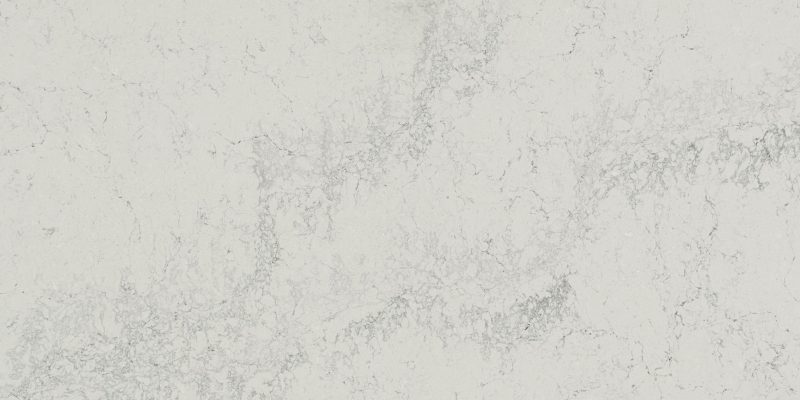
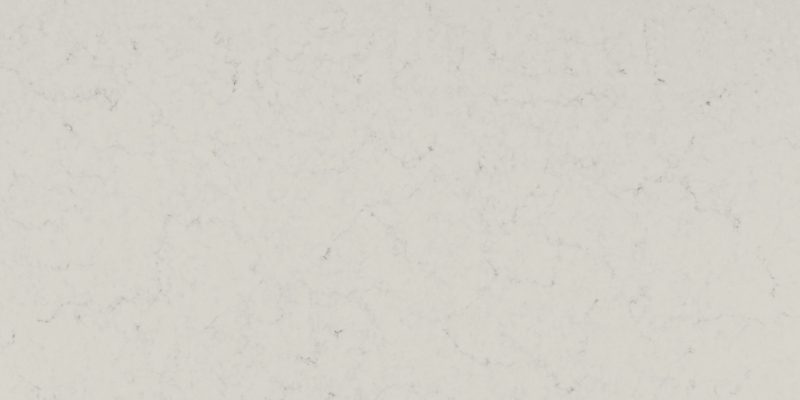


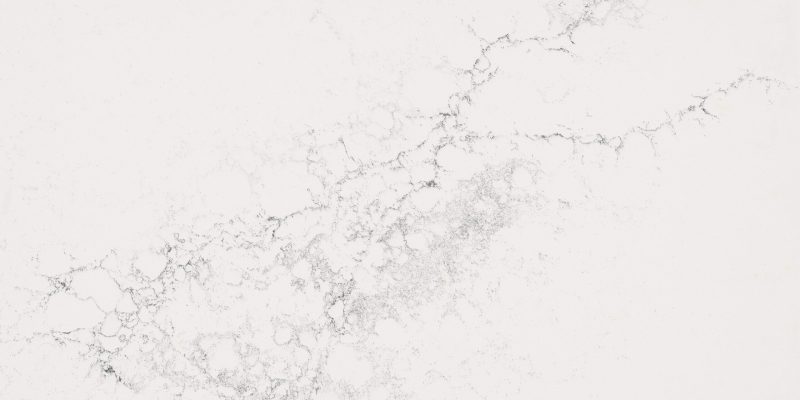
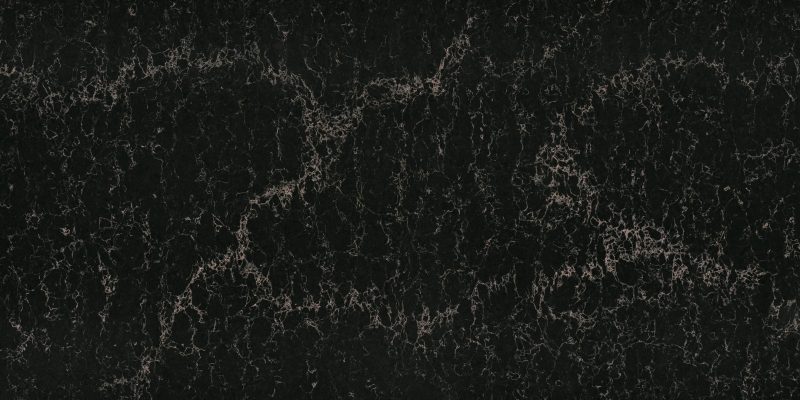
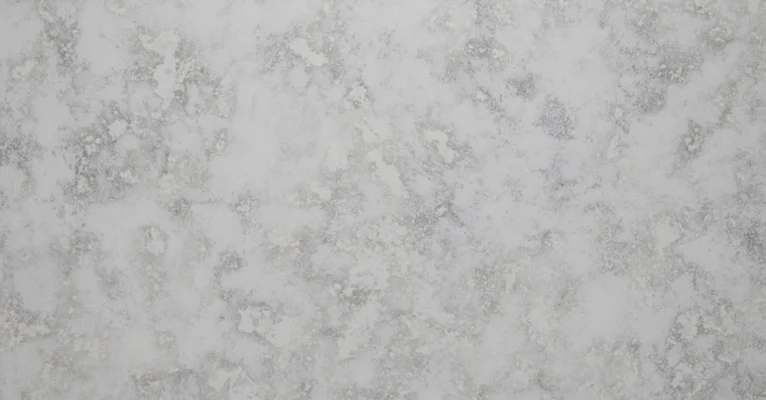
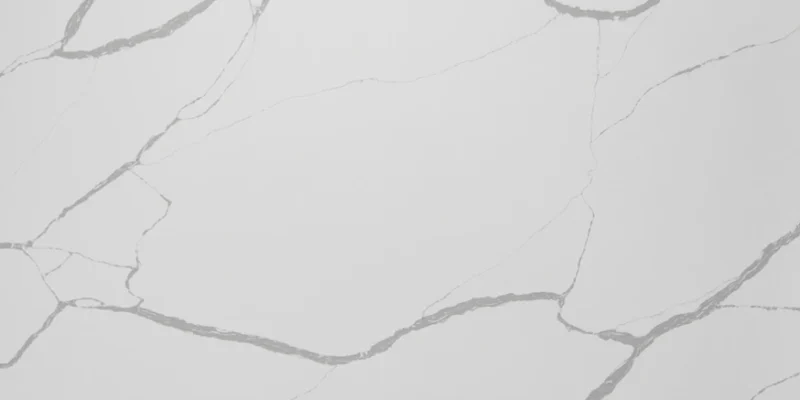
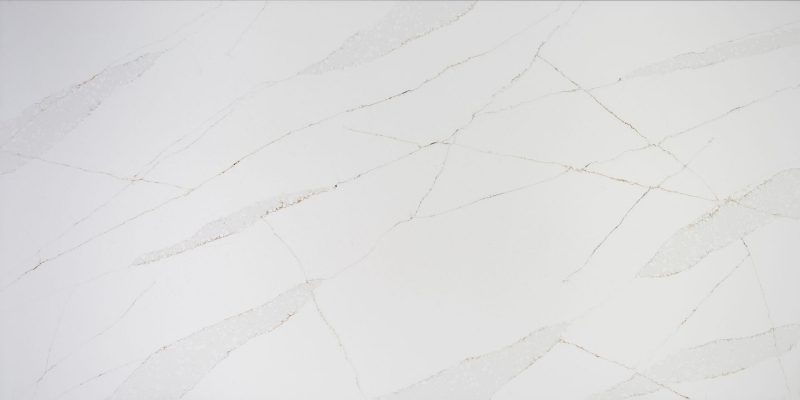

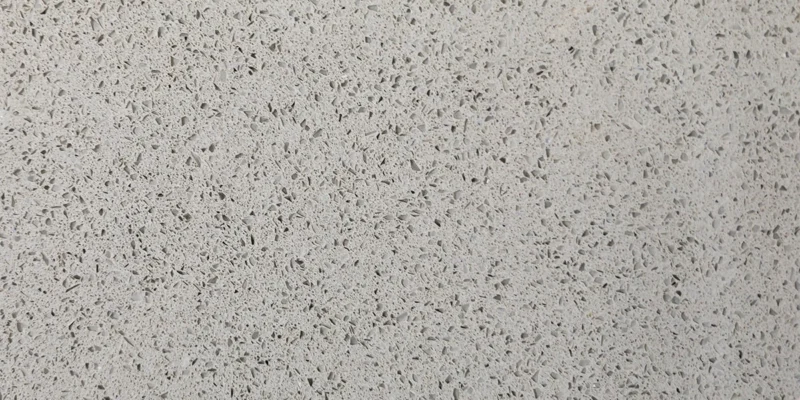

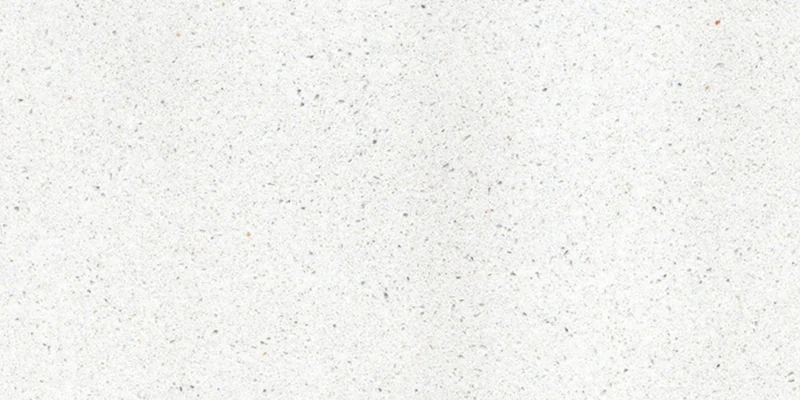


Granite may suit families comfortable with occasional maintenance in exchange for natural pattern variation and established repair options. Review available granite countertop materials using actual slabs whenever possible.
Marble and quartzite are natural stones with different maintenance profiles. They should not be grouped together simply because some slabs share similar colours or veining.
Marble is sensitive to acidic substances such as lemon juice, vinegar and some cleaning products. Acid contact can cause etching, which changes the surface finish rather than creating an ordinary removable stain.
Sealing may reduce absorption but does not prevent etching. Marble is therefore better suited to homeowners who accept prompt cleanup, careful product selection and gradual patina.
Explore available marble countertop materials only after considering whether the household is comfortable with visible surface change.
True quartzite is generally valued for natural pattern and hardness, but absorption and sealing requirements vary by slab. Material identification is important because some stones sold under commercial names may behave differently from what homeowners expect.
Quartzite should be cleaned with suitable stone-care products, protected from heavy edge impacts and sealed when the selected slab requires it.
Browse available quartzite countertop options and ask about the actual slab’s absorption, finish and care requirements.
Family kitchens often experience frequent spills, repeated wiping, small impacts and constant use around sinks, appliances and seating areas. The best low-maintenance surface is the one that handles these routines without requiring unrealistic precautions.
Quartz and porcelain may simplify cleanup because most products have low absorption and avoid routine sealing. Granite can also perform reliably when the slab’s absorption and sealing needs are understood.
Spill resistance does not eliminate the need for prompt cleaning. Oils, food colouring, adhesives and strong chemicals can affect seams, finishes or adjacent cabinetry even when the main countertop surface has low absorption.
Frequent cooking makes heat precautions especially important. Trivets should remain part of normal use for quartz, natural stone and porcelain because installed performance also depends on joints, openings, adhesives and support.
A countertop should not be selected based on the expectation that hot cookware, direct cutting or heavy impact will never cause damage.
Quartz and porcelain generally offer the most predictable daily-care routines among the materials discussed here. Granite may remain practical for households willing to confirm sealing requirements, while marble requires greater acceptance of etching and patina.
Family Kitchen Rule
Prioritize predictable cleaning and realistic precautions over claims that a countertop is completely stain-proof, heat-proof or maintenance-free.
Low-maintenance countertops still benefit from a consistent cleaning routine. Spills should be removed promptly, especially oils, strongly coloured foods, acidic liquids and products that may affect seams or sealants.
A practical routine usually includes:
One cleaning product should not automatically be used on quartz, granite, marble and porcelain. Acidic cleaners may affect marble and some natural stones, while abrasive pads or strong solvents can damage finishes, resins or sealants.
Review common countertop cleaning mistakes before using vinegar, bleach, abrasive powders or steam-cleaning equipment.
Use cutting boards, trays and spoon rests in areas where food colouring, oil, coffee or acidic ingredients are handled frequently. These habits reduce direct exposure without requiring a specialized maintenance program.
Stains should be treated according to the material and substance involved. Aggressive DIY stain removal can make the damage worse, particularly on marble, natural stone and engineered surfaces.
A low-maintenance surface should tolerate ordinary use, but no countertop should be treated as completely heat-proof or scratch-proof.
Use trivets beneath hot cookware and heat-producing appliances. Quartz can be affected by concentrated heat, while natural stone and porcelain installations may still contain vulnerable joints, openings, adhesives or unsupported sections.
Cutting directly on the countertop can damage the surface, dull knives or leave metal marks. Cutting boards should be used on quartz, granite, porcelain, marble and quartzite.
Porcelain and hard natural stones may resist surface scratching well, but exposed edges and corners can still chip under impact.
Professional assessment may be appropriate for:
The guide to durable countertops for busy kitchens provides additional comparison of impact, heat and wear considerations.
Final Low-Maintenance Checklist
Confirm daily cleaning, sealing, heat precautions, acid sensitivity, edge vulnerability and repair options for the exact product before ordering.
Quartz and porcelain generally provide the simplest routine care because most products have low absorption and do not require periodic sealing. Exact precautions vary by product.
Granite can be low to moderate maintenance. Some slabs require sealing, while others have lower absorption. Cleaning and sealing guidance should be based on the actual slab and finish.
No. Quartz resists many household stains, but prolonged exposure to colourants, chemicals or unsuitable cleaners can still affect the surface.
The surface can resist wear well, but exposed edges, corners and narrow sections around openings may chip under concentrated impact.
Yes, when the household accepts prompt spill cleanup, acid etching and gradual patina. It is not usually the lowest-maintenance choice.
There is no universal schedule. Sealing depends on the slab, absorption, finish, existing treatment and fabricator guidance.
Not necessarily. Cleaner compatibility should be confirmed for each material, finish and manufacturer.
Quartz and porcelain generally provide the most predictable care routines. Granite may suit homeowners willing to manage occasional sealing, while quartzite and marble require greater attention to slab characteristics, acids and natural surface changes.
TecCorp can help compare available quartz, granite, quartzite, marble and porcelain surfaces based on cleaning, maintenance, appearance and fabrication requirements.
Choose a Countertop That Fits Your Routine
Share your kitchen layout, material preferences and maintenance priorities for an initial countertop review.