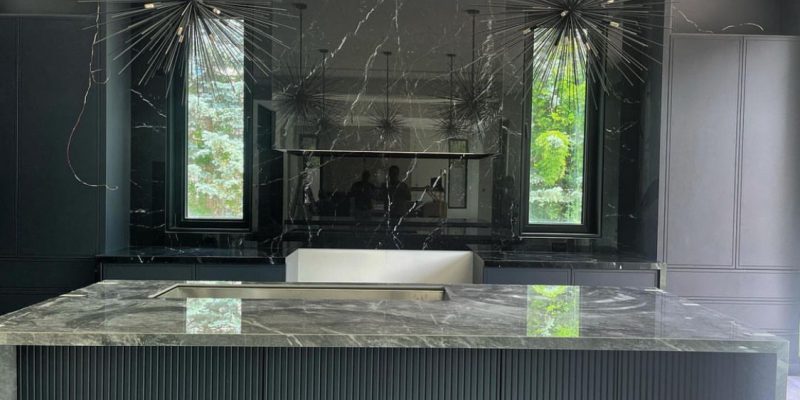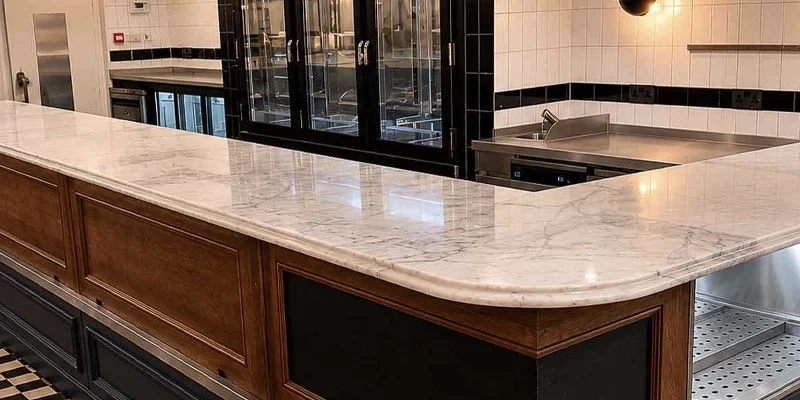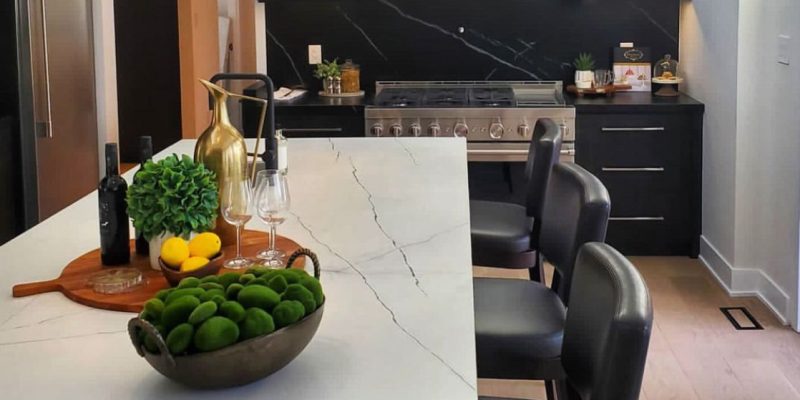
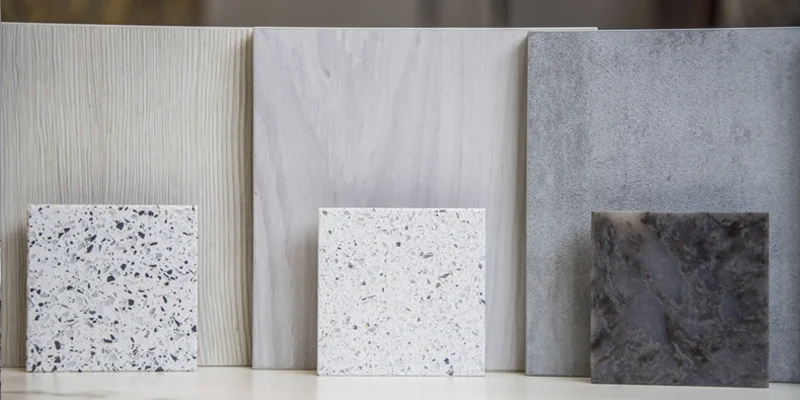
Quartz vs granite vs porcelain heat resistance is not a simple comparison between one safe material and two unsafe alternatives. Each surface responds differently to hot cookware because quartz contains resin binders, granite is a natural mineral slab, and porcelain is a high-fired ceramic material.
Quartz is generally the most sensitive of the three to direct or prolonged heat. Granite and porcelain provide stronger material heat resistance, but neither should be treated as heat-proof. Seams, adhesives, repaired areas, edge details, surface treatments and surrounding cabinetry may react differently from the countertop material itself.
This guide compares how quartz, granite and porcelain respond to hot pans, baking trays, countertop appliances and sudden temperature changes. It also explains why trivets remain the safest recommendation for every kitchen countertop.
Quick Answer
Quartz requires the greatest protection from direct heat because its resin components can be affected by elevated temperatures. Granite and porcelain generally tolerate kitchen heat better, but hot cookware should still be placed on trivets to protect seams, adhesives, repairs, edges and nearby finishes. No countertop should be treated as completely heat-proof.
All three materials can be used successfully in residential kitchens, but their composition creates different heat-related risks. The table below compares their general behaviour rather than assigning universal temperature limits.
| Comparison Factor | Quartz | Granite | Porcelain |
|---|---|---|---|
| Material composition | Engineered mineral surface containing resin binders | Natural igneous stone composed of several minerals | High-fired ceramic slab made from refined mineral and clay-based materials |
| General heat response | More sensitive to direct and prolonged heat | Strong material heat resistance | Strong material heat resistance |
| Main concern | Resin discolouration, surface damage or cracking | Thermal shock, natural fissures, seams or repaired areas | Seams, adhesives, substrates, thin edges and cutouts |
| Thermal-shock consideration | Rapid temperature change can stress the surface and resin system | Possible around fissures, edges, seams or unevenly heated areas | Material performs well, but the full installed system must be considered |
| Recommended protection | Trivets or manufacturer-approved heat pads are essential | Trivets are recommended | Trivets are recommended |
| Best fit | Indoor kitchens where heat-protection habits are followed consistently | Homeowners wanting natural stone with strong kitchen heat performance | High-heat, sun-exposed or thin-format applications approved by the manufacturer |
The table describes general material behaviour. The exact performance of a countertop also depends on the manufacturer, slab, thickness, fabrication details, support and installation system.
Homeowners can review available quartz countertops, granite countertops and porcelain countertops when comparing design and performance requirements.
Heat resistance describes a material’s ability to tolerate elevated temperatures under particular conditions. It does not mean that the surface, seam, adhesive and surrounding installation can withstand unlimited direct heat without risk.
A countertop is a complete assembly rather than a single isolated slab. Even when the material itself performs well, other components may respond differently.
Direct heat occurs when hot cookware or an operating appliance transfers heat into the countertop without a protective barrier. Common examples include:
Temperature, exposure time and contact area all matter. A warm plate does not create the same stress as a heavy pan removed from a high-temperature burner.
Thermal shock occurs when part of a surface experiences a rapid temperature change. For example, placing very hot cookware on a cool countertop creates a concentrated temperature difference between the heated area and the surrounding material.
This difference can create internal stress. The result depends on the material, slab characteristics, section thickness, nearby cutouts, support and installation details.
Thermal shock should not be described as an inevitable outcome, but it is one reason manufacturers and fabricators recommend using trivets even on heat-resistant stone and ceramic surfaces.
The visible surface is only one part of the installed countertop. Heat may also affect:
A material may tolerate heat better than an adhesive used at a seam or mitred edge. For this reason, placing hot cookware away from seams, joints and repaired areas is especially important.
Universal Heat-Safety Rule
Use a stable trivet or manufacturer-approved heat pad beneath hot cookware on quartz, granite and porcelain. The small protective step reduces risk to both the material and the complete countertop installation.
Quartz countertops are engineered from quartz minerals combined with resin binders, pigments and other components. The mineral content contributes hardness and durability, while the resin system helps bind the slab together and create a controlled appearance.
The resin is also the reason quartz requires more heat protection than granite or porcelain. Excessive or prolonged heat may affect the binders before it affects the quartz minerals themselves.
Depending on the product and exposure, direct heat may contribute to:
Heat damage may be difficult to conceal because the colour and pattern continue across the surrounding engineered surface. Some damage may require professional assessment, and severe cases can require replacement of the affected section.
There is no single reliable temperature limit that applies to every quartz countertop. Resin formulations, pigments, slab construction and manufacturer testing differ between products.
Homeowners should follow the care instructions for the exact quartz brand and collection installed in their kitchen. A general online temperature figure should not replace product-specific guidance.
Quartz damage is not limited to pans removed from the stove. Appliances that operate for extended periods may transfer concentrated heat downward or trap warm air near the surface.
Examples include:
Use the appliance manufacturer’s required clearances and place a suitable protective barrier beneath equipment when recommended. Towels, thin plastic boards and combustible materials should not be assumed to provide safe heat protection.
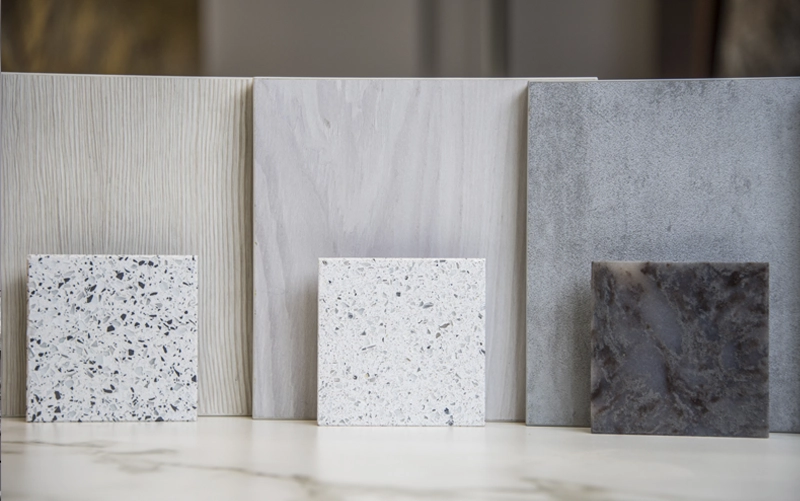
Quartz Heat Protection
Do not place cookware directly from a burner or oven onto quartz. Use stable trivets or manufacturer-approved heat pads and keep operating countertop appliances within the required clearance and ventilation conditions.
The next section compares how natural granite and high-fired porcelain respond to heat, including the role of natural fissures, thin edges, seams, adhesives, substrates and installation quality.
Granite is a natural igneous stone formed through geological processes involving substantial heat and pressure. Its mineral composition gives the slab strong resistance to normal kitchen heat and makes it less vulnerable than resin-based quartz to scorching or discolouration.
This does not mean that a granite countertop should be used as a permanent landing surface for cookware. The performance of the installed counter also depends on the individual slab, natural fissures, seams, previous repairs, edge conditions, sealer and supporting cabinetry.
Granite contains no resin binder comparable to the material used in engineered quartz. Consequently, the stone itself generally tolerates brief exposure to elevated temperatures more effectively than quartz.
This characteristic makes granite practical for kitchens where cooking and baking are frequent. However, strong material performance should not be interpreted as permission to place every hot pan directly on the surface.
A stable trivet remains the safer choice because it:
Granite slabs may contain natural mineral transitions, veins and fissures. These geological features are part of the stone’s appearance and are not automatically structural defects, but they can influence how the fabricator plans cutouts, edges and seams.
A concentrated temperature change near a natural feature, narrow countertop section or unsupported area may create different stresses than the same exposure across a broad, well-supported surface.
The actual slab should therefore be inspected before fabrication, especially when the layout includes:
Some granite countertops benefit from a penetrating sealer, depending on the stone’s absorption characteristics and finish. The heat performance of the stone should not be assumed to apply equally to every sealer, adhesive or repair compound used in the installation.
Hot cookware should be kept away from seams and professionally repaired areas whenever possible. Even when the granite remains unaffected, concentrated heat may weaken or discolour materials used to assemble or restore the countertop.
Granite does not commonly fail from ordinary kitchen warmth, but cracking is possible under unfavourable conditions. Rapid temperature change, existing structural weakness, unsupported sections or stress around cutouts can contribute to damage.
It is more accurate to describe granite as highly heat resistant than heat-proof. Routine use of trivets provides additional protection without reducing the practicality of the surface.
Granite Heat Takeaway
Granite provides strong material heat resistance and generally offers a greater margin of protection than quartz. Trivets are still recommended, particularly near seams, fissures, repaired sections and exposed edges.
Porcelain slabs are manufactured from refined mineral and clay-based materials that are compacted and fired at high temperatures. This process creates a hard ceramic surface with very low water absorption and strong resistance to kitchen heat.
Porcelain contains no resin binder comparable to engineered quartz. The surface therefore generally performs well around cooking heat, baking areas and appliances that would require greater caution on quartz.
The manufacturing process gives porcelain strong material heat resistance. It is also commonly selected for applications where heat, sunlight or moisture exposure is an important consideration.
However, statements such as “hot pans can always be placed directly on porcelain” ignore the rest of the countertop assembly. The visible slab may perform well while another component remains more heat-sensitive.
Potentially affected components include:
Porcelain combines a hard surface with edges and corners that can be vulnerable to concentrated impact. Heat resistance does not eliminate the need for careful fabrication around sink and cooktop openings.
Internal corners, narrow strips and mitred edges should be fabricated according to the selected product’s technical requirements.

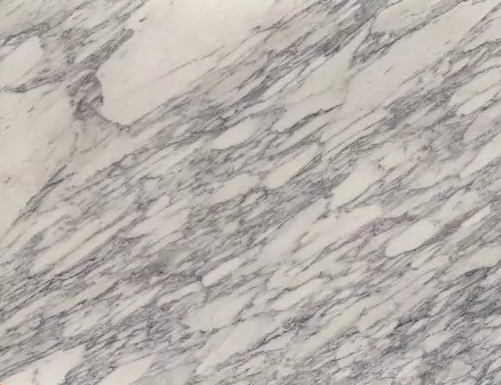




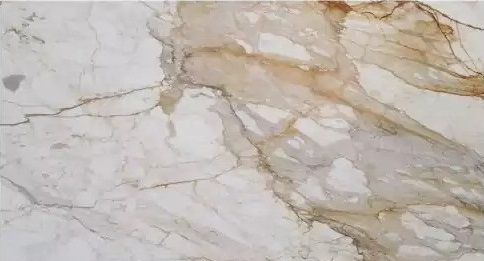




Porcelain can be an effective surface around high-use cooking zones, but cooktop clearances and cutout specifications must follow the appliance manufacturer’s requirements.
The fabricator should confirm:
For a broader comparison beyond heat alone, review porcelain vs granite countertops and porcelain vs quartz countertops.
Porcelain Heat Takeaway
Porcelain offers strong material heat resistance, but the countertop should still be protected with trivets. Thin edges, cutouts, seams, adhesives and substrates remain important parts of the installed system.
Heat-related risk is shaped by more than the countertop material. The temperature of the item, length of exposure, contact area and location on the countertop all influence the outcome.
Cookware removed directly from a burner may retain substantial heat, particularly when made from cast iron or other heavy materials. Placing it on a trivet protects quartz from resin damage and reduces concentrated thermal stress on granite and porcelain installations.
The trivet should be stable, heat-rated and large enough to support the entire base of the cookware.
Oven trays can heat a broad area of the countertop. Even brief placement may transfer substantial energy into the surface, especially when the pan remains stationary.
A heat pad or trivet should be prepared before the tray leaves the oven. Dish towels and thin plastic cutting boards should not be assumed to provide suitable protection.
Countertop appliances can expose the surface to heat over a longer period than a pan placed down momentarily. Heat may transfer through the appliance feet or become trapped beneath and behind the unit.
Follow the appliance manufacturer’s clearance and ventilation instructions. Where recommended, use a heat-resistant barrier that does not block airflow.
Appliances should not be operated directly over:
Slow cookers, multicookers and pressure cookers may operate for several hours. Their exterior temperature may seem moderate, but prolonged exposure can create a concentrated warm area.
This type of exposure is particularly relevant for quartz. A manufacturer-approved heat mat and adequate airflow can reduce risk during extended operation.
Espresso machines, warming trays and similar equipment may produce heat, steam and moisture. The countertop should be protected according to the equipment manufacturer’s instructions, particularly when the appliance remains in one location permanently.
Condensation and water should also be cleaned from seams and wall joints rather than allowed to collect beneath the appliance.
Cooktop openings create narrow countertop sections that may be exposed to both heat and structural stress. Correct dimensions, clearances and support are essential for quartz, granite and porcelain.
The countertop fabricator should use the final appliance specifications rather than estimated dimensions. Replacing the cooktop model after templating may change the required opening and clearance details.
Professional custom stone fabrication helps coordinate appliance openings, supports, edges and seam locations with the selected countertop material.
Kitchen islands often function as preparation surfaces, serving areas and temporary landing zones for cookware. This makes it useful to plan a permanent location for trivets near the cooking area.
If the island includes a cooktop, the layout should provide enough protected landing space for hot cookware without placing pans near an exposed edge, seam or seating area.
Practical Kitchen Rule
The safest countertop is supported by consistent habits. Keep suitable trivets near the cooktop and oven, follow appliance clearance instructions and avoid prolonged heat exposure over seams, repairs and narrow sections.
The final section explains which material best matches different cooking habits, how to protect every countertop from heat and how to compare quartz, granite and porcelain without relying on misleading heat-proof claims.
The best heat-resistant countertop is not necessarily the material with the strongest laboratory performance. It is the surface that matches how often you cook, the appliances you use and how consistently your household follows heat-protection practices.
Quartz, granite and porcelain can all work well in kitchens where most meals involve reheating, light stovetop use or limited baking.
Quartz may be particularly practical when homeowners prioritize:
Direct heat protection remains necessary. Even occasional placement of a hot pan can affect the resin system in quartz.
Busy kitchens need a surface that handles frequent food preparation, multiple appliances and repeated cleaning. Quartz provides balanced everyday performance, but it requires disciplined use of trivets and heat pads.
Granite may provide a greater margin of heat resistance for households that cook regularly, while porcelain can also perform strongly where heat resistance and low absorption are priorities.
The decision should also consider impact risk. Porcelain has a hard wear surface, but exposed edges and corners require protection from heavy cookware. Granite and quartz edges may also chip under concentrated impact.
Homeowners who regularly move baking trays, roasting pans and hot cookware between an oven and countertop should plan dedicated heat-safe landing areas.
Granite and porcelain generally provide stronger material heat resistance than quartz, but neither eliminates the need for trivets. A permanent heat-protection station beside the oven may be more useful than selecting a material based only on general heat claims.
Households using cast iron cookware, high-output burners, electric griddles or several heated countertop appliances should give heat performance greater weight during material selection.
Porcelain and granite are generally stronger candidates than quartz for this type of use. The final choice should still account for:
Porcelain products approved by their manufacturers for exterior use may suit outdoor kitchens because of their heat, moisture and UV performance. Exterior suitability should never be assumed from the word “porcelain” alone.
The complete exterior system must also account for:
Many standard quartz products are intended primarily for indoor use. Granite may be suitable for selected exterior projects, but the slab, finish and installation system should be evaluated for the intended exposure.
Preventing heat damage is easier than repairing it. Consistent protection also preserves seams, adhesives, finishes and surrounding cabinetry—not only the visible countertop surface.
A trivet should fully support the base of the cookware and remain stable under its weight. Small or uneven trivets can allow part of a hot pan to contact the countertop.
Keep trivets near the cooktop, oven and primary food-preparation area so they are available before hot cookware is moved.
Not every mat or pad is suitable for prolonged high-temperature exposure. Follow the countertop and appliance manufacturers’ recommendations when selecting a protective barrier.
A thin towel, plastic cutting board or decorative placemat should not be treated as a reliable heat barrier.
Air fryers, toaster ovens, espresso machines and other heated appliances require suitable ventilation. A heat mat should not block airflow or interfere with the appliance’s required clearances.
Check whether heat is discharged from the base, sides or rear of the equipment before choosing its permanent countertop position.
Whenever possible, avoid placing hot cookware or operating heated appliances directly over:
These locations may contain adhesives or experience greater structural stress than the centre of a broad countertop section.
General material comparisons cannot replace the care guidance for the exact quartz brand, granite slab treatment or porcelain product installed in the kitchen.
Keep the manufacturer’s care document and fabrication information with the project records. This is especially useful when evaluating cleaners, heat exposure, repairs or future modifications.
| Material | Heat Performance | Primary Limitation | Best Practice |
|---|---|---|---|
| Quartz | Suitable for normal kitchen use with consistent protection | Resin binders may be affected by direct or prolonged heat | Always use trivets and suitable heat pads |
| Granite | Strong natural material heat resistance | Thermal shock, fissures, seams, sealers and repaired sections | Use trivets and avoid concentrated heat near vulnerable areas |
| Porcelain | Strong high-fired ceramic heat performance | Thin edges, cutouts, seams, substrates and adhesives | Use trivets and follow product-specific fabrication guidance |
Quartz is usually the most heat-sensitive of the three because of its resin components. It remains suitable for kitchens where homeowners consistently use heat protection.
Granite offers strong natural heat resistance and suits homeowners who want natural slab variation. Its performance still depends on the individual stone, seams, repairs and installation quality.
Porcelain provides strong material heat resistance and can support thin-format and approved exterior applications. Its edges, cutouts and installation system require specialist planning.
Final Decision Rule
Choose quartz for balanced indoor performance with strict heat protection, granite for natural stone with strong heat tolerance, and porcelain for high-fired performance and architectural design flexibility. Use trivets on all three.
Granite and porcelain generally provide stronger material heat resistance than quartz. The final performance still depends on seams, adhesives, cutouts, slab or product characteristics and installation quality.
Direct placement is not recommended. Although porcelain has strong heat resistance, a trivet also protects seams, adhesives, substrates, repaired areas and surrounding cabinetry.
Granite generally tolerates kitchen heat well, but trivets remain recommended to reduce thermal stress and protect seams, sealers, repairs and nearby finishes.
There is no universal limit for all quartz products. Resin formulations and manufacturer requirements vary, so the care instructions for the exact brand and collection should be followed.
An air fryer can transfer prolonged heat through its base or exhaust hot air around the appliance. Follow required clearances and use a suitable heat-resistant barrier when recommended, especially on quartz.
Thermal shock is stress caused by rapid or uneven temperature change. It may occur when very hot cookware is placed on a substantially cooler surface.
Yes. Seam adhesives may react differently from the countertop material itself. Avoid placing hot cookware or heated appliances directly over seams and mitred joints.
Yes. Trivets provide inexpensive protection for quartz, granite, porcelain and the other materials used within the complete countertop installation.
Heat resistance should be evaluated alongside appearance, scratch and impact behaviour, maintenance, fabrication requirements and project budget. A material that performs well technically may still be unsuitable if its design, edges or care requirements do not match the kitchen.
TecCorp Stone can help homeowners compare quartz, granite and porcelain surfaces for kitchen countertops, islands and custom applications across Toronto and Ontario.