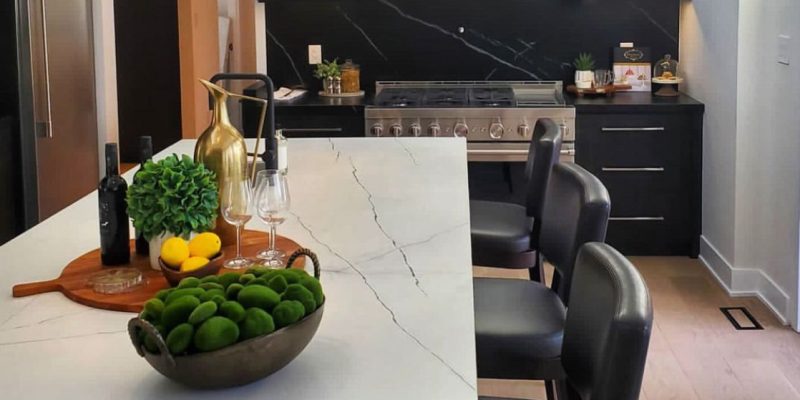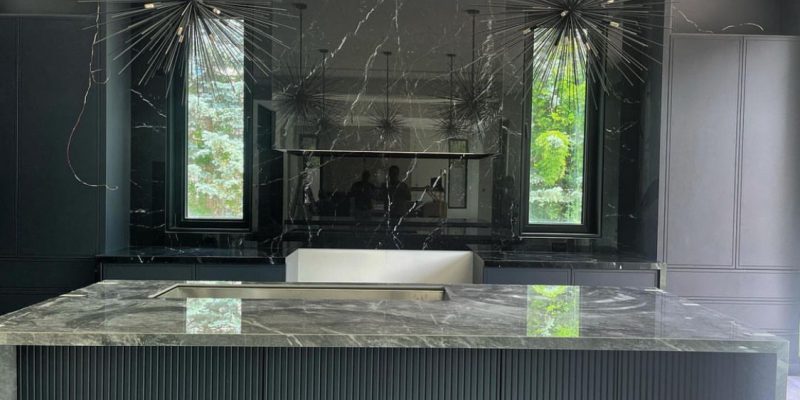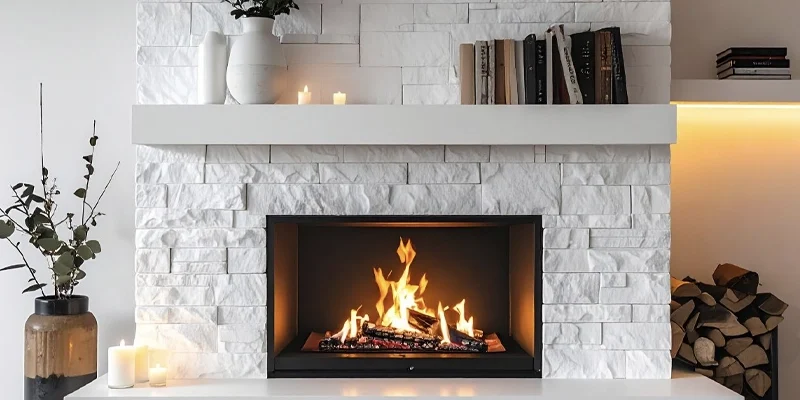
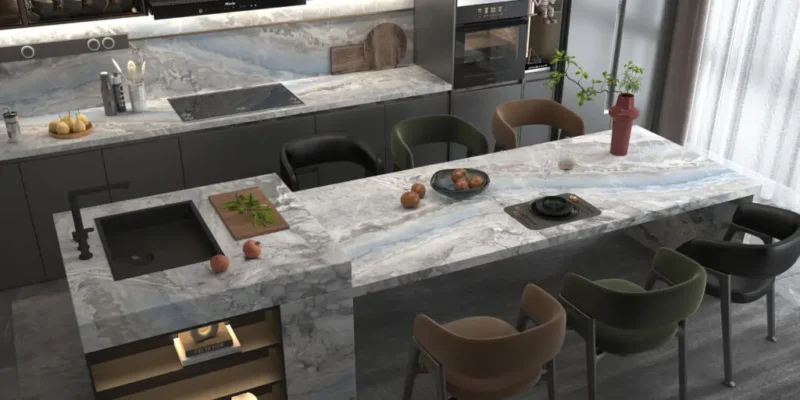
Porcelain vs quartz countertops is a comparison between two manufactured surfaces that can both work well in Ontario kitchens, but they differ significantly in heat response, edge behaviour, fabrication and design flexibility. Porcelain is a high-fired ceramic slab with very low water absorption and strong material heat resistance. Quartz is an engineered mineral surface held together with resin binders, offering consistent designs and practical everyday performance.
Porcelain may be the better fit for homeowners who prioritize heat performance, slim architectural profiles and coordinated countertop, backsplash or waterfall applications. Quartz may suit homeowners who want an extensive range of familiar indoor designs, conventional edge options and a surface that is widely used by countertop fabricators.
Neither material is universally better. The right choice depends on cooking habits, edge design, appliance placement, maintenance expectations, fabrication requirements and the exact product selected.
Quick Answer
Choose porcelain when strong material heat resistance, very low water absorption and slim or large-format applications are priorities. Choose quartz when consistent indoor designs, familiar fabrication methods and broad product availability matter more. Porcelain requires careful protection around exposed edges and cutouts, while quartz requires greater protection from direct and prolonged heat.
The most important distinction is the way each material responds to heat and fabrication. Porcelain has stronger material heat resistance but requires specialist handling around edges, corners and cutouts. Quartz is easier to specify through a broad range of established collections, but its resin content makes direct heat protection more important.
| Comparison Factor | Porcelain | Quartz |
|---|---|---|
| Material type | High-fired ceramic slab | Engineered mineral surface with resin binders |
| Appearance | Controlled colours, finishes and large-format surface designs | Consistent colours and patterns across a broad range of collections |
| Heat response | Strong material heat resistance | More sensitive to direct and prolonged heat |
| Scratch behaviour | Hard, wear-resistant surface | Strong everyday scratch resistance but not scratch-proof |
| Primary vulnerability | Exposed edges, corners, narrow rails and complex cutouts | Direct heat, prolonged appliance heat and seam areas |
| Water absorption | Very low | Low under normal countertop use |
| Sealing | Generally does not require penetrating sealer | Generally does not require penetrating sealer |
| Typical profile | Slim exposed edges or mitred architectural build-ups | Conventional slab thicknesses and familiar edge profiles |
| Best suited to | Heat-conscious, modern and large-format applications | Balanced indoor kitchen use and consistent design preferences |
These characteristics are general. Exact performance depends on the manufacturer, collection, thickness, finish, edge design, support and installation system.
The way each slab is manufactured explains many of its practical strengths and limitations.
Porcelain countertops are made from refined clay-based and mineral materials that are compacted and fired at high temperatures. The manufacturing process creates a dense ceramic surface with very low water absorption.
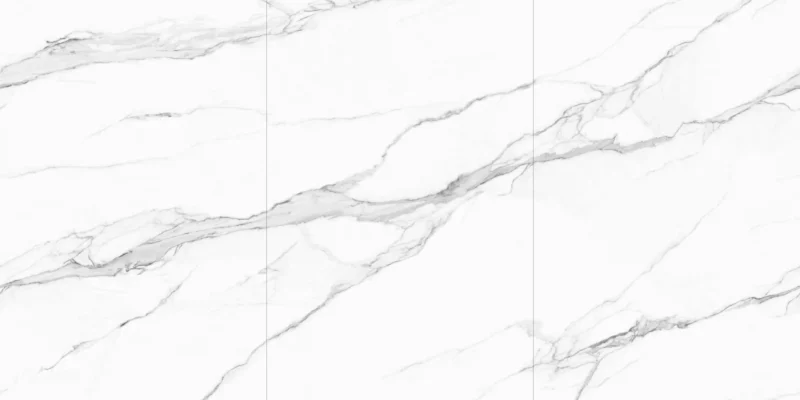
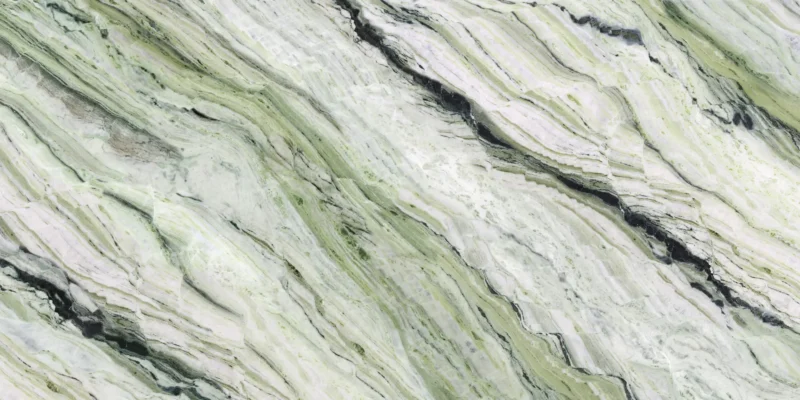
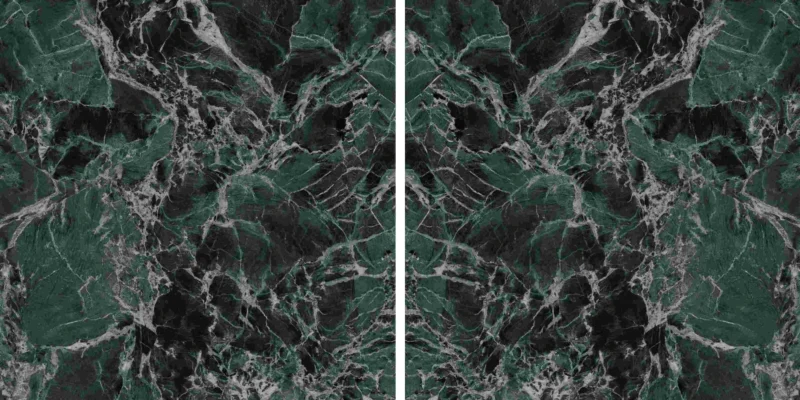
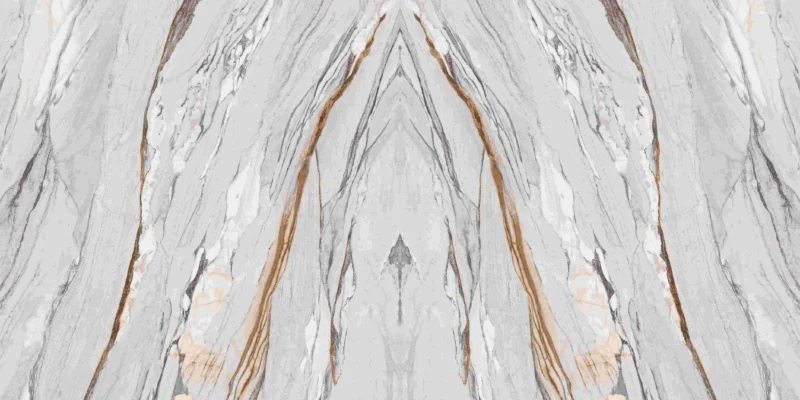
Porcelain collections may include solid colours, stone-inspired patterns, concrete effects and other architectural finishes. Many products are manufactured in large panel formats that can be used for countertops, waterfall ends and coordinated wall applications.
Porcelain generally provides:
These benefits do not make porcelain immune to damage. Concentrated impact can chip exposed edges, corners or narrow areas around sinks and cooktops. Large panels also require suitable handling equipment and fabricators familiar with the selected product.
Quartz countertops are engineered surfaces made from mineral components combined with resin binders, pigments and other manufacturing materials. The resin system binds the slab together and helps manufacturers create consistent colours and controlled patterns.
Quartz generally provides:
The resin content also creates an important limitation. Quartz is more sensitive to direct heat than porcelain. Hot cookware and heated appliances should be managed according to the manufacturer’s care instructions and protected with appropriate trivets or heat pads.
Quartz should not be described as completely non-porous, stain-proof or heat-proof. Surface performance varies by product, finish, exposure and maintenance.
Material Difference
Porcelain is a high-fired ceramic surface with stronger material heat resistance and very low water absorption. Quartz is an engineered mineral surface with resin binders, offering broad design consistency but requiring greater protection from direct heat.
Both materials are manufactured, so neither provides the geological individuality of natural granite or marble. Their visual differences come from slab format, surface design, finish and edge construction.
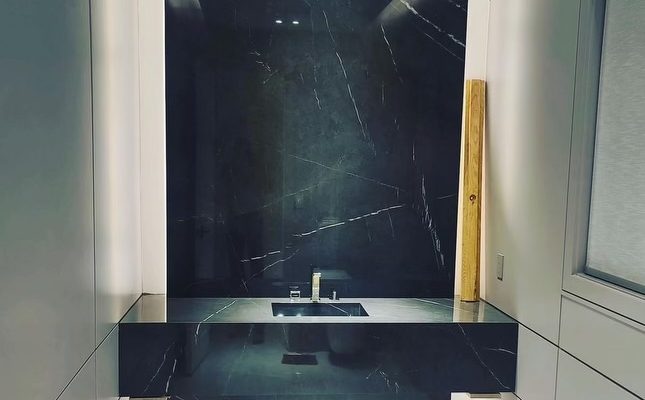
Porcelain is often selected for contemporary spaces that use slim profiles, large panels and coordinated vertical surfaces. Available designs can reproduce marble, concrete, stone, metal and solid-colour effects.
Porcelain may suit projects requiring:
Pattern continuity is not automatic. Vein direction, panel orientation and the relationship between horizontal and vertical sections should be reviewed during slab planning.
Quartz is available in an extensive range of colours, patterns and finishes. Options range from subtle solid surfaces to marble-inspired designs with prominent veining.
Quartz may suit homeowners who want:
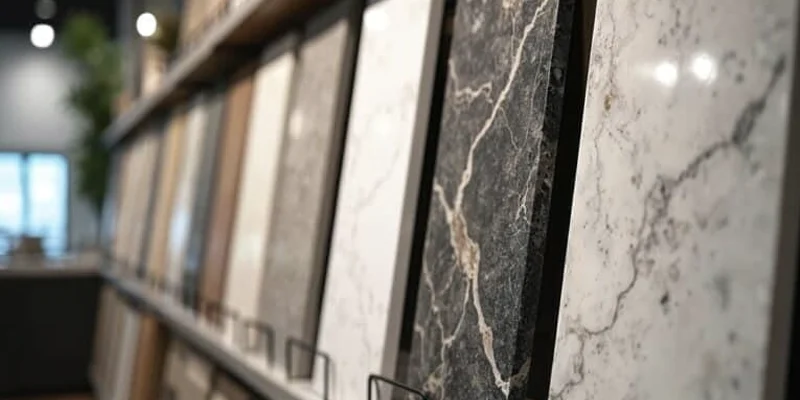
Pattern repetition and seam visibility can vary between collections. Samples should be used for initial selection, but larger slab images or physical slabs provide a better understanding of overall pattern scale.
Neither answer applies universally. Some porcelain collections provide crisp, large-format stone imagery, while some quartz products create greater visual depth through their engineered pattern structure.
The more suitable appearance depends on the exact product rather than the material name alone. Porcelain often supports thinner, more architectural applications, while quartz commonly provides a familiar countertop depth and broader selection of indoor kitchen designs.
The next section compares scratch resistance, edge chipping, impact performance and how porcelain and quartz respond to direct heat and everyday kitchen use.
Porcelain and quartz are both durable countertop materials, but their vulnerabilities are different. Porcelain provides a very hard wear surface, while quartz combines mineral content with resin binders that create a solid engineered slab. Real-world performance depends on the exact product, finish, edge design, support and quality of fabrication.
Porcelain generally resists routine scratching and surface wear well. However, the broad face of the slab and its exposed edges should not be treated as equally resistant to every type of damage.
Concentrated impact from heavy cookware may chip:
Correct edge fabrication, internal-corner design and support are especially important for large or thin-format porcelain sections.
Quartz generally provides strong resistance to scratches during normal kitchen use, but it is not scratch-proof. Abrasive particles beneath cookware, unglazed ceramic objects and unsuitable cleaning tools may mark or dull some finishes.
Quartz edges can also chip when struck by heavy objects. Damage may occur around sink openings, exposed corners or narrow countertop sections, particularly when the impact is concentrated in one location.
Cutting directly on quartz or porcelain is not recommended. A cutting board protects the surface, preserves knife edges and reduces unnecessary wear.
Neither material is automatically better for every active household. Porcelain may suit kitchens where surface wear resistance and heat performance are priorities, provided exposed edges receive careful protection. Quartz can provide balanced everyday durability where hot cookware is consistently placed on trivets.
For either material, long-term performance improves when homeowners:
Durability Summary
Porcelain offers a hard, wear-resistant surface but requires careful protection around exposed edges and cutouts. Quartz provides strong everyday durability but remains vulnerable to concentrated impact, abrasive materials and direct heat.
Heat response is one of the clearest differences between porcelain and quartz. Porcelain generally provides stronger material heat resistance because it is manufactured through a high-temperature firing process. Quartz contains resin binders that may be affected by direct or prolonged heat.
The porcelain material itself generally performs well around normal kitchen heat. However, the complete countertop installation may contain components with different heat limits, including:
For this reason, hot pans and oven trays should still be placed on a stable, heat-rated trivet rather than directly on the countertop.
Quartz countertops require greater protection because excessive heat may affect the resin system. Depending on the product and exposure, possible results may include discolouration, surface changes or cracking caused by concentrated thermal stress.
There is no universal heat limit that applies to every quartz brand and collection. Homeowners should follow the care instructions supplied for the exact installed product.
Air fryers, toaster ovens, electric griddles, slow cookers and other appliances may transfer heat through their bases or discharge hot air around the unit. Required clearances and ventilation should be followed for both materials, with particular care on quartz.
Thin towels, plastic cutting boards and decorative placemats should not be assumed to provide suitable heat protection.
For a more detailed comparison, review the quartz vs granite vs porcelain heat resistance guide.
Heat Comparison
Porcelain generally offers stronger material heat resistance. Quartz remains suitable for indoor kitchens but requires more disciplined protection from hot cookware and prolonged appliance heat. Trivets are recommended for both.
Porcelain and quartz both provide low-absorption countertop surfaces and generally do not require the penetrating sealers commonly associated with some natural stones.
Porcelain has very low water absorption and generally performs well against common household spills.
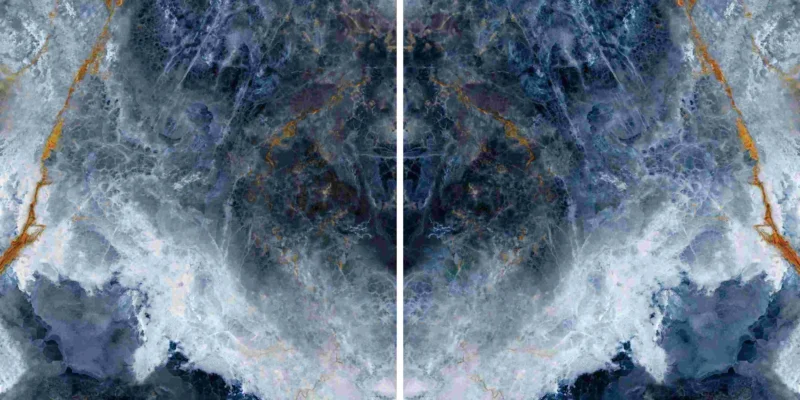
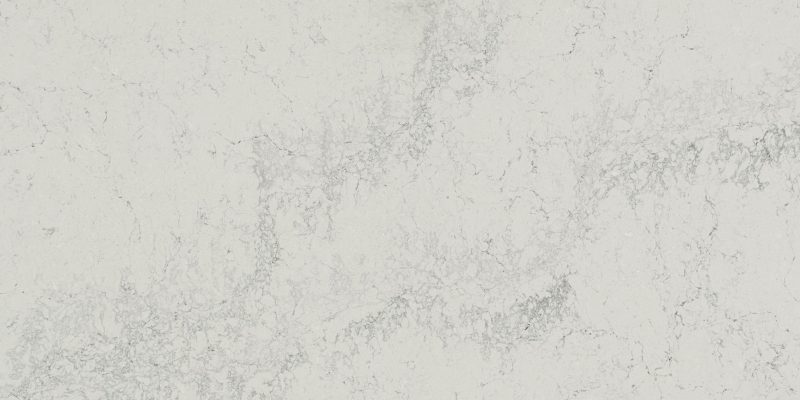
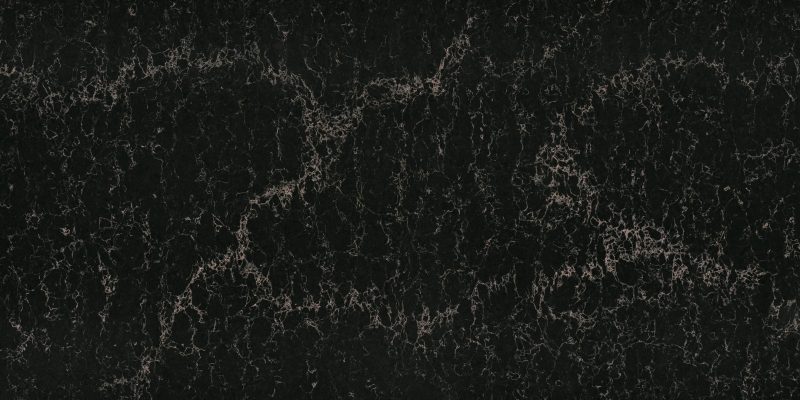
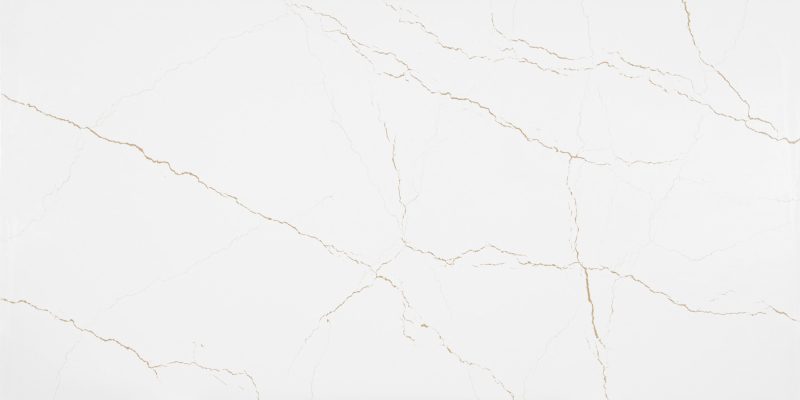




A visible mark is not always absorbed into the slab. Residue may remain on textured finishes or collect around seams, sink joints and wall connections. Cleaning methods should follow the product manufacturer’s instructions.
Quartz also provides strong resistance to many common spills, but it should not be described as stain-proof. Pigments, oils, chemicals or prolonged contact with certain substances may affect some products or finishes.
Potential problem areas include:
Most countertop-grade porcelain and quartz products do not require a penetrating sealer. This should still be confirmed through the care documentation for the exact product, particularly when specialized finishes or surface treatments are involved.
Seams, caulking and repaired areas are separate from the slab surface and may require their own maintenance.
Both materials can be maintained with simple routine cleaning. The safest general approach is warm water, a soft cloth and a mild cleaner approved for the installed surface.
Porcelain usually requires limited material-specific maintenance. Textured finishes may need more detailed cleaning because residue can collect within the surface structure.
Recommended practices include:
Quartz is also straightforward to clean, but harsh solvents, strong alkaline products, abrasive pads and excessive heat should be avoided unless specifically approved by the manufacturer.
Dried residue should be softened using a suitable cleaning method rather than removed with aggressive scraping tools.
Daily maintenance is similar for both materials. Porcelain may provide an advantage where heat resistance and very low absorption are priorities. Quartz may feel familiar to homeowners who want a widely used indoor surface with straightforward routine care.
Neither material is maintenance-free. Sink joints, seams, caulking and repaired areas require periodic inspection regardless of the slab selected.
Porcelain and quartz require different fabrication methods. These differences affect the visible profile, edge options, cutout design, handling and installed cost.
Porcelain is available in different thicknesses depending on the manufacturer and collection. Thin-format slabs can create a slim architectural edge, while mitred construction can produce a thicker visual profile.
Specialist planning is important around:
A thinner porcelain slab may reduce material weight, but large panels still require controlled transport, support and installation.
Quartz is commonly available in conventional countertop thicknesses and can support a variety of familiar edge profiles. Availability depends on the manufacturer, collection and local supplier inventory.
Quartz fabrication must account for seams, cutouts, overhangs and product-specific support requirements. The material should not be assumed to tolerate unsupported spans or narrow sections simply because it is thicker than a porcelain option.
Quartz is familiar to many countertop fabricators, but familiarity does not eliminate the need for accurate cutting, support and seam planning. Porcelain often requires more specialized tooling and handling, particularly for large thin panels and mitred applications.
Neither material should be selected solely because it appears easier to install. The better result depends on using a fabricator experienced with the exact product and project design.
Professional custom countertop fabrication should coordinate material thickness, edge details, cutouts, support and site access before the slab is cut.
The final section compares relative cost, identifies which material may suit different kitchen types and answers the most common porcelain vs quartz countertop questions.
The installed cost of porcelain and quartz countertops depends on the selected product, slab quantity, fabrication details, delivery conditions and installation scope. Neither material is universally more expensive.
Porcelain pricing varies by manufacturer, finish, thickness, panel size and design complexity. Quartz pricing varies by brand, collection, colour, pattern and slab availability.
Price-per-square-foot figures are only meaningful when the same services are included. Homeowners should confirm whether a quotation covers the material, measurement, fabrication, edges, cutouts, delivery and installation.
For a detailed breakdown of porcelain pricing, review the porcelain countertop cost in Toronto guide.
The better choice depends on the kitchen layout, cooking habits, design goals and level of fabrication complexity.
Porcelain often suits contemporary interiors because it can create slim profiles, large-format surfaces and coordinated countertop, backsplash and waterfall applications.
Quartz can also work well in modern kitchens, especially when homeowners prefer a broad range of predictable colours and marble-inspired designs.
Both materials can perform well in active households. Porcelain may offer an advantage where heat resistance and surface wear are priorities, while quartz provides balanced everyday durability and straightforward routine cleaning.
Porcelain edges require protection from concentrated impact. Quartz requires consistent use of trivets and heat pads.
Porcelain’s slim appearance can complement compact kitchens, but large panels may create delivery and access challenges. Quartz is commonly fabricated in conventional sections, although seam placement may still be affected by elevator, hallway and doorway dimensions.
Building access should be reviewed before the final layout is approved.
Porcelain generally provides the stronger material heat performance. It may suit households that frequently use hot cookware, baking trays or countertop appliances.
Quartz remains suitable for these kitchens when heat protection is used consistently. Cookware should never be placed directly from a burner or oven onto quartz.
Porcelain is frequently selected for waterfall designs because large-format panels and controlled patterns can create visual continuity between horizontal and vertical surfaces.
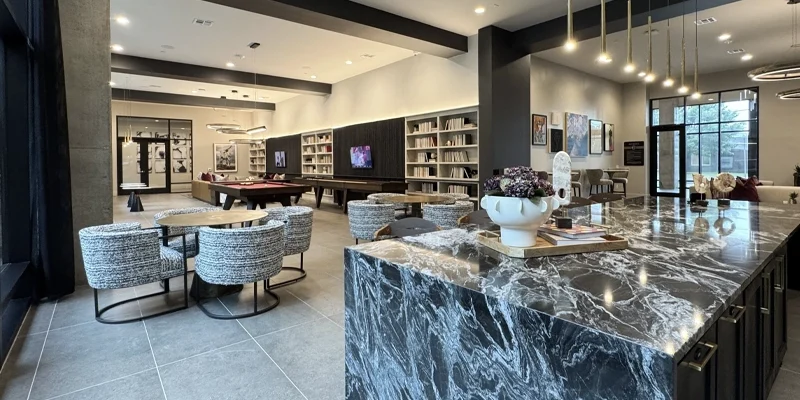
Quartz can also be used for waterfall islands. The final result depends on slab size, pattern alignment, mitred joints and installation access.
Porcelain may suit large wall applications because many collections are manufactured in panel formats that coordinate with countertops.
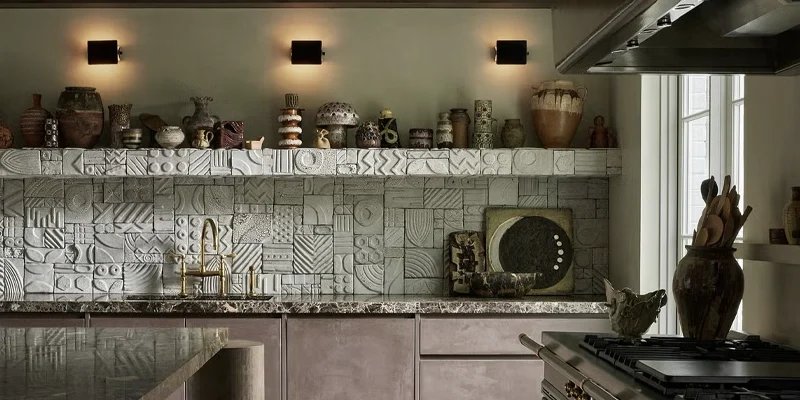
Quartz can also be used for full-height backsplashes, but slab weight, seams, wall conditions and manufacturer guidance should be considered.
Selected porcelain products approved by their manufacturers for exterior use may be suitable for outdoor kitchens and other exposed applications.
Most quartz products are intended primarily for indoor use. Exterior suitability should never be assumed without written manufacturer approval.
The full exterior system must also account for substrate, adhesives, joints, drainage, weather exposure and appliance clearances.
Final Recommendation
Choose porcelain when heat performance, very low water absorption and slim or large-format applications are priorities. Choose quartz when broad indoor design availability, familiar edge options and balanced everyday use are more important. Base the final decision on the exact product, layout, fabrication requirements and cooking habits.
Neither material is universally better. Porcelain may be preferable for heat resistance, very low water absorption and architectural applications. Quartz may be preferable for broad design availability, conventional edge profiles and familiar indoor use.
Porcelain generally provides a harder wear surface. Quartz also offers strong everyday scratch resistance, but neither material is scratch-proof.
Porcelain edges and corners can be vulnerable to concentrated impact. Quartz edges can also chip, particularly around sinks, exposed corners and narrow countertop sections.
Porcelain generally has stronger material heat resistance. Quartz contains resin binders and requires greater protection from direct and prolonged heat.
No. Hot cookware should be placed on a stable trivet or manufacturer-approved heat pad to protect the quartz surface and resin system.
Direct placement is still not recommended. A trivet also protects seams, adhesives, substrates, repairs and surrounding cabinetry.
Most countertop-grade porcelain and quartz products do not require penetrating sealer. Product-specific care instructions should still be followed.
Daily cleaning is straightforward for both. Porcelain may require fewer heat-related precautions, while quartz may be more familiar to homeowners and fabricators. Neither surface is maintenance-free.
Either material may cost more depending on the product and design. Porcelain mitres, waterfalls and large panels can increase fabrication cost, while premium quartz collections and complex layouts can also raise the installed price.
Both can work well. Porcelain often supports slim or large-format designs, while quartz offers broad colour and pattern availability. Mitred joints, slab dimensions and access should be reviewed for either material.
Selected porcelain products may be approved for exterior use. Most quartz products are intended for indoor applications unless the manufacturer states otherwise.
The right material becomes clearer after comparing actual porcelain and quartz products alongside the kitchen layout, cabinetry, appliance locations, edge design and installation conditions.
TecCorp Stone provides material selection, measurement, custom fabrication and countertop installation for kitchens, islands and custom projects across Toronto and the GTA.