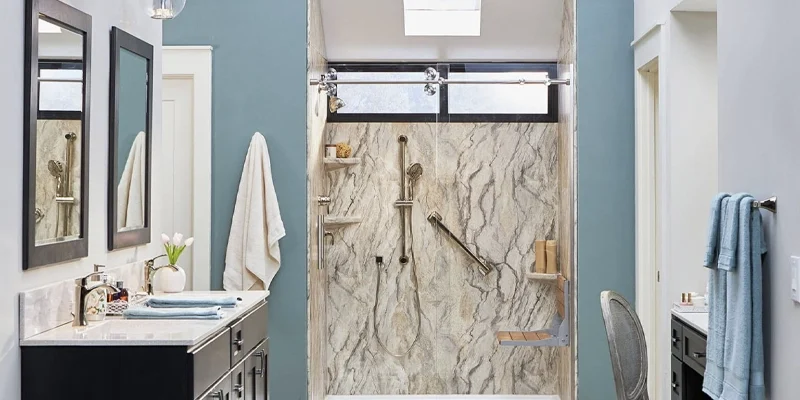
Rental property countertops should be selected differently from surfaces intended only for an owner-occupied kitchen. Appearance still matters, but landlords and property managers also need to consider routine cleaning, tenant turnover, repair options, replacement matching and the complete installed project cost.
A premium material is not automatically the best choice for every rental property. The most suitable countertop is usually the one that matches the property type, expected use, maintenance process and renovation budget without creating unnecessary care requirements.
This guide compares practical stone countertop options for rental homes, condos and investment properties across Ontario and the Toronto and GTA market. It does not assume that one material is best for every landlord or that a countertop upgrade guarantees higher rent, lower vacancy or a specific return on investment.
Quick Selection Rule
Choose a countertop that can be cleaned predictably, inspected easily and matched to the expected use of the property. Avoid paying for decorative features that add maintenance or replacement complexity without supporting the rental’s actual needs.
Rental kitchens may be used by households with different cooking, cleaning and maintenance habits over the life of the installation. This makes predictable performance and clear care instructions especially important.
Landlords should evaluate countertops using several practical criteria:
No countertop is completely immune to heat, scratches, impact or unsuitable cleaners. Cutting boards, trivets and clear maintenance guidance remain useful regardless of the selected material.
Terms such as durable, premium and low-maintenance are too broad to support a final decision on their own. A surface may resist stains but remain vulnerable to concentrated heat. Another may tolerate heat well but require sealing or greater care around acidic spills.
The selected product should therefore be evaluated across several types of potential damage rather than ranked by a single feature.
Countertops in rental properties should be easy to inspect when a tenancy ends. Strong patterns and textured finishes may conceal minor marks, but they can also make damage or poor cleaning more difficult to identify.
A balanced colour and pattern can make routine inspection clearer without forcing the kitchen into a plain or institutional design.
A countertop suitable for a standard rental condo may not be the best choice for a large detached home, premium furnished rental or multi-unit renovation.
Condo projects may involve compact layouts, narrow countertop runs, elevator access and building installation requirements. Controlled patterns, practical edge profiles and careful slab transport planning may be more valuable than selecting a highly dramatic surface.
Family-oriented rental properties may experience frequent cooking, larger cookware and heavier use around sinks and preparation zones. The countertop should balance stain resistance, heat precautions and edge durability.
A higher-end rental may justify a distinctive natural stone or more complex fabrication when the countertop aligns with the cabinetry, appliances and overall property standard. Premium materials should still be selected with realistic maintenance expectations.
Owners renovating several units may value repeatable colours, standard edge profiles and materials that can be sourced again for future projects. Highly distinctive natural slabs can be visually attractive, but exact replacement matching may not be possible later.
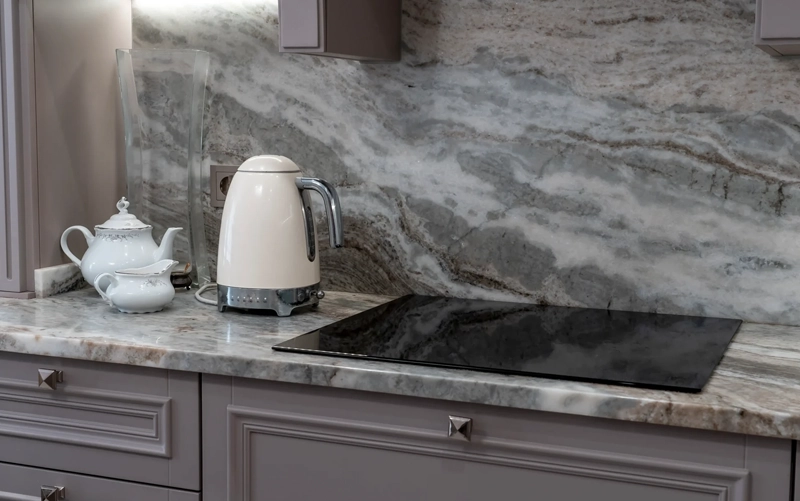
The table below provides a practical starting point for stone surfaces commonly considered in Ontario rental kitchens. Exact performance depends on the specific product, slab, finish, fabrication and installation.
| Material | Routine Care | Replacement Matching | Important Limitation | Potential Rental Application |
|---|---|---|---|---|
| Quartz | Generally simple; no routine sealing | Controlled collections may be easier to coordinate, subject to availability | Resin can be affected by concentrated heat and unsuitable chemicals | Condos, family rentals and repeatable neutral designs |
| Granite | Varies by slab, finish and sealing condition | Exact natural pattern matching may be difficult | Natural variation and product-specific absorption | Family homes and properties suited to natural stone |
| Porcelain | Low surface absorption | Depends on continued product availability | Edges and cut-outs require careful impact protection | Contemporary rentals and coordinated slab designs |
| Marble | Requires careful cleaning and spill management | Exact replacement matching is unlikely | Acid-related etching and gradual patina | Selected premium or design-led rentals |
Quartz is often considered for rental kitchens because most products have low surface absorption, controlled patterns and no routine sealing requirement. These qualities can simplify routine care and help landlords create consistent designs across similar units.
Quartz is not heat-proof. Hot cookware and countertop appliances that produce concentrated heat should be managed according to manufacturer guidance. Strong chemicals, solvents and abrasive products may also damage the resin or finish.
Although a collection may provide more visual consistency than natural stone, an exact colour match is not guaranteed indefinitely. Product lines, batches and slab patterns can change, so future replacement planning should not depend on permanent availability.
Browse available quartz countertop options and review the care documentation for the exact product before selection.
Granite may suit rental properties where the owner wants natural stone character and accepts that colour, mineral movement and absorption can vary from one slab to another.
It can perform well in active kitchens, but the landlord should evaluate the exact slab and finish rather than assuming that every granite product has identical maintenance requirements.
Some granite surfaces may require sealing, but the need and timing should be based on the specific slab, finish and absorption rather than a fixed annual schedule.
Natural variation also makes exact replacement matching difficult. If a damaged section must be replaced later, a new slab may not reproduce the original colour and movement.
Granite should not be treated as damage-proof. Trivets, cutting boards and prompt spill cleanup remain appropriate, while edges and sink cut-outs can be vulnerable to concentrated impact.
Browse available granite countertop options and inspect the full slab before confirming the fabrication layout.
Porcelain can be considered for contemporary rentals where low surface absorption, restrained patterns and coordinated countertop-and-backsplash designs are priorities.
It may suit condos or premium rental properties, but fabrication and installation quality are especially important because exposed edges, corners and openings can be vulnerable to concentrated impact.
Porcelain is not impact-proof. Damage is more likely to occur at exposed edges, corners, sink openings and cooktop cut-outs than across the main surface.
Repair options may also be limited depending on the location and extent of the damage. For this reason, edge design, sink configuration and tenant-use expectations should be considered before selecting the material.
A thin appearance does not eliminate the need for appropriate cabinetry, support and installation planning. The exact product and fabrication system should be reviewed before ordering.
Explore available porcelain countertop options for contemporary rental kitchens.
Marble and quartzite may suit selected premium rentals, but neither should be chosen only because it appears more luxurious.
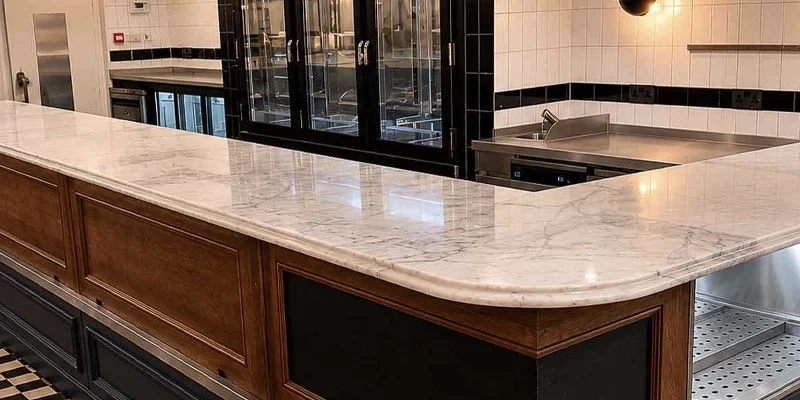
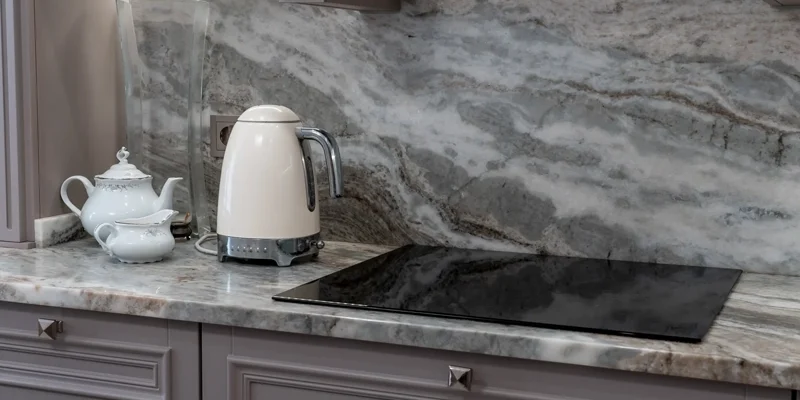
Marble provides distinctive natural veining and can support a design-led rental property. It also requires realistic expectations regarding etching, staining and gradual patina.
Acidic foods, beverages and unsuitable cleaners can alter the finish. Sealing may reduce absorption but does not prevent acid-related etching. This makes marble less predictable in properties where the owner cannot control daily cleaning habits.
Marble may be more appropriate for a carefully managed furnished rental, a lower-use feature area or a property where natural patina is acceptable.
Quartzite can offer natural stone movement with strong surface performance, but the exact slab must be correctly identified and evaluated. Stones sold under similar commercial names may not have identical composition or care requirements.
Quartzite may suit premium family rentals or properties where the owner wants natural stone character, but future matching, sealing and fabrication complexity should be considered.
For both marble and quartzite, the complete slab should be reviewed before fabrication because samples cannot show the full variation or potential seam relationships.
Rental-property countertops should coordinate with the kitchen while remaining adaptable to future cabinet, flooring or appliance changes. This does not mean every rental requires a plain white surface.
Warm white, soft grey, beige and restrained taupe surfaces can coordinate with a broad range of cabinet finishes. Neutral colours may also simplify future repainting or appliance replacement because they are less dependent on a specific design palette.
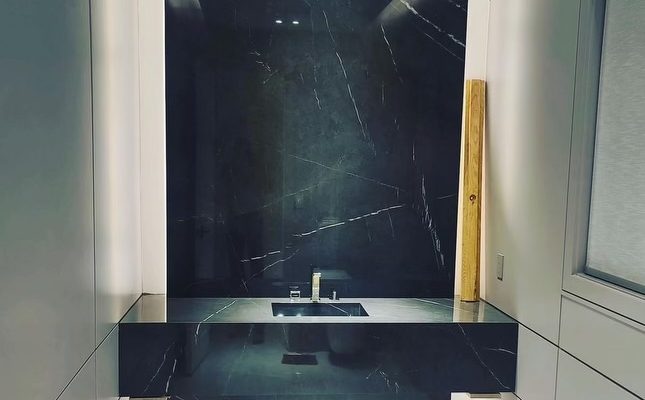
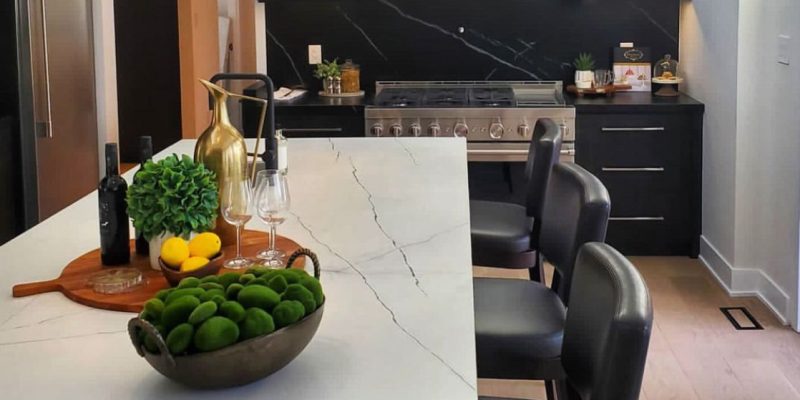
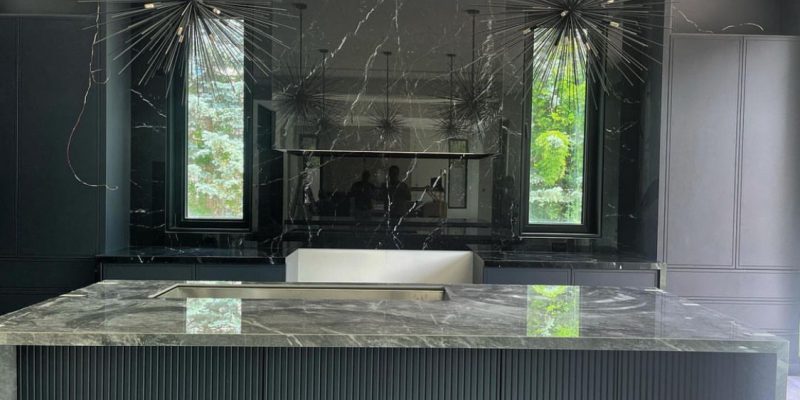
Dark surfaces can work in rental kitchens with adequate lighting and coordinated cabinetry.

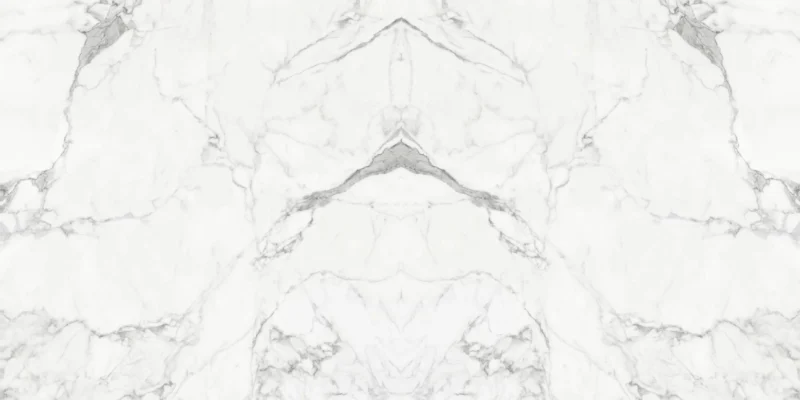
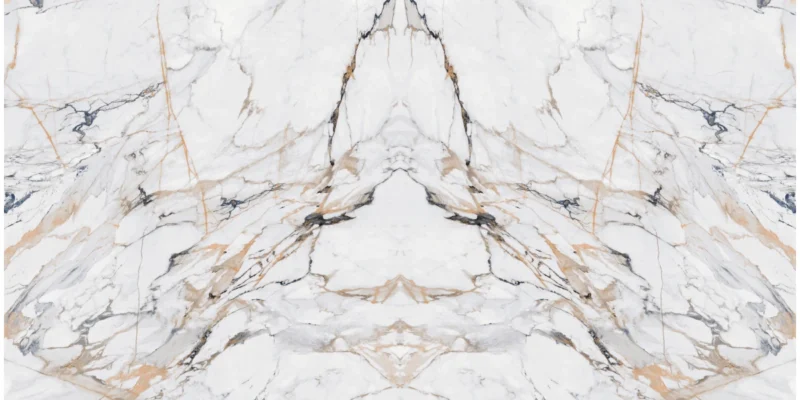

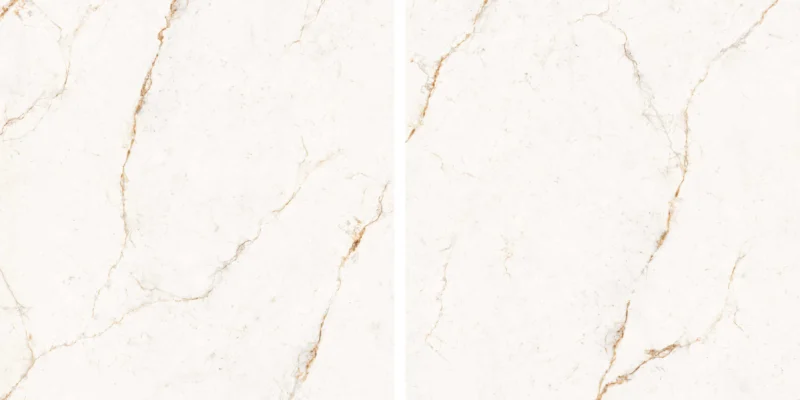
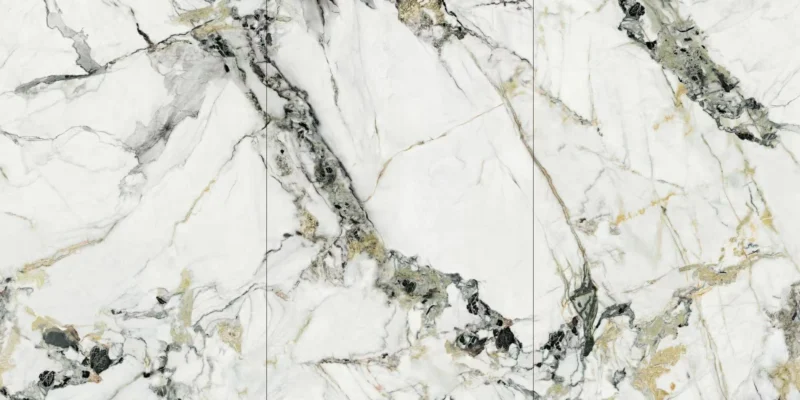
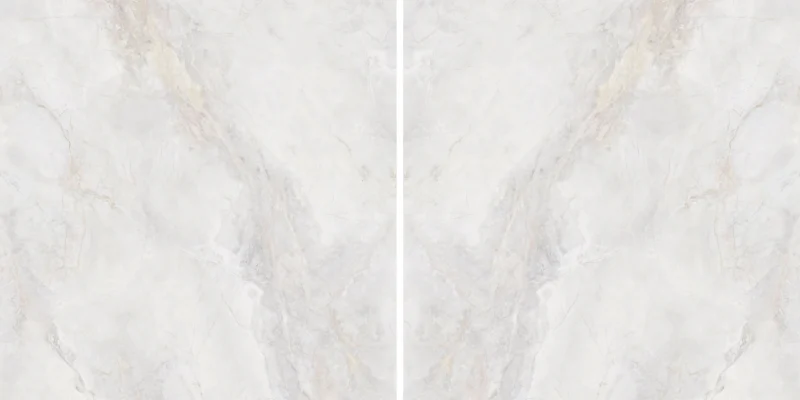
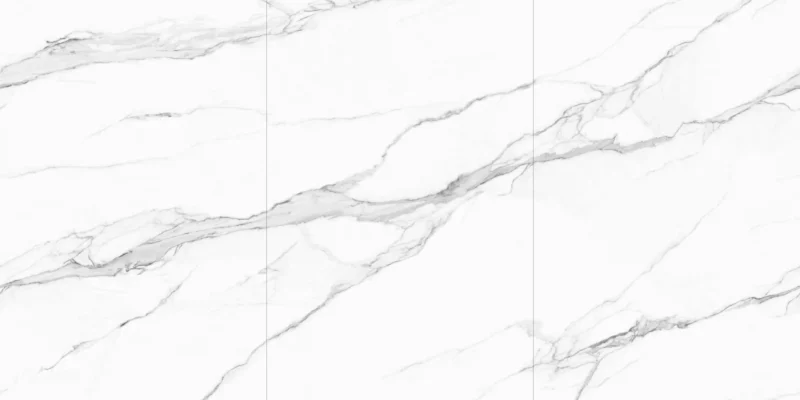


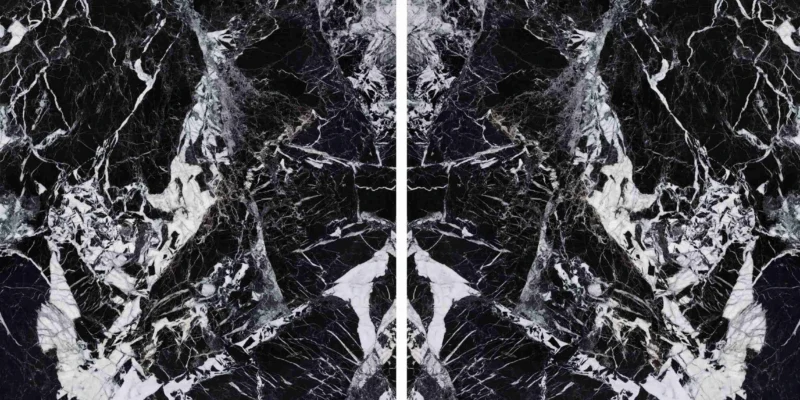

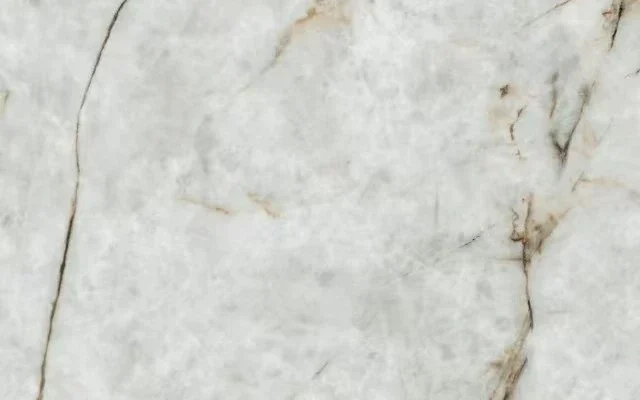
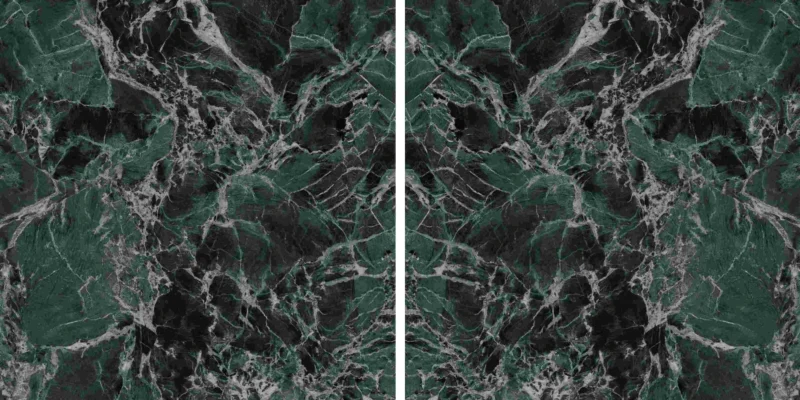

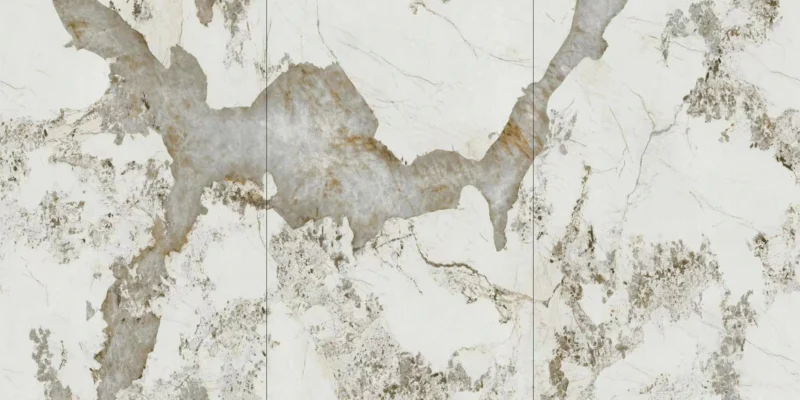

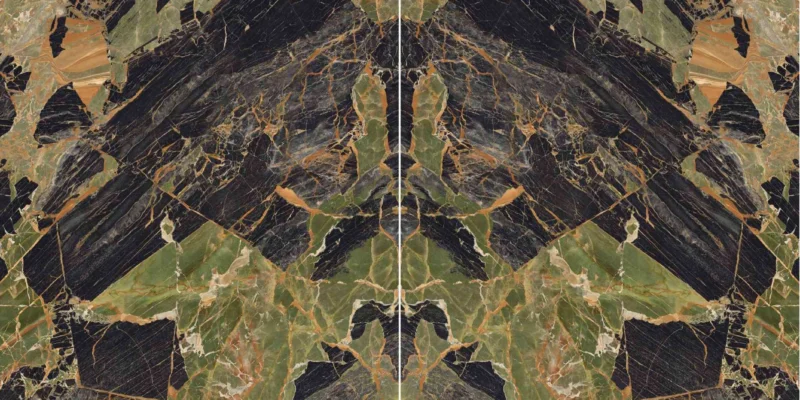


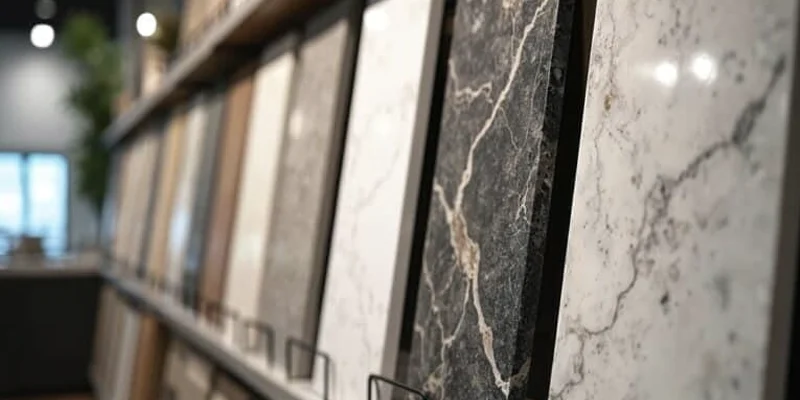
The exact finish should be reviewed under realistic lighting rather than selected from an online image alone.
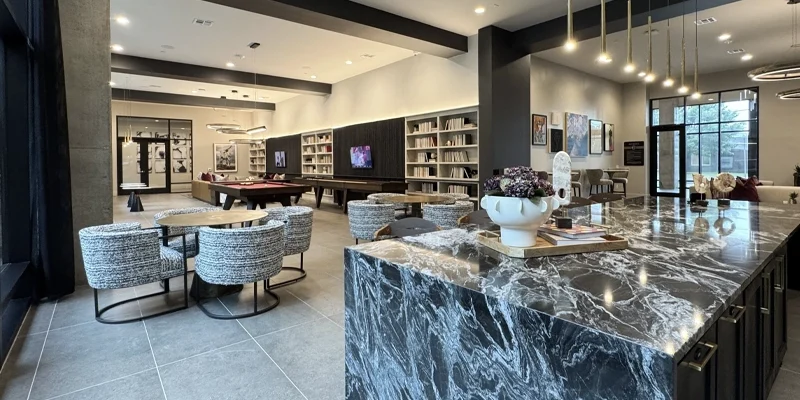
Controlled veining and moderate patterns can help conceal minor visual marks without making inspection difficult. Highly dramatic movement may suit premium properties but can complicate seam planning and future replacement matching.
For landlords renovating multiple units, a repeatable product family may be more practical than a highly distinctive natural slab. However, continued product availability should never be assumed indefinitely.
The turnover process should include more than a quick visual cleaning. Countertops should be inspected around sinks, seams, cooktops, exposed corners and appliance zones where damage or moisture problems are more likely to appear.
Tenants should receive simple material-specific guidance that identifies:
Instructions should be based on the exact product rather than generic advice for all quartz, granite or porcelain surfaces.
During turnover, examine:
Early identification of movement, failed sealant or edge damage may prevent a small issue from becoming a more extensive repair.
Repairability depends on the material, finish, damage location and availability of matching material. Minor marks may sometimes be improved, while cracks, edge chips or damage around cut-outs may require specialist assessment.
Exact matching is never guaranteed. Engineered products may be discontinued or vary between production batches, while natural stone slabs are inherently unique.
Landlords managing several units can reduce replacement complexity by documenting:
This information does not guarantee a future match, but it can make repair or replacement planning more efficient.
Property Management Tip
Keep the exact countertop product, finish, edge and care information with the property records. A generic note such as “white quartz” is rarely sufficient for future matching or repair decisions.
Material selection is only one part of a reliable rental-property countertop. Edge profiles, sink configuration, seam locations and cabinet support can influence maintenance and repair requirements throughout the life of the installation.
Simple eased, pencil or small bevel edges are often practical for rental kitchens because they are visually adaptable and avoid unnecessary fabrication complexity. Exposed corners in narrow kitchens should be planned carefully because concentrated impact can damage stone and manufactured surfaces.
Decorative or built-up edges may suit selected premium properties, but landlords should consider whether the added detail supports the property standard or simply increases fabrication and replacement complexity.
Sink cut-outs are among the most frequently exposed areas of a kitchen countertop. Water, cleaning products, cookware and repeated use place additional pressure on the surrounding surface and sealant joints.
Before fabrication, confirm:
An oversized sink may reduce usable countertop area or leave narrow sections near corners and seams. The sink should be proportionate to the cabinet and countertop layout rather than selected independently.
Seams may be necessary because of slab dimensions, access conditions, material pattern, sink placement or kitchen geometry. They should be planned for structural practicality and visual continuity.
Landlords should ask where seams are proposed, how directional patterns will align and whether the location may interfere with heavily used or moisture-prone areas. A professional seam is still visible and should not be described as completely invisible.
Countertops depend on properly installed and adequately supported cabinets. Existing cabinets should be checked for level, stability and compatibility with the selected material before final measurement or templating.
Cabinet repairs, appliance changes and sink modifications should be completed or clearly coordinated before fabrication. Alterations made after final measurement can affect fit, seams, cut-outs and installation scheduling.
Review the countertop installation process and the guide to preparing a property for countertop installation before confirming the project timeline.
Landlords should compare the complete installed scope rather than focusing only on the material price per square foot. Two quotations using a similar surface may differ because one includes services or fabrication details that the other excludes.
A complete project budget may include:
Landlords renovating several properties should avoid assuming that the same square-foot rate will produce the same total in every unit. Corners, slab yield, access, cut-outs and installation logistics can change the final scope.
The project should also be evaluated against the expected ownership period and property standard. Paying for complex decorative fabrication may not be justified in every rental, while selecting solely by the lowest initial price may create maintenance or replacement problems later.
Use the kitchen countertop cost guide to understand the factors that can affect an installed quotation.
A rental countertop should support the property’s actual use and maintenance process. Material cost, visual appeal and durability claims should not replace careful planning.
There is no universal best material. Quartz may suit landlords prioritizing controlled patterns and no routine sealing. Granite can work where natural stone and slab-specific maintenance are acceptable. Porcelain may suit contemporary properties when edge protection and fabrication requirements are understood.
No. Quartz offers practical routine care, but concentrated heat, unsuitable chemicals and impact can still cause damage. The selected product should be compared with the property’s expected use and maintenance process.
The lowest initial material price does not necessarily produce the lowest installed or long-term cost. Fabrication, removal, cut-outs, delivery, installation and future replacement requirements should also be considered.
Yes. Dark countertops can work when lighting, cabinetry and cleaning expectations are considered. Some dark finishes may show dust, oils, fingerprints or water marks more clearly than expected, so samples should be reviewed under realistic lighting.
A clean and suitable countertop may improve the overall condition and presentation of a rental kitchen, but it does not guarantee a particular rent increase, occupancy rate or financial return.
Record the manufacturer, product or slab name, colour, finish, thickness, edge profile, sink model, care instructions and fabrication details when available. Photographs of the completed installation can also support future maintenance and replacement planning.
The best rental-property countertop balances routine care, installed cost, repair considerations, appearance and compatibility with the existing kitchen. The decision should reflect the property type and expected use rather than a general ranking of materials.
Before approving fabrication, confirm the exact surface, cabinet condition, sink and appliance details, seam plan, edge profile, installation scope and material-specific care instructions.
Planning Countertops for a Rental Property?
Share the property type, kitchen layout and preferred materials for a project-specific review of available countertop options.
Discuss Your Countertop Project
Explore Kitchen Countertop Services