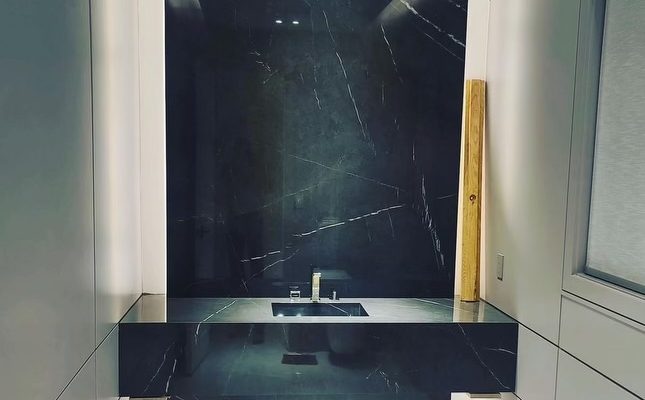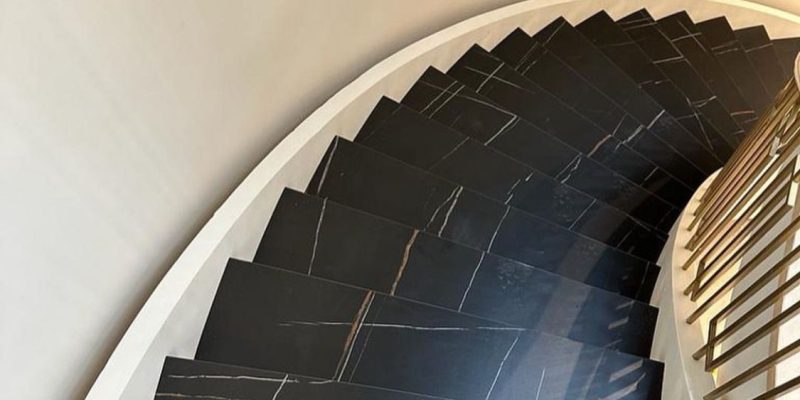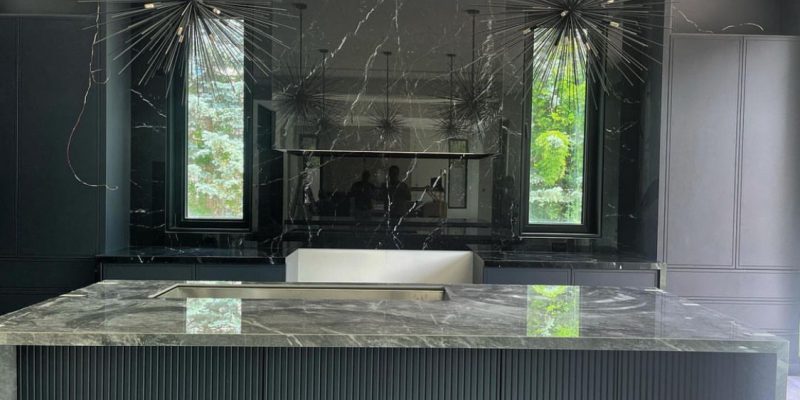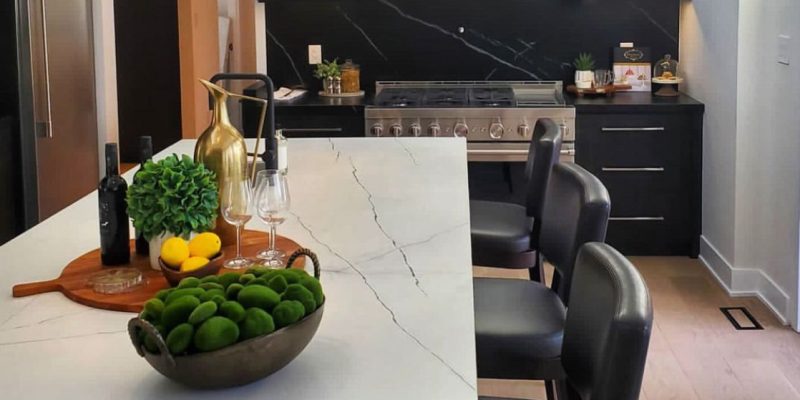
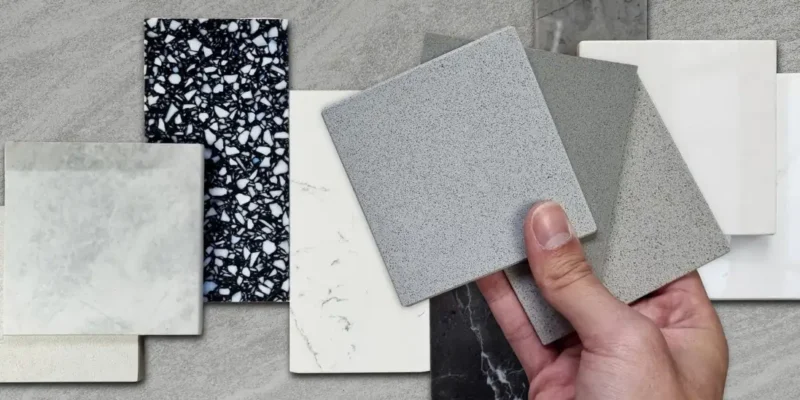
Natural stone vs engineered stone countertops is not simply a choice between a “natural” and a “manufactured” surface. The two categories differ in how they are produced, how much visual variation they offer, how individual slabs or products are selected, and what should be considered during fabrication, care and long-term use.
Natural stone countertops are cut from quarried materials such as granite, marble and quartzite. Their colour, veining and mineral structure can vary from one slab to another, which makes the actual material selection an important part of many projects. Engineered stone surfaces are manufactured products designed to provide more controlled colours and patterns, although their characteristics and technical requirements still vary between product lines.
Neither category is automatically better for every kitchen or countertop project. The right decision depends on the appearance you want, how much natural variation you prefer, your expectations for care, the specific product or slab being considered, and the fabrication requirements of the design.
Natural & Engineered Surfaces | Countertop Material Comparison | Project-Specific Selection | Toronto & GTA Service
The most fundamental difference is how the material reaches the countertop project. Natural stone is quarried in blocks, processed into slabs and then fabricated for the individual installation. Engineered stone is manufactured from mineral-based and other components according to a specific product formulation.
This difference influences both aesthetics and project planning.
Natural stone forms through geological processes and is extracted from quarries before being cut and finished into slabs. Granite, marble and quartzite are three common countertop materials within this category.
Because each slab is a natural product, variation should be expected. Two slabs sold under the same stone name can differ in:
For projects where pattern is visually important, reviewing the actual slab can therefore be more useful than selecting the material from a small sample alone.
Engineered stone is manufactured rather than quarried as a finished slab. Engineered quartz is the most familiar countertop example, but the broader term “engineered” or “manufactured surface” should not be used as though every product has the same composition or performance characteristics.
Manufacturing allows greater control over colour and pattern, which can make the appearance more predictable across a countertop project. However, exact characteristics—including fabrication guidance and care requirements—should still be checked for the selected product.
One common comparison mistake is treating engineered quartz, porcelain and other manufactured surfaces as interchangeable. They are different material systems.
Porcelain, for example, has its own thicknesses, fabrication considerations and installation requirements and should be evaluated as a separate product category. The term “engineered stone countertop” should therefore be used carefully when comparing actual material options.
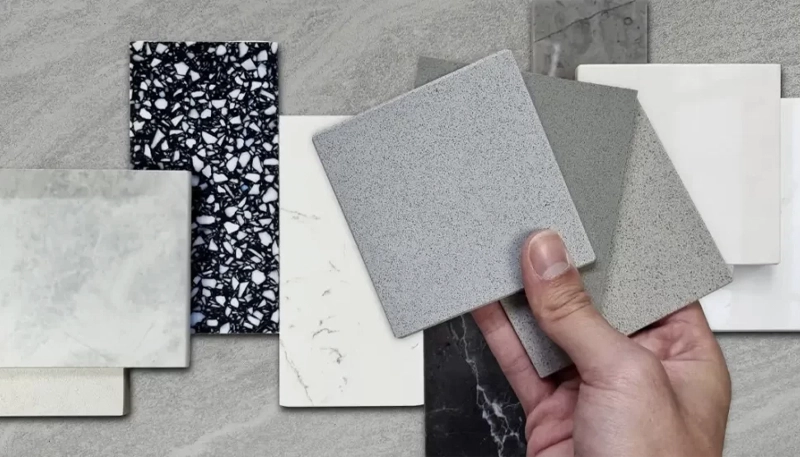
Natural stone is not one uniform countertop category. Marble, granite and quartzite can differ considerably in appearance, structure and care requirements. Their characteristics should be evaluated individually rather than applying the same assumptions to every natural surface.
Homeowners comparing available materials can also browse Teccorp Stone’s broader stone surfaces collection before narrowing the project to a specific slab.
Granite offers a broad range of natural patterns, from relatively consistent mineral structures to slabs with significant movement and contrast. Because the pattern belongs to the individual slab, large islands or multi-piece countertops may benefit from reviewing how the material will be distributed across the project before fabrication.
Granite should not be described as universally maintenance-free or identical in care requirements. The selected stone and finish should guide cleaning, sealing and other surface-care decisions.
Available options can be reviewed through Teccorp Stone’s granite slab collection.
Marble is often selected for its distinctive veining and natural visual movement. Depending on the slab, the pattern can range from subtle to highly dramatic, making material selection and layout especially relevant when the countertop is intended to become a major design feature.
Marble also has material-specific care considerations. In particular, homeowners should understand that some marble surfaces can react to acidic substances, making appropriate use and care expectations important before selection.
Teccorp Stone’s marble slab collection can be used to compare available colours and patterns for countertop applications.
Quartzite is another natural stone that can offer strong visual movement and distinctive slab patterns. However, individual stones sold within the quartzite category can vary, so broad claims that every quartzite slab behaves identically should be avoided.
The actual material should be reviewed for its appearance, condition and project suitability before fabrication decisions are finalized.
Current options can be explored through Teccorp Stone’s quartzite slab collection.
Material Selection: “Natural stone” describes a broad material family, not one set of performance characteristics. Granite, marble and quartzite should each be evaluated according to the actual slab, finish, application and care requirements.
Engineered stone countertops are manufactured surfaces designed to provide more controlled colours, patterns and product characteristics than naturally quarried slabs. For countertop projects, engineered quartz is the most familiar example, although the broader market also includes other manufactured surfaces that should not automatically be grouped under the same technical definition.
The main advantage from a design perspective is predictability. A homeowner selecting a specific engineered quartz design can generally expect greater visual consistency than with an individual natural stone slab. However, manufactured does not mean completely identical: pattern placement, production batches, slab dimensions and product specifications can still influence the finished project.
Engineered quartz is produced using mineral content combined with other components according to a manufacturer-specific formulation. Available designs range from relatively uniform colours to patterns intended to create broader movement across a countertop.
Because engineered quartz is a manufactured product, fabrication and care recommendations should follow the requirements of the selected product rather than assumptions applied to every quartz surface.
Homeowners comparing available designs can browse Teccorp Stone’s quartz countertop collection before narrowing the project to a specific surface.
Porcelain is also manufactured, but it should not be treated as simply another form of engineered quartz. Porcelain slabs have their own composition, thickness options, fabrication requirements, edge considerations and manufacturer guidance.
For this reason, a comparison between natural and engineered stone should acknowledge porcelain as a separate manufactured-surface category rather than combining all manufactured products under one set of characteristics.
Projects considering this material can review Teccorp Stone’s porcelain slab collection separately.
A more predictable manufactured pattern can make material selection easier, but countertop layout still matters. Large islands, waterfall panels and full-height backsplashes can reveal directional movement or repeated design elements across multiple pieces.
Even when the material is engineered, the fabricator should consider how the available slab dimensions and visible pattern relate to the final countertop layout.
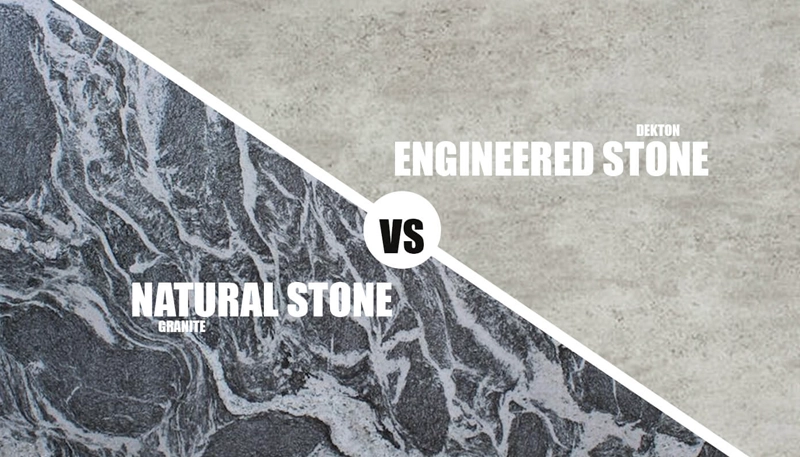
For many homeowners, appearance is the most immediate difference between natural and engineered stone countertops. The comparison is less about one category being more attractive and more about the type of visual character each provides.
Granite, marble and quartzite are selected from naturally formed slabs. Veining, mineral distribution and colour movement can change across the material, which means the exact slab may become part of the design decision.
This can be especially important for:
Natural variation should not automatically be interpreted as a defect. It is part of the reason homeowners select natural stone in the first place.
Engineered quartz generally provides more controlled pattern and colour than natural stone. This can be useful where the design depends on a restrained palette or where several countertop components need to maintain a similar visual character.
However, homeowners should still review the full product design rather than relying only on a small sample.
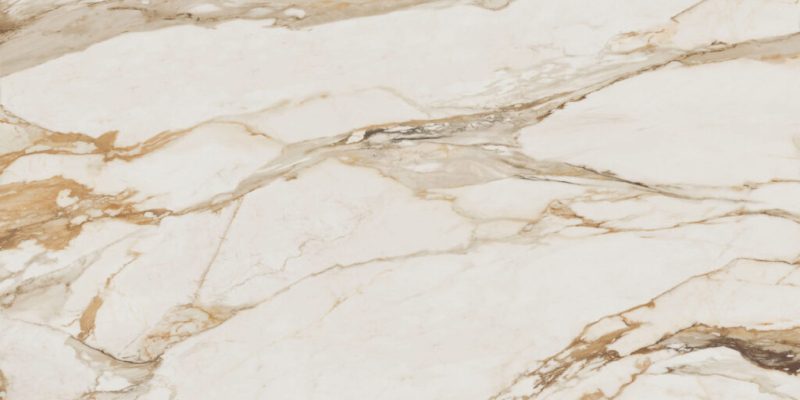
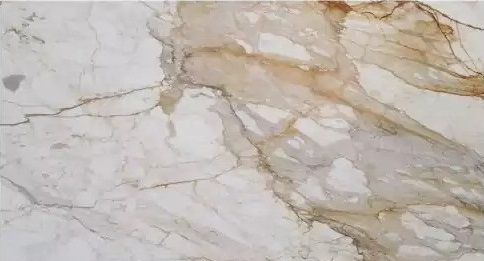

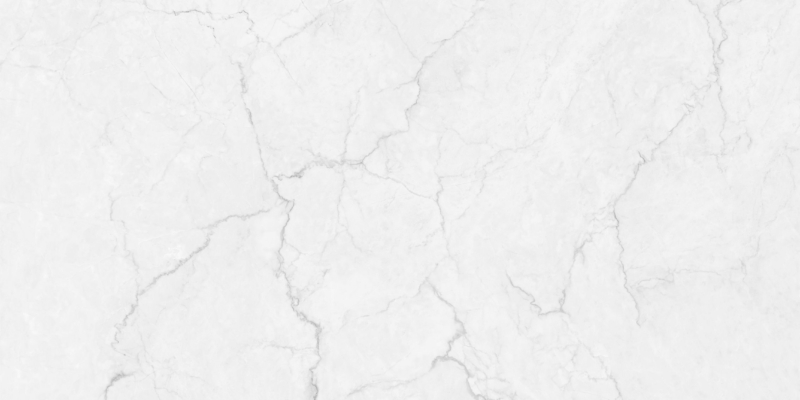
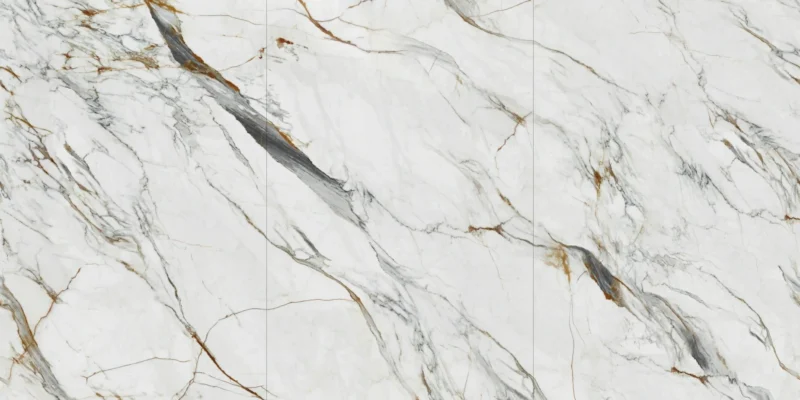
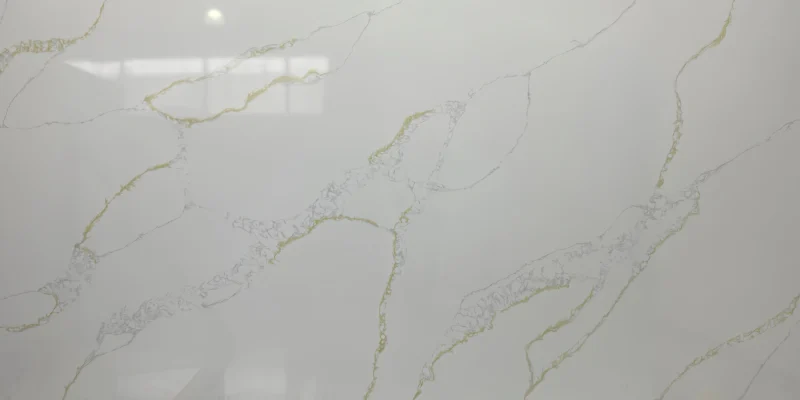



The difference can be summarized as a preference between greater natural individuality and greater manufactured predictability—not as a simple quality ranking.
A highly distinctive natural slab may be ideal for a kitchen where the countertop is intended to become the focal point. A more controlled engineered surface may work better where cabinetry, flooring or other elements already provide the dominant visual character.
Maintenance is often oversimplified in natural-versus-engineered comparisons. Natural stone is sometimes described as difficult to maintain, while engineered stone is presented as maintenance-free. Neither description is accurate enough for a material decision.
Granite, marble and quartzite should not be given one universal maintenance routine. Cleaning methods, sensitivity to certain substances and the potential need for sealing depend on the actual stone, finish, use and current surface condition.
For natural stone countertops:
Marble deserves particular attention because acidic substances can affect some marble finishes. This does not automatically make marble unsuitable for countertops, but the expected use and care routine should be understood before selection.
Engineered quartz may not require the same sealing considerations as many natural stones, but it should not be described as maintenance-free, scratch-proof, stain-proof or immune to damage.
Cleaning products, exposure limits and care recommendations should follow the manufacturer guidance for the specific surface.
A useful comparison asks not simply which material requires “less maintenance,” but which care expectations fit the way the countertop will actually be used.
Homeowners who enjoy the individuality of natural stone may consider its material-specific care worthwhile. Others may prefer the more predictable care guidance associated with a particular engineered surface.
Care Principle: Avoid choosing a countertop from blanket claims such as “maintenance-free” or “must be sealed every year.” Care requirements should be based on the exact stone or manufactured product being installed.
Material selection also affects how a countertop project is fabricated. Natural slab variation, manufactured pattern direction, product thickness, cutouts, edges and component layout can all influence production decisions.
For highly visible granite, marble or quartzite projects, slab layout can determine where major veins or mineral features appear across islands, seams, waterfalls and backsplash pieces.
The fabricator should therefore consider the selected material and project geometry together rather than treating every portion of the slab as interchangeable.
Manufactured surfaces may provide more consistent designs, but fabrication still needs to reflect the specifications of the selected product. Cutouts, edges, component dimensions and other details should follow appropriate technical guidance.
Neither natural nor engineered stone compensates for inaccurate measurements, incorrect fixture information or poorly executed fabrication details. The finished countertop still depends on accurate project information, appropriate layout, cutout preparation, edges and quality control.
For a deeper technical framework, Teccorp Stone’s guide to high-quality stone fabrication explains how these factors affect the finished result. Homeowners looking specifically for local countertop fabrication can also review the Countertop Fabricator Toronto guide.
The most useful way to compare natural and engineered stone countertops is to look at the characteristics that affect an actual project rather than trying to declare one category universally better.
| Factor | Natural Stone | Engineered Stone |
|---|---|---|
| Pattern | Naturally formed variation, veining and mineral movement. | Manufactured colours and patterns with generally greater visual predictability. |
| Material Selection | Reviewing the actual slab can be important, especially for strongly patterned stone. | Product samples and full-slab imagery can help evaluate the selected design. |
| Variation | Each slab can differ, even within the same stone name or family. | More controlled, although pattern placement and production variation may still occur. |
| Care | Depends on the specific stone, finish, use and surface condition. | Depends on the specific product and manufacturer guidance. |
| Layout Planning | Often strongly influenced by the characteristics of the actual slab. | Still relevant where products have directional or large-scale patterns. |
| Fabrication | Should reflect the characteristics of the selected natural stone. | Should follow the requirements of the selected manufactured product. |
| Design Character | Well suited to projects where individual slab character is part of the design. | Well suited to projects that prioritize controlled colour and pattern. |
The table highlights an important point: several differences are about preference and project requirements, not a simple hierarchy of good versus bad. A natural stone countertop may be the better fit for one kitchen, while an engineered surface may make more sense for another.
The final choice should begin with the way the countertop needs to function visually and practically within the project.
Granite, marble or quartzite may be particularly appealing when the countertop is intended to become a distinctive design feature. Natural stone can work well when you value:
The trade-off is not simply “more maintenance.” The more accurate consideration is whether the care requirements of the specific stone fit your expectations and how the countertop will be used.
Engineered quartz can be a strong option when the design calls for more controlled colour and pattern. It may be particularly useful when you value:
The selected product should still be evaluated individually. “Engineered” should not be treated as a guarantee that every surface has the same performance, fabrication requirements or care instructions.
A more useful final comparison might be a specific granite slab versus a specific quartz design, or a selected quartzite slab versus an engineered surface with a similar visual direction.
Comparing actual options makes it easier to evaluate pattern, colour, slab dimensions, care guidance and fabrication requirements rather than relying on broad generalizations.
Decision Principle: Start with the exact natural slab or engineered product you are considering. Material categories are useful for narrowing the search, but the final countertop decision should be based on the actual surface and project.
Granite, marble and quartzite are different materials. Applying one set of care or performance claims to all three can lead to poor expectations.
Porcelain and engineered quartz are separate product categories. Their fabrication, thickness and application requirements should not be combined into one generic description of “engineered stone.”
A small sample may not show the full-scale movement of either a natural slab or a manufactured pattern. Larger project areas should be evaluated with the full design in mind.
Statements such as “seal natural stone every year” are too broad. Sealing needs depend on the actual material, finish, use and condition of the surface.
Manufactured surfaces still require appropriate cleaning and care. Product-specific manufacturer guidance should be followed.
The countertop decision can also involve slab quantity, fabrication complexity, edge details, cutouts, installation requirements and other project-specific factors. Material price alone may not represent the complete scope.
Natural stone is quarried and cut into slabs, while engineered stone is manufactured using mineral and other components according to a product-specific formulation.
Engineered quartz is a common engineered countertop material, but the broader manufactured-surface market also includes products such as porcelain that should be treated as separate material systems.
Granite is a natural stone formed through geological processes and quarried before being processed into slabs.
Yes. Quartzite is a naturally occurring stone and should not be confused with engineered quartz.
There is no universal answer based only on the category. Natural stone care varies by material, while engineered surfaces have product-specific requirements. Compare the exact surfaces being considered.
Not universally. Engineered stone may offer greater visual consistency, while natural stone offers individual slab variation. The better choice depends on design priorities, care expectations and the specific project.
Yes, but fabrication methods and technical requirements can differ by material and product. The selected surface should guide the fabrication approach.
Natural and engineered stone countertops can both support high-quality kitchen and countertop projects, but they offer different approaches to material selection, appearance and project planning.
Natural stone emphasizes the character of the individual slab. Engineered surfaces provide greater control over colour and pattern. Neither advantage is automatically more important than the other.
The strongest decision comes from comparing the actual surfaces, understanding their care requirements and confirming how each option fits the countertop design and fabrication scope.
Compare Countertop Materials for Your Project
Share your project dimensions, photographs and preferred materials with Teccorp Stone to discuss natural and engineered countertop options and project-specific fabrication requirements.