Onyx countertop alternatives are worth considering when you want a distinctive natural surface but need greater resistance to everyday cooking, acidic spills, scratching or impact. Onyx offers translucency and visual depth that most countertop materials cannot reproduce, but it is not the most practical choice for every kitchen, bathroom or commercial space.
Marble, quartzite, engineered quartz, granite and porcelain each provide a different balance of natural character, durability, maintenance and design flexibility. The right alternative depends on whether the project prioritizes backlighting, authentic stone variation, low maintenance or heavy daily performance.
This guide compares onyx with the most common alternatives and explains which material is better suited to kitchens, vanities, bars, islands, wall panels and other custom applications.
Quick Answer
Choose onyx when translucency and architectural impact are the main priorities. Choose quartzite or granite for a natural surface with stronger everyday performance, engineered quartz for predictable appearance and lower maintenance, marble for classic veining and porcelain for thin, low-absorption panels and coordinated surfaces.
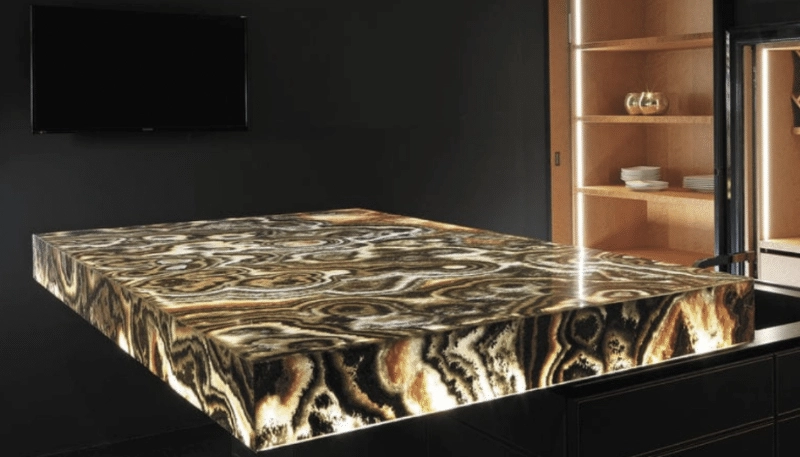
Onyx is often selected because it creates a visual effect that ordinary countertop materials cannot provide. Its layered colour, crystalline movement and ability to transmit light can turn a bar, island or wall into an architectural focal point.
Those visual qualities are accompanied by practical limitations. Decorative onyx is a calcite-based stone that can etch when exposed to acids and may scratch or chip more readily than granite, quartzite, porcelain and many engineered surfaces.
An alternative may be more appropriate when the surface must tolerate frequent cooking, children’s activities, heavy appliances, acidic ingredients or aggressive commercial use.
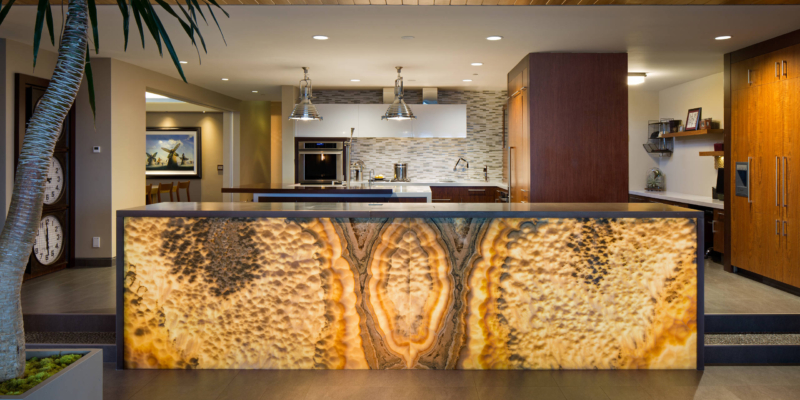
Natural translucency is the main feature that separates onyx from most conventional countertop materials. When the right slab is illuminated from behind, internal bands and mineral layers become visible rather than only reflecting light from the surface.
Onyx can also offer:
Alternatives can provide similar colour families or dramatic veining, but they do not necessarily reproduce the depth of a naturally translucent onyx slab.
Onyx may be unsuitable when the surface must remain visually consistent despite heavy use. Common concerns include:
Sealing may reduce liquid absorption, but it does not prevent acidic etching or physical damage. Homeowners looking for a forgiving primary work surface may therefore prefer a stronger alternative.
Countertop materials should be compared according to the actual project rather than broad claims about which material is “best.” A material that performs well in a busy kitchen may not deliver the visual effect required for a backlit bar or reception desk.
Useful comparison criteria include:
The intended use should remain the deciding factor. A mixed-material project may also provide a better result than forcing one surface to meet every requirement.
Onyx and marble are both calcite-based natural stones, so they share some maintenance concerns. Both can etch when exposed to acids, and both require care around abrasive objects and strongly pigmented spills.
The primary difference is visual structure. Marble is known for veins moving through a more solid background, while onyx often displays layered bands, crystalline zones and greater translucency.
Marble usually provides a more familiar and versatile natural-stone appearance. White and grey marbles work with a broad range of kitchens and bathrooms, while coloured varieties can create stronger decorative effects.
Onyx tends to appear more dramatic. Amber, green, pink, white and multi-coloured slabs may contain dense movement that becomes even more prominent when illuminated.
Choose marble when the goal is classic veining across a countertop or vanity. Choose onyx when the stone itself must function as a focal feature.
Both materials can etch because acidic substances react with calcite. Neither should be described as acid-resistant, even after sealing.
Onyx is generally more delicate and may require additional attention during fabrication, transportation and installation. Marble is often more practical for larger countertop areas, although it will still develop etching, scratches and patina with use.
Selected marble slabs may transmit some light, particularly in thinner or lighter sections, but most marble is not chosen primarily for backlighting.
Onyx is the stronger option when illumination is central to the design. The actual slab must still be tested because light transmission varies across veins, colours and reinforced areas.
Onyx is generally better suited to:
Marble is generally better suited to:
Onyx or Marble?
Choose onyx for translucency and a controlled-use focal feature. Choose marble when you want natural veining across a larger surface and are comfortable with etching and the development of patina.
TecCorp Stone works with homeowners, designers, contractors and commercial teams planning custom onyx features in Toronto and the Greater Toronto Area. Onyx can be incorporated selectively into custom kitchen countertops in Toronto, decorative islands, bars and other design-led installations. The process can include slab review, layout planning, templating, fabrication and installation coordination according to the project requirements.
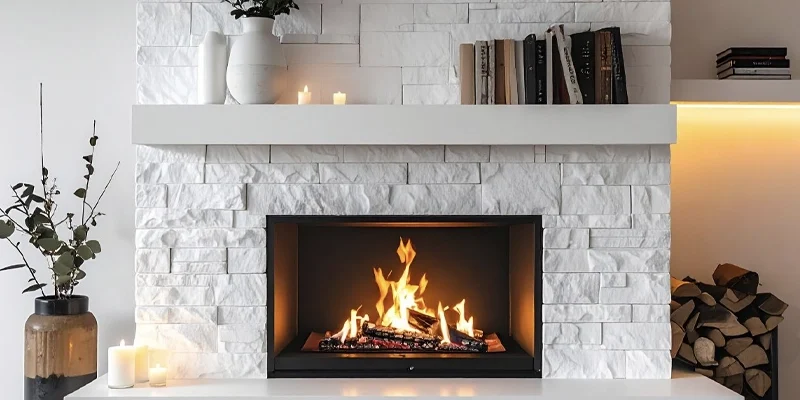
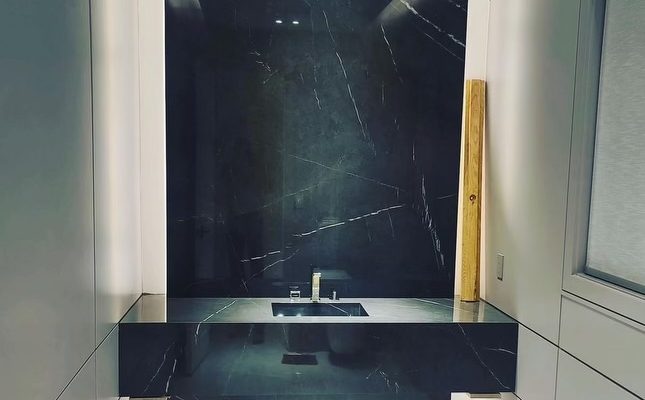
Residential applications may include backlit bars, decorative islands, powder-room vanities, fireplace surrounds and feature walls. The design should balance visual impact with the way the space will be used every day.
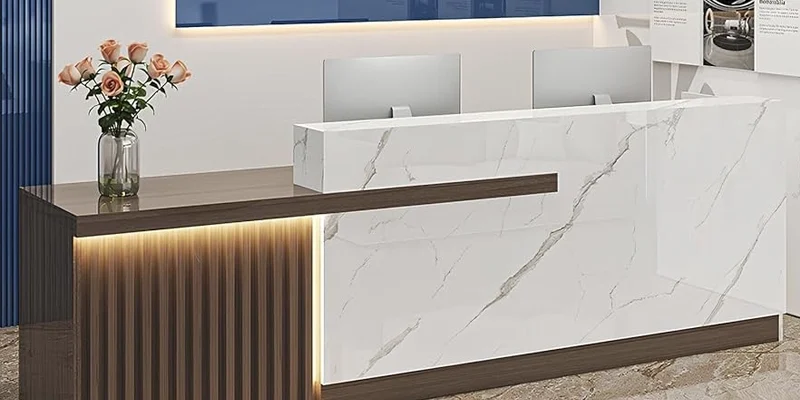
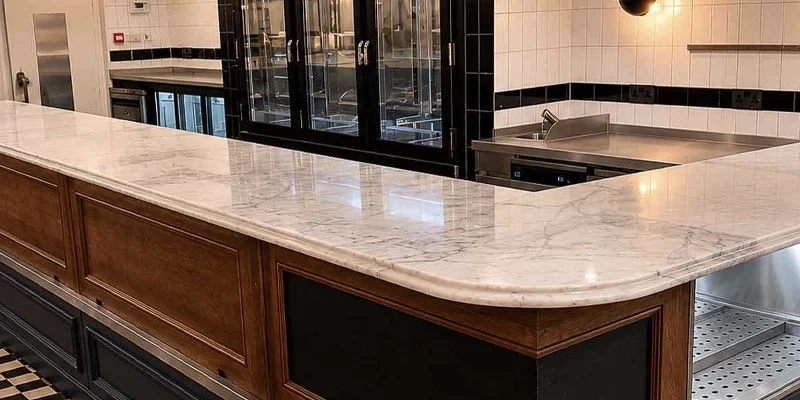
Onyx can be used for reception desks, restaurant bars, lobby walls, boutique displays and other design-led commercial installations. Traffic, cleaning procedures, impact exposure and access to lighting components should be considered before fabrication.
A successful project begins with the actual slab. Colour distribution, translucency, reinforcement and vein direction should be reviewed before the final layout is approved.
Measurements, cutouts, seams, support and lighting details are then coordinated so the stone can be fabricated for the intended location. Final installation requirements depend on the site, panel dimensions and surrounding construction.
Porcelain is a manufactured ceramic surface produced under high heat and pressure. It can reproduce marble, onyx, concrete and other decorative looks while offering low absorption and strong resistance to acidic household substances.
Porcelain is therefore a practical alternative when the project needs the appearance of a dramatic natural stone but cannot accommodate the maintenance and sensitivity of real onyx.
Natural onyx contains mineral layers, colour transitions and translucent sections created through geological formation.

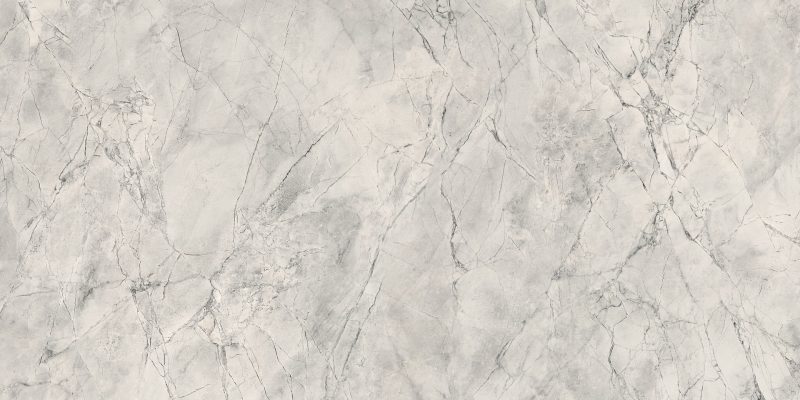


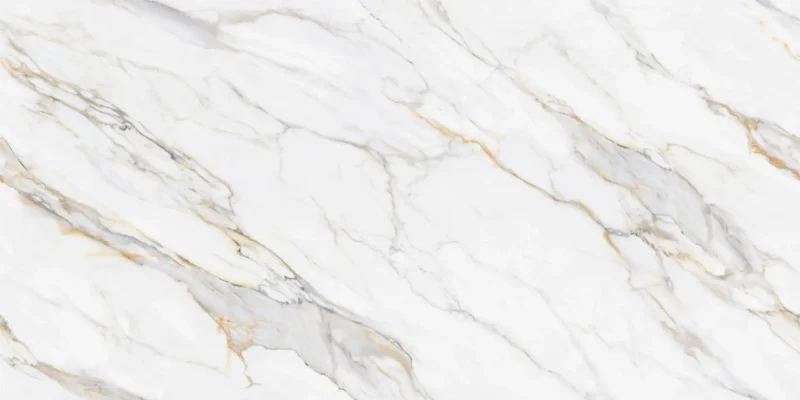
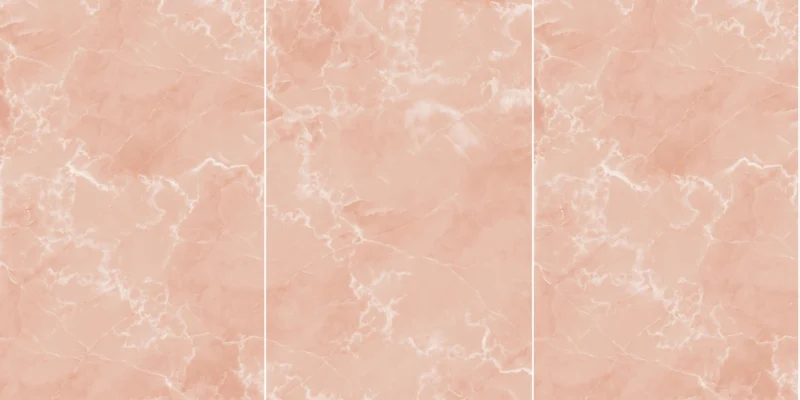
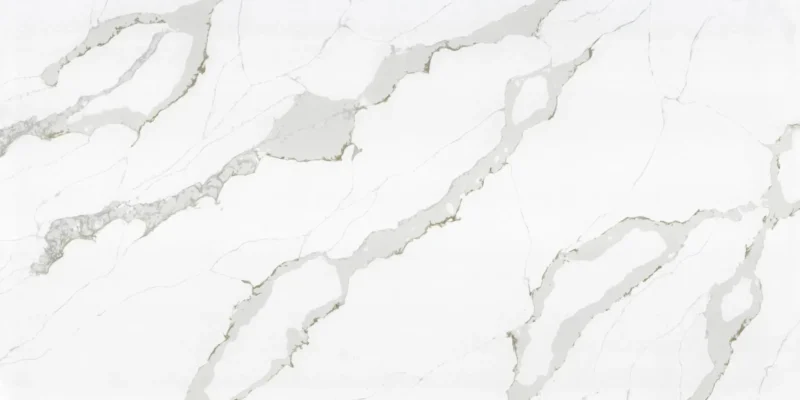
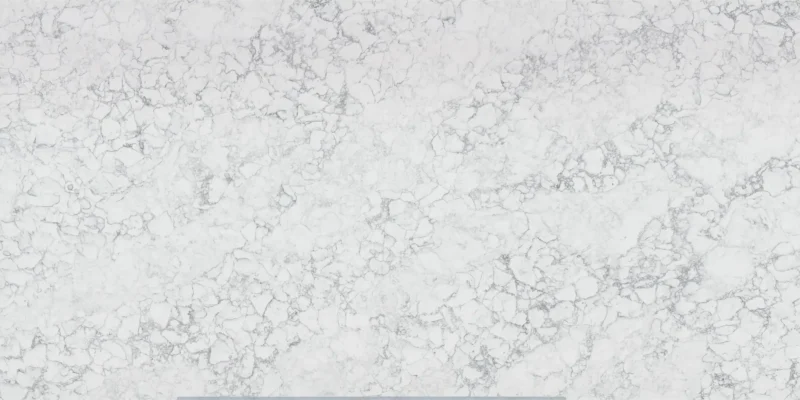
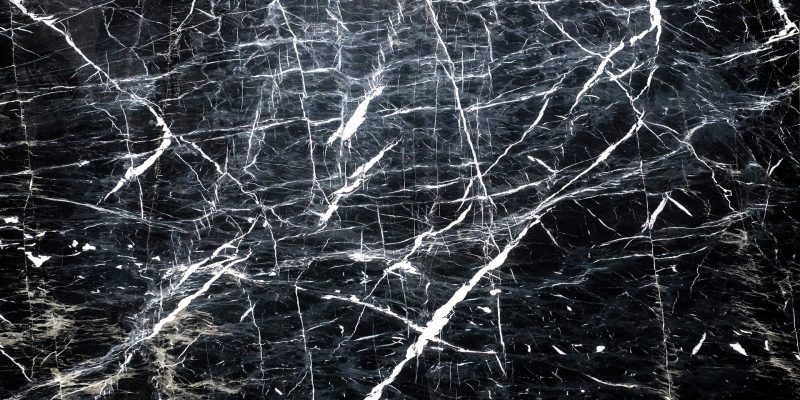


Porcelain patterns are printed or manufactured onto the slab. High-quality products can imitate the colour and movement of onyx convincingly, but most do not provide the same natural translucency or three-dimensional mineral structure.
Some specialized translucent porcelain products may support illuminated applications, but their appearance, thickness and lighting requirements differ from natural onyx. The specific product should be reviewed and tested rather than assuming that every onyx-look porcelain slab can be backlit.
Large-format porcelain slabs can cover countertops, walls, cabinet faces and fireplace features with relatively few joints. Their lower thickness can be useful for vertical cladding and renovation projects where material weight or build-up must be controlled.
Thin porcelain edges require careful fabrication and handling. Mitred edges are commonly used to create the appearance of a thicker countertop, but the quality of the finished result depends on accurate cutting, assembly and pattern alignment.
Onyx slabs are typically selected and laid out according to their natural veins, translucency and reinforced areas. Edge details, cutouts and mitres must respect the structure of the individual slab.
Porcelain has low liquid absorption and does not require penetrating sealer. It is also resistant to acidic food exposure, although edges can still chip and unsuitable abrasive methods may affect some finishes.
Onyx requires more careful cleaning and protection from acids, scratching and impact. Its higher maintenance burden makes porcelain more practical for frequently used countertops, commercial surfaces and family kitchens.
Choose porcelain when:
Choose natural onyx when:
The best alternative depends on how the surface will be used. No single material replaces every characteristic of onyx, so the selection should balance appearance, maintenance, performance and installation requirements.
Quartzite and granite are generally the strongest natural-stone alternatives for heavily used kitchen countertops. Engineered quartz and porcelain are also practical when low absorption and easier routine maintenance are priorities.
Homeowners planning new kitchen countertops in Toronto should evaluate cooking habits, heat exposure, cleaning expectations and preferred design before selecting the material.
Marble and quartzite provide genuine natural variation and can create a refined, high-end appearance across larger surfaces. Marble is appropriate for owners comfortable with etching and patina, while true quartzite generally offers stronger everyday performance.
Engineered quartz and porcelain are usually the most practical options when the owner wants low absorption and no routine penetrating sealer. Each still has limitations: quartz requires protection from concentrated heat, while porcelain edges and mitres require careful fabrication.
Porcelain is well suited to large wall panels, fireplace cladding and cabinet faces because thin slabs can cover broad areas with limited weight. Marble and granite may also be used where natural stone is preferred and the support system is appropriate.
Onyx remains a strong option for illuminated walls when natural translucency is essential and the lighting assembly can be coordinated before installation.
Natural onyx is generally the leading choice for an authentic backlit feature. Its internal mineral layers produce depth and variation that opaque materials cannot fully reproduce.
The actual slab must still be tested. Not every area transmits light evenly, and reinforcement, dense veins and filled sections may become more visible after illumination.
| Project Priority | Strongest Options | Main Consideration |
|---|---|---|
| Natural backlighting | Onyx | Requires slab testing and coordinated lighting |
| Busy kitchen use | Quartzite or granite | Performance varies by the actual slab |
| Low routine maintenance | Engineered quartz or porcelain | Heat and edge limitations still apply |
| Classic natural veining | Marble | Etching and patina should be expected |
| Thin vertical cladding | Porcelain | Edges and mitres need skilled fabrication |
Combining onyx with a more durable countertop material is often the most effective design strategy. It allows onyx to remain the visual focal point while another surface handles cooking, preparation and repeated daily contact.
Examples include:
The surrounding material should support rather than compete with the onyx. Quiet patterns and coordinated background colours usually allow a strongly veined feature slab to remain visually dominant.
True quartzite and granite are generally stronger natural alternatives for frequently used countertops. Engineered quartz and porcelain also offer practical performance with lower liquid absorption.
Some marble, quartzite, engineered quartz and porcelain products reproduce similar colours or flowing patterns. Natural onyx remains distinctive because of its mineral layering and translucency.
Marble is often more practical for larger surfaces, but it can still etch, scratch and stain. It should not be treated as a low-maintenance substitute.
True quartzite is generally harder and more scratch-resistant. However, trade names can be misleading, so the actual slab should be identified and evaluated.
High-quality quartz can provide convincing movement and colour, but its pattern is manufactured and more consistent than the variation found in natural stone.
Some specialized translucent porcelain products may support illumination, but standard porcelain slabs are usually opaque. Product-specific testing is required.
Quartzite is generally better for a working island. Onyx may be suitable for a low-use surface, raised bar or illuminated vertical island panel.
Yes. Selective use often provides the strongest balance of design impact and practicality. Onyx can be reserved for a bar front, wall, vanity or island panel while another material covers high-use surfaces.
Onyx should be selected when natural translucency and architectural impact justify its additional care requirements. Marble, quartzite, engineered quartz, granite and porcelain are better alternatives when the project prioritizes a different combination of appearance, maintenance and daily performance.
Review the actual materials, intended application and fabrication requirements before making the final decision. In many projects, combining onyx with a more practical countertop surface delivers a stronger result than selecting one material for every part of the space.