Welcome to the Tec Corp Stone Inc. Shop! Explore our extensive selection of premium stones, from elegant marble to durable granite. Whether you’re planning a renovation or a new build, find the perfect materials to elevate your space. Shop now for high-quality stones and bring your design dreams to life.
Showing 37–48 of 63 results
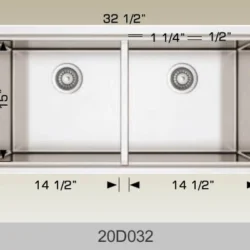
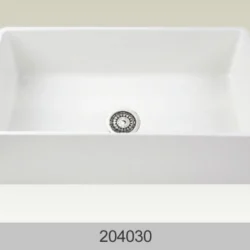
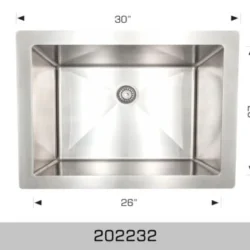
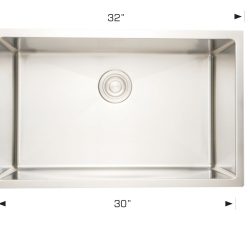
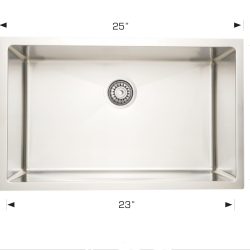
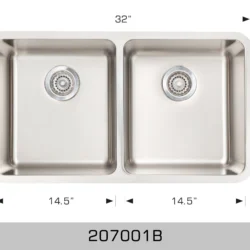
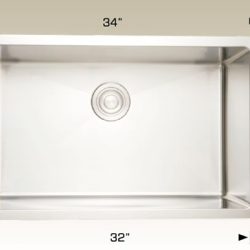
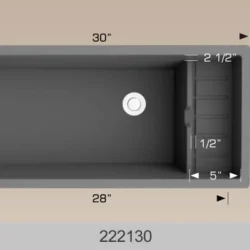
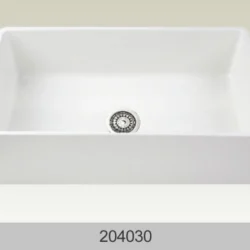
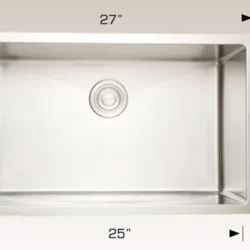
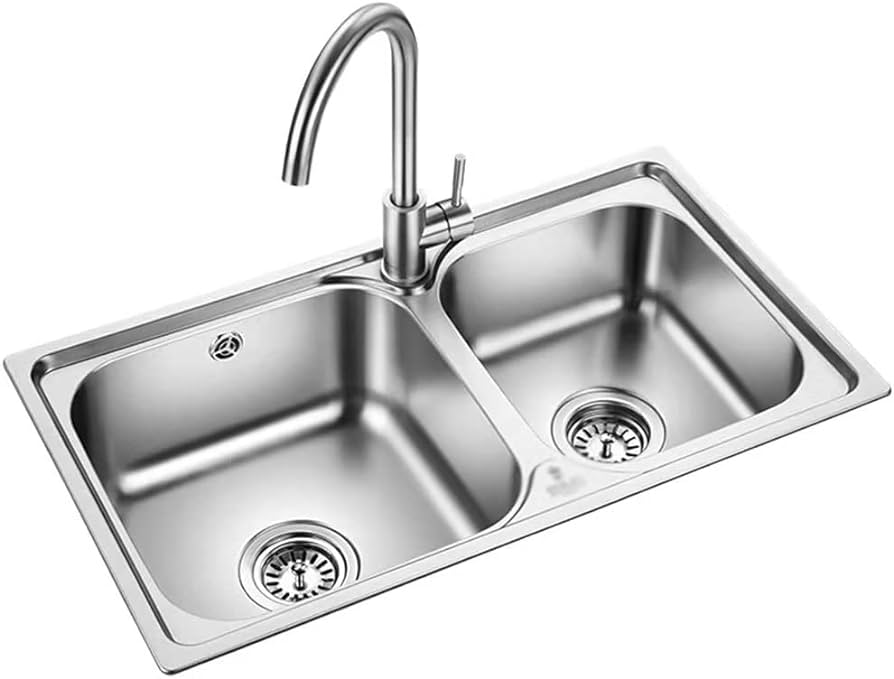
The exact sink model should normally be finalized before countertop measurement. Two sinks with similar advertised dimensions may require different cutouts, corner radii, supports and faucet clearances.
| Sink Type | Installation or Configuration | Main Advantage | Main Planning Consideration |
|---|---|---|---|
| Undermount | Mounted below the countertop | Continuous countertop surface | Finished cutout, reveal and structural support |
| Drop-in | Inserted from above with a visible rim | Broad compatibility and replacement flexibility | Rim cleaning and complete cutout coverage |
| Workstation | Integrated ledges for fitted accessories | Adds temporary preparation space | Accessory storage, bowl size and cabinet fit |
| Apron-front | Exposed front panel through the cabinet | Distinct architectural appearance | Cabinet preparation, weight and finished height |
| Bar or prep sink | Compact secondary basin | Supports preparation or beverage zones | Counter space, plumbing and practical bowl capacity |
Installation style and sink material are separate decisions. For example, stainless steel and composite sinks may be available in undermount, drop-in or dual-mount formats.
The detailed undermount vs drop-in kitchen sink comparison explains how mounting style affects countertop fabrication, cleaning, support and replacement.
Kitchen sink types differ in how they meet the countertop, use cabinet space and support everyday food preparation and cleaning. The appropriate style depends on the countertop material, renovation scope and household workflow.
An undermount kitchen sink is installed beneath the countertop, leaving the finished countertop edge visible around the bowl. This allows water and crumbs to be wiped directly from the counter into the sink without crossing a raised rim.
Undermount installation requires:
The sink should not rely solely on adhesive or silicone for structural support. Composite, fireclay and cast-iron models may require more substantial support than lighter stainless steel sinks.
A drop-in or top-mount sink is inserted through the countertop opening from above. Its visible rim rests on the surface and covers the cut edge.
This design may suit projects where:
A drop-in sink is not automatically a lower-quality or temporary option. Its suitability depends on the countertop, sink construction, renovation conditions and desired appearance.
Workstation sinks include ledges that support fitted accessories such as cutting boards, drying racks, colanders and grids. These accessories can create temporary preparation space above the bowl.
Before selection, consider:
A workstation sink is most useful when its accessories match the household’s regular workflow rather than being selected only for the number of included components.
An apron-front or farmhouse sink extends through the front of the sink cabinet. Models may be made from fireclay, stainless steel, composite or enamelled cast iron.
These sinks usually require:
Fired products such as fireclay can have dimensional tolerances. The physical sink or verified manufacturer information may be required before final fabrication.
Bar and prep sinks are compact secondary basins used in islands, beverage stations, butler’s pantries and preparation zones.
A secondary sink can reduce movement through a large kitchen, but it also requires additional counter space, plumbing and cabinet capacity. The bowl should be large enough for its intended task without unnecessarily reducing preparation space.
Sink material affects weight, sound, visible wear, cleaning and support requirements. Similar-looking products may use different alloys, mineral content, coatings or manufacturing systems.
Stainless steel sinks are widely available in single-bowl, double-bowl, workstation, undermount and drop-in configurations. They are relatively lightweight and coordinate with many appliance and countertop finishes.
Product differences can include:
Stainless steel can develop scratches, water spots, fingerprints and mineral deposits during normal use. These changes should be considered part of the material comparison rather than treated as manufacturing failure.
Composite kitchen sinks are manufactured from mineral particles combined with resin binders. Depending on the manufacturer, they may be marketed as granite composite, quartz composite or mineral composite sinks.
These products commonly provide a matte or lightly textured appearance and are available in neutral colours. They are generally heavier than typical stainless steel sinks and may require additional cabinet support.
Performance varies by product, including resistance to impact, heat, staining, abrasion and thermal change. Dark and light finishes may also show mineral deposits, soap residue or food marks differently.
For a detailed comparison, review the granite composite vs stainless steel sink guide.
Fireclay and ceramic sinks use fired bodies with glazed surfaces. They are commonly associated with apron-front designs but may also be available in other configurations.
The glazed surface can provide a classic appearance and relatively straightforward cleaning. Concentrated impact may chip or crack the surface, and the weight of larger models requires suitable cabinet support.
Enamelled sinks use a porcelain coating over a metal body. Cast-iron versions are generally heavier, while enamelled steel models are typically lighter.
These products can provide a glossy appearance and a range of colours. Deep impact can damage the enamel and expose the underlying metal. The support system should reflect the actual sink weight rather than relying only on its mounting rim.
Kitchen Sink Selection Rule
Choose the mounting style and material separately, then confirm that the exact sink fits the cabinet, countertop, support system and intended daily use.
The next section explains how kitchen sinks should be coordinated with quartz, granite, quartzite, marble and porcelain countertops, followed by sizing, cabinet fit and everyday material performance.
Kitchen sinks in Toronto should be selected as part of the complete countertop, cabinet, faucet and plumbing plan. Bowl dimensions, mounting style, sink weight and accessory requirements can all affect the countertop opening and usable cabinet space.
TecCorp Stone offers kitchen sink options for residential renovation and countertop projects across Toronto and the GTA. Available styles may include undermount, drop-in, workstation, apron-front and prep sinks in stainless steel, mineral composite, fireclay, ceramic and enamelled constructions.
Kitchen sink installation should be coordinated with countertop measurement, cabinet preparation, faucet placement and plumbing before fabrication begins. The mounting method determines which countertop edges remain visible, how the sink is supported and whether the existing cabinet can accommodate the bowl and installation hardware.
The exact sink model should normally be selected before the countertop is measured or templated. Similar-looking sinks can have different flange widths, corner radii, bowl dimensions, reveal options and support requirements.
Before measurement, confirm:
The fabricator may require the physical sink, an approved manufacturer template or verified technical documentation. Changing the sink after countertop measurement can require a revised opening, faucet layout or countertop fabrication plan.
TecCorp Stone’s countertop survey and measurement service can coordinate the finalized sink specifications with the countertop and cabinet layout.
An undermount sink leaves the countertop opening visible, so the cutout shape, corner radius and finished edge become part of the final design.
Common undermount reveal options include:
The preferred reveal should be approved before fabrication. Bowl shape, manufacturer tolerances, cleaning access and faucet position may affect which option is practical.
Drop-in sinks use a visible rim to cover the countertop cutout. The opening must still follow the sink template closely enough to provide proper support and complete rim coverage.
Support and sealing serve different purposes. Structural hardware carries the weight of the sink, water, cookware and attached waste equipment. Sealant helps manage moisture at the connection between the sink and countertop.
An undermount sink may be supported using:
Heavy composite, fireclay, cast-iron and large workstation sinks may require more substantial support than lightweight stainless steel models.
Sealant should not be treated as the only structural attachment or described as permanently watertight. The joint can be affected by movement, cleaning, moisture and age and should remain accessible for inspection and maintenance.
Replacing a sink without replacing the countertop may be possible, but the new model must work with the existing opening, cabinet and plumbing.
Before purchasing a replacement sink, verify:
A larger sink opening may sometimes be fabricated into an existing countertop after the material and site conditions are reviewed. Reducing an oversized opening is generally more difficult because the missing countertop material cannot simply be restored.
Installation Planning Rule
Finalize the sink, faucet, cabinet and plumbing before countertop fabrication. Cutout dimensions and support should be based on the exact product rather than nominal sink size.
The appropriate kitchen sink depends on available cabinet space, household workflow, cookware size, maintenance preferences and renovation conditions. A sink that works well in a compact condo may not provide the same benefits in a large family kitchen or preparation island.
Compact kitchens generally require careful use of countertop and cabinet space. A medium single-bowl undermount sink can provide practical washing capacity while preserving surrounding preparation area.
Possible priorities include:
Installing the largest sink that fits the cabinet can leave insufficient countertop area or interfere with storage and plumbing.
A frequently used family kitchen may benefit from a sink with sufficient bowl capacity, practical cleaning requirements and compatibility with large cookware.
Common directions include:
The final decision should reflect actual household habits rather than a general assumption that one bowl configuration is best for all family kitchens.
Kitchen islands may include a primary sink, secondary preparation sink or workstation system. Sink placement should preserve useful landing space and avoid creating narrow countertop sections around appliances and seating areas.
Island planning should consider:
A secondary prep sink can support entertaining or food preparation, but it also reduces counter and cabinet space. Its intended function should be established before it is added to the layout.
Renovation and rental projects may prioritize broad product availability, practical care and future replacement flexibility.
Drop-in sinks can be useful where the existing countertop opening must remain concealed or where later replacement is an important consideration. Stainless steel models are available in many common dimensions and configurations, but gauge, finish, sound control and bowl geometry still vary between products.
Where an existing cabinet and countertop are being retained, the replacement sink should be selected around the current opening rather than from advertised sink width alone.
There is no universal best type. Undermount sinks provide a continuous countertop surface, drop-in sinks offer broad compatibility, workstation sinks add fitted accessories and apron-front sinks create a distinct architectural feature.
Neither style is automatically better. The right choice depends on countertop material, cleaning preferences, renovation conditions, replacement plans and the desired appearance.
Maintenance depends on the exact product and finish. Stainless steel may show scratches and water spots, composite sinks can show mineral residue and glazed sinks may chip from concentrated impact.
Both terms generally describe mineral-filled resin sinks, but their composition and performance can vary by manufacturer. Product specifications should be reviewed rather than relying only on the category name.
Yes. The cutout, reveal, support and faucet openings should be planned for the exact quartz product and sink model.
It may be possible with selected porcelain products and fabrication systems. Slab thickness, inside corners, edge construction and support require project-specific review.
Yes. The exact model should normally be selected before measurement so the cutout, reveal, support and accessory holes can be coordinated.
A single bowl provides uninterrupted space for large cookware. A double bowl supports separated tasks. The better configuration depends on household workflow and available cabinet width.
Compare the sink’s complete dimensions and minimum cabinet requirement with the usable cabinet interior. Mounting hardware, plumbing, waste equipment and structural braces must also fit.
Sometimes. The replacement must fit the cabinet and work with the existing cutout, reveal, faucet holes and plumbing layout.
Yes. The support method should reflect the sink’s dimensions, material, weight and attached equipment. Sealant alone should not be treated as structural support.
They can be useful where fitted accessories create temporary preparation space, but the sink width, accessory storage and remaining countertop area must be evaluated.
Kitchen sinks should be selected according to countertop material, cabinet dimensions, bowl configuration, faucet layout and daily workflow. Finalizing the exact sink early helps coordinate the countertop opening, structural support and plumbing before fabrication.
Browse available kitchen sink options and provide the exact model information when planning a new countertop or evaluating an existing sink opening.
Plan Your Kitchen Sink and Countertop Together
Confirm the sink dimensions, mounting method, cabinet fit, faucet and support requirements before countertop measurement and fabrication.

At Tec Corp Stone Inc., we pride ourselves on delivering exceptional craftsmanship and unmatched quality. With years of experience in stone fabrication, our dedicated team ensures every project is executed with precision and care. We offer personalized service, innovative solutions, and a commitment to customer satisfaction. Choose us for your stone needs and experience the Tec Corp Stone Inc. difference.