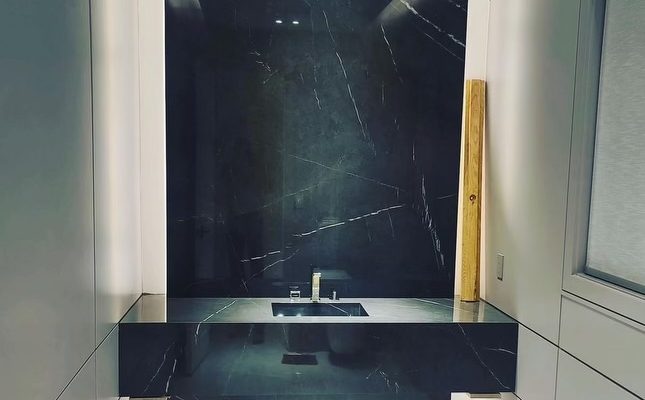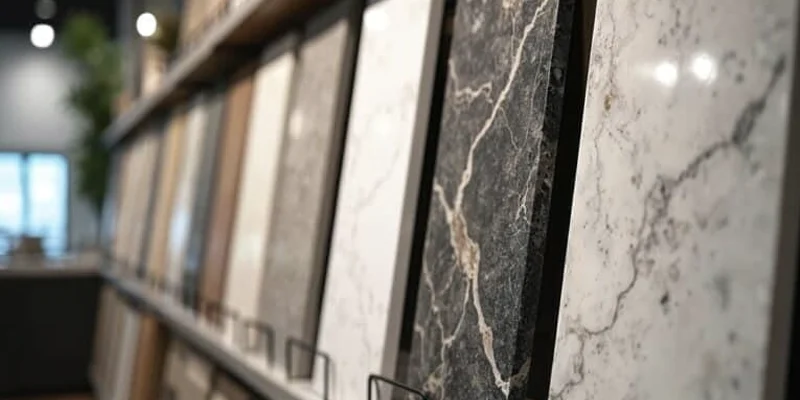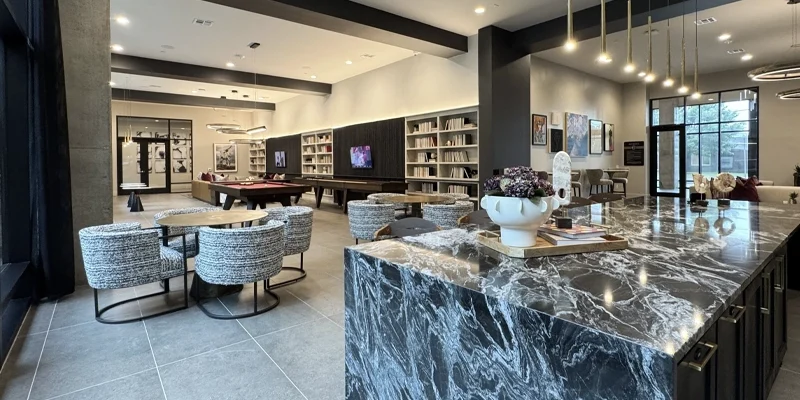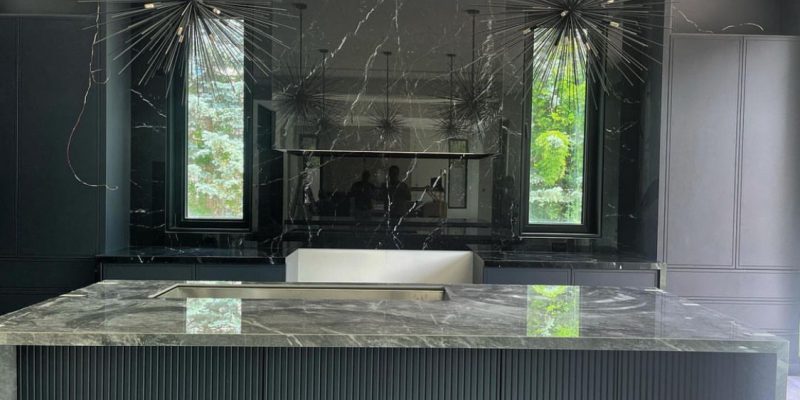
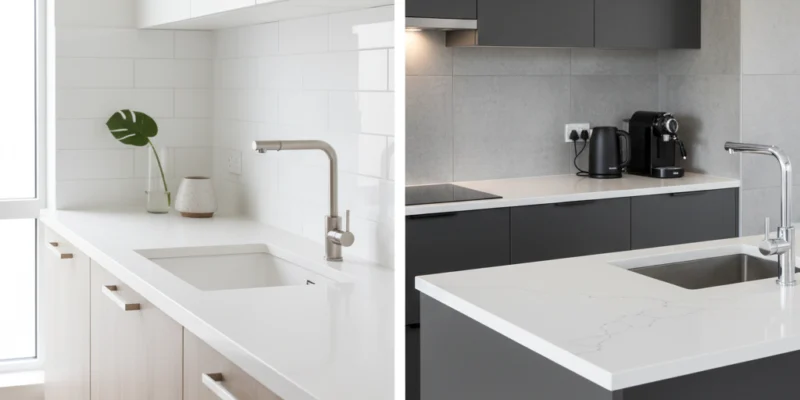
Solid surface vs quartz countertops is a comparison between two manufactured materials that solve different design and performance priorities. Solid surface is known for nearly inconspicuous joints, integrated features and the ability to repair selected surface damage. Quartz provides a harder slab surface, greater resistance to routine abrasion and a more substantial stone-like appearance.
The decision should not be reduced to seamless design versus scratch resistance alone. Heat exposure, impact, edge construction, repairability, sink integration, fabrication, cabinet support and project cost also affect which material is appropriate.
Solid surface may be suitable for homeowners prioritizing curved forms, continuous-looking joints or integrated sinks. Quartz is often considered for primary kitchens where daily food preparation, stain resistance and a more substantial fabricated surface are important.
This guide compares the two materials without presenting either as universally superior. It also clarifies where the term Corian fits within the solid-surface category and which claims should be confirmed for the exact product being considered.
Choose solid surface when: Nearly inconspicuous joints, integrated sinks, curved forms or the ability to refinish selected scratches are central design priorities.
Choose quartz when: The project requires a harder work surface, stronger resistance to routine abrasion and a slab-based appearance suited to a frequently used kitchen.
Protect both materials from heat: Solid surface can scorch or deform, while concentrated heat may affect the binders within quartz.
Main decision: Determine whether seamless fabrication and repairability matter more than hardness, slab character and resistance to everyday surface wear.
Solid surface has a practical advantage when the design depends on continuous-looking joints or integrated components. Quartz generally has the advantage where resistance to routine scratching and a substantial stone-style surface matter more.
Repairability should also be considered carefully. Solid surface can often be sanded or refinished when damage is limited to the surface. Quartz is harder to scratch during ordinary use, but repairs to chips, seams or heat damage may remain visible.
The following comparison describes typical material behaviour. Exact performance, care instructions and fabrication possibilities depend on the selected product and manufacturer.
| Comparison Factor | Solid Surface | Quartz | Decision Impact |
|---|---|---|---|
| Joint appearance | Joints can often be made difficult to notice through specialised bonding and finishing | Seams normally remain visible to some degree | Solid surface suits designs prioritising visual continuity |
| Scratch resistance | Softer and more likely to show routine scratches | Harder and generally more resistant to routine abrasion | Quartz may better suit heavily used work surfaces |
| Repairability | Selected scratches and surface damage may be sanded or refinished | Some chips and seams may be repaired professionally, but the result may remain visible | Solid surface offers a clearer refinishing advantage |
| Heat exposure | More vulnerable to scorching, discolouration or deformation | More tolerant of routine conditions but still requires protection from concentrated heat | Trivets and appliance protection are required for both |
| Integrated sinks and curves | Well suited to integrated components and thermoformed shapes where supported by the product system | Primarily fabricated through cut slabs, joints and separate fixtures | Solid surface provides greater shaping flexibility |
| Visual character | Uniform, controlled and often visually soft | Available in controlled colours and more substantial stone-inspired patterns | The preferred appearance depends on the design role |
| Typical project fit | Integrated designs, bathrooms, laundry rooms and selected kitchens | Primary kitchens, islands and higher-use residential work surfaces | Application and daily use should guide the decision |
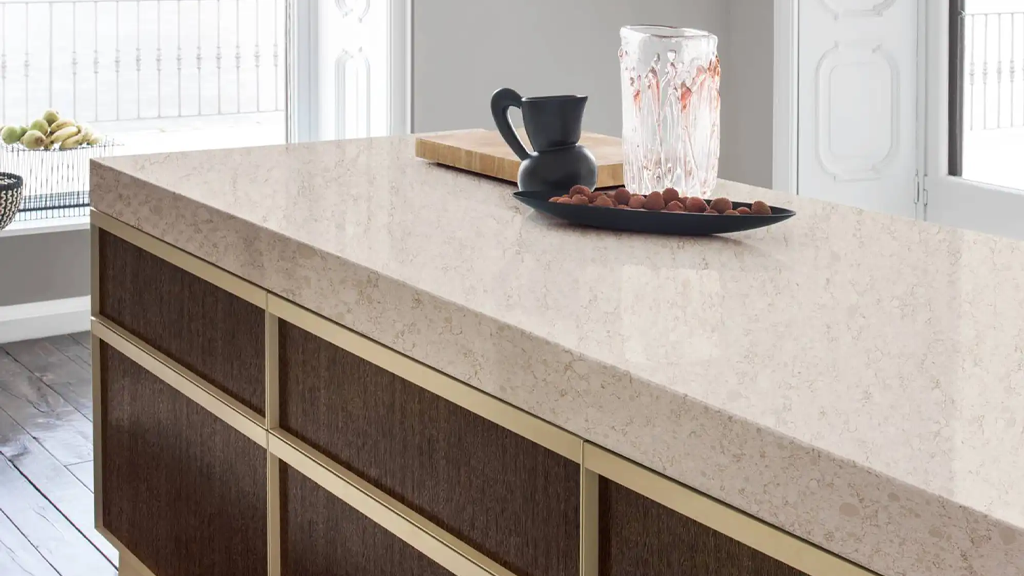
Solid surface is a manufactured material produced from resins, pigments and mineral fillers. It is formed into sheets that can be cut, bonded, shaped and finished for countertops, wall surfaces and integrated components.
The material is relatively uniform through its thickness. This allows selected scratches or surface marks to be sanded and refinished, subject to the product, finish and severity of the damage.
The ability to repair scratches does not mean the material can be used without cutting boards or heat protection. Regular refinishing may also alter the finish if it is not completed consistently across the visible area.
Quartz countertops are manufactured slab surfaces made using quartz minerals, pigments and binders. The exact composition, finish and approved applications vary by manufacturer and product collection.
Quartz is harder and more rigid than solid surface. It offers useful resistance to common spills and routine abrasion, while most products do not require periodic sealing.
Quartz should not be described as scratch-proof, heat-proof or damage-proof. Its practical advantage is stronger resistance to common surface wear, not immunity from misuse or inadequate support.
Browse available quartz countertop options and confirm the technical guidance for the exact product under consideration.
Corian is a specific brand of solid-surface material. The term is sometimes used informally for the entire category, but other manufacturers also produce solid-surface products.
Brand names should not be treated as universal performance specifications. Colour range, sheet dimensions, approved fabrication methods, warranties and heat or chemical guidance can vary between products.
When comparing a solid-surface option with quartz, identify the exact brand and product rather than relying only on the general term Corian.
Product-Specification Rule
Compare the exact solid-surface product with the exact quartz product. Category-level descriptions cannot replace manufacturer specifications, approved applications and fabrication requirements.
Seam appearance is one of the clearest functional differences between solid surface and quartz.
Solid-surface sheets can be bonded and finished so that joints become difficult to detect when the colour, adhesive, fabrication and lighting conditions are favourable.
This feature can support long countertop runs, integrated backsplashes, curved sections and sinks designed within compatible solid-surface systems.
However, describing every joint as invisible would be inaccurate. Joint visibility may be affected by:
Quartz is fabricated from slabs that must be joined when countertop dimensions, access or layout exceed the practical size of one piece. Seams remain visible to some degree, although placement, pattern selection and professional joining can reduce their prominence.
Strong directional veining may make seam planning more important because movement must be coordinated across separate pieces.
Solid surface can support integrated sink systems that create a more continuous visual transition between countertop and basin. Exact availability depends on the manufacturer and fabricator.
Quartz countertops normally use a separately manufactured sink installed beneath or above the slab. The cut-out, support and sealant must be planned for the exact fixture.
Service Scope Note
This article compares both materials for planning purposes. TecCorp’s linked collection and project services relate to quartz and stone countertops. Solid-surface availability and fabrication should be confirmed with an appropriate solid-surface supplier.
Scratch resistance and repairability should be evaluated separately. Quartz is generally harder and less likely to show routine abrasion, while solid surface is softer but may provide better refinishing options after selected surface damage.
Solid surface can show marks from knives, abrasive cleaning pads, dragged cookware and other hard objects. Darker or highly uniform colours may make fine scratches more noticeable than lighter or visually varied products.
Cutting directly on the countertop should be avoided. Repeated abrasion can change the finish gradually, particularly in heavily used preparation zones.
One of the material’s advantages is that selected scratches may be reduced through professional sanding and refinishing. The process must match the original surface finish so the repaired area does not appear noticeably glossier or duller than the surrounding countertop.
Quartz generally offers stronger resistance to everyday abrasion than solid surface. It can perform well in frequently used kitchens where cookware, dishes and food-preparation tools are moved across the countertop regularly.
However, quartz should not be treated as a cutting board. Direct cutting may damage knives, transfer marks to the surface or affect selected finishes. Abrasive cleaners and rough pads can also change the appearance of the product over time.
Solid surface and quartz respond differently to concentrated impact. Solid surface is softer and may develop dents, gouges or localised damage. Quartz is harder but more brittle at exposed edges, corners and narrow sections around openings.
A heavy object dropped near a sink cut-out or unsupported overhang may chip quartz. Edge profile, support and fabrication quality therefore influence practical durability.
| Damage Type | Solid Surface | Quartz |
|---|---|---|
| Fine scratches | More likely to appear, but selected marks may be refinished | Less likely during ordinary use, depending on the product and finish |
| Deep gouges | May require professional repair or a material insert | Less common, but repair may remain visible |
| Edge impact | May dent, chip or deform depending on the impact | Exposed edges may chip under concentrated impact |
| Restoration potential | Greater potential for sanding and refinishing selected damage | Professional repair may be possible, but full refinishing is more limited |
Neither solid surface nor quartz should receive hot cookware directly. Both materials contain binders or resins that may be affected by concentrated heat, although their response and tolerance are not identical.
Solid surface is comparatively sensitive to heat. Hot pots, baking trays or heat-producing appliances may cause discolouration, scorching, distortion or surface damage.
Portable appliances can also create localised heat exposure. Air fryers, toaster ovens, slow cookers and electric grills should be used according to the appliance manufacturer’s clearance requirements.
Quartz generally offers better tolerance for normal kitchen conditions, but sudden or concentrated heat can affect the binders within the material. Damage may appear as discolouration, a change in finish or cracking associated with thermal stress.
Trivets and heat-resistant pads should be used consistently. The countertop should not be selected based on an assumption that quartz can safely receive hot cookware without protection.
Heat-Protection Rule
Use trivets beneath hot cookware and follow clearance guidance for countertop appliances. Quartz may tolerate routine conditions better, but neither material is heat-proof.
Both materials are manufactured with low-absorption surfaces and normally do not require routine sealing. This can simplify daily cleaning, but the exact chemical resistance and approved care methods depend on the selected product.
Routine cleaning generally involves a soft cloth, warm water and a mild cleaner approved for the surface. Abrasive pads, aggressive solvents and highly alkaline or acidic products should not be used unless the manufacturer specifically permits them.
Spills should still be removed promptly. Low absorption does not mean every substance can remain on the countertop indefinitely without affecting the finish or leaving residue.
Solid surface and quartz can resist many common household spills when cleaned appropriately.
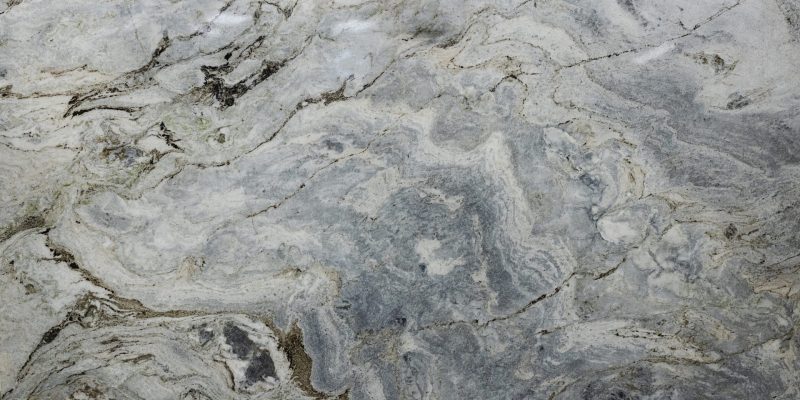
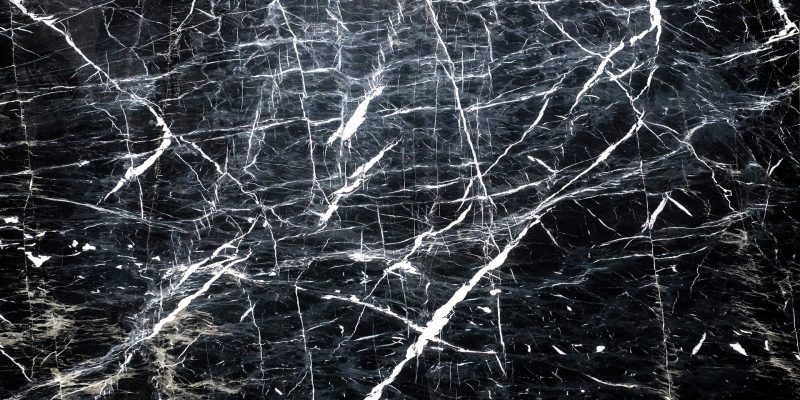
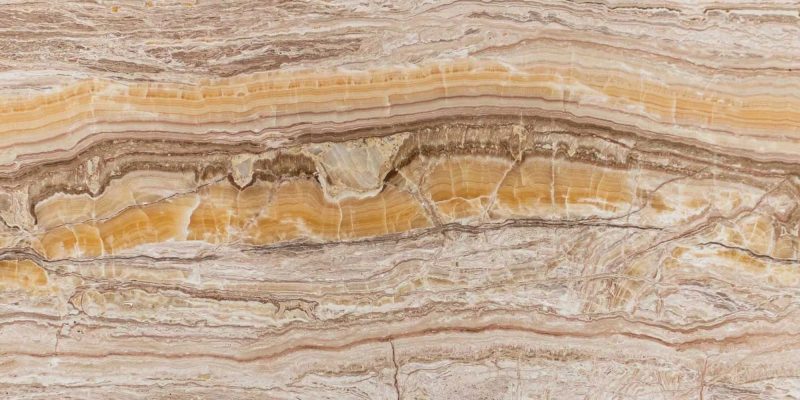
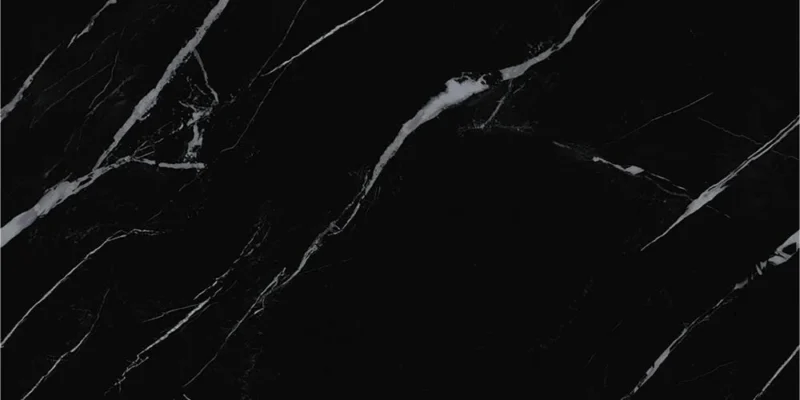
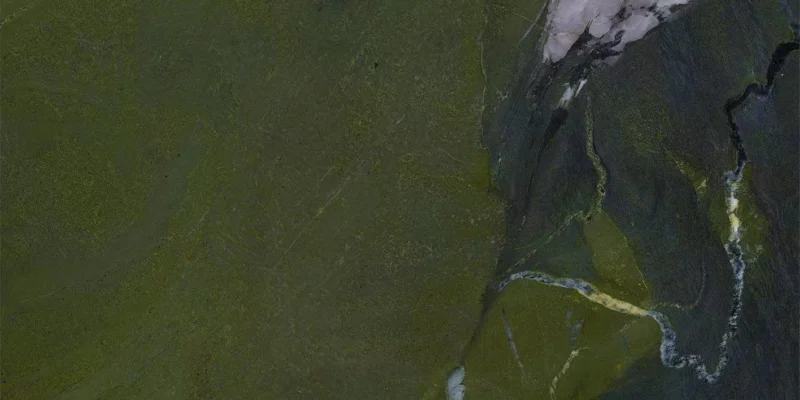
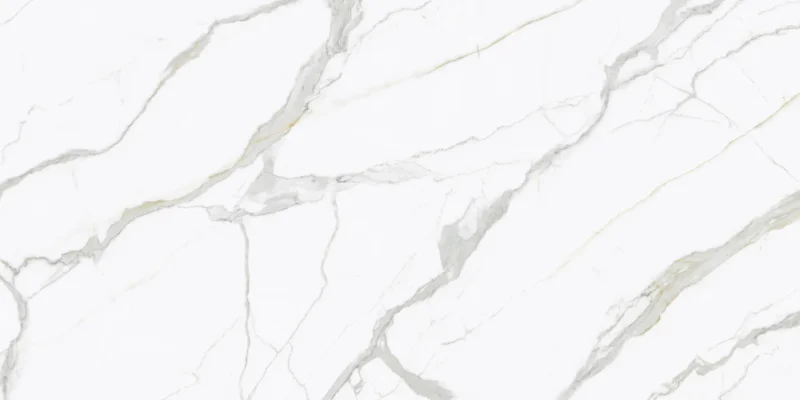


Quartz patterns may conceal minor marks more effectively than a uniform solid-surface colour, but pattern should not be confused with stronger chemical resistance.
The countertop material may resist moisture, but the complete sink installation includes joints, adhesives, supports, sealants and the cabinet below. Water entering these areas can still create damage even when the countertop itself has low absorption.
Integrated solid-surface sinks can reduce visible transitions, although the joint and support details must still follow the approved fabrication system.
Quartz normally uses a separate sink with a fabricated opening. The fixture must be supported correctly rather than relying only on adhesive or the countertop edge.
A low-absorption surface can simplify cleaning, but neither material should be described as automatically antibacterial or immune to contamination. Hygiene depends on regular cleaning, condition of seams and sealant, and appropriate food-preparation practices.
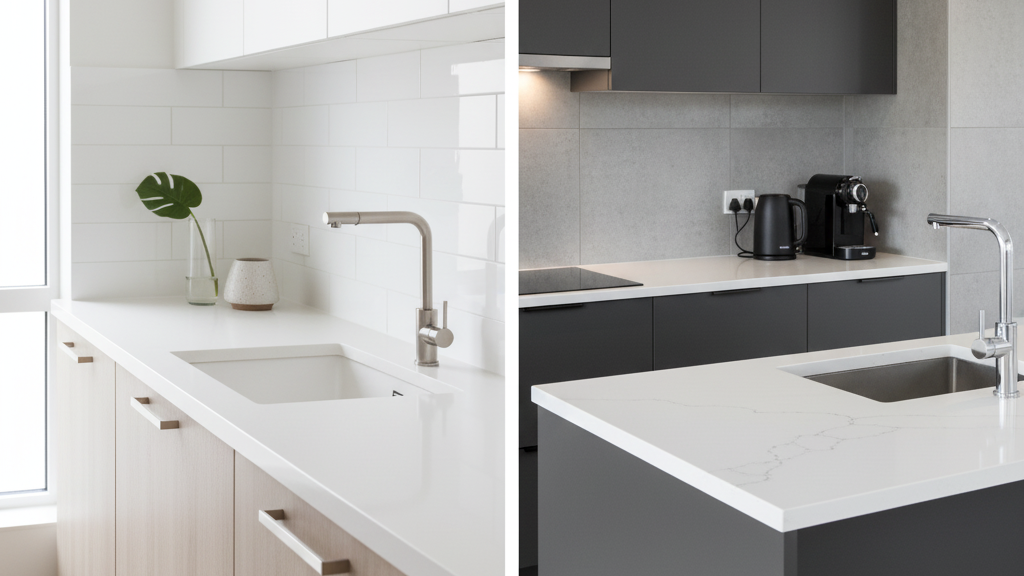
Repairability is one of the strongest reasons to consider solid surface. Because the material is relatively uniform through its thickness, selected scratches, stains and minor damage may be sanded, polished or repaired using compatible material.
Professional refinishing can reduce accumulated surface wear and help restore a more consistent appearance. The result depends on the colour, pattern, finish and depth of the damage.
Localised repair is not always invisible. A repaired area may reflect light differently if its finish does not match the surrounding countertop.
Deep burns, cracks or damaged sections may require a material insert or partial replacement rather than simple sanding.
Quartz normally requires less refinishing because its harder surface is more resistant to routine scratches. However, chips, seams and selected areas of damage may sometimes be repaired professionally.
Colour-matched repair materials can reduce the visibility of a chip, but exact matching is not guaranteed. Strong patterns, reflective finishes and prominent lighting may make the repair easier to notice.
Cracking caused by cabinet movement, insufficient support or thermal stress should be investigated before cosmetic repair is attempted. Repairing the visible damage without correcting the underlying cause may not provide a lasting result.
Solid surface offers greater restoration potential, but its softer surface may require that advantage more often. Quartz is harder and generally resists routine wear better, but significant damage can be more difficult to disguise.
Repairability Rule
Solid surface is easier to refinish, while quartz is generally harder to damage through routine abrasion. Decide whether restoration flexibility or stronger everyday resistance matters more.
Solid surface and quartz pricing can overlap depending on the product, design and fabrication requirements. A brand name or general material category is not enough to estimate the final project cost.
Solid-surface cost may be influenced by:
Quartz cost may be influenced by:
Solid surface should not automatically be described as the less expensive option. A highly customised project with integrated components, curved fabrication or extensive labour may cost more than a straightforward quartz installation.
Quartz quotations should identify the exact product, slab requirements, fabrication scope, delivery and installation. Review the quartz countertop cost guide for a detailed explanation of installed pricing factors.
| Cost Consideration | Solid Surface | Quartz |
|---|---|---|
| Material format | Sheet-based product system | Slab-based engineered surface |
| Main fabrication drivers | Integrated features, curves, joints and refinishing | Slab yield, openings, edges, seams and pattern layout |
| Installation handling | Generally lighter, with more potential for on-site joining and finishing | Heavier fabricated pieces requiring planned access and support |
| Quote comparison | Confirm integrated components, joint finishing and refinishing scope | Confirm exact product, slab quantity, fabrication and installation scope |
The useful comparison is between two complete, written project scopes. Material-only prices do not show the full cost of integrated features, fabrication, delivery or installation.
Solid surface and quartz create different design possibilities because one is fabricated from workable sheets while the other is cut from rigid engineered slabs.
Solid surface can be cut, bonded, sanded and, in compatible systems, thermoformed into curved shapes. This makes it useful when the design depends on continuous-looking joints or integrated components rather than a conventional slab appearance.
Possible solid-surface details may include:
These features depend heavily on the exact product and fabricator. Not every solid-surface colour, thickness or pattern supports the same shaping and joint-finishing results.
Quartz is measured and fabricated as individual slab sections. Its rigidity supports substantial countertop edges, large islands and controlled stone-inspired patterns, but it offers less shaping flexibility than solid surface.
Possible quartz details may include:
Large-scale patterns require careful slab layout. Sink openings, cooktops, seams and waterfall panels can interrupt or redirect the movement within the design.
Solid surface normally provides the stronger option when curved shapes or integrated sinks are essential. Quartz can create angled or mitred constructions, but it is not formed into seamless curves in the same manner.
A homeowner should not select solid surface solely because an integrated design is technically possible. The exact fabricator, product warranty, sink system and maintenance requirements must also be considered.
Solid-surface edges can be built and shaped to create a range of profiles, but the result retains the visual character of a manufactured sheet material.
Quartz normally provides greater visual weight at exposed edges because it is fabricated from a dense slab. This can make it more suitable for statement islands and designs where the countertop is intended to resemble natural stone.
For additional quartz planning, review the guide to countertop thickness and the overview of countertop edge profiles.
Design Selection Rule
Choose solid surface when integrated construction and shaping flexibility drive the design. Choose quartz when slab character, substantial edges and stronger resistance to routine surface wear matter more.
The better material depends on where it will be installed, how heavily the surface will be used and which performance characteristic matters most.
| Application | Potential Fit | Why |
|---|---|---|
| Frequently used family kitchen | Often quartz | Greater resistance to routine abrasion and a substantial slab-based work surface |
| Integrated vanity or sink design | Often solid surface | Supports continuous-looking transitions and compatible integrated components |
| Statement kitchen island | Often quartz | Provides stone-inspired patterning, substantial edges and waterfall-panel options |
| Curved or highly customised counter | Often solid surface | Selected systems can be shaped and joined more flexibly |
| Laundry or utility room | Either material | The decision depends on integrated features, scratch exposure and budget |
| Secondary kitchen | Either material | Solid surface may suit seamless design; quartz may suit higher daily use |
| Long-term primary renovation | Often quartz | May better match expectations for a hard-wearing kitchen surface and stone-style appearance |
Solid surface may provide a better project fit when the design requires:
Quartz may provide the better fit when the project prioritises:
Neither list should be treated as an absolute rule. An integrated design may justify solid surface in a kitchen, while quartz may be suitable for a vanity where visual weight and slab character are desired.
Final Comparison Rule
Solid surface offers greater freedom for joints, curves and refinishing. Quartz offers a harder slab surface and stronger resistance to routine abrasion. The right choice depends on which difference matters in the actual application.
Corian is one brand within the broader solid-surface category. Other manufacturers produce comparable materials with different colours, specifications, warranties and fabrication requirements.
Quartz is generally more resistant to routine scratching and abrasion. Solid surface scratches more easily, but selected surface damage may be sanded or refinished.
Solid-surface joints can often be made more difficult to notice. Quartz seams normally remain visible to some degree, especially in strongly patterned materials.
Both may have repair options, but the methods differ. Solid surface can often be sanded or refinished, while selected quartz chips or seams may be repaired using colour-matched materials. Invisible restoration is not guaranteed.
Quartz generally provides better tolerance for ordinary kitchen conditions, but neither material should receive hot cookware directly. Solid surface is particularly vulnerable to scorching or deformation.
Most products in both categories do not require routine sealing. Follow the care instructions provided for the exact product.
Solid surface normally provides more integrated sink options because compatible components can be bonded and finished into a continuous-looking system. Quartz usually uses a separate undermount or drop-in sink.
It can be, but not always. A highly customised solid-surface project with curves, integrated features or extensive labour may overlap with or exceed the cost of a straightforward quartz installation.
Quartz is often the more practical option because of its harder surface and greater resistance to routine abrasion. Solid surface may still work when integrated design or repairability is a higher priority.
Yes. The materials can serve different functional or visual roles within one project, provided their thickness, edges, colours and transitions are coordinated deliberately.
Quartz may be recognised by some buyers as a desirable kitchen finish, but neither material guarantees a financial return. Overall design, workmanship and property condition remain important.
Yes, particularly when curves, integrated features or subtle joints are important. Quartz may be preferred when the island requires prominent stone-inspired patterning or substantial fabricated edges.
Start by defining the role of the countertop. A primary work surface may prioritise hardness and resistance to routine wear, while an integrated vanity or customised counter may benefit more from joint continuity and shaping flexibility.
Compare the exact products rather than relying on category labels. Review samples, manufacturer guidance, sink requirements, fabrication methods, repair expectations and complete installed quotations before making a decision.
TecCorp’s linked materials and project services relate to quartz and stone countertops. Solid-surface product availability, integrated components and fabrication should be confirmed with a qualified solid-surface provider.
Considering Quartz for Your Countertop Project?
Share your layout, approximate measurements, sink details, island requirements and preferred quartz styles for an initial project discussion.
Discuss Your Quartz Project
Explore Quartz Countertops
Explore Kitchen Countertop Services