Granite countertops for office spaces can create durable, distinctive surfaces in reception areas, boardrooms, executive suites and selected staff facilities. However, granite should not be specified for every office counter by default.
A reception desk has different requirements from a staff coffee station. Client-facing surfaces prioritize appearance, edge detailing and coordination with millwork, while high-use kitchenettes require practical cleaning, spill control and carefully planned sink or appliance openings.
The most effective approach is to assign granite to office zones where its natural variation, surface performance and architectural character provide a clear advantage. Slab selection, finish, exposed edges, seams, cable openings and installation access should then be coordinated with the complete millwork system.
This guide explains where granite works best in Ontario office projects, which areas require additional evaluation and how to specify the material without relying on broad claims about luxury, productivity or property value.
Quick Answer
Granite is often best suited to reception counters, boardroom credenzas, executive hospitality areas and other visible office features. Its suitability for staff kitchens, coffee stations or multi-location projects depends on cleaning requirements, natural slab variation, exposed edges, cut-outs and the need for consistent matching.
Granite can be an effective office countertop material when natural stone supports the intended function and design of the space. It generally offers good resistance to routine scratching, strong surface-heat tolerance and a distinctive slab appearance.
Granite may be particularly appropriate when the project requires:
However, natural variation can also create limitations. Exact colour and pattern matching across several floors, branches or future project phases may be difficult. Granite may also require slab-specific sealing assessment and careful planning around exposed corners, seams and equipment openings.
An office may contain several countertop applications with different priorities:
The specification should begin with the zone’s function rather than applying one material throughout the workplace automatically.
| Office Area | Granite Suitability | Primary Planning Issue |
|---|---|---|
| Reception desk | Strong option | Exposed edges, transaction ledges and millwork support |
| Boardroom credenza | Strong option | Equipment openings, seams and cabinetry coordination |
| Executive hospitality area | Strong option | Slab appearance and integration with premium finishes |
| Staff kitchen | Suitable with review | Spills, cleaning products, sink openings and daily use |
| Coffee station | Suitable with review | Coffee, water, heat-producing equipment and absorption |
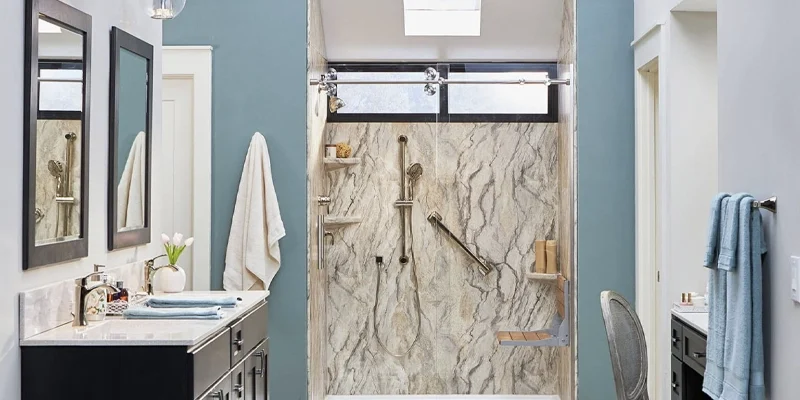
| Office washroom vanity | Generally suitable | Sink cut-outs, water exposure and cleaning compatibility |
| Multi-branch rollout | Conditional | Natural slab variation and future matching |
Specification Rule
Granite is most effective when assigned to zones where natural stone adds visible value and its fabrication requirements can be coordinated with millwork, equipment and daily maintenance.
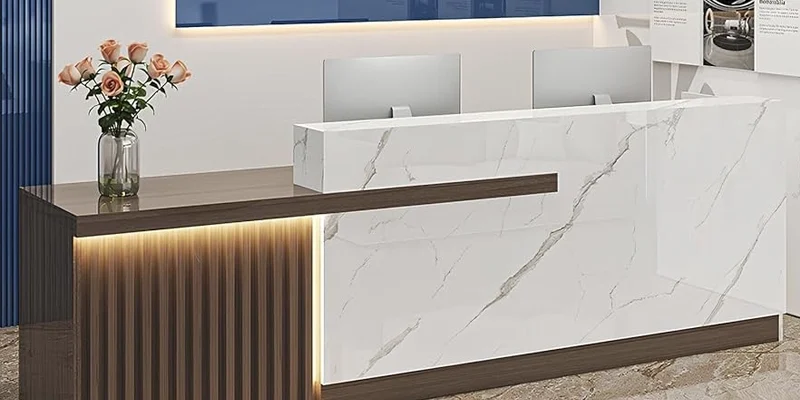
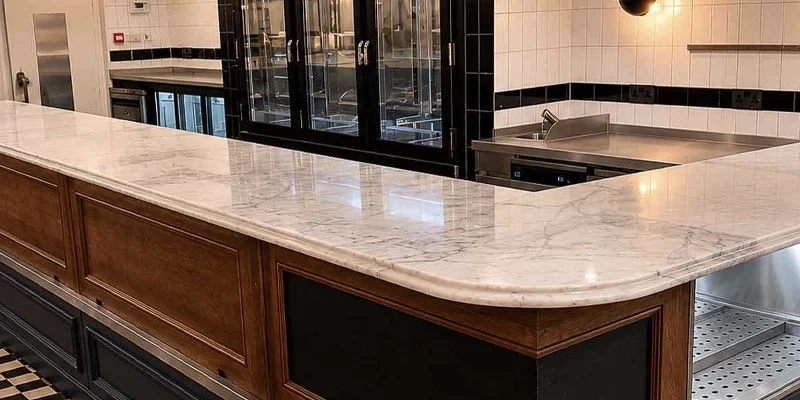
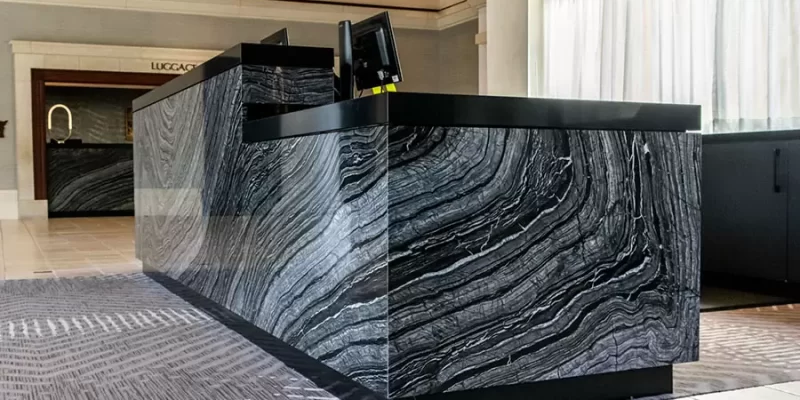
The reception area is often the strongest application for granite in an office. A distinctive slab can create a natural focal surface while supporting repeated contact from visitors, deliveries and front-desk activity.
The stone should be coordinated with:
Granite should not be added after the millwork is designed without reviewing weight, support, overhangs and installation sequence.
Reception counters often contain edges that remain exposed to bags, carts, equipment and repeated visitor contact.
Practical planning may include:
A highly active granite can create a strong feature, but the pattern should relate to the scale of the desk. Important mineral movement should not be lost across small returns, openings or unnecessary seams.
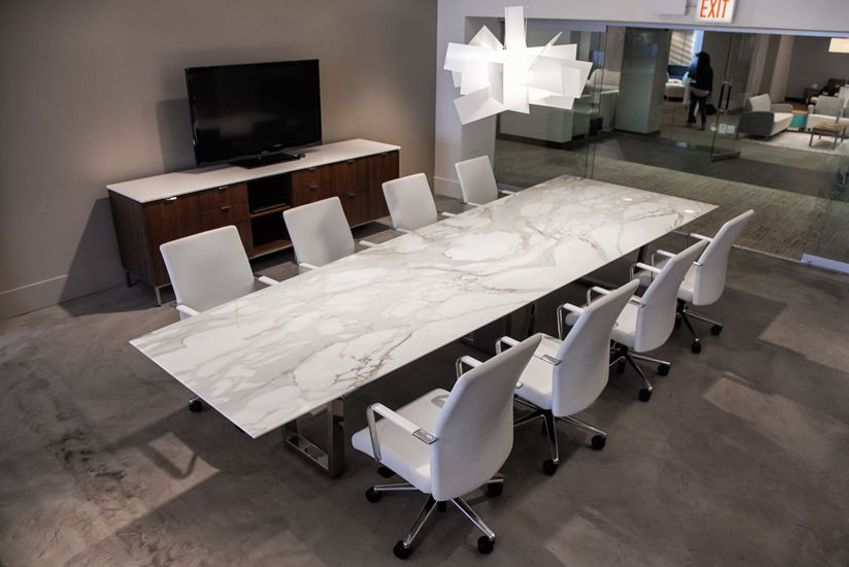
Granite may work well on a boardroom credenza, executive kitchenette, consultation counter or hospitality surface where natural stone supports the interior design without becoming a full desk-writing surface.
A credenza may include:
The stone layout should account for equipment clearances, cable openings and heat-producing appliances. Trivets or equipment feet may still be required even though granite generally tolerates kitchen heat well.
Granite can provide a distinctive surface in an executive office or client hospitality area, particularly when coordinated with wood veneers, dark metal details or restrained neutral finishes.
The selected slab should support the intended level of visual formality. A strongly patterned stone may become the main feature, while quieter granite can act as a stable background for millwork and furnishings.
Before fabrication, confirm:
Granite is rigid and cannot be modified as easily as removable furniture components. Openings should therefore be limited to confirmed requirements.
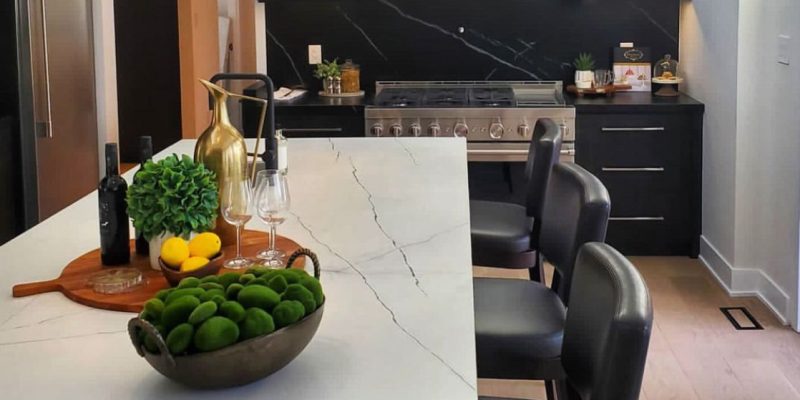
Granite can perform well in an office kitchen or coffee station, but these areas place different demands on the surface than a reception counter or boardroom credenza.
Staff facilities may experience repeated coffee spills, standing water, food residue, heat-producing appliances and frequent cleaning by different users. The slab, finish, openings and maintenance plan should therefore be evaluated according to actual use.
Granite may be suitable when the kitchen includes:
Planning should preserve enough continuous surface around the sink and appliances. Narrow stone sections, unsupported overhangs and poorly placed seams may be more vulnerable than the centre of the countertop.
Coffee stations create concentrated exposure to:
A low-absorbing granite may perform effectively, but the actual slab and existing treatment should be assessed. Spills should still be cleaned promptly, and equipment should not discharge heat or moisture directly into millwork, seams or walls.
Another material may deserve consideration when:
Granite should be selected because it suits the zone—not simply because the office requires a premium-looking surface.
| Performance Factor | Granite Performance | Office Planning Requirement |
|---|---|---|
| Routine scratching | Generally strong resistance | Protect exposed edges and avoid dragging equipment |
| Heat | Strong surface tolerance | Protect seams, sealants and nearby millwork |
| Impact | Dense but vulnerable at corners and openings | Use practical edges and adequate support |
| Staining | Depends on slab absorption and treatment | Clean spills promptly and assess sealing by slab |
| Pattern consistency | Naturally variable | Review full slabs for multi-piece or phased projects |
| Maintenance | Straightforward with suitable products | Align cleaning products with stone and sealer compatibility |
Office granite should be selected according to the application, visible scale and number of required pieces.
A small sample cannot show:
Broad movement may work well on a large reception desk or executive hospitality counter. Smaller or more controlled patterning may be easier to distribute across several staff kitchen or washroom sections.
For multi-floor or multi-location offices, confirm how much visual variation is acceptable. Natural granite cannot guarantee exact repetition between slabs or future purchases.
Natural characteristics should be reviewed around:
The most visually dramatic section is not always the best location for a structurally demanding cut-out.
The finish affects reflectivity, visual formality and daily cleaning.
Polished granite provides stronger colour contrast and a reflective surface.


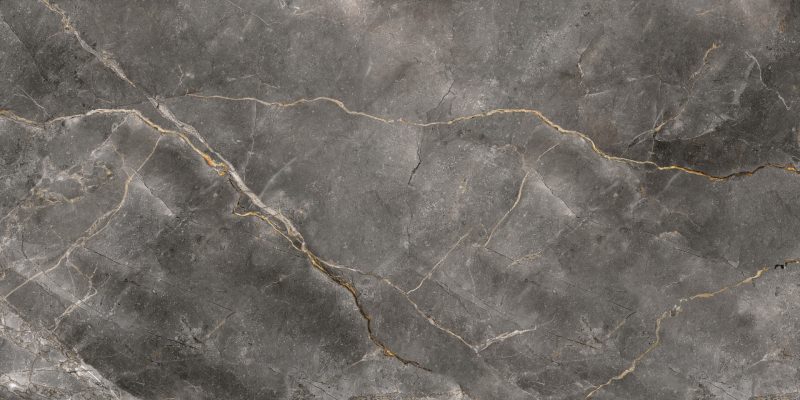
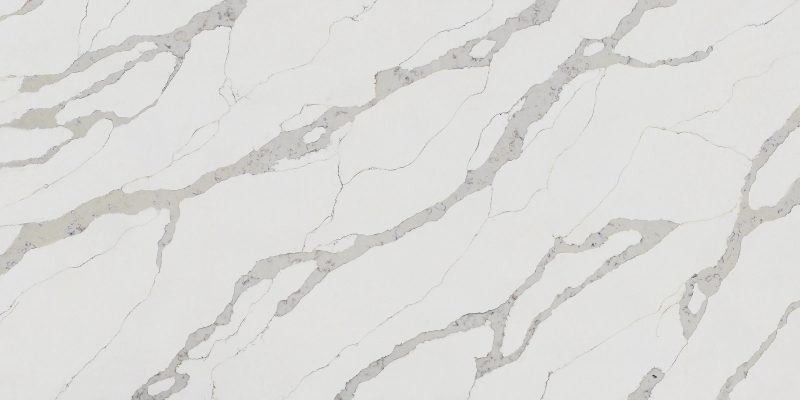
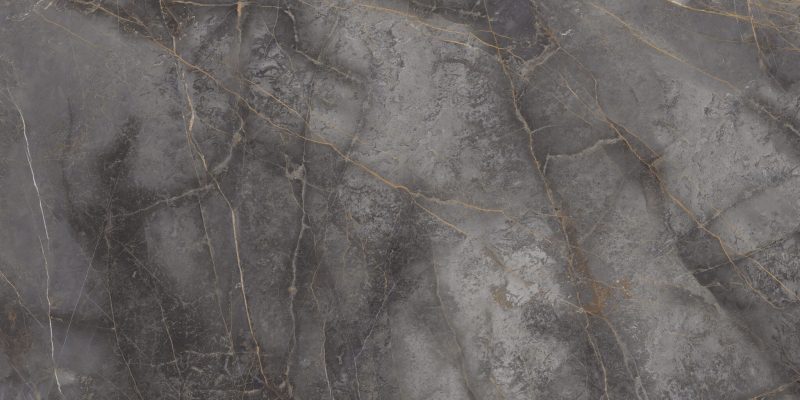
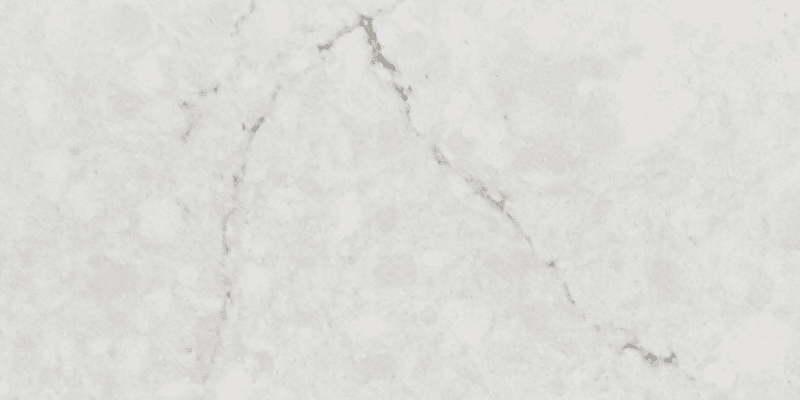


Dark polished granite may show fingerprints, water spots and reflected lighting more clearly.
Honed granite has a lower-sheen appearance that can integrate well with modern millwork and softer commercial interiors.
Some honed slabs may display oils or uneven cleaning more visibly, so the exact surface should be reviewed before approval.
Leathered granite provides a textured, lower-reflectivity finish. It may suit reception or hospitality areas where natural texture is part of the design.
Textured surfaces may require more detailed cleaning around food, beverage and sink areas.
Finish Selection Rule
Select the finish according to both the visual setting and the cleaning routine. Lower reflectivity does not automatically mean lower maintenance.
Office counters often contain exposed edges that experience repeated contact from bags, carts, equipment and users.
Common choices include:
Highly detailed profiles may be appropriate in formal executive interiors but can create vulnerable projecting details in high-contact areas.
Edge selection should consider:
Office countertops may require openings that are uncommon in a standard residential kitchen.
Every opening interrupts the stone. The quantity, size and location should be confirmed before fabrication.
Office technology and equipment may change over time. Permanent stone cut-outs should therefore be limited to confirmed requirements.
Where practical, cable access may be coordinated through millwork panels rather than adding several openings directly through the granite.
Seam locations should account for:
A seam can be carefully fabricated but should not be promised as completely invisible.
Granite should be treated as part of the complete millwork system rather than as an independent decorative surface.
Millwork should be stable, secured and suitable for the weight and geometry of the stone.
Review:
The granite should align with:
A highly active slab may require quieter millwork. A controlled granite may allow stronger wood grain or architectural detailing.
Confirm how the stone meets:
Late millwork changes can affect countertop dimensions, seams, edges and cut-outs.
Granite in an office should be maintained with products compatible with natural stone and any treatment already applied to the surface.
Routine care generally includes:
Reception hospitality counters, boardroom credenzas and staff coffee stations may be exposed to coffee, tea, milk, oils and coloured beverages.
Spills should be blotted before they are spread across the surface. Persistent darkening may indicate absorption rather than removable residue.
Unless specifically approved for the granite and sealer, avoid:
Where a facility uses standardized commercial cleaning chemicals, confirm compatibility before approving granite for the project.
Some granite may benefit from a penetrating sealer, while low-absorbing slabs may require little or no additional treatment.
The need depends on:
Office traffic alone does not establish a fixed annual sealing schedule. Sealer also does not prevent scratches, chips or damage from incompatible chemicals.
For broader care guidance, review the stone countertop cleaning guide.
Office installation planning should account for the countertop pieces, building procedures, millwork sequence and disruption to normal operations.
Before fabrication, confirm:
A countertop may fit within the slab dimensions but still require division into smaller pieces because of elevator, corridor or interior access limitations.
Granite should be measured after the supporting millwork is installed, secured and ready for the countertop.
The project schedule should coordinate:
Late changes to cabinetry, equipment or accessible counter sections may require new measurements or fabrication revisions.
The written scope should state responsibility for:
Review TecCorp Stone’s countertop survey and measurement service before approving commercial fabrication dimensions.
Commercial Installation Rule
Approve millwork, equipment, access and trade responsibilities before fabrication. Granite should not be modified to compensate for unresolved site conditions.
Granite is not automatically the best material for every office application.
Quartz still requires manufacturer-approved cleaning and protection from concentrated heat.
Porcelain requires specialized handling and careful planning around exposed edges and openings.
Granite remains a strong choice when the project benefits from a unique natural feature surface and full slab matching is not required across many locations.
Commercial granite cost depends on more than the measured surface area.
Main factors include:
A visually complex reception counter may require more fabrication and slab planning than a larger but simpler staff-kitchen surface.
A commercial quotation should be based on approved drawings, measured site conditions and confirmed installation requirements rather than a material-only square-foot estimate.
Yes. Granite can create a durable natural feature surface when exposed edges, transaction ledges, accessible sections and millwork support are planned correctly.
It can be. The slab’s absorption, sink openings, cleaning products and level of daily use should be reviewed before specification.
Not necessarily. Sealing requirements depend on the slab, finish, existing treatment and observed absorption.
Exact matching may be difficult because granite is naturally variable. Quartz may be more practical when repeatability is a primary requirement.
Yes, but the quantity, dimensions and locations should be finalized before fabrication. Unnecessary permanent openings should be avoided.
Polished granite may suit formal reception and executive areas. Honed or leathered finishes provide lower-sheen alternatives, but their cleaning characteristics should be reviewed.
Granite generally tolerates kitchen heat well, but equipment should not transfer prolonged heat or moisture into seams, sealants or surrounding millwork.
Granite is better when unique natural variation is important. Quartz may be better when consistent colour, future matching and no routine sealing are higher priorities.
Granite can be an effective office countertop when it is assigned to the right zone and coordinated with millwork, equipment, cleaning requirements and installation access.
Use it where natural stone contributes meaningful visual and functional value. Where repeatability, chemical protocols or future matching are more important, compare quartz or porcelain before approving the material.
Planning Granite Countertops for an Ontario Office?
Share the office drawings, millwork details, countertop zones, equipment requirements and installation conditions to begin reviewing the project.
Discuss Your Commercial Project
Explore Office Countertop Services