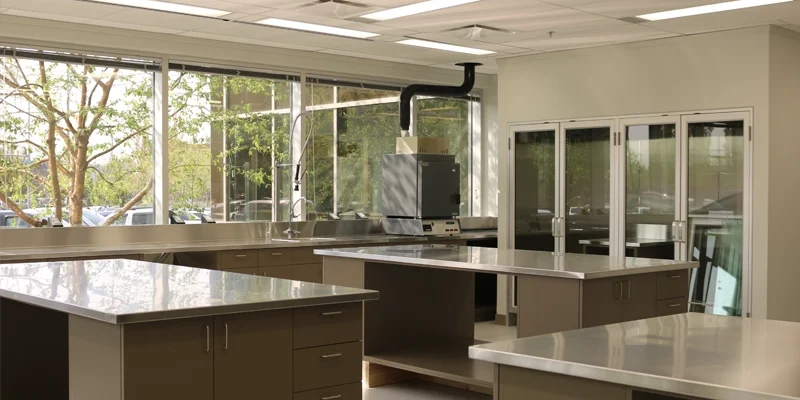
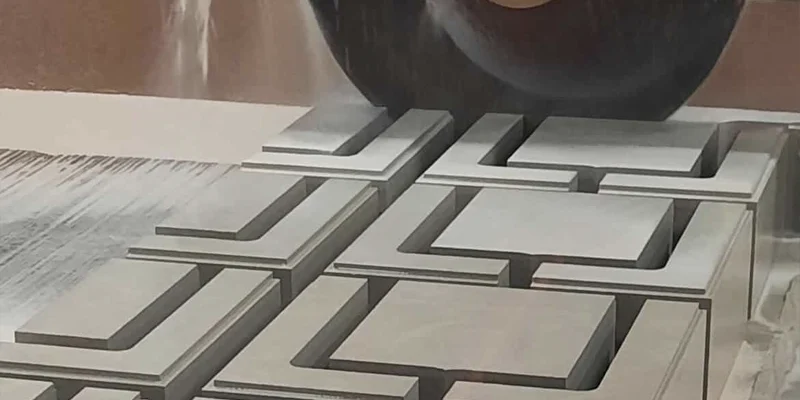
Custom stone fabrication cost in Toronto cannot be reduced to one reliable price per square foot. The amount depends on what is being fabricated, which material is selected, how many slabs are required, the number of cutouts and finished edges, the complexity of the layout, and what the quoted scope includes.
This distinction is especially important when comparing prices across Toronto and the GTA. Many publicly advertised countertop prices combine the slab material, measurement or templating, fabrication, standard edge work, delivery and installation into one per-square-foot figure. A fabrication-only quote can therefore look very different from an installed countertop price even when both relate to the same project.
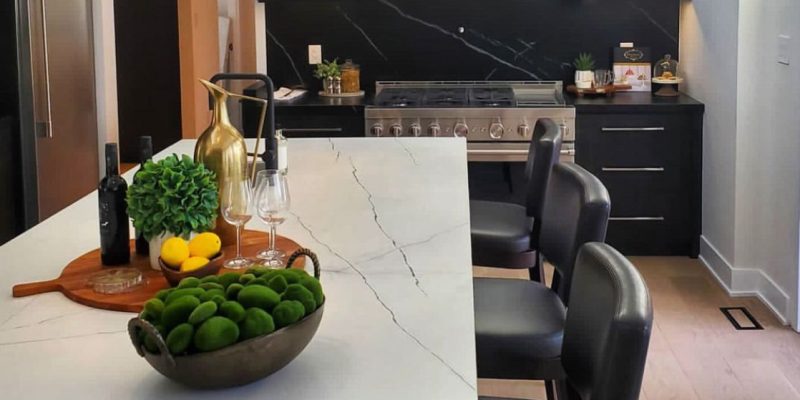
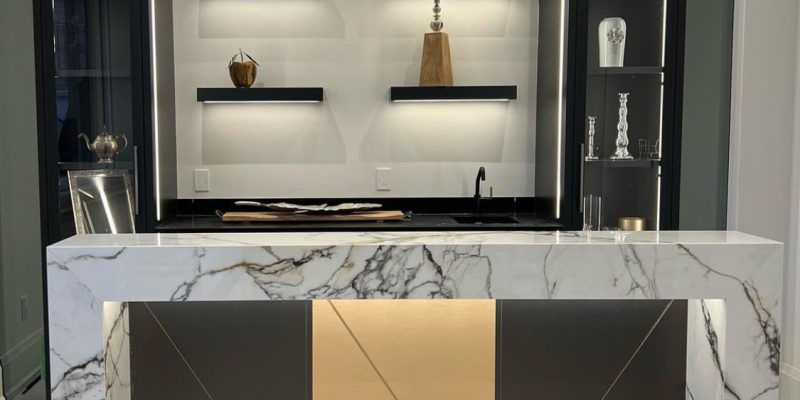
Custom work also extends beyond standard kitchen countertops. Waterfall islands, full-height backsplashes, fireplace components, vanity tops, wall panels, reception counters and other architectural stone pieces may require different methods of estimating because square footage alone does not describe the fabrication work involved.
This guide explains how custom stone fabrication is priced, provides realistic Toronto and GTA planning ranges where public market data is available, and identifies the project details that can move a quotation higher or lower.
Toronto & GTA Pricing Context | Fabrication Scope | Custom Details | Installation Logistics
For countertop-type projects, current advertised Toronto and GTA prices show a broad market stretching from relatively simple fabricated quartz packages to premium natural stone and porcelain work costing well above $150 per square foot.
These figures should be used as budget-planning references rather than fixed fabrication rates. Publicly advertised prices often include several services in addition to fabrication, and the definition of a “standard” package varies between suppliers.
| Surface / Project Type | Approximate GTA Planning Range | Important Pricing Context |
|---|---|---|
| Quartz Countertops | About $45–$180+ / sq. ft. | Published local prices commonly bundle material, fabrication and standard installation. |
| Granite Countertops | About $70–$130+ / sq. ft. for many installed packages | Slab selection, pattern, layout and fabrication details can move the price outside this range. |
| Marble Countertops | About $90–$150+ / sq. ft. | Premium or uncommon slabs and complex fabrication can move substantially higher. |
| Porcelain / Sintered Slab | About $110–$200 / sq. ft. | Thin-slab handling, mitered edges and detailed fabrication can materially affect labour. |
| Quartzite & Specialty Natural Stone | Quote-specific | Slab price and fabrication requirements vary too widely for one dependable GTA rate. |
Pricing note: These ranges are intended for preliminary budgeting and reflect publicly advertised Toronto/GTA countertop pricing. They are not a Teccorp Stone price list. Material availability, slab selection, project geometry and quoted inclusions can change the final amount.
Two projects with the same finished square footage can require very different amounts of fabrication work.
A straightforward countertop with a standard edge and one sink opening is not equivalent to a project of the same area containing:
This is why square-foot pricing is useful for early budgeting but insufficient for evaluating a final custom fabrication quote.
The widest price differences usually appear when material and fabrication complexity change at the same time. An entry-level quartz project with standard details may sit near the lower end of local advertised pricing, while premium marble, porcelain or highly customized slab work can move into a much higher range.
For homeowners specifically researching the complete cost of a kitchen countertop—including material and installation—the broader Kitchen Countertop Cost in Toronto guide covers that search intent in more detail.
This page instead focuses on the fabrication scope: what the stone needs to go through after project dimensions and material choices begin to turn into physical pieces.
One of the easiest ways to miscompare stone quotations is to compare a fabrication-only price with an installed package.
A fabrication-only quotation may primarily cover operations such as cutting, machining, edge finishing and cutout preparation. Depending on the supplier, material, templating, delivery or installation may be separate.
An installed countertop package may instead combine several stages into one number:
Neither pricing method is inherently better. The important issue is understanding exactly what is included before comparing one quote with another.
Cost Comparison Rule: Never compare two per-square-foot prices until you know whether material, templating, fabrication, cutouts, edges, delivery and installation are included in both.
The exact scope varies between companies and projects, which is why a written quotation should identify the individual services and details included.
Before final fabrication, the required project geometry must be established. Countertop projects may use site measurement or digital templating to define walls, corners, openings and component dimensions.
Some companies include this stage within a package price, while others quote measurement separately. Teccorp Stone’s Countertop Templating guide explains how this information moves into fabrication.
Once the dimensions are known, project components need to be allocated within the selected material. This becomes more important when the slab contains strong veining or the project includes waterfalls, full-height backsplashes or several adjoining pieces.
Complex layout can affect both the amount of material required and the fabrication plan. The Stone Slab Layout Planning guide examines these decisions in detail.
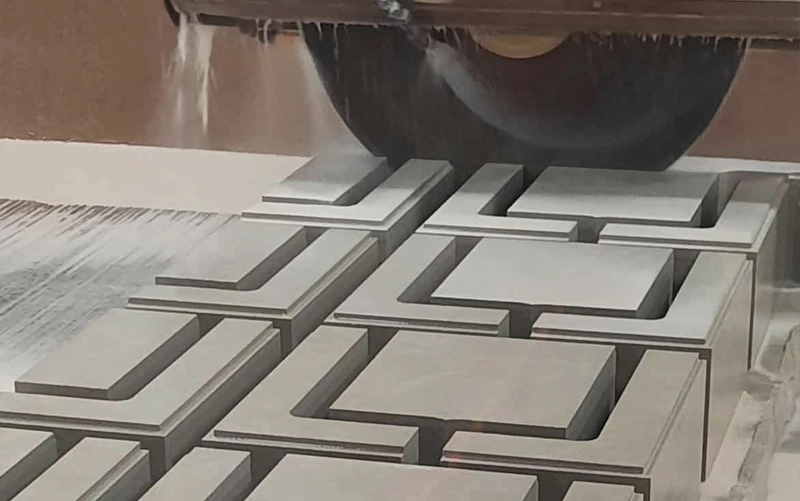
Fabrication may include primary cutting, perimeter machining, sink and cooktop openings, faucet holes and other programmed operations. The amount of machining depends on the component geometry and material.
For a technical explanation of this stage, see the CNC Stone Fabrication guide.
Standard straight edges may be included in some base packages, while decorative profiles, mitered assemblies, built-up edges and other custom details can require additional machining and finishing.
The same applies to cutouts. A quote should identify which sink, cooktop or fixture openings are included rather than assuming every opening is part of the base square-foot price.
Fabrication and installation are different stages, even when one company quotes them together. Delivery distance, piece dimensions, access conditions, seam assembly and site requirements can influence the installed total independently from the workshop fabrication work.
Separating these scopes when reviewing a quote makes it much easier to understand what is actually driving the final project cost.
The price of custom stone fabrication is driven by the work required to transform the selected slab into finished project components. Square footage matters, but it is only one part of the estimate.
Two projects using the same material and covering the same area can receive different fabrication quotes if one requires more slabs, complicated layout planning, multiple openings, mitered details, difficult access or additional finished components.
Material choice affects more than the purchase price of the slab. Different natural stones and manufactured surfaces can require different tooling, cutting strategies, handling and finishing methods.
The individual slab also matters. Highly directional natural stone may require more deliberate layout planning, while thin or large-format manufactured products can introduce different fabrication considerations.
The fabrication quote should therefore be based on the actual material selected rather than assuming that every stone or slab product is processed identically.
Larger projects generally require more material and fabrication, but the relationship between square footage and cost is not perfectly linear.
A project may move into another slab because the required components cannot be positioned efficiently within the available material. Large islands, waterfall panels and full-height backsplashes can particularly affect the number of slabs required.
This is why slab count can change the project budget even when the finished square footage increases only moderately.
Layout determines where each project component will be positioned within the slab. A straightforward layout may prioritize efficient material use, while a strongly veined project may sacrifice some yield to achieve a better relationship between visible surfaces.
Factors such as vein direction, island placement, waterfalls, backsplashes and seams can therefore affect how much usable material is required.
For a deeper explanation, see the Stone Slab Layout Planning guide, which covers vein direction, material allocation and multi-slab planning before fabrication begins.
Sink, cooktop and fixture openings add fabrication operations beyond basic perimeter cutting. The cost can depend on the number of openings, their geometry, material and the fabrication method required.
A project containing one standard undermount sink is therefore different from a design containing:
Some countertop packages include a standard sink cutout in the base price, while others list it separately. That difference should be identified before comparing quotations.
Standard eased or straight polished edges are commonly included in many local countertop packages. More complex profiles and mitered assemblies can add machining, assembly and finishing work.
Mitered edges are especially relevant when the design aims to create the appearance of a thicker countertop or when horizontal and vertical pieces meet at a waterfall end.
The cost is not simply an “edge upgrade.” A waterfall can also require additional slab area, a separate vertical component and coordination of the pattern between adjoining surfaces.
Seams can influence fabrication cost because separate components require edge preparation, planning and installation coordination.
However, the cheapest strategy is not necessarily the one with the fewest seams. Oversized components can create material-use, handling or access problems that outweigh the benefit of eliminating a joint.
The dedicated Countertop Seam Placement guide explains why slab dimensions, support, access and pattern should be considered together when deciding where pieces meet.
If installation is part of the quotation, site conditions can affect the total independently from workshop fabrication.
Relevant conditions may include:
A quotation should make clear whether these conditions are already included or whether unusual site requirements can result in additional charges.
Pricing Principle: Fabrication cost reflects the number and complexity of production operations—not just the finished countertop area. Slab count, layout, cutouts, edges and component geometry can materially change the quote.
Material cost and fabrication cost should be considered separately. An expensive slab does not automatically require the most complicated fabrication, while a competitively priced material can become more expensive when the project contains difficult details.
Quartz is widely offered in Toronto countertop packages, making local pricing relatively easy to compare. Standard edges and selected cutouts may already be included by some fabricators, while mitered edges, waterfalls and additional openings may be itemized separately.
The specific product, pattern tier and project details still affect the overall installed price.
Granite fabrication cost can be influenced by slab characteristics, component geometry, edge requirements and the amount of detailed machining.
Natural variation also means that layout and slab yield can become more important where prominent movement or distinctive mineral areas need to be positioned deliberately.
Marble projects may involve additional visual planning when strong veining needs to continue across islands, seams, backsplashes or waterfall components.
Premium slab selection can drive much of the project price, while complex pattern relationships and detailed fabrication can add to the production scope.
Quartzite varies considerably between individual stones. For that reason, a dependable fabrication allowance should be based on the specific slab, thickness, geometry and project details rather than a generic quartzite rate.
For budgeting purposes, quartzite and other specialty natural stones are better treated as quote-specific once the actual material has been selected.
Porcelain often carries higher fabrication allowances in current GTA pricing, particularly when a project includes mitered edges, waterfalls or detailed openings.
The correct method depends on the selected product and slab system, so porcelain should not be priced as though it were simply another natural stone countertop.
The following figures are useful as Toronto and GTA planning references for selected quartz and porcelain upgrades. They should not be treated as universal rates because fabricators package these items differently.
| Fabrication Detail | Quartz Planning Range | Porcelain Planning Range | Pricing Note |
|---|---|---|---|
| Undermount Sink Cutout | Approx. $100–$250 each | Approx.
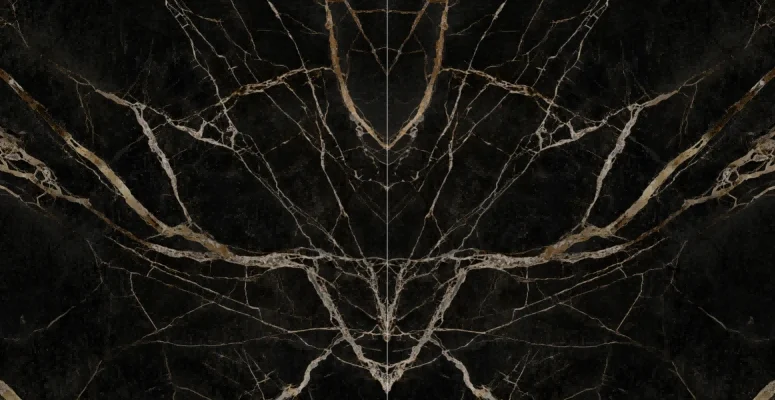
Stone Surfaces
Porcelain Slab R540M Noir St. Laurent
Price : Call For Price
Porcelain is a popular choice for its affordability, durability, and versatility. Its scratch, stain, and moisture resistance make it a no-brainer for countertops. It is
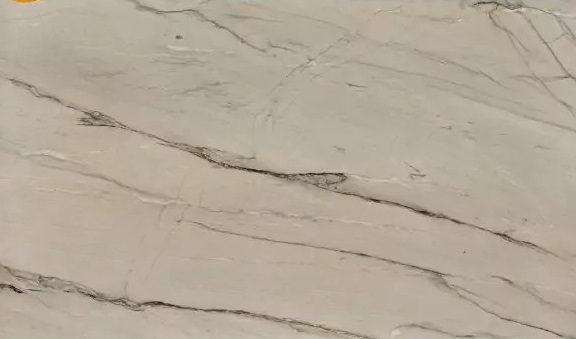
Stone Surfaces
Quartzite Slab Everest
Price : Call For Price
Quartzite is a naturally occurring form of quartz that is found in the earth’s crust. This is a beautiful and durable material that is perfect

Stone Surfaces
Quartz Slab EM8931
Price : Call For Price
Quartz is our most common mineral that is made up of two abundant chemical elements on earth, oxygen and silicon. Unlike natural stone, quartz does not
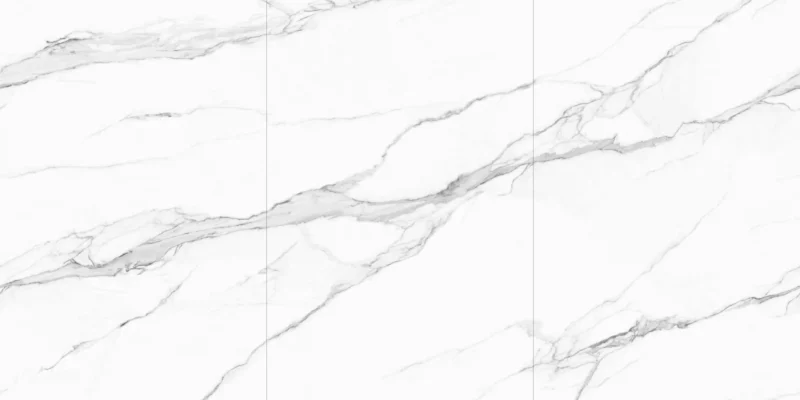
Stone Surfaces
Porcelain Slab E013P Calacatta White
Price : Call For Price
Porcelain is a popular choice for its affordability, durability, and versatility. Its scratch, stain, and moisture resistance make it a no-brainer for countertops. It is
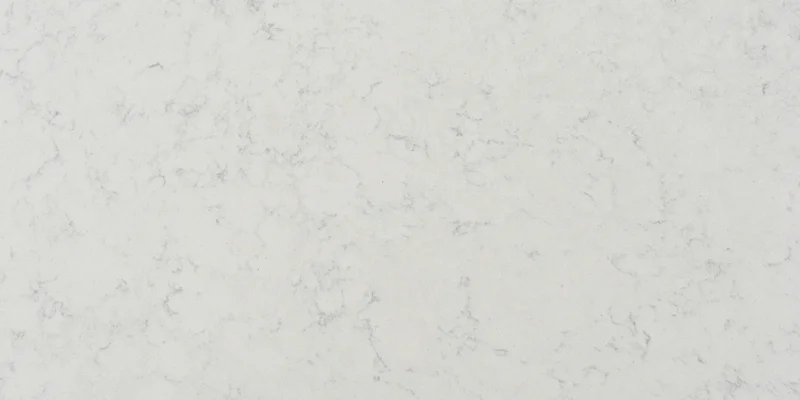
Stone Surfaces
Quartz Slab Q6011
Price : Call For Price
Quartz is our most common mineral that is made up of two abundant chemical elements on earth, oxygen and silicon. Unlike natural stone, quartz does not
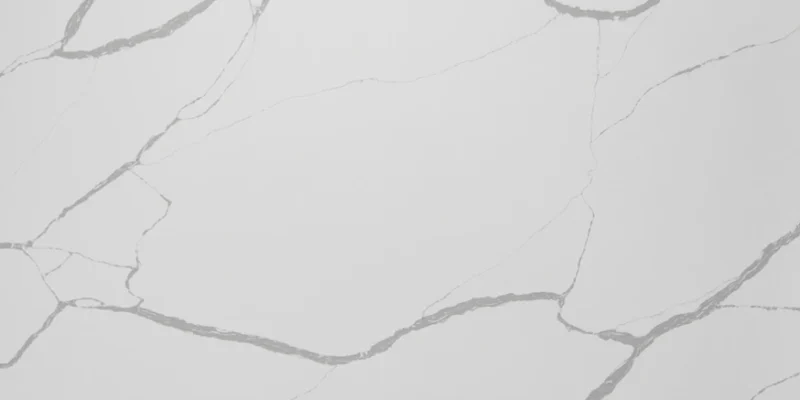
Stone Surfaces
Quartz Slab EM1001
Price : Call For Price
Quartz is our most common mineral that is made up of two abundant chemical elements on earth, oxygen and silicon. Unlike natural stone, quartz does not
Stone Surfaces
Porcelain Slab R571M Polar Black Sand
Price : Call For Price
Porcelain is a popular choice for its affordability, durability, and versatility. Its scratch, stain, and moisture resistance make it a no-brainer for countertops. It is
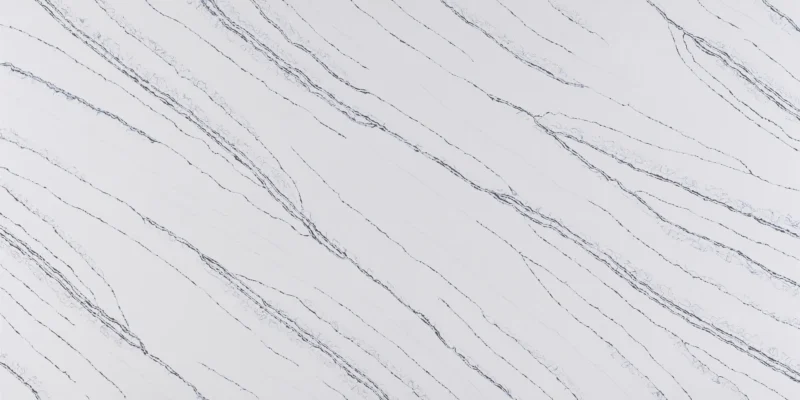
Stone Surfaces
Quartz Slab R8007
Price : Call For Price
Quartz is our most common mineral that is made up of two abundant chemical elements on earth, oxygen and silicon. Unlike natural stone, quartz does not

Stone Surfaces
Marble Slab Royal White
Price : Call For Price
Marble’s natural elegance and beauty make it a smart and timeless pick. Marble resembles granite in many ways, but its softer surface makes it slightly


$250–$400 each |
May already be included in some standard countertop packages. |
| Integrated / Detailed Cooktop Opening | Approx. $200–$400 | Approx. $300–$550 | Standard cooktop openings may be priced differently from flush or more detailed configurations. |
| Mitered Waterfall Detail | Approx. $350–$600 per side | Approx. $500–$900 per side | Additional slab material for the vertical panel may be priced separately. |
| Full-Height Slab Backsplash | Approx. $60–$100 / sq. ft. | Approx. $90–$160 / sq. ft. | Material allocation, outlets, pattern planning and installation can affect the total. |
| Custom Decorative Edge | Quote-specific | Quote-specific | May be quoted per linear foot, per square foot or as a project line item. |
| Custom Shapes / Complex Machining | Quote-specific | Quote-specific | Curves, multiple radii, specialty openings and architectural details require project-specific review. |
Pricing note: These are approximate current-market planning figures based on publicly advertised Toronto/GTA pricing and should not be interpreted as Teccorp Stone rates. Some fabricators include standard cutouts or edge treatments in the base package, while others itemize them separately.
Before treating a cutout charge as expensive or inexpensive, confirm what type of opening is being quoted. Standard undermount sink preparation, flush-mounted details and specialized appliance openings do not necessarily involve the same fabrication scope.
A waterfall island can affect cost in two separate ways: the project needs additional material for the vertical panel, and the transition between the horizontal and vertical pieces may require additional edge and assembly work.
Patterned materials can add another planning consideration if the design aims to create a deliberate relationship between the countertop and vertical panel.
Mitered or built-up edges are often used to create a thicker visual profile without using a slab of the same apparent thickness throughout.
Because suppliers may price this work per linear foot, per side, per square foot or as part of a larger waterfall package, homeowners should compare the scope rather than assuming identically named line items are equivalent.
A full-height slab backsplash adds much more than a narrow backsplash strip. It consumes additional slab area and can require openings for electrical devices, detailed wall measurements and deliberate pattern planning.
If the backsplash is intended to relate visually to the countertop, it should also be included during slab layout rather than treated only as leftover material after the countertop pieces have been positioned.
Curves, unusual angles, detailed notches and architectural stone pieces are difficult to price reliably from square footage alone. These projects are better estimated from drawings, measurements and the selected material.
The Countertop Fabrication Process guide explains where cutting, machining, edge work and final finishing fit within the broader production workflow.
Budget Check: Ask whether each upgrade includes only fabrication labour or also the additional slab material, delivery and installation required to complete the detail. A waterfall panel is a good example: its miter charge and its additional stone area are not necessarily the same line item.
Not every custom stone project can be estimated effectively from a countertop price per square foot. Vanity tops, fireplace components, feature walls, reception desks and other architectural pieces can involve different combinations of material, machining, edge finishing, support coordination and installation.
For these applications, drawings, dimensions and the selected material usually provide a better basis for estimating than applying a generic countertop rate.
Bathroom vanity tops may be smaller than kitchen countertops, but the fabrication scope can still include sink openings, faucet holes, finished edges, backsplashes and custom dimensions.
Small project size does not necessarily translate into a proportionally low fabrication cost because templating, programming, cutting, finishing and delivery still involve project-specific work.
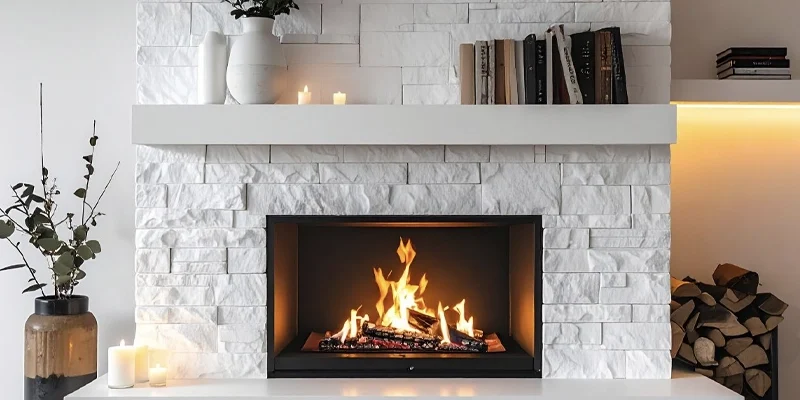
Stone fireplace projects can include hearths, surrounds, wall panels or several fabricated pieces designed to meet around a firebox.
Pricing can be affected by:
Because fireplace configurations vary considerably, these projects are generally better treated as quote-specific custom stonework.
Large-format stone walls can require several fabricated panels rather than one countertop-shaped component. Pattern orientation, panel dimensions, openings, wall conditions and installation planning can all influence the scope.
Where strong natural veining is part of the design, additional attention may also be given to slab allocation and the relationship between neighbouring panels.
Commercial and custom residential pieces may combine horizontal surfaces, vertical faces, mitered corners, curved sections or non-standard openings.
For this type of work, the total fabricated area alone does not describe the labour involved. A detailed drawing or project specification can make the quotation considerably more meaningful.
Teccorp Stone’s Stone Fabricator Toronto guide covers the broader range of custom stone applications beyond standard kitchen countertops.

The workshop fabrication may be identical for two projects while the installed price differs because the sites are not equally easy to access. This is particularly relevant in Toronto and other dense GTA locations where parking, elevators and building access can affect delivery and installation planning.
Condominium projects may require coordination around service elevators, loading areas, permitted delivery periods or building procedures. These conditions do not necessarily create an extra charge on every project, but they should be identified before the quote is treated as final.
The distance between the delivery vehicle and the installation area matters when fabricated components are large or difficult to handle.
A project may require additional planning where access includes:
Reducing the number of seams can create larger fabricated pieces. That may improve the desired layout in one respect while making transportation and positioning more demanding.
For this reason, the least expensive fabrication plan is not always the one with the largest possible pieces. The proposed component strategy should work from the slab through fabrication, delivery and final installation.
Toronto Project Check: Before accepting a final installed price, confirm whether parking, elevator coordination, stairs, long carry distances or other known access conditions are already reflected in the quotation.
A lower per-square-foot number does not necessarily represent the lower final project cost. The most useful comparison is between quotations based on the same material, measurements, fabrication details and installation scope.
Before comparing totals, confirm whether each quote includes:
| Quote Item | What to Confirm |
|---|---|
| Material | Exact stone, product, colour or slab allowance being priced. |
| Measurement / Templating | Included in the package or charged separately. |
| Fabrication | Cutting, CNC machining and standard finishing included. |
| Edges | Which profile is standard and which details are upgrades. |
| Cutouts | Number and type of sink, cooktop and fixture openings included. |
| Seams | Whether required seam fabrication and installation are included. |
| Delivery & Installation | Included, separate, or subject to site-access conditions. |
| Removal / Plumbing / Other Trades | Confirm separately rather than assuming they form part of the countertop scope. |
A meaningful comparison should also use the same project information. One company quoting from a rough homeowner sketch and another quoting after final templating may not be pricing exactly the same geometry or scope.
For countertop-specific fabrication considerations, the Countertop Fabricator Toronto guide explains what to review when evaluating a fabrication provider.
Cost control does not have to mean selecting the lowest-priced slab or eliminating every custom detail. The more effective approach is to decide which elements matter most and avoid paying for complexity that adds little value to the intended design.
If strong veining or premium details are important, consider concentrating them on the island or another focal surface rather than requiring the same level of complexity on every countertop run.
A thoughtful slab layout can help determine whether islands, backsplashes and other components can be allocated efficiently. However, material savings should be balanced against pattern direction and the finished appearance.
Knowing the sink, cooktop and fixture requirements before final fabrication reduces uncertainty about the number and type of openings that need to be included in the quote.
Ask for upgrades such as waterfall panels, premium edges or full-height stone backsplashes to be identified separately. This makes it easier to understand how each design choice changes the budget.
A higher base rate that already includes templating, cutouts, delivery and installation can ultimately be more competitive than a lower advertised rate with several required additions.
The goal is not simply to reduce the square-foot figure. It is to understand where the project budget is being spent.
There is no single reliable fabrication-only rate. Toronto and GTA countertop packages commonly combine material, fabrication and installation, while custom fabrication varies according to material, project geometry, cutouts, edges, slab layout and installation scope.
It often is for standard countertop packages, but custom work may also include per-piece, per-opening, per-linear-foot or project-specific charges. Complex architectural stonework is usually better evaluated from drawings and dimensions.
Not always. Some suppliers quote material separately, while others advertise installed packages that include material, fabrication and installation. The quotation should state exactly what the advertised price covers.
They can. Some Toronto countertop packages include one standard sink cutout or selected basic openings, while additional or more detailed cutouts may be priced separately.
They generally increase the project scope because a waterfall requires additional vertical material and may involve mitered edge preparation, pattern planning and installation work. The material and fabrication portions should be reviewed separately.
Not automatically. However, projects requiring deliberate vein placement, continuity across components or multi-slab coordination can involve more layout planning and may use material less efficiently.
Current Toronto/GTA pricing often places porcelain projects above standard quartz packages, but the difference depends on the specific product, fabrication details and installation scope. A project-specific quotation is more useful than assuming a fixed premium.
It can when elevator booking, loading restrictions, parking, long carry distances or difficult access add logistical requirements. These conditions should be disclosed when requesting the quote rather than assumed to be included automatically.
Square footage is useful for an early estimate, but an accurate custom quote usually requires additional information about material, dimensions, openings, edges, slab layout, seams, installation and access.
Compare the same material and project scope line by line. Confirm what each price includes for templating, fabrication, edges, cutouts, delivery, installation and additional services before comparing the final totals.
Custom stone fabrication pricing becomes much easier to understand when the project is separated into its actual components: material, measurement, slab planning, machining, edges, cutouts, custom details, delivery and installation.
Toronto and GTA market prices provide a useful starting point for budgeting, but they cannot replace a project-specific quotation. The selected slab, geometry and level of customization ultimately determine what fabrication work is required.
For countertops, fireplaces, feature walls and other custom applications, Teccorp Stone’s Custom Stone Services provide the broader project path from planning and material selection through fabrication and installation coordination.
Get a Project-Specific Stone Fabrication Quote
Share your project dimensions, material preferences, openings and custom details with Teccorp Stone for pricing based on the actual fabrication scope.